
18th Century Georgian Mirror
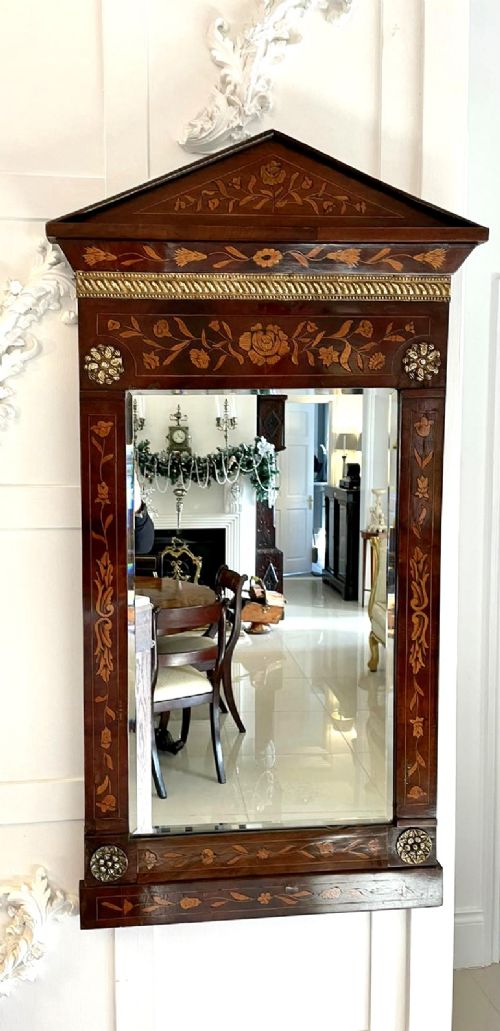
These pieces combine figured woods and carved gesso to give an 18th century georgian mirror its enduring weight and character.
18th Century Georgian Mirror
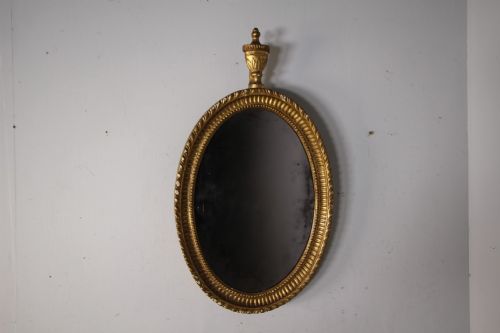
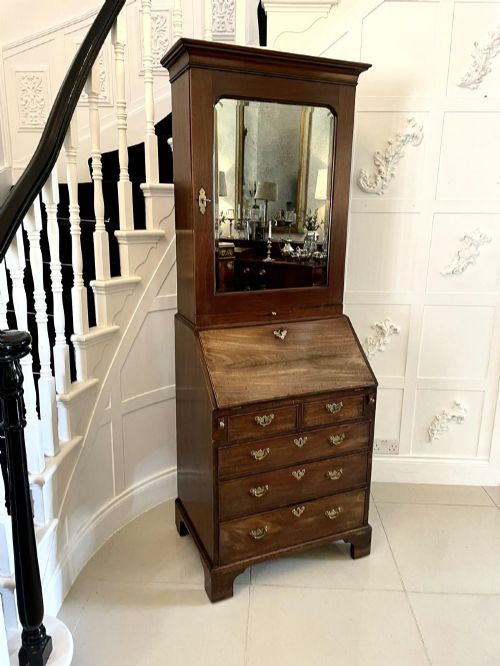
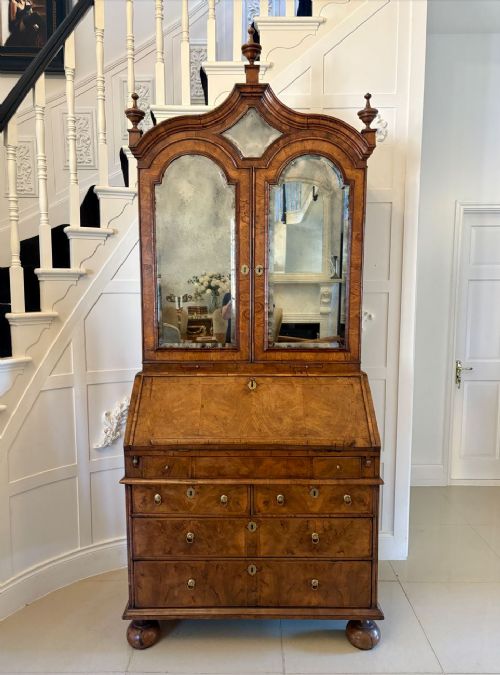
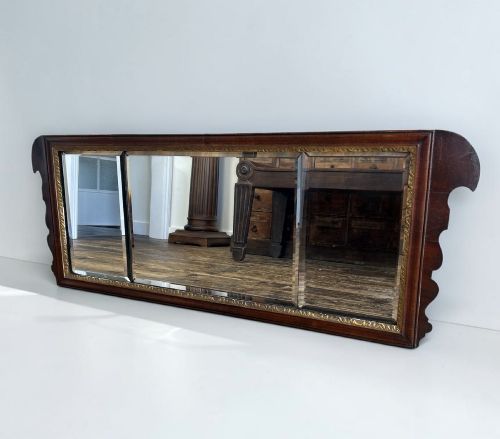
An 18th century georgian mirror encompasses wall-hanging pier glasses, fret-cut frames, and smaller toilet or dressing table mirrors designed to sit upon surfaces. The versions you are most likely to meet on this page are mahogany frames with fretwork, walnut toilet mirrors, and giltwood wall pieces.
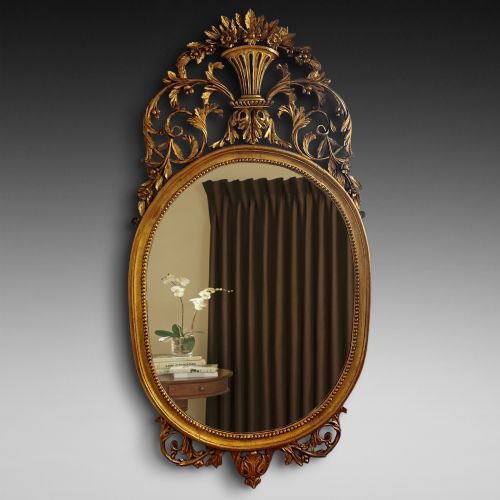
The objects span reigns from Queen Anne and George I through George II and George III, utilising woods like mahogany, walnut, and burr veneers alongside carved gesso and gold leaf. Many incorporate original mirror glass, mercury plates, and parcel gilt highlights that mark their period origins.
How they were made
Cabinetmakers constructed these frames using solid timbers and decorative veneers such as burr walnut and mahogany, often applying crossbanding, boxwood inlay, and featherbanding to enrich the surfaces. Carved elements relied on gesso applied over wood bases, then gilded with gold leaf to catch the light.
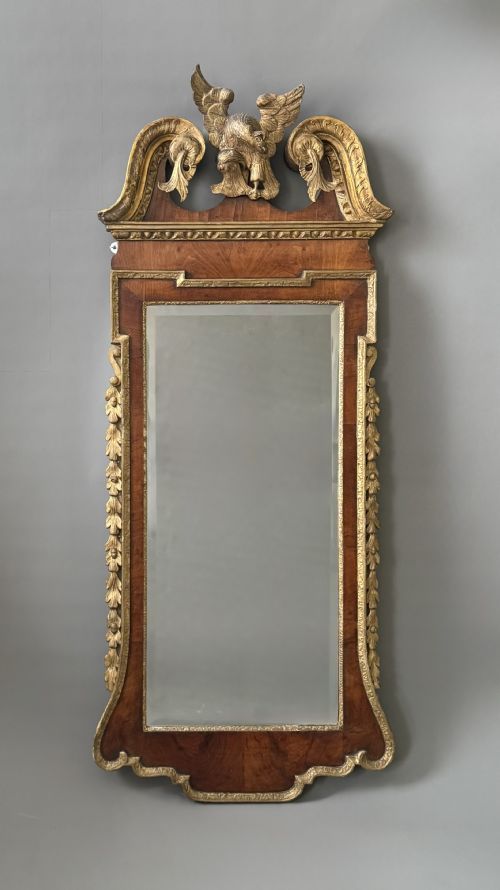
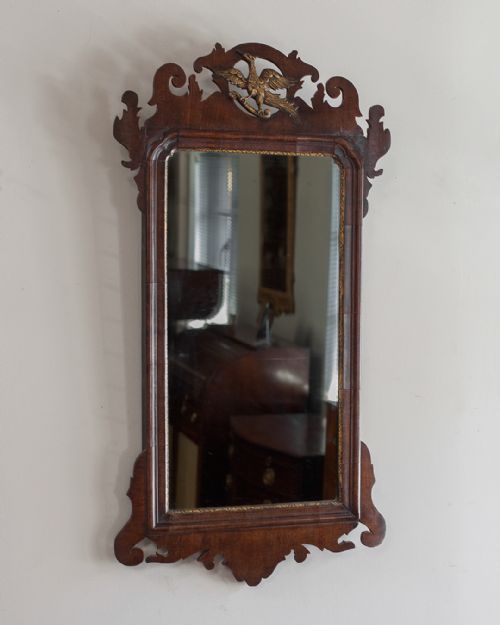
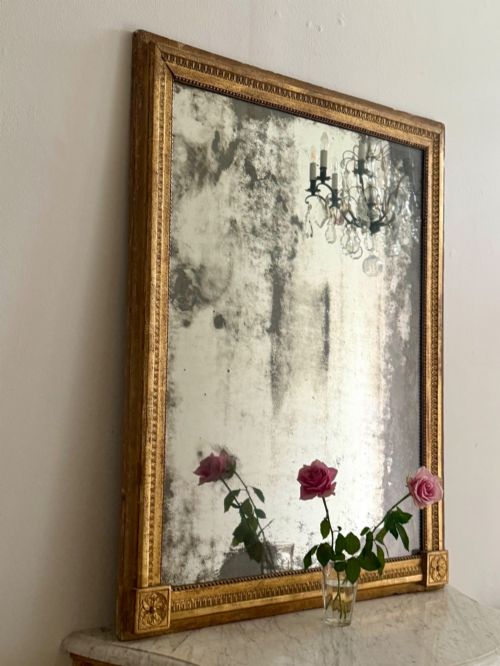
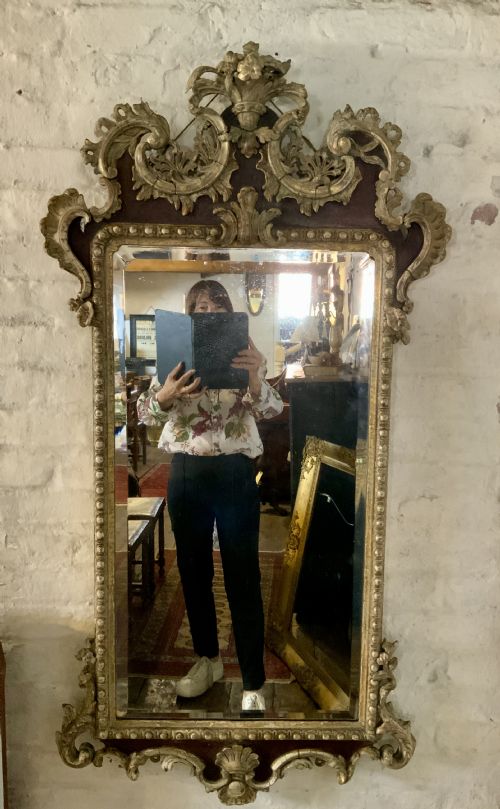
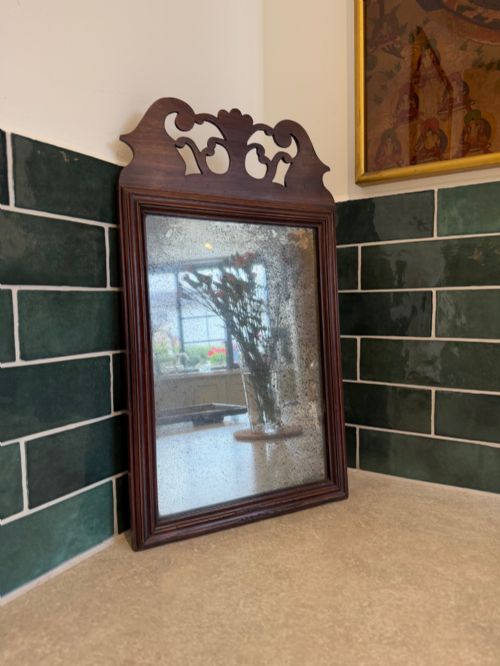
Glass plates were silvered or utilised mercury techniques, resulting in the distinctive foxed appearance found on untouched 18th-century examples. Fretwork frames were meticulously hand-cut, frequently featuring pierced silhouettes like the Ho-ho bird at the crest.
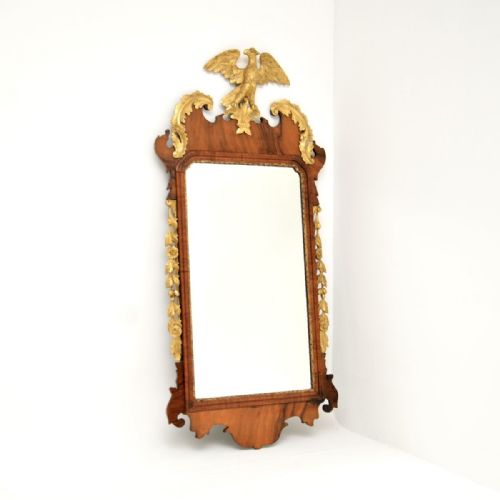
Look closely at the carved fretwork crests to spot cheerful Ho-ho birds keeping watch over your reflection.
What varies in quality
Quality rests in the crispness of the hand-carved gesso, the depth and figure of the walnut or mahogany veneers, and the survival of original mirror plates and gilding. Pieces displaying refined fretwork proportions and untouched secondary woods command greater regard among collectors.
Lesser examples show softened carved detail, later replacement glass, or unskilful repairs to the fragile fret-cut ears and crestings. The relationship between the mirror plate and the primary frame determines the visual harmony of the finished piece.
The 18th Century Georgian Mirror Glossary
- Fret mirror
- A wall mirror featuring a flat wooden frame with intricate pierced or jigsaw-cut outlines. These frames were popular throughout the Georgian period.
- Gesso
- A plaster-like mixture applied to a wooden base and carved before gilding. It provides the crisp relief work seen on giltwood frames.
- Mercury glass
- Mirror glass produced using a tin-and-mercury amalgam backing before modern silvering methods. It ages with a mottled, dark reflective surface known as foxing.
- Parcel gilt
- A finishing technique where portions of a wood or painted surface are highlighted with gold leaf. It contrasts warm mahogany or walnut with gleaming gold.
- Toilet mirror
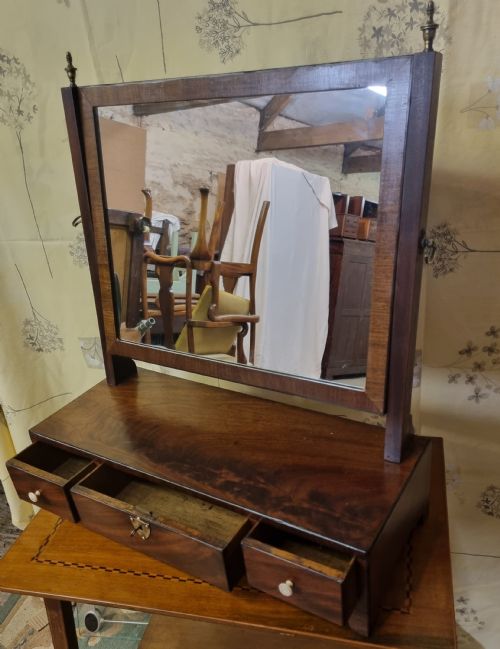
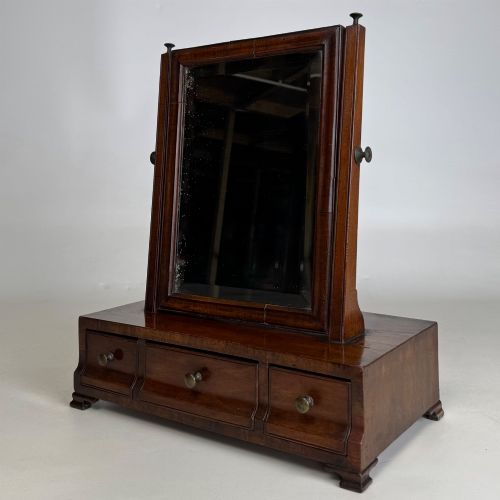
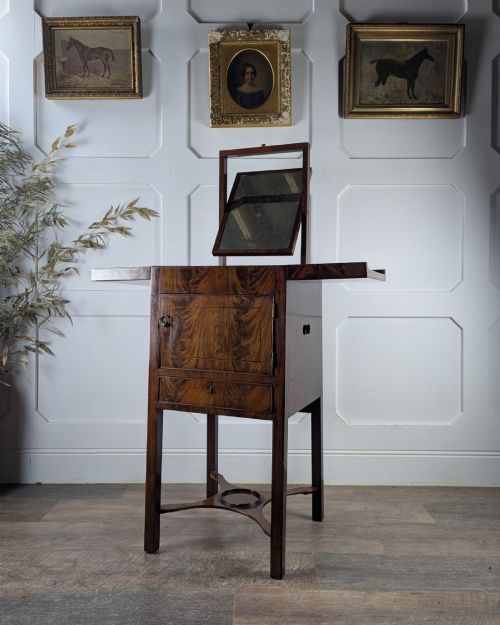
- A small dressing glass supported on a swinging frame above miniature drawer bases. They were placed on tables for grooming.
18th Century Georgian Mirror: Frequently Asked Questions
What is a fret mirror?
A fret mirror is an 18th-century wall glass defined by its flat, intricately pierced wooden frame. Cabinetmakers used scrollwork and shaped outlines to create lightweight decorative pieces.
These mirrors often featured gilded bird motifs at the top crest and were designed for principal rooms.
How do I spot mercury glass?
Mercury glass displays a characteristic dark, mottled speckling across the reflective surface, known as foxing. This occurs as the old amalgam backing degrades naturally over centuries.
Original plates offer a softer, deeper reflection than modern mirror glass replacements.
Where were toilet mirrors used?
Toilet mirrors sat upon dressing tables, chests, or washstands in bedrooms and dressing rooms. Their small drawers provided secure storage for small personal items.
Gentlemen and ladies utilised them daily for shaving and arranging wigs or powdered hair.
What is parcel gilt?
Parcel gilt refers to furniture and mirrors where only specific carved details are coated in gold leaf. This technique lets the natural grain of walnut or mahogany show alongside gilded highlights.
It was a favoured method to add brightness to dark timber frames during the Georgian era.