


Georgian Fold Leaf Table
A georgian fold leaf table offers remarkable versatility and period charm, folding neatly against a wall when not in use.
Georgian Fold Leaf Table
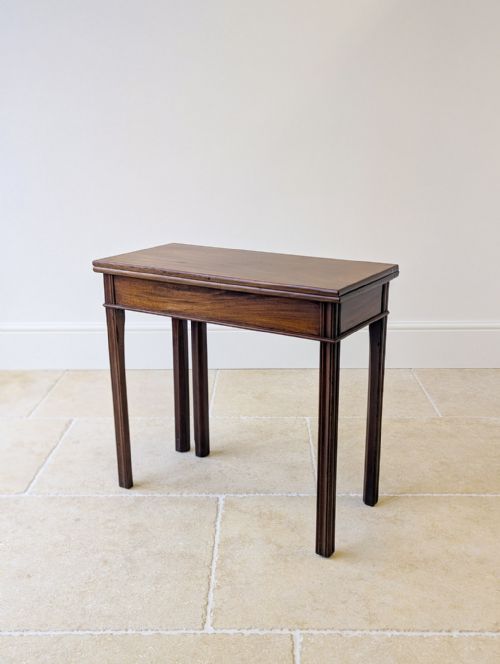
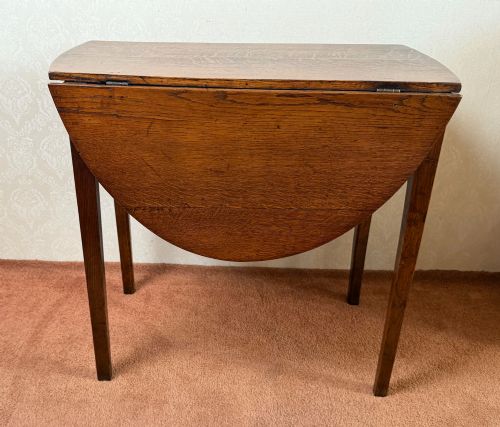
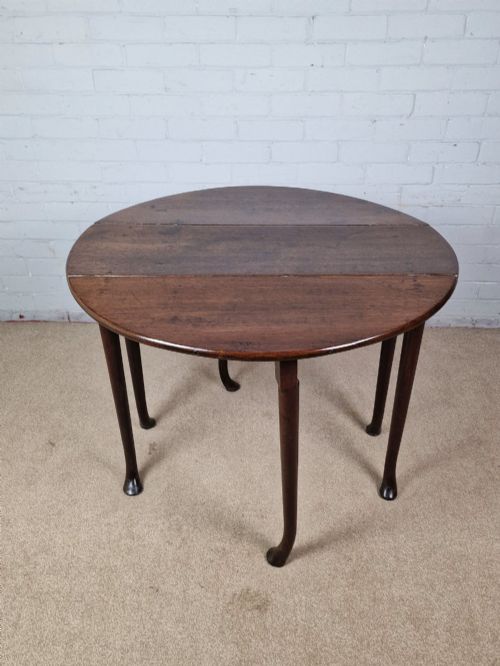
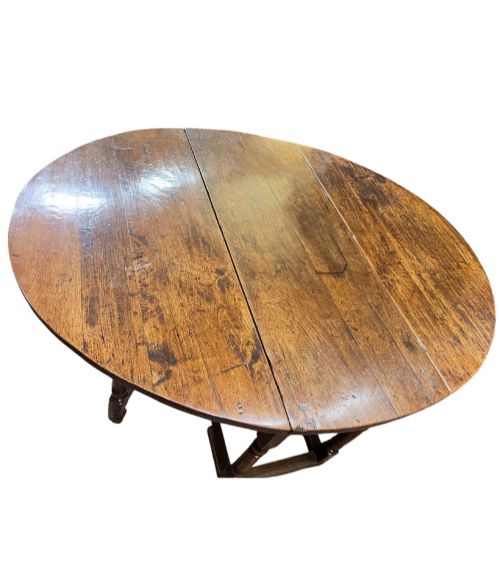
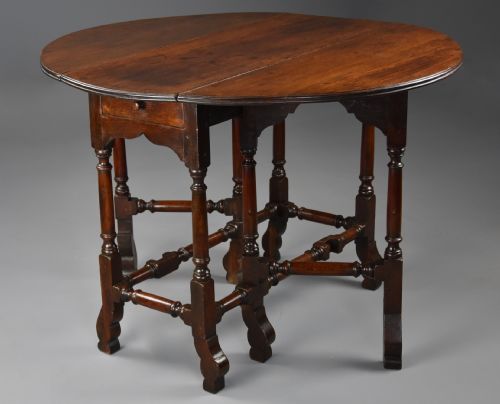
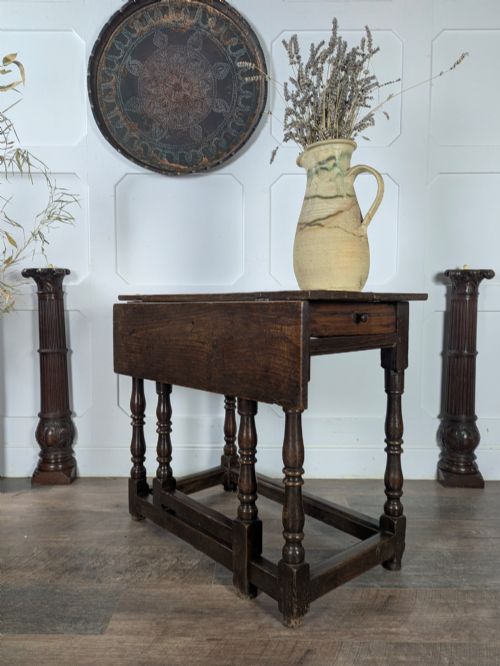
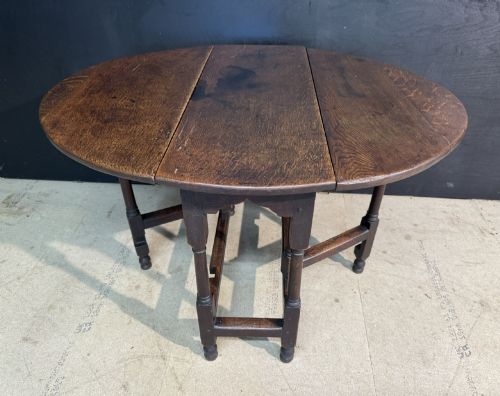
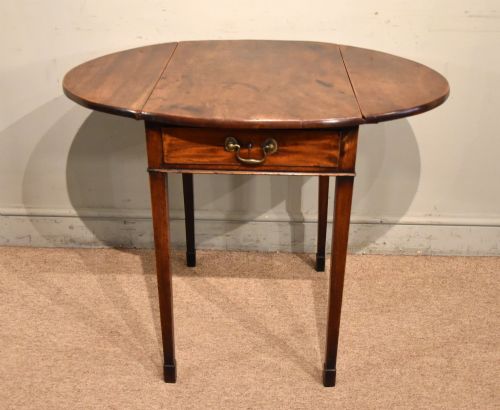
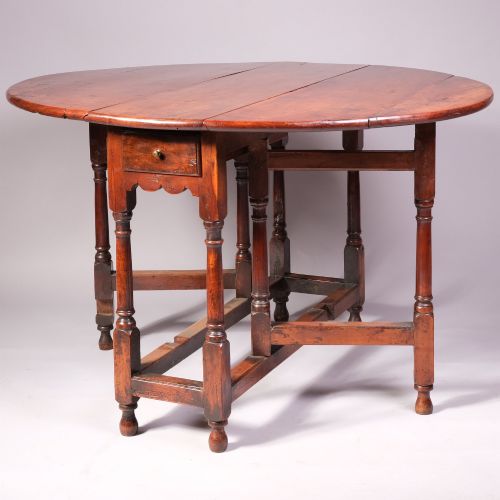
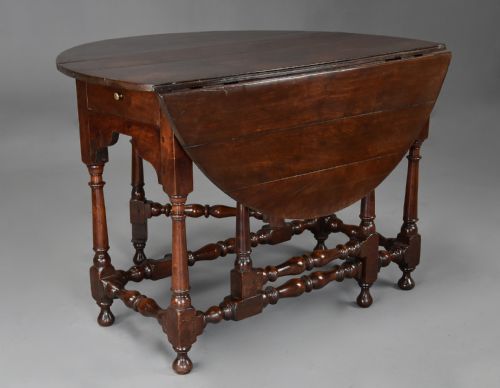
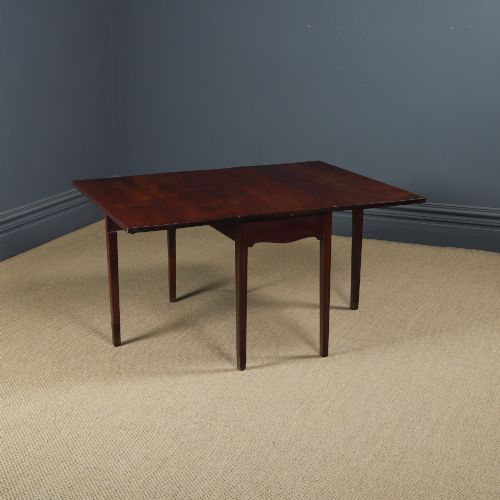
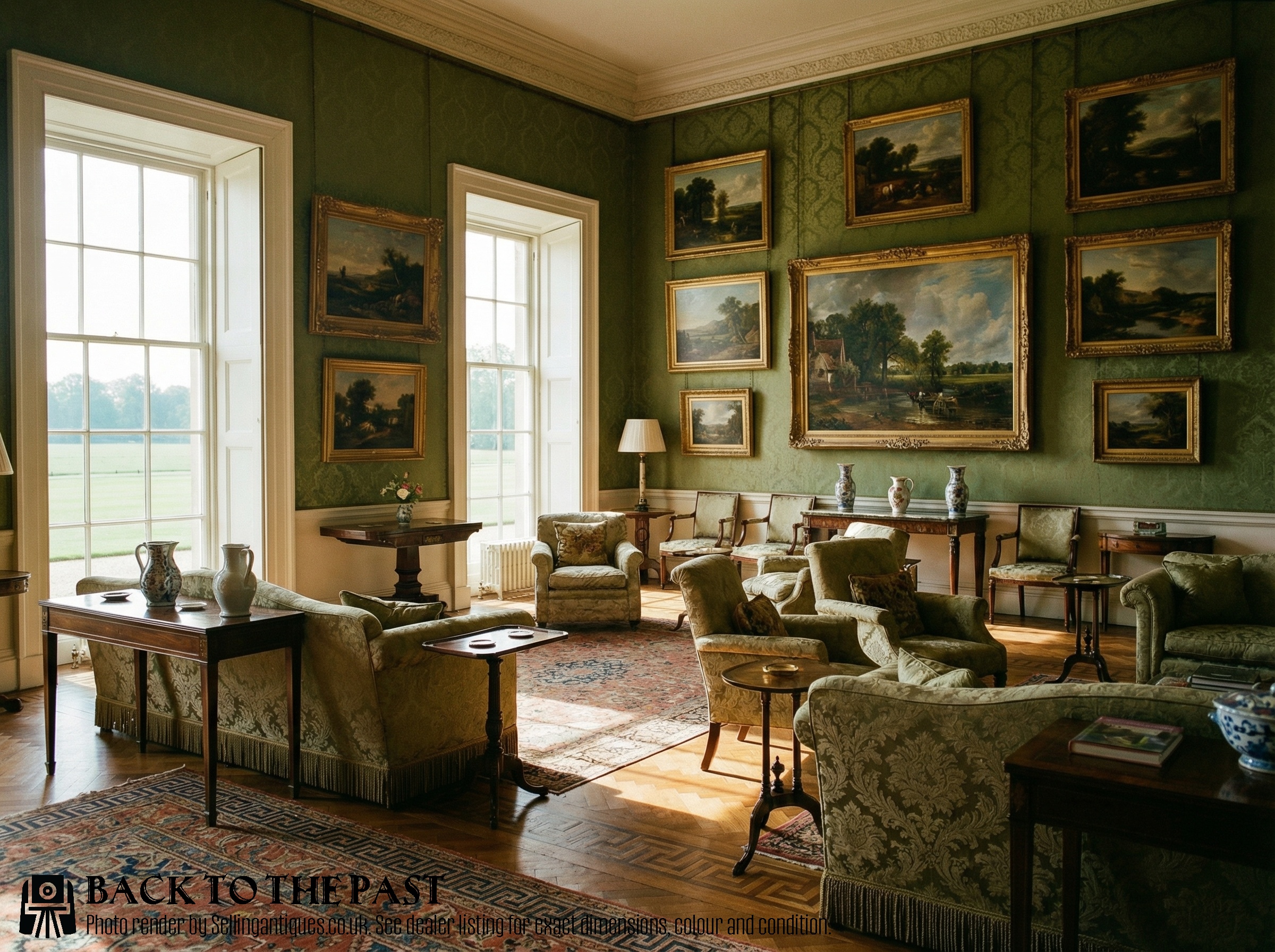
A georgian fold leaf table encompasses functional designs intended to save space in domestic interiors while providing ample surface area for dining, writing, or playing games when opened. The selection on this page leans heavily toward gateleg, drop-leaf, and pembroke forms originating from the eighteenth and early nineteenth centuries.
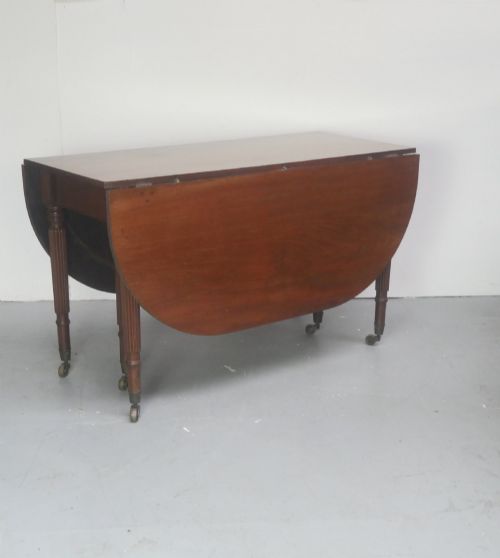
Buyers regularly encounter sturdy oak and walnut gateleg examples from the early 1700s alongside refined mahogany card and dining tables dating through the Regency period. These pieces reflect the evolving social habits of British households, adapting from simple kitchen and supper tables to more decorative parlour furnishings.
Materials and construction
Cabinetmakers relied primarily on native timbers like oak and walnut for early pieces, transitioning to imported mahogany and decorative veneers such as satinwood as trade expanded. Solid boards formed the plank tops and drop leaves, supported by hinged flaps and swing legs designed to bear weight securely.
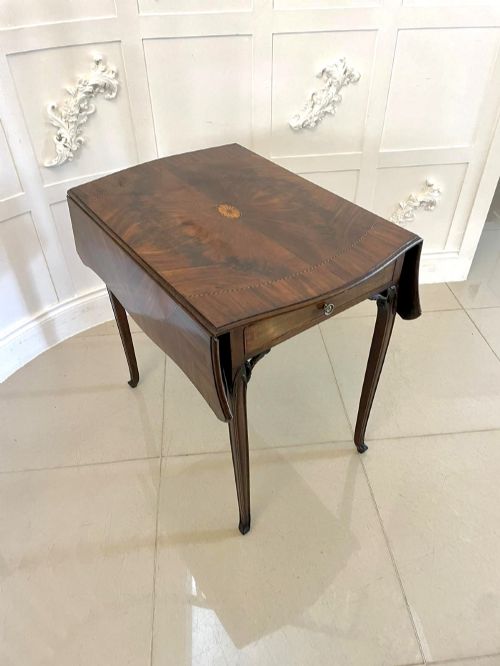
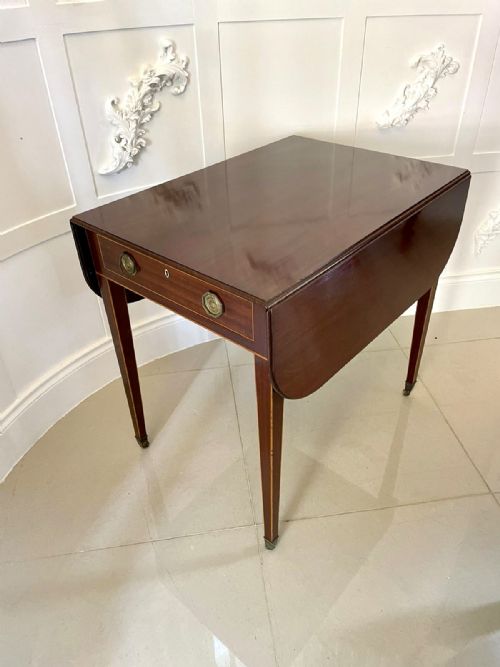
Joinery techniques involved sturdy mortise and tenon frames, complemented by turned baluster legs or slender spider legs depending on the period. Inlays of boxwood and brass hardware added decorative contrast to later mahogany Pembroke and card tables.
Georgian Fold Leaf Table Retail Price Guide 2026
Typical asking prices for georgian fold leaf table among the pieces listed under this phrase on Sellingantiques today, from the lower quarter to the upper quarter. They describe what is for sale here now, not the wider market.
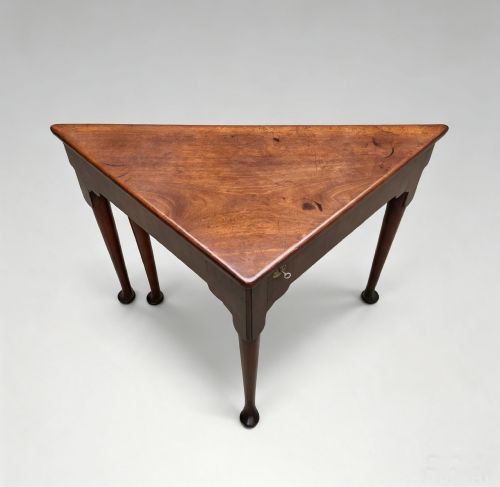
Several hankerchief tables feature triangular folding tops designed specifically to fit snugly into eighteenth-century corner spaces.
Factors of quality
Quality rests upon the selection of timber figures, such as flame mahogany or rich yew wood, and the preservation of original patination through centuries of use. The crispness of carved details, inlay work, and hand-cut joinery distinguishes provincial workshop pieces from metropolitan cabinet work.
Structural integrity remains central, as the hinges and pivoting gate legs must operate smoothly without undue sagging in the drop leaves. Original timber thickness, minimal restoration, and matching grain patterns across the leaves elevate a piece within the range.
The Georgian Fold Leaf Table Glossary
- Gateleg table
- A table with hinged leaves supported by swing legs that move outward like a gate to hold the leaves upright. This form maximises surface area while allowing the piece to fold flat.
- Pembroke table
- A small rectangular table featuring two hinged drop leaves on opposing sides, frequently fitted with a single drawer. These nimble tables served multiple domestic purposes from breakfasting to writing.
- Card table
- A foldover table designed specifically for gaming, featuring a hinged top that opens to reveal a baize-lined surface. Many examples include small wells or compartments for counters.
- Patina
- The deep lustre and surface texture developed on wood over decades through handling and waxing. A well-preserved patina indicates age and authentic care.
- Drop leaf
- A hinged section of a tabletop that hangs down when unsupported and lifts to extend the surface. It provides the defining mechanism for this entire category of furniture.
Georgian Fold Leaf Table: Frequently Asked Questions
How did people use these tables historically?
These tables served primarily as adaptable furniture in spaces where floor area was at a premium. Families folded the leaves down against walls during the day to clear rooms for movement, raising them only for dining or social activities.
Card and games tables provided entertainment during evening gatherings, while pembroke tables functioned as movable writing desks or breakfast stands. Their mobility allowed domestic staff to rearrange rooms quickly according to the household's daily schedule.
How can I tell the period of a folding table?
Dating relies on examining the timber species, leg turning styles, and construction hardware. Early pieces from the seventeenth and early eighteenth centuries typically utilise solid oak or walnut with heavy baluster legs and pegged joinery.
Later eighteenth and early nineteenth-century examples shift toward mahogany, incorporating slender tapered legs, intricate string inlay, and brass hinges. Checking the underside and drawer construction reveals hand-tool marks consistent with specific eras.
Can I use a antique folding table daily?
These pieces were built for robust everyday service and remain entirely functional for modern living. Solid timber construction and dependable gateleg mechanisms allow them to support meals and everyday objects reliably.
Care should be taken to support the drop leaves properly when raising them, avoiding excessive weight on unsupported edges. Using coasters and protecting the surface from moisture preserves the finish during regular use.
Where should I place a drop leaf table?
A drop leaf table fits exceptionally well in smaller dining rooms, hallways, or living spaces where flexibility is required. Placing one leaf down against a wall creates a compact console table that opens fully when guests arrive.
Card tables often sit flat against a drawing room wall with decorative items placed on top until needed for play. Pembroke tables function effectively beside seating or as small bedside stands.