
Georgian Fireplace Irons
Georgian fireplace irons are hearth tools forged and cast for domestic fires, combining practical utility with period metalwork.
Georgian Fireplace Irons
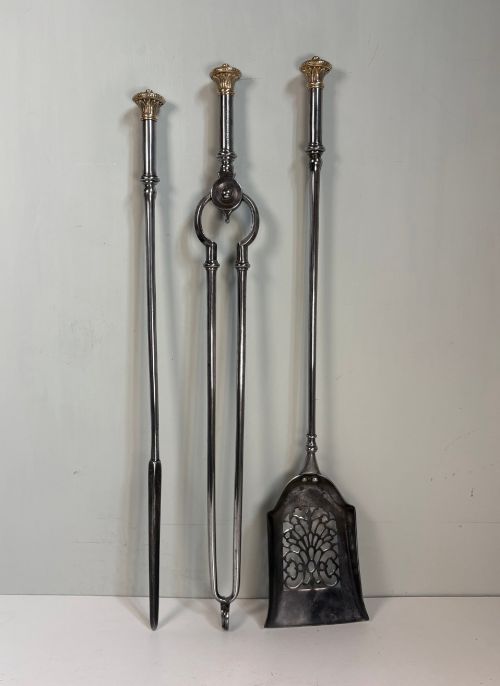
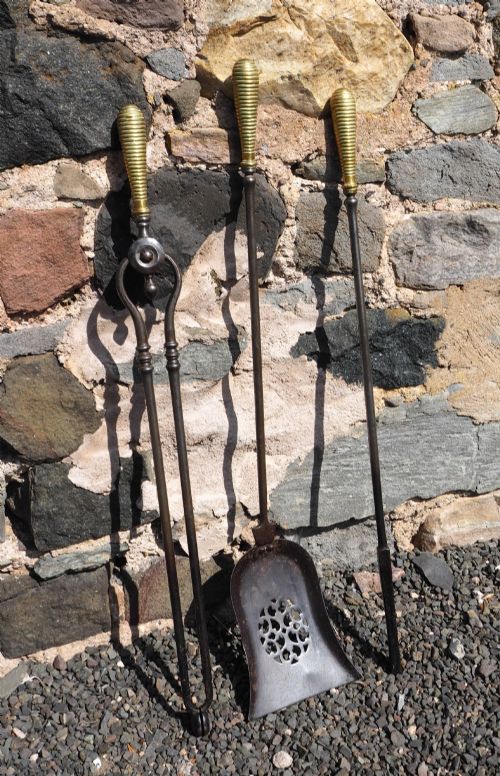
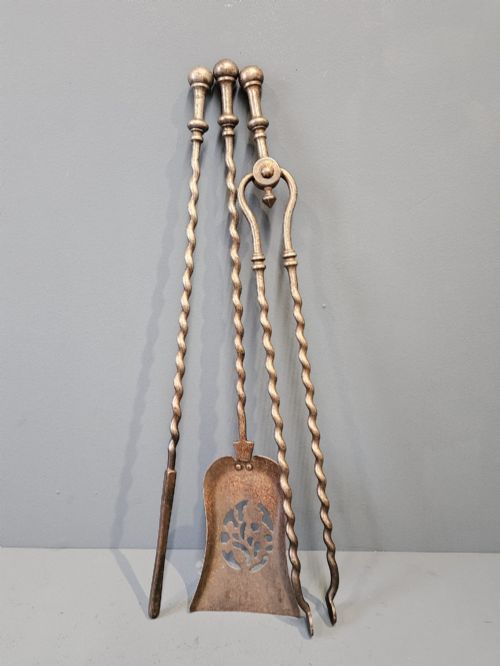
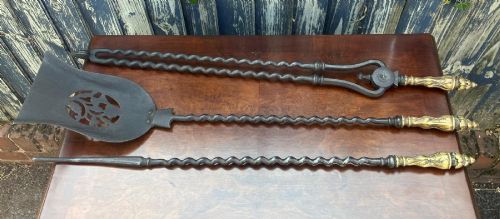
Georgian fireplace irons comprise sets of hearth tools designed for tending coal and wood fires in period interiors. These sets typically include pokers, tongs, and shovels fashioned to manage the grate and control the hearth.
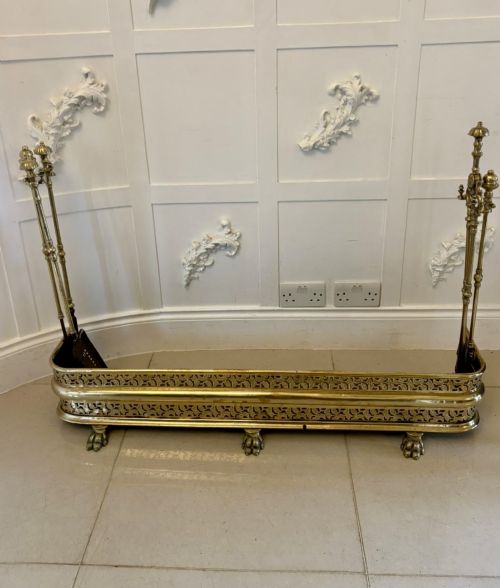
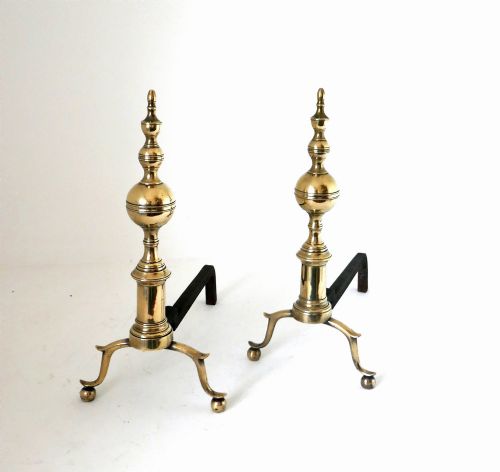
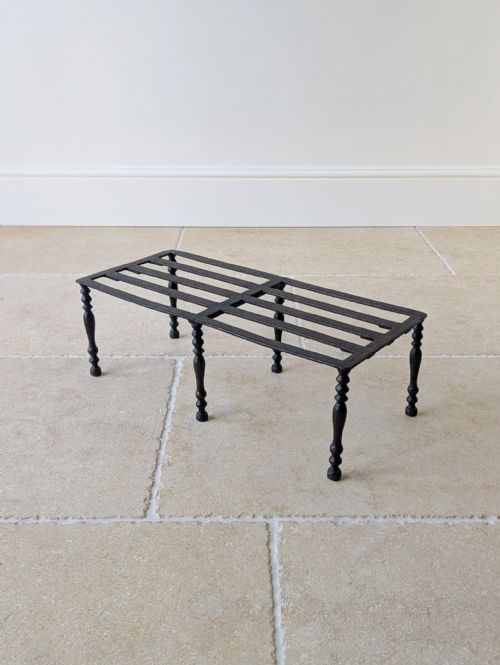
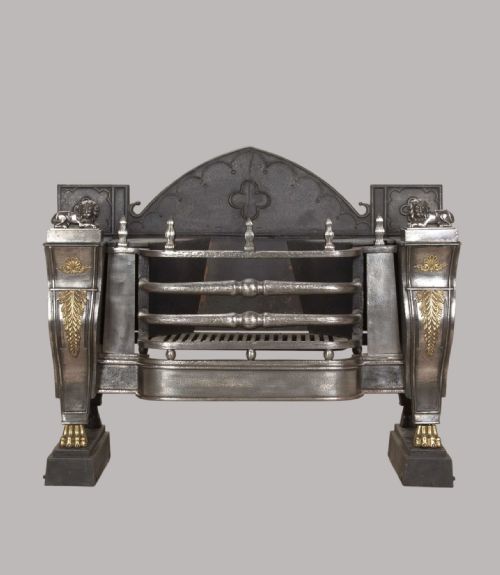
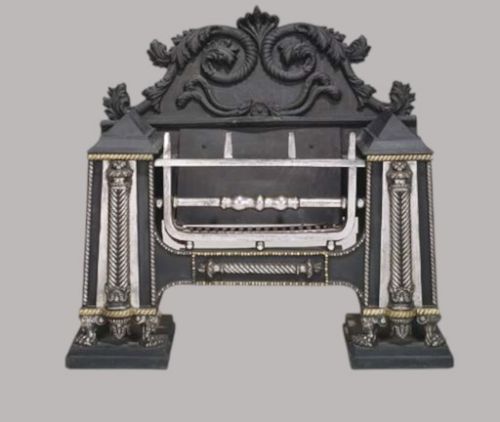
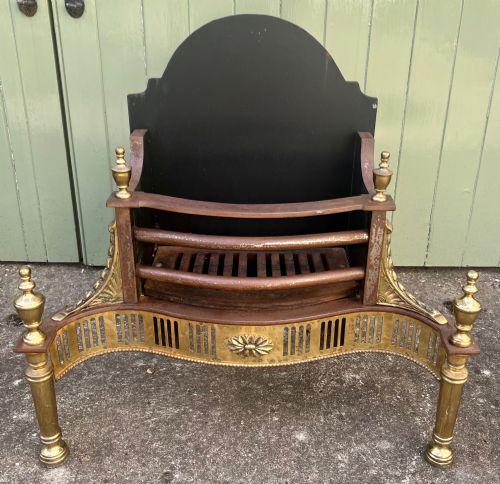
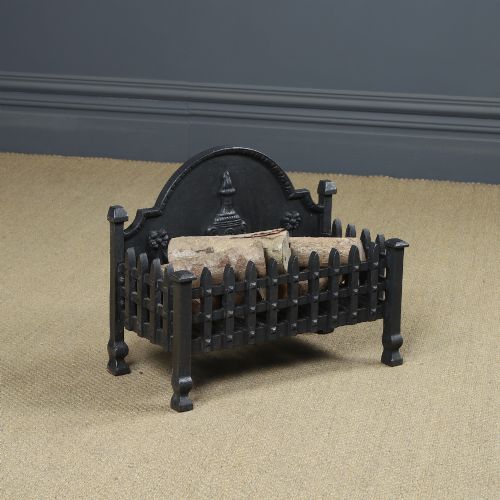
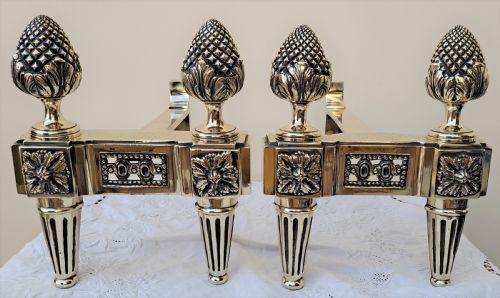
Makers utilised these tools alongside related hearth furniture such as fenders, fire dogs, and grates to complete the fireplace arrangement. Their presence demonstrates the functional requirements of period heating alongside decorative intent.
How they were made
Smiths and metalworkers shaped these irons using steel, wrought iron, and cast iron, often pairing them with brass handles and mountings. The combination of forged iron shafts and turned brass details provided durability at the business end and visual contrast at the grip.
Hand-forging techniques produced the rigid shafts and shaped shovel blades, while turning and casting created decorative finials and terminals. Artisans worked the metal while hot to draw out points and shape terminal loops.
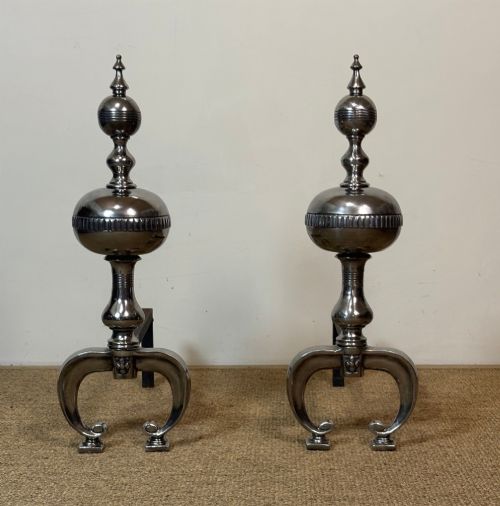
Polished steel surfaces appeared on finer examples, requiring careful finishing to achieve a bright reflection against the hearth. Brass components were cast and subsequently turned on a lathe to refine their profiles.
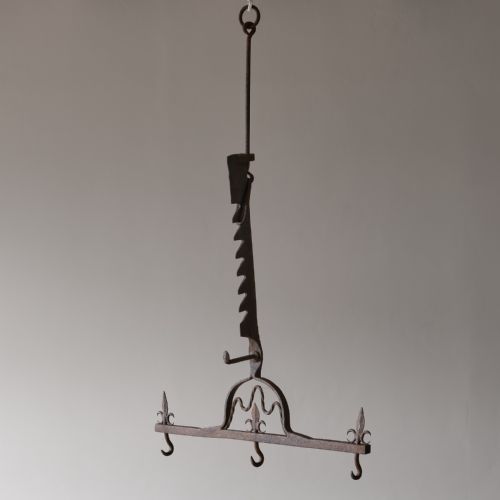
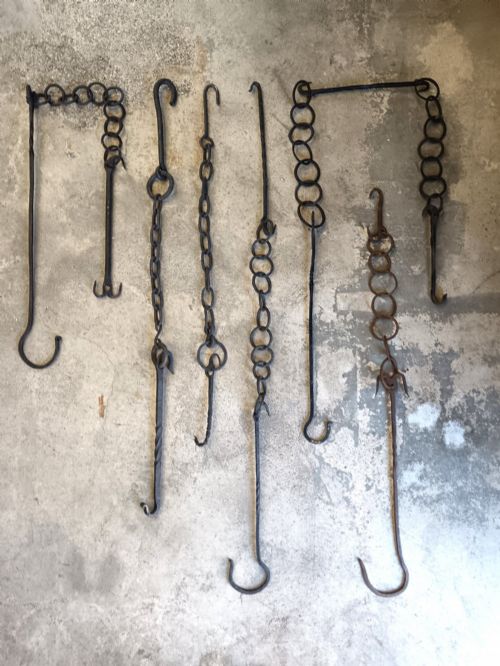
Some nineteenth-century makers supplied mechanical spit jacks alongside fire irons to ensure the roast turned evenly while the hearth was tended.
What varies in quality
The refinement of the terminal design and the weight of the metal distinguish superior sets from utilitarian examples. Heavier gauge steel and substantial brass castings indicate a higher grade of production intended for formal reception rooms.
Proportion and balance across the matching tools dictate the success of a set. Well-designed irons display harmonious scaling between the grip, the shaft, and the functional end, whether shovel, poker, or tongs.
John Linwood of Birmingham
The Georgian Fireplace Irons Glossary
- Fire irons
- Implements used for tending a domestic fire, usually comprising a poker, tongs, and shovel. These sets stood beside the hearth in dedicated stands or rested against fenders.
- Wrought iron
- Iron beaten and shaped while hot by a blacksmith using a hammer and anvil. This material offers fibrous strength well suited to weight-bearing hearth equipment.
- Cast iron
- Iron melted and poured into a mould to take a precise shape. It provides rigidity and detail for grates and fire backs.
- Polished steel
- Steel finished to a bright, reflective surface through grinding and abrasive polishing. This treatment was favoured for formal nineteenth-century hearth furniture.
- Finial
- The decorative terminal ornament at the top of a tool handle or andiron. These elements reflect the prevailing classical or neoclassical taste of the period.
Georgian Fireplace Irons: Frequently Asked Questions
What is included in a set of fireplace irons?
A standard set typically comprises a poker, a pair of tongs, and a shovel designed to manage coal or wood fuel. These three implements match in style and metalwork to present a unified appearance on the hearth.
Additional pieces such as footmen or fenders sometimes accompanied the irons in larger domestic settings. Together, they formed the complete equipment required to maintain an open fire.
How do you distinguish Georgian irons from later copies?
Authentic period pieces show hand-forged construction marks, subtle asymmetries, and wear patterns consistent with use over centuries. Tool marks on the iron shafts reveal the hand of the blacksmith rather than modern machine fabrication.
Materials also offer guidance, as nineteenth-century workshops employed specific brass alloys and steel preparations distinct from later reproductions. Examining the construction of the joints and handles clarifies the date of manufacture.
Were these irons used daily?
Many sets served a practical function in domestic hearths before becoming decorative items in later eras. The wear visible on shovel blades and poker tips records active service in period drawing rooms and kitchens.
Finer polished steel sets often saw less rigorous use, remaining primarily ornamental elements within formal fireplace surrounds. Their survival depends on how frequently the metal was cleaned and protected from dampness.
How should brass and steel irons be cleaned?
Gentle dusting and occasional light waxing preserve the stable surface of period brass without removing the character of the metal. Aggressive metal polishes strip away historical patination and can damage delicate surfaces.
Steel components require protection against rust through the application of microcrystalline wax or specialist oils. Keeping the irons in a dry environment prevents further oxidation.