




Georgian Fire Fender
A georgian fire fender frames the hearth with period weight, combining polished metal and protective wire to anchor the room.
Georgian Fire Fender
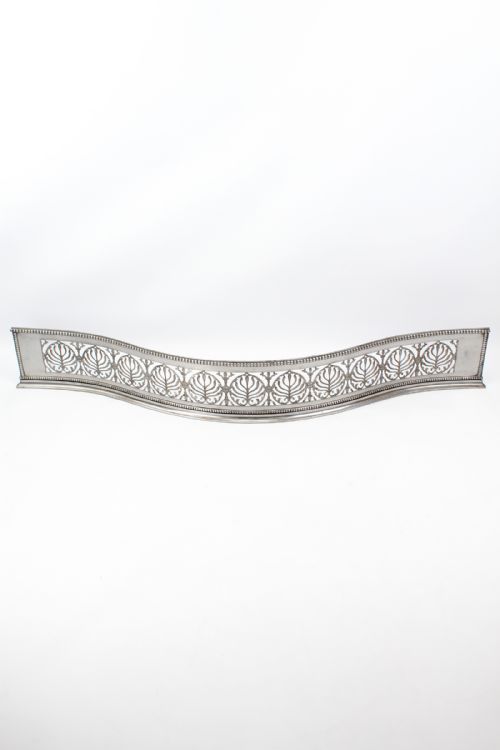
A georgian fire fender sits directly on the hearth to contain stray embers and protect the room from an open grate. The examples seen here span distinct periods including Georgian, Regency, and Victorian, with the serpentine steel curb standing as a frequent formal expression.
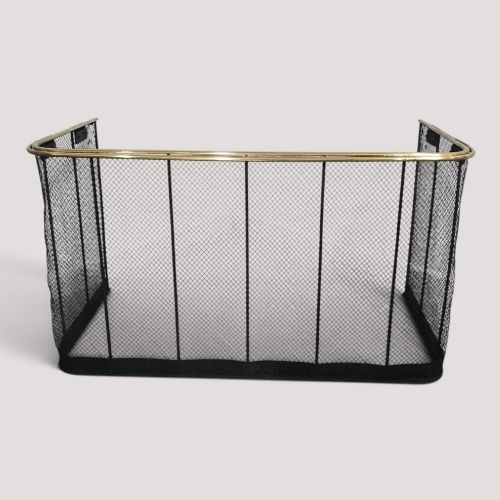
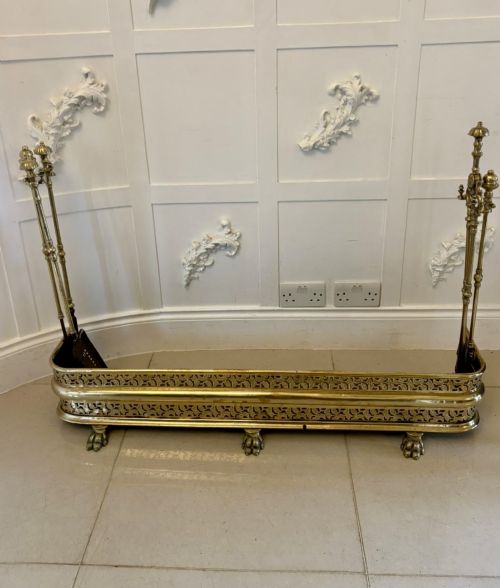
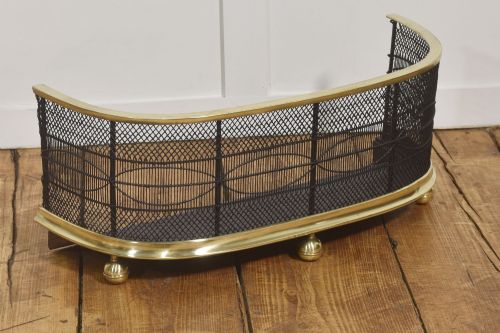
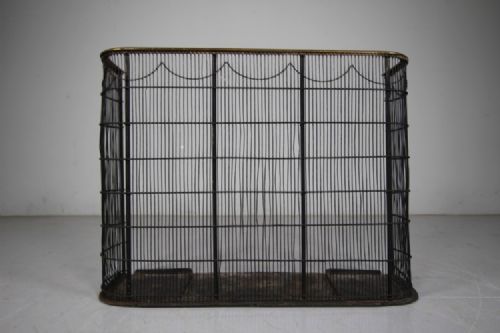
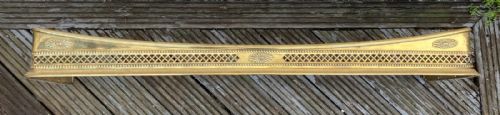
Makers shaped these guards from heavy brass, polished steel, and cast iron, often forming low curbs or taller nursery guards with wire mesh. Many pieces combine a solid brass top rail with iron framework, or incorporate pierced decorative panels along the front.
The collection includes low hearth fenders alongside taller nursery fire guards and club fenders designed for seating. These hearth accessories range from compact forms to long curbs measuring over four feet.
How they were made
Smiths utilised solid brass, cast iron, and polished steel, hammering and piercing the metal sheets to create decorative patterns. The evidence shows fine engraving alongside cut-steel work and woven iron wire mesh.
Workers joined heavy metal frames using traditional mechanical fixings, combining cast brass components with wrought iron wirework. Polished steel surfaces required careful hand finishing to achieve the reflective quality seen on serpentine curbs.
Some nursery guards came equipped with matching brass fire irons, ensuring the hearth stayed tidy when the children went to bed.
What varies in quality
The distinction between standard utility guards and top-tier examples lies in the depth of hand piercing and the weight of the metal used. Superior pieces display crisp engraving along the serpentine front and retain original fire irons or heavy brass claw mounts.
Quality shows in the precision of the joinery and the survival of the original wire mesh or polished steel surfaces. Lesser examples rely on plain cast iron without decorative piercing, while finer ones reflect the neoclassical styles associated with Adam designs.
The Georgian Fire Fender Glossary
- Serpentine
- A gentle curving shape with a convex centre flanked by concave wings. This contour appears frequently on Georgian steel fire fenders.
- Curb fender
- A low metal barrier placed around the hearth to keep logs and coal inside the fireplace. These pieces sit directly on the floor.
- Nursery guard
- A taller protective screen designed to keep children away from open flames. They often incorporate woven iron wire mesh.
- Club fender
- A heavy hearth fender featuring upholstered top rails for seating. They combine brass frameworks with padded surfaces.
- Pierced decoration
- Metal sheets perforated with geometric or floral patterns. This technique lightens the visual weight of heavy brass and steel.
Georgian Fire Fender: Frequently Asked Questions
How do I measure for a fire fender?
Measure the width and depth of your hearth space carefully before selecting a piece. Note that antique lengths vary, with some serpentine curbs exceeding four feet.
Ensure you account for the clearance needed around your fireplace opening. The fender should sit comfortably on the stone hearth without crowding the grate.
What is the difference between a curb fender and a nursery guard?
A curb fender is a low barrier that sits flat on the hearth to contain ash and rolling logs. They prioritise metal decoration and low profiles.
Nursery guards stand much taller and use wire mesh to create a complete protective enclosure. These taller frames shield the room from sparks.
How do I care for polished steel and brass?
Maintain polished steel and brass by keeping them dry and free from soot accumulation. Gentle cleaning preserves the historic surface without removing patination.
Avoid harsh chemical abrasives that can damage delicate pierced work or cut-steel details. Regular dusting keeps the metal bright.
Are these fenders suitable for modern fireplaces?
These pieces fit both traditional and contemporary hearths provided the dimensions align with your floor space. They add period character to working grates or decorative fireplace openings.
Check the internal measurements to ensure the fender clears your hearth surround. Many collectors use them purely for visual balance in period rooms.