


Georgian Era Wall Art
Georgian era wall art encompasses centuries-old oil paintings, engravings, watercolours, and maps that anchor a room with period character.
Georgian Era Wall Art
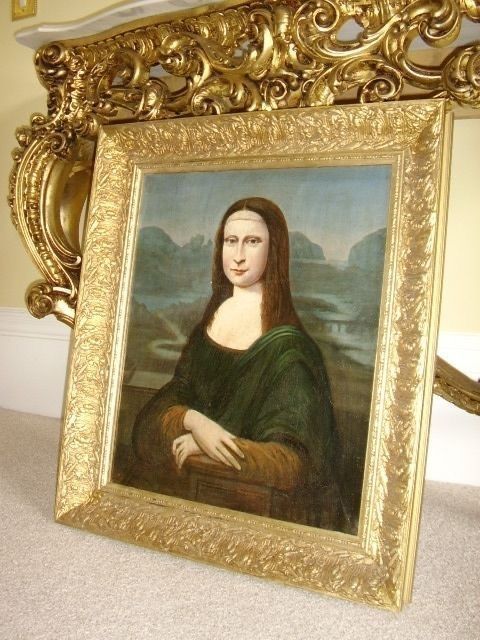
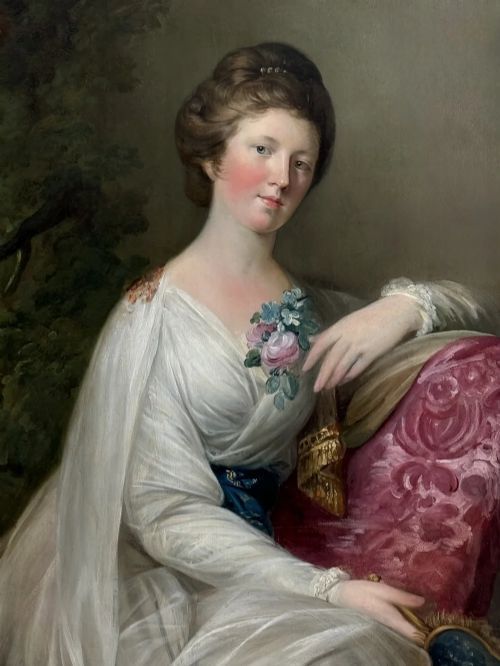
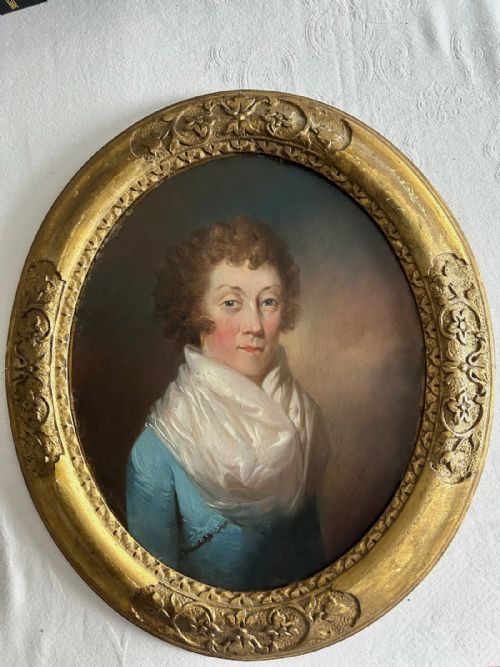
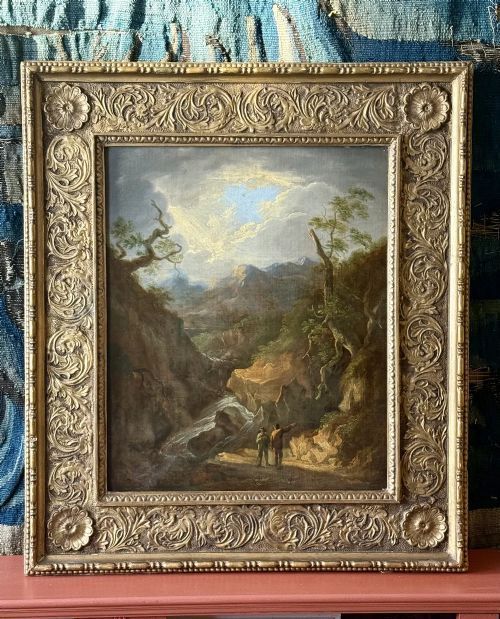
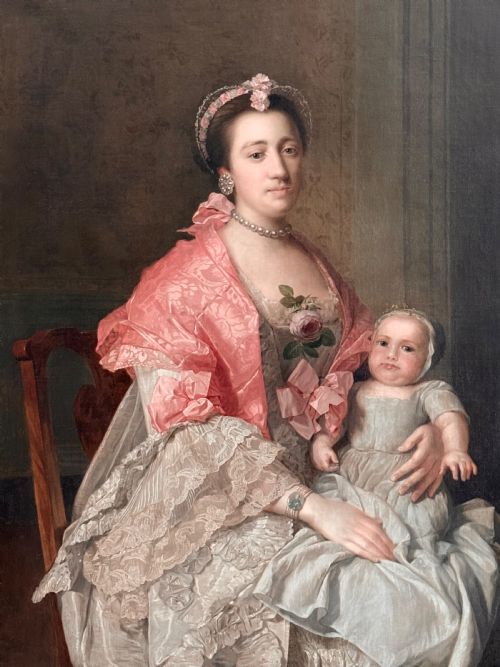
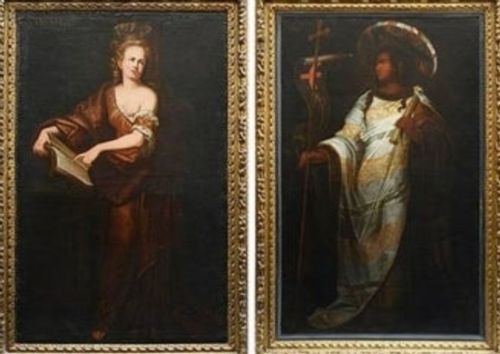
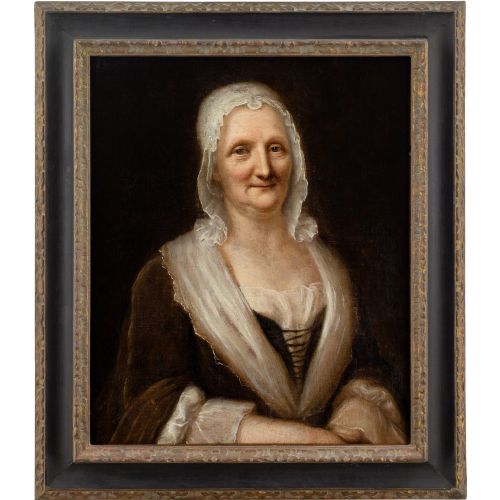
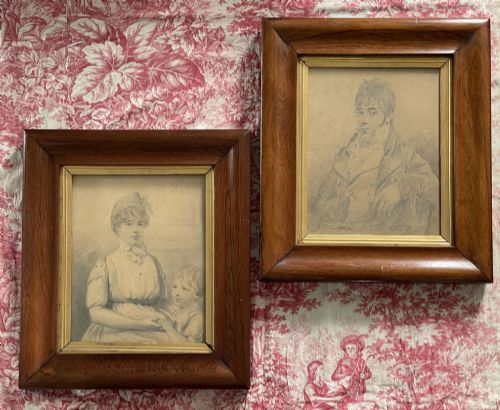
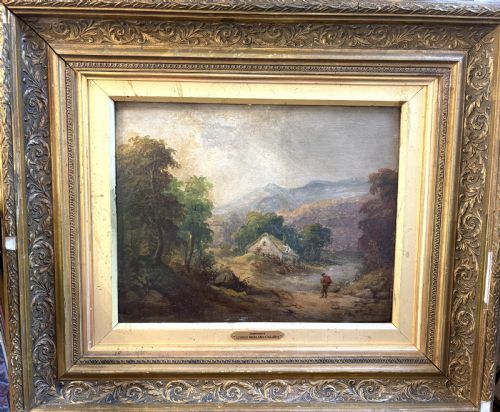
Georgian era wall art includes framed oil paintings, watercolours, pastels, engravings, and maps spanning the eighteenth and early nineteenth centuries. The majority of pieces encountered here take the form of portraiture, landscapes, and historical prints from English, French, German, and Dutch schools. Buyers searching this phrase look for authentic period works on canvas, paper, wood panel, and board.
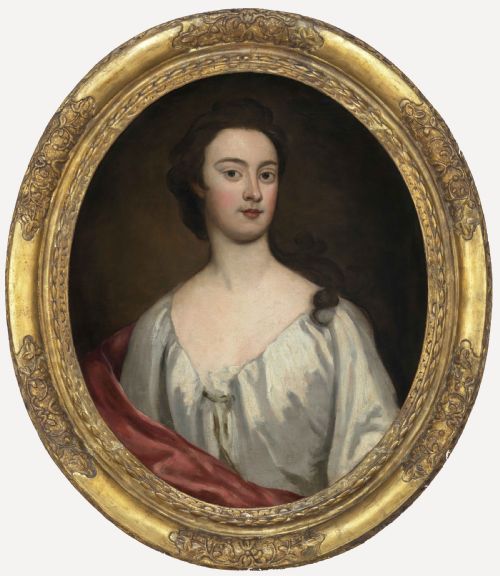
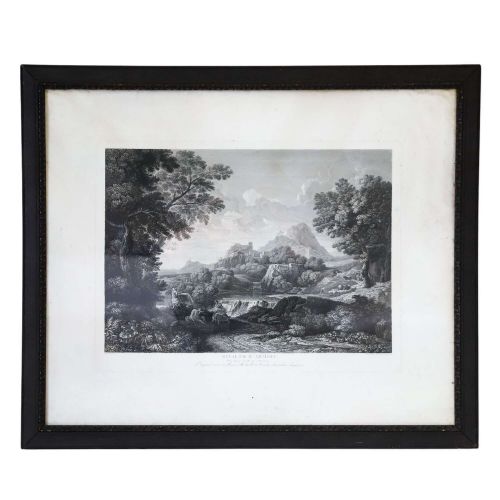
Portraits of sitters from the eighteenth and early nineteenth centuries dominate the available forms, alongside topographical maps, engravings, and architectural studies. Pieces frequently originate from specific artistic circles such as the Norwich School or continental European workshops. These works reflect the aesthetic priorities of the Georgian and Regency periods through classical composition and traditional portraiture.
Materials and techniques
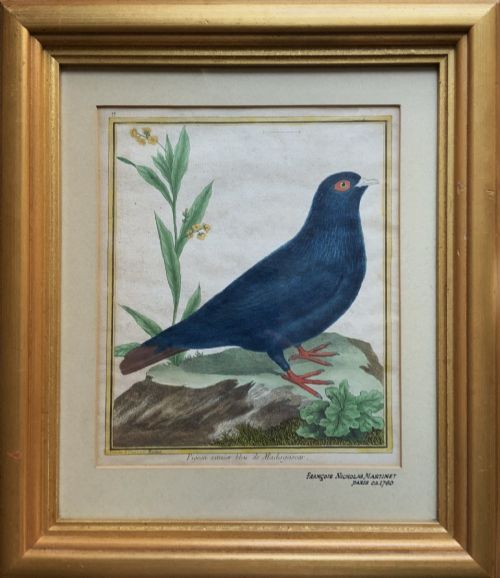
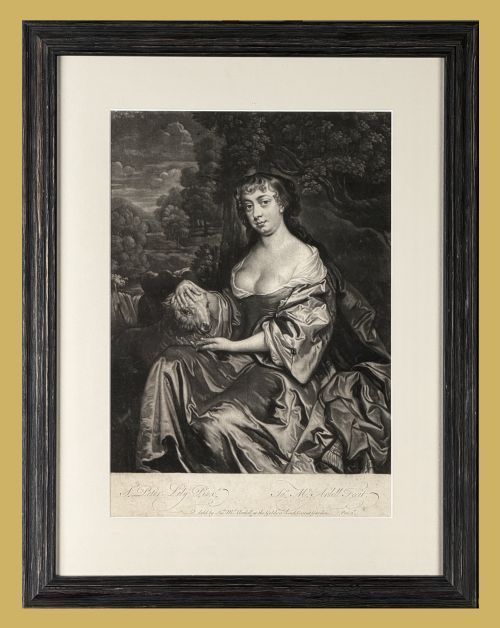
Makers utilised oil paint on canvas and wood panel, alongside watercolour, gouache, pastel, and graphite on paper. Printmakers employed engraving and mezzotint techniques to reproduce famous portraits and illustrations, often applying hand colouring to the finished prints. Original frames frequently incorporate giltwood and carved wood to house these works.
Artists painted directly onto prepared canvas or wooden boards, while draughtsmen worked with ink, graphite, and coloured pigments on paper sheets. Engravers incised metal plates to produce detailed prints, sometimes enhanced with metal embellishments or delicate hand-applied watercolours. Framing materials range from simple wood surrounds to ornate gilt mouldings appropriate to the period.
The listings feature works from the eighteenth century, the Regency period, and the nineteenth century, utilising oil, paper, wood, and giltwood.
Factors determining quality
Quality in these works rests upon the skill of the draughtsmanship, the nuance of the brushwork, and the preservation of the original medium. Hand-coloured details on engravings and the subtlety of expression in oil portraits distinguish finer examples from standard decorative output. The survival of an original frame also contributes significantly to a piece's integrity.
The attribution to a known artist, school, or engraver elevates a piece within the hierarchy of period wall art. Works displaying confident handling of light, anatomical precision, and well-preserved pigments command greater attention from collectors. Condition plays a role, particularly the stability of the canvas or paper and the minimal intervention of later restorations.
Sir William Beechey·George Willison·Benjamin Barker Of Bath·Sir Allan Ramsay·Margaret Sarah Carpenter·James Macardell·Sir Peter Lely·Jeremiah Davison·Thomas Gainsborough·George Morland·Sir Joshua Reynolds·Sir Thomas Lawrence·Johan Noah Bemmel·Samuel Lawrence·Jonathon Richardson·John Opie·J. Mitan
The Georgian Era Wall Art Glossary
- Mezzotint
- A printmaking process of the intaglio family where the artist works from dark to light to achieve tonal graduation. This technique was frequently utilised during the eighteenth century for reproducing oil paintings.
- Giltwood
- Wood that has been treated with a thin layer of gold leaf or powder. It forms the lustrous finish seen on many period picture frames.
- Regency
- The period in British history from 1811 to 1820, though the style extends slightly beyond these dates. In art, it is characterised by classical restraint and distinct portraiture conventions.
- Pastel
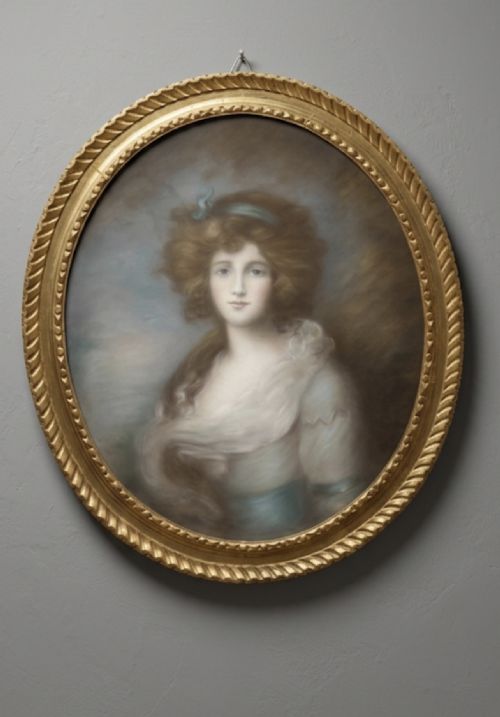
- A medium consisting of powdered pigment and a binder rolled into sticks. Regency artists utilised it alongside gouache for delicate portrait studies on paper.
- Chinoisserie
- A European decorative style in the eighteenth century that reflected Chinese artistic influences. It appears in painted plaques and decorative works of the period.
Georgian Era Wall Art: Frequently Asked Questions
How do I identify a genuine period portrait?
Examine the materials, stretcher frames, and canvas preparation for signs of eighteenth or early nineteenth-century manufacturing methods. Pigments and paper stocks also offer clues to the age of the piece.
Look for authentic wear consistent with age, such as craquelure in oil paintings or oxidation in paper. Attribution to documented artists or schools further supports the period authenticity.
What is the difference between an oil painting and a mezzotint?
An oil painting is a unique artwork created by an artist applying pigmented oils directly to canvas or wood. Every brushstroke is an original application by the maker.
A mezzotint is a printed multiple created from an engraved metal plate, often reproducing a famous oil painting for a wider audience. These prints were frequently hand-coloured after printing.
How should I care for antique paper art?
Keep works on paper away from direct sunlight to prevent fading of watercolours, pastels, and hand-coloured engravings. Stable humidity levels protect the paper fibres and prevent warping.
Ensure framing uses acid-free mounts and conservation glass to safeguard the medium from environmental damage over time.
Where were Georgian engravings typically displayed?
Engravings and maps were often framed to adorn domestic interiors, libraries, and study rooms during the eighteenth and nineteenth centuries. They provided an accessible way to display classical art and geographical knowledge.
Collectors also stored smaller engravings and sketches in leather-bound albums called scrapbooks alongside armorials and personal notes.