

Georgian Gentleman Canvas
When you search for georgian gentleman canvas, you are looking at oil paintings on canvas depicting male subjects from the eighteenth and early nineteenth centuries.
Georgian Gentleman Canvas
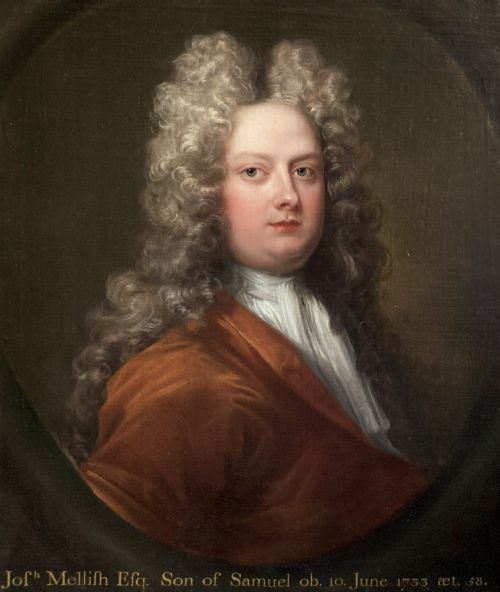
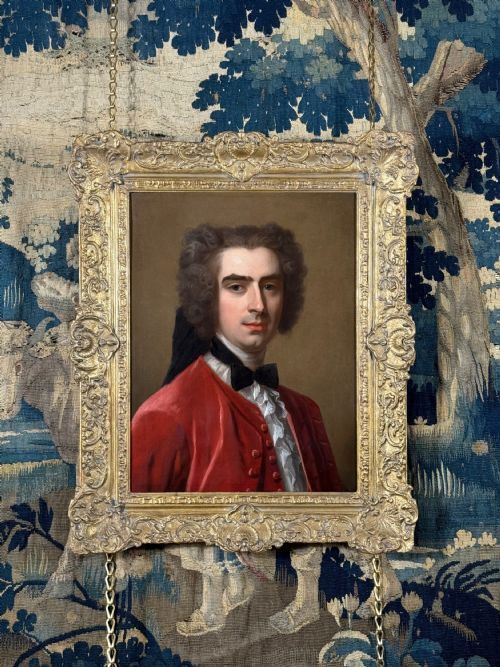
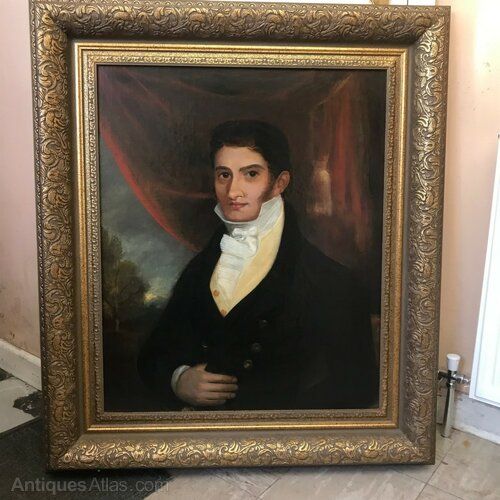
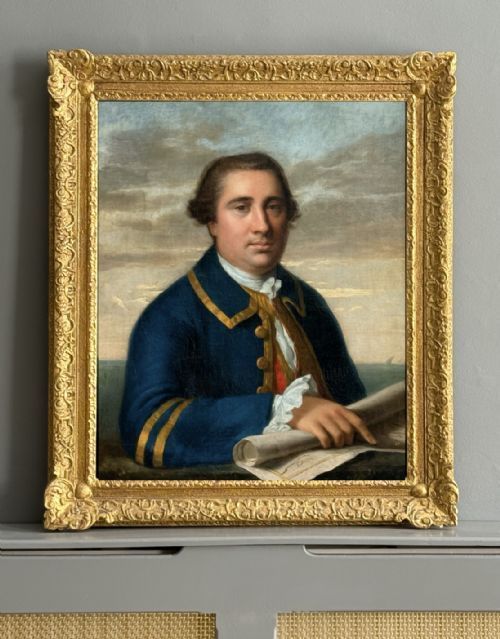
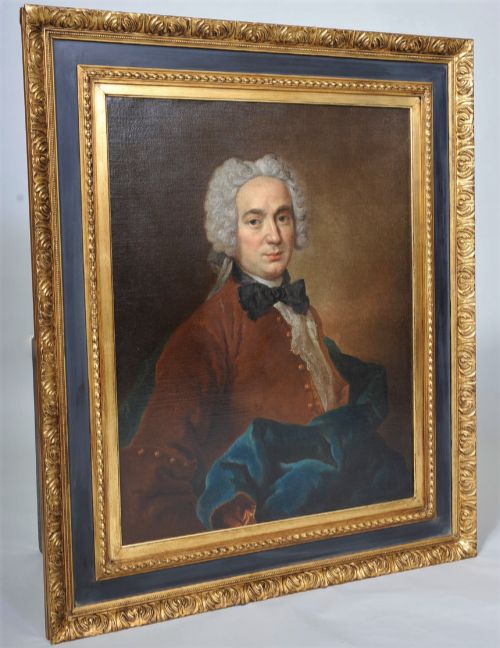
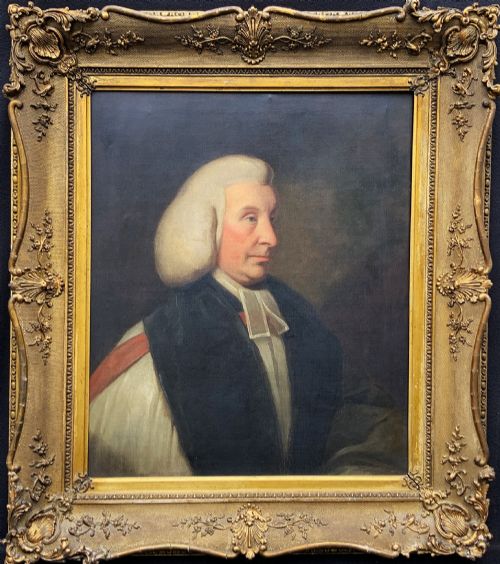
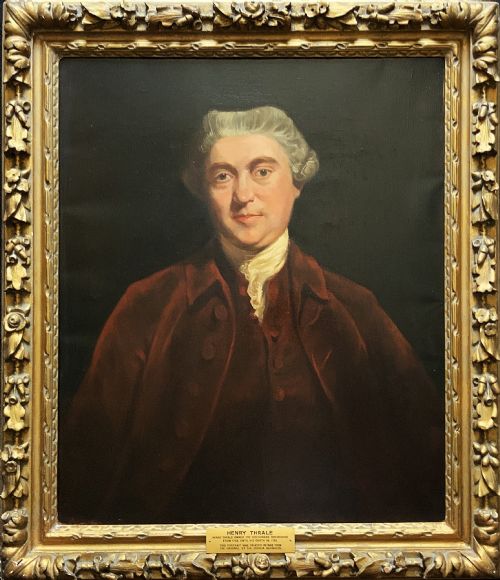
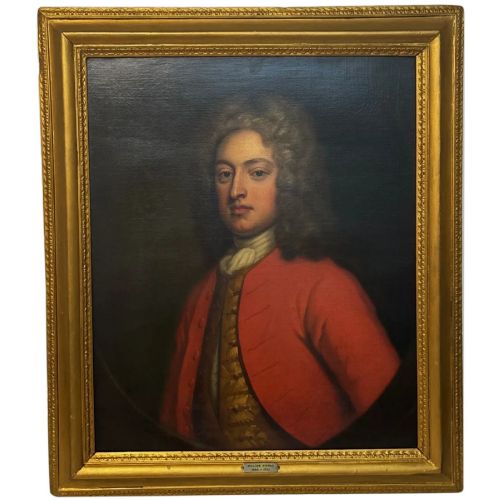
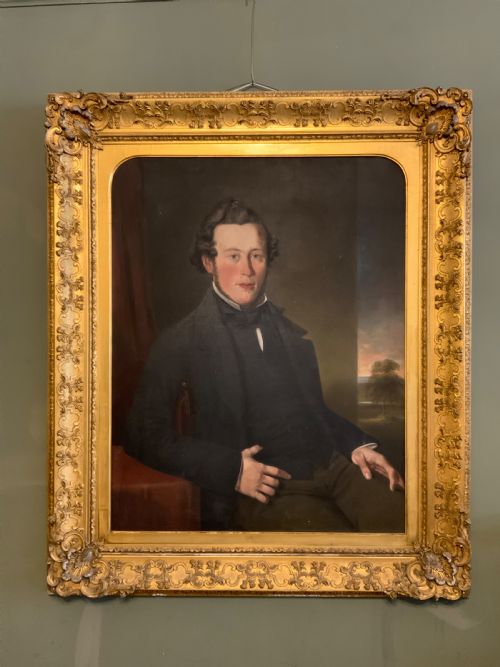
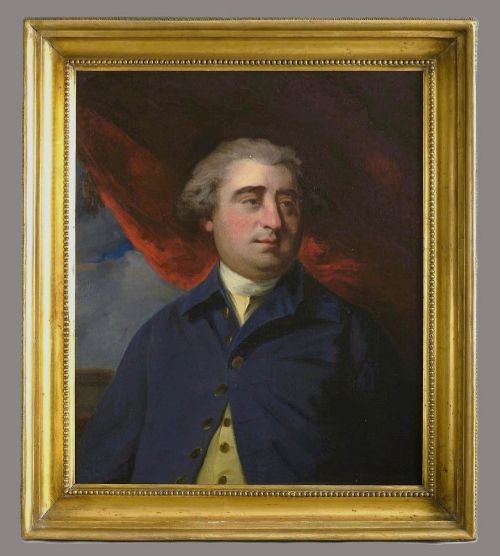
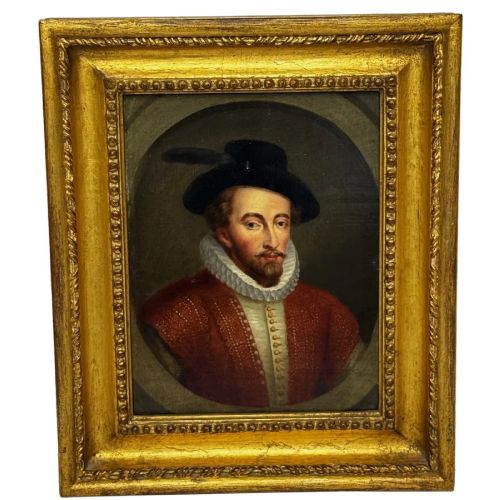
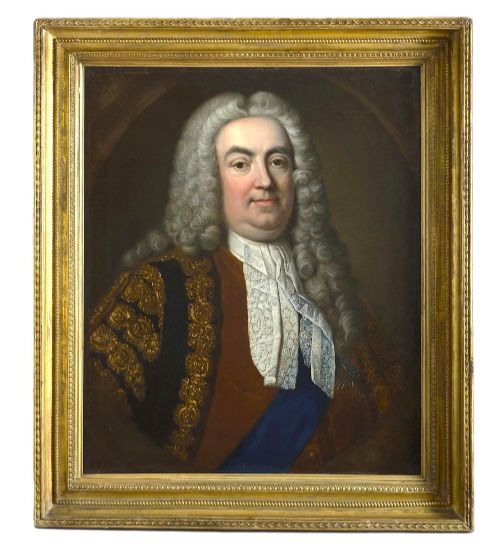
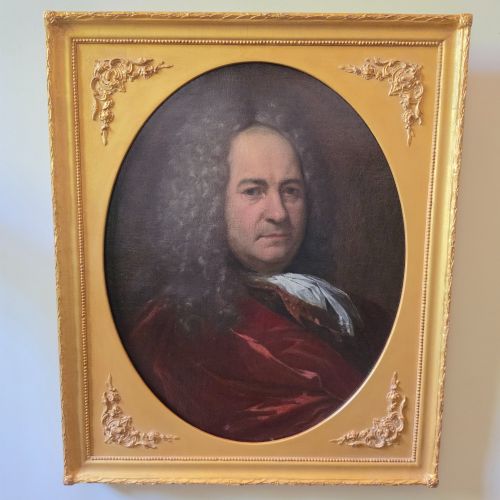
A georgian gentleman canvas typically presents a half-length or bust portrait of an identified or anonymous male subject, rendered during the eighteenth or early nineteenth centuries. These oil paintings capture merchants, physicians, military officers, and landowners dressed in the formal attire of their respective decades, such as crimson coats or lace jabots.
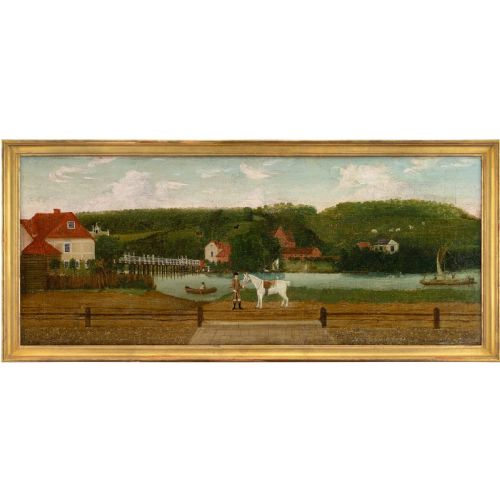
The selections available range from works attributed to named British and European portraitists to pieces originating from regional English and Scottish schools. Many examples show the subject posed with an identifying attribute, such as a pipe, a horse before an estate, or a skull, reflecting the sitter's profession or interests.
The prevailing formats span the seventeenth, eighteenth, and nineteenth centuries, with a strong representation of Regency and early Georgian periods. Buyers encounter both single portraits and paired works depicting gentlemen alongside ladies, housed variously in their original state or mounted on wood panels.
Materials and Technique
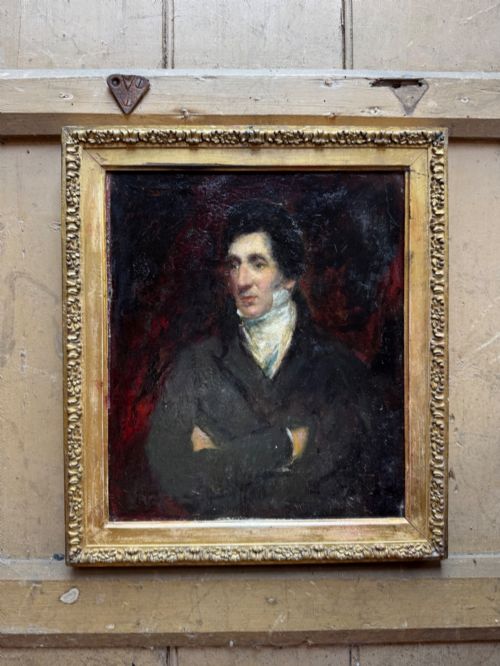
Many of these historic works retain their original giltwood or gesso frames decorated with gold leaf, providing a structural housing that complements the dark, rich palettes of the oil paintings.
Several gentlemen are immortalised gripping a smoking pipe, a skull, or posing alongside a horse before their riverside estate.
Variations in Quality
The distinction between works rests upon the anatomical precision of the hands and face, the depth of character captured in the sitter's expression, and the dexterity with which fabrics like velvet or lace are painted. Studio pieces executed by known practitioners or documented circles tend to demonstrate superior brushwork compared to anonymous provincial school paintings.
Condition also influences the standing of a piece, particularly the integrity of the unlined original canvas, the stability of the oil paint layer, and the survival of the period giltwood frame without excessive modern restoration.
Sir William Beechey·Charles Jervas·Jean-Baptiste Van Loo·Lemuel Francis Abbott·Sir Joshua Reynolds·Michael Dahl·Thomas Hudson·Francis Hayman·John Hamilton Mortimer
The Georgian Gentleman Canvas Glossary
- Oil on Canvas
- A painting medium where pigments are bound with drying oils, such as linseed, and applied to a stretched woven fabric support. This combination allows for rich colour blending and durability over centuries.
- Giltwood
- Wood that has been coated with a thin layer of gold leaf or gold paint, commonly used for ornate picture frames during the Georgian and Regency periods. It adds a reflective border that contrasts with dark portrait backgrounds.
- Gesso
- A paint mixture consisting of a neutral binder mixed with chalk, gypsum, or pigment, used as a prepared surface on wood frames before gilding. It provides a smooth base for the application of gold leaf.
- School
- A group of artists working in a particular region, period, or under the stylistic influence of a master. Listings frequently reference English School or Scottish School when the specific hand is unrecorded but the regional style is clear.
Georgian Gentleman Canvas: Frequently Asked Questions
What periods do these portraits cover?
The pieces span from the late seventeenth century through the eighteenth century and into the Regency era of the early nineteenth century. A small number of later interpretations or works after earlier masters also appear.
Most examples cluster around the mid-to-late Georgian period, reflecting the height of British portraiture traditions.
How were these paintings originally displayed?
These portraits were commissioned by families to hang in the wood-panelled libraries, halls, and drawing rooms of country estates and townhouses. They served to project the status, lineage, and professional achievements of the sitter.
Many remain in their period giltwood frames, which were chosen to complement the domestic interiors of elite Georgian homes.
How do I identify the sitter?
Some canvases include painted inscriptions, labels on the reverse, or archival records linking the portrait to a documented historical figure such as a physician, naval captain, or politician. Other works depict anonymous gentlemen whose identities were lost over time.
Objects held by the sitter, such as letters, medical instruments, or nautical gear, often provide clues to their profession.
Are the canvases original or restored?
Surviving works are found in various states, ranging from unlined original eighteenth-century canvases to those that have been lined for structural support or laid onto wood panels. Some pieces retain their original stretchers and grounds, while others have undergone past conservation.
Checking the reverse of the canvas often reveals stamps, old labels, or markers of previous restoration work.