


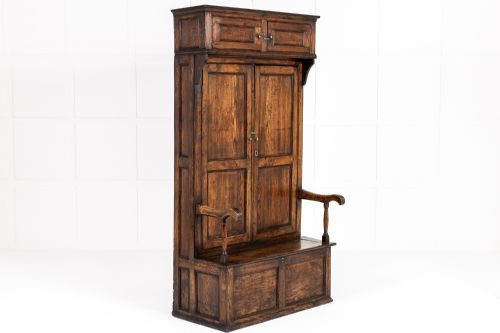
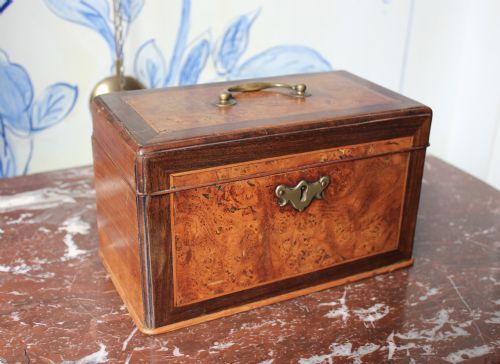


Georgian Elm Box
A georgian elm box is a robust domestic container, prized for its distinct grain and honest provincial character.
Georgian Elm Box
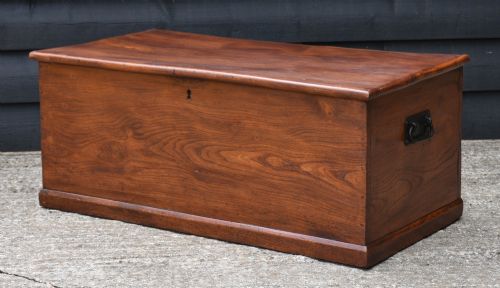
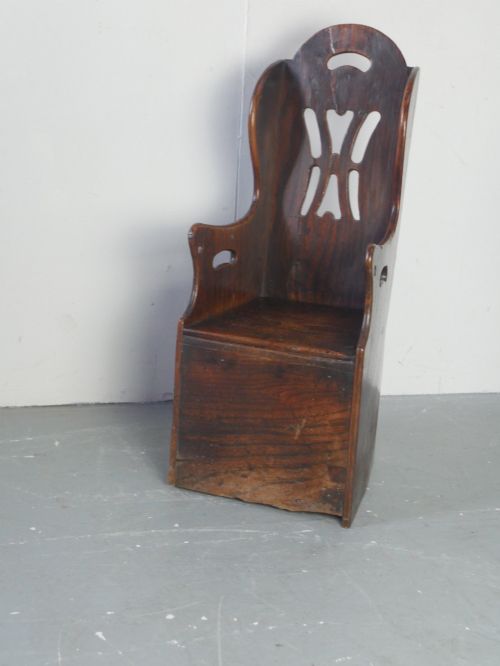
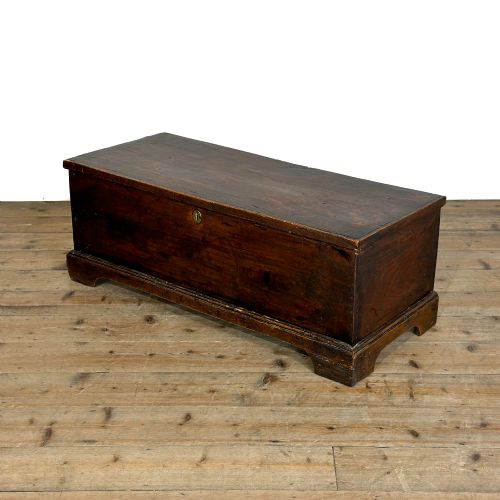
When buyers search for a georgian elm box, they encounter sturdy storage vessels built during the eighteenth and early nineteenth centuries. These pieces encompass blanket chests, small coffers, bible boxes, and tabletop desks originating from provincial English workshops.
The version most commonly met on this page is the plain blanket box or trunk, constructed with simple board joints or panel framing. Alongside these larger chests, smaller tabletop examples and miniature forms appear from the same domestic traditions.
How they were made
Makers utilised native timber, relying primarily on elm and burr elm for its tough, interlocking grain, often combining it with oak panels or walnut details. These woods were worked by provincial joiners who valued durability over ornamental refinement.
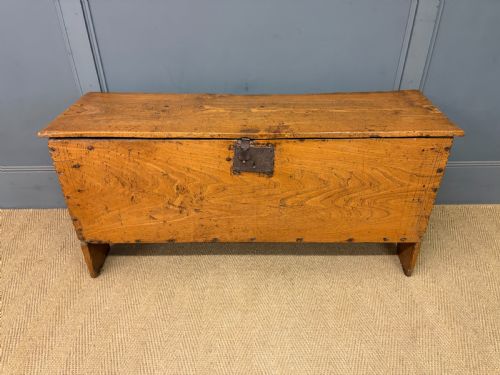
Metal hardware played a practical role in construction, with iron hinges and brass carrying mounts securing the lids and sides. Surfaces were finished simply, allowing the natural figuring and rich patina of the timber to dominate.
Several boxes preserve initialled ownership marks and dated inscriptions carved directly into the timber by past hands.
What varies in quality
The distinction between ordinary and exceptional pieces lies in the selection of the timber and the retention of original surface qualities. Grain featuring heavy burr figuring or deep, untouched patination commands greater attention than plain, heavily restored boards.
Proportion and domestic scale also determine the standing of a piece. Well-balanced smaller boxes and those retaining original iron or brass handles demonstrate the care applied by the original country maker.
The Georgian Elm Box Glossary
- Elm
- A tough, fibrous native hardwood known for its twisting grain and resistance to splitting. It was heavily utilised by country joiners for domestic seating and storage chests.
- Six-Plank
- A simple construction method utilising six individual boards joined at the edges to form a basic chest. This technique represents early vernacular furniture making.
- Coffer
- A heavy wooden chest traditionally used for storing valuables or linen. These pieces often feature sturdy lid construction and iron locking mechanisms.
- Patina
- The deep sheen and mellow tone developed by wood over centuries of handling and light exposure. This surface quality is a key indicator of age and genuine use.
Georgian Elm Box: Frequently Asked Questions
What were these boxes used for originally?
These containers served practical domestic functions, holding household textiles, blankets, candles, or valuable papers. Smaller tabletop versions housed writing equipment or personal valuables.
Their robust construction allowed them to withstand heavy daily use in farmhouse and provincial settings throughout the Georgian period.
How do I tell an 18th-century box from a later copy?
Examination of the timber movement, hand-cut joinery, and interior surfaces reveals the true age of a piece. Eighteenth-century examples display characteristic tool marks and dry, shrinkage-warped boards that modern reproductions cannot replicate.
Look closely at the underside and interior joints for signs of period hand-sawing and genuine historical wear.
Can I use a blanket box as a coffee table?
Many buyers adapt these sturdy chests for modern living spaces as coffee tables or low storage units. Their flat tops and solid proportions make them suitable for supporting books and everyday items.
Ensure that daily use does not compromise the original finish or historical timber surfaces.
Why does elm wood look so wavy?
Elm possesses an interlocking grain structure that resists splitting, which creates the distinctive swirling patterns seen on these boxes. This complex growth habit makes the timber visually striking but challenging to plane smooth.
Burr elm accentuates this characteristic further with tight clusters of knots and swirling figures.