




Georgian Ebonised Wall Portrait
These georgian ebonised wall portrait pieces capture the intense personal likenesses of past centuries inside dark, striking frames.
Georgian Ebonised Wall Portrait
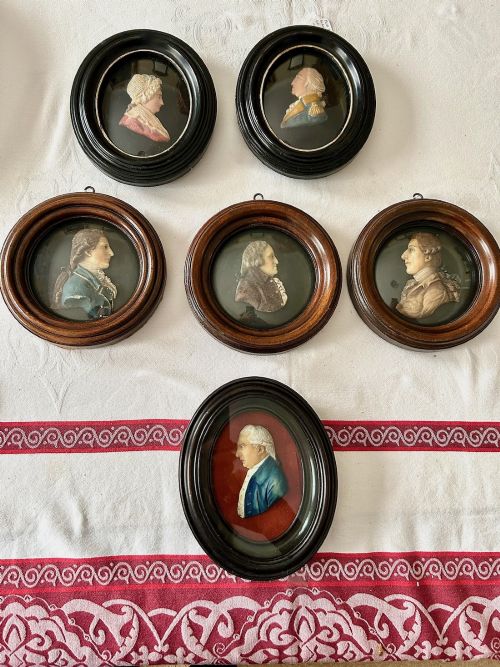
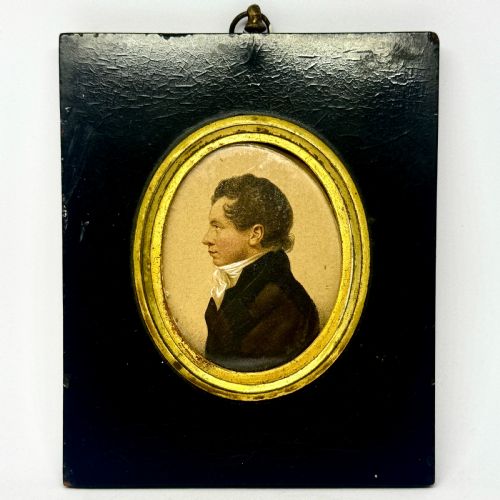
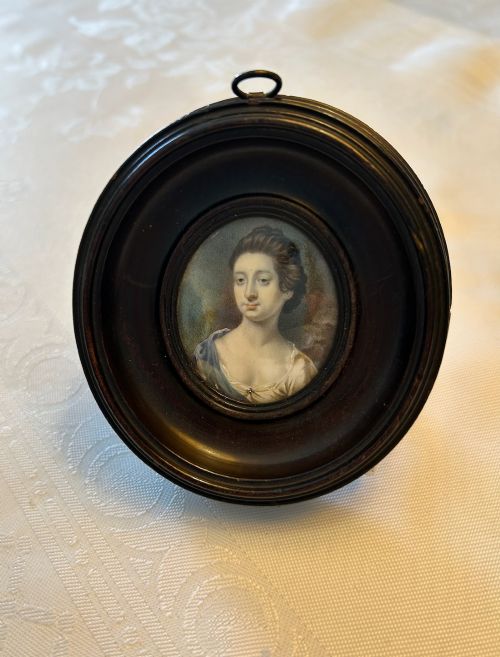
A georgian ebonised wall portrait represents a specific class of small-scale likenesses, encompassing miniature paintings, silhouettes, wax profiles, and reverse glass prints housed in dark wood surrounds. These works range across the eighteenth century and the regency period, reflecting the era's fascination with intimate portraiture designed for domestic spaces.
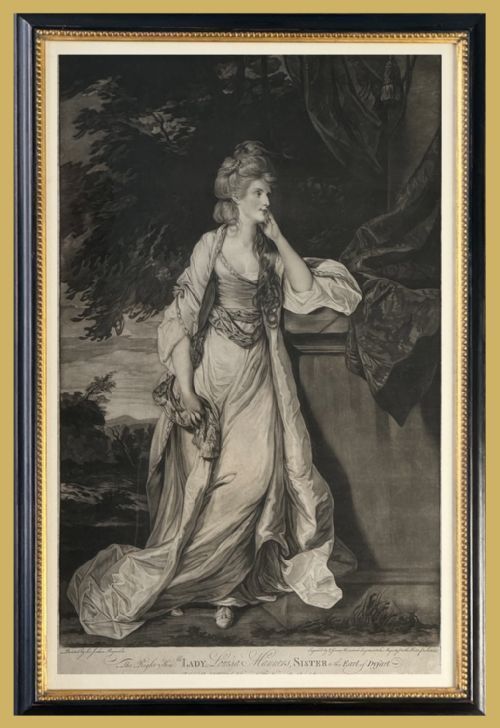
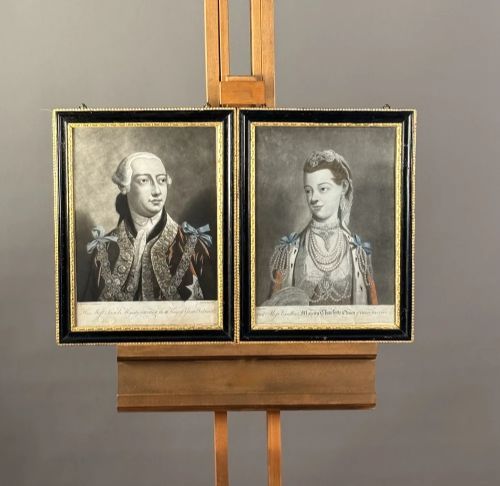
Buyers seeking a georgian ebonised wall portrait encounter various forms, from delicate watercolours on paper and ivory to pressed glass paste cameos and detailed mezzotints. The unifying element across these objects is the dark, often polished ebonised wooden framing that defines the visual boundary of the artwork.
Materials and construction methods
The physical construction of these pieces relies on traditional craftsmanship, combining ebonised wood frames with delicate interior mediums such as watercolour, gold leaf, and enamel. Artisans utilised specialised glass and brass components to protect and mount the portraits securely within their wall-hanging formats.
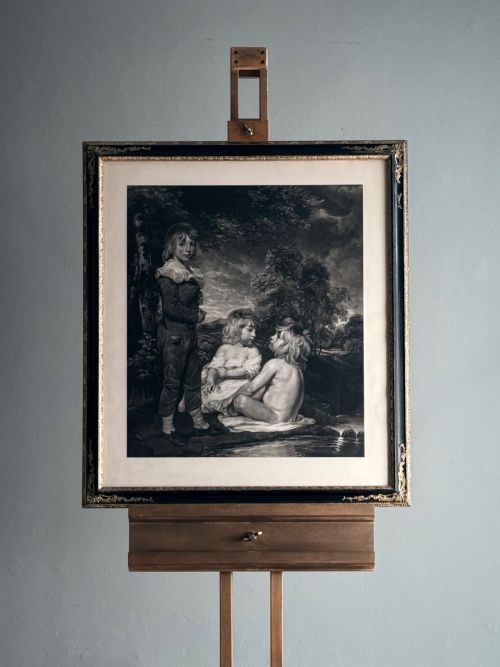
Makers employed diverse techniques including stipple-engraving, reverse glass painting, and plumbago drawing to achieve fine detail on small surfaces. The dark wood of the frame was frequently polished to contrast sharply with the lighter tones of the portrait subjects inside.
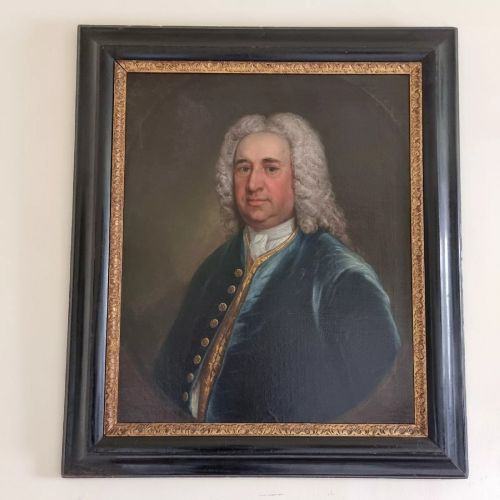
Royal subjects gaze outward from these dark walls alongside anonymous children and bathing infants, watched over by centuries of solemn dignitaries.
Evaluating quality and execution
The integrity and originality of the ebonised frame and its glazing further influence the standing of a piece. Finer items retain their original brass hangers, convex glass, and untouched backing materials, preserving the object in its historical state.
Valentine Green·Thomas Frye·John Taylor·James Tassie·George Atkinson·Bartolozzi
The Georgian Ebonised Wall Portrait Glossary
- Ebonised
- Wood treated to imitate ebony, creating a dense, dark black finish. This process was widely applied to frames to give a formal, high-contrast border to portraits.
- Plumbago
- A drawing executed in graphite, taking its name from the Latin word for lead ore. These monochromatic works offer exceptional linear detail.
- Mezzotint
- A printmaking process where the copper plate is roughened to produce tones of grey and black. It allowed printmakers to achieve rich, velvety darks suited to dramatic portraiture.
- Reverse glass print
- An image applied directly to the underside of a glass sheet, often sealed with protective backing. This technique produces a glossy surface finish unique to the period.
- Cameo
- A method of carving or moulding a subject in relief to create a distinct profile. Pressed white glass paste examples mimic classical carved stone.
Georgian Ebonised Wall Portrait: Frequently Asked Questions
How were these wall portraits displayed originally?
These pieces were typically hung in intimate domestic spaces such as parlours, private studies, or bedchambers, often arranged in small groups together on a wall.
Their compact scale allowed owners to create dense galleries of family members, monarchs, and notable dignitaries within a confined architectural area.
What materials make up the frames?
The surrounds are predominantly constructed from timber treated with an ebonised finish to create a solid black appearance. Many retain original brass hanging rings, bezels, and convex glass coverings.
Some iterations incorporate gilt elements or subtle moulding to accent the dark wooden boundary surrounding the central artwork.
How do I date a portrait miniature?
Dating relies heavily on costume details, hair styling, and the specific medium employed, alongside any surviving inscriptions on the reverse. Regency pieces often feature distinct neoclassical clothing and lighter palettes compared to earlier eighteenth-century works.
The framing technique and the type of glass or paper used also provide reliable chronological indicators for the period of manufacture.
Are silhouettes and prints considered paintings?
Silhouettes, prints, and drawings form distinct categories alongside painted miniatures, encompassing cut paper, plumbago, and engraved works on paper. While not painted with pigments, these graphic forms share the same wall-hanging miniature format and ebonised framing traditions.
Collectors view all these varied mediums as part of the broader tradition of personal portraiture from the georgian and regency eras.