

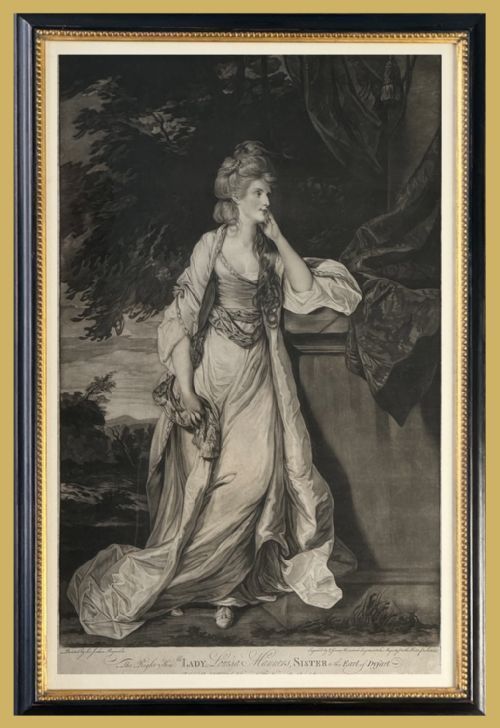
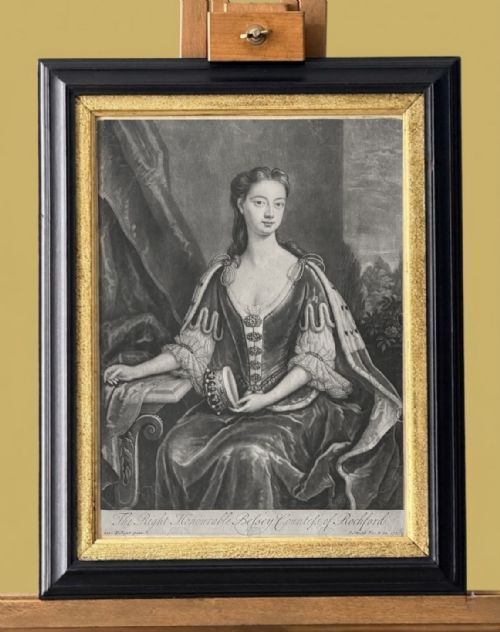
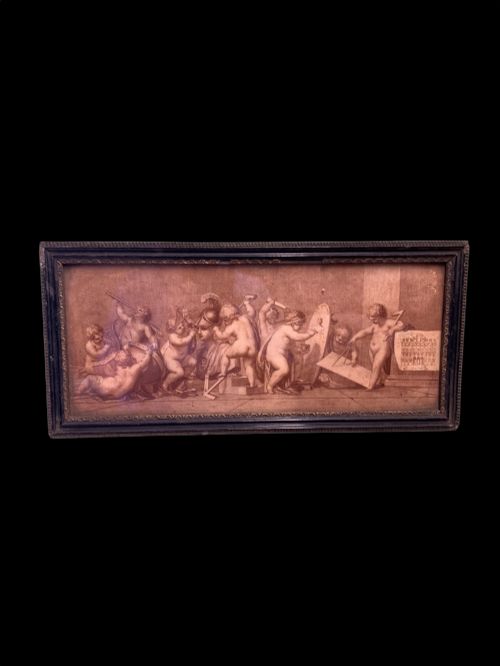
Georgian Ebonised Frame
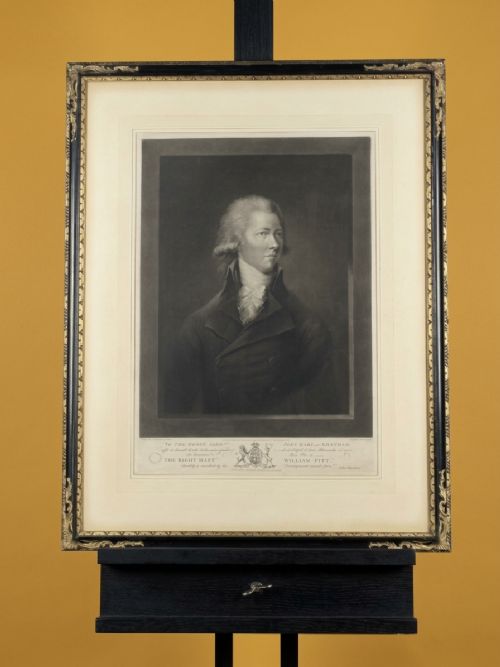
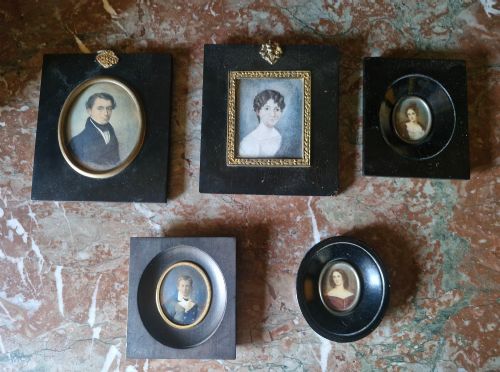
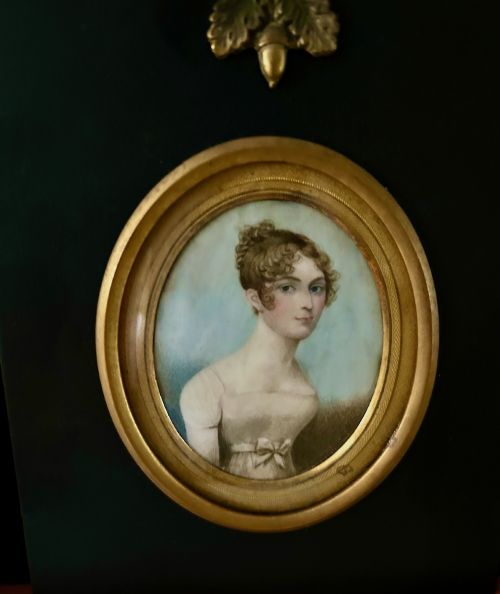
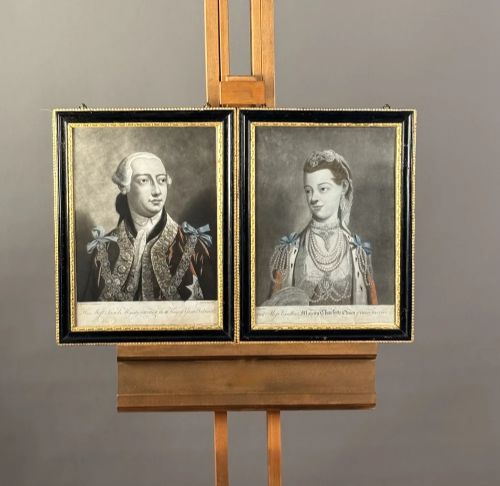
A georgian ebonised frame houses intimate portraits and delicate prints, bringing deep, dark contrast to period interiors.
Georgian Ebonised Frame
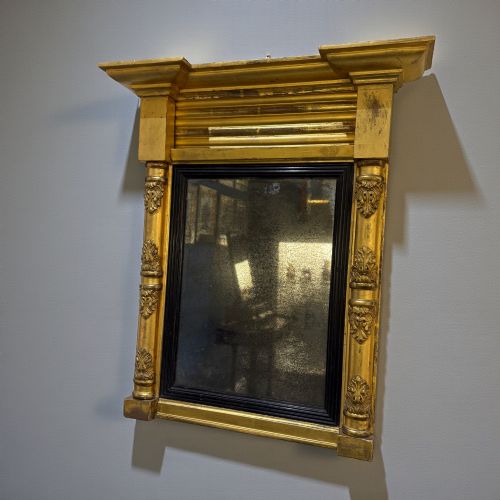
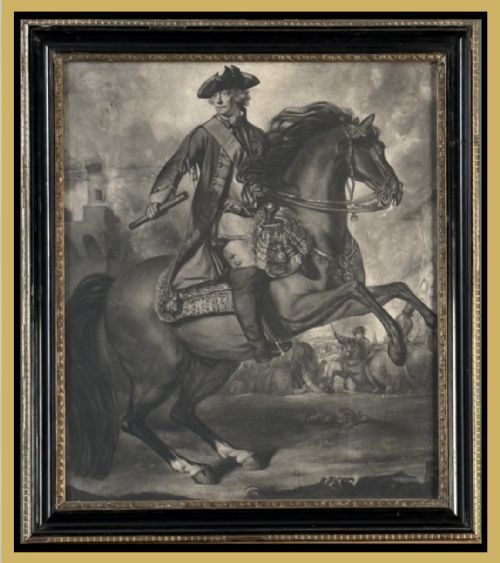
When searching for a georgian ebonised frame, buyers encounter a specialised selection of wall art, portrait miniatures, silhouettes, and small mirrors dating across the eighteenth and nineteenth centuries.
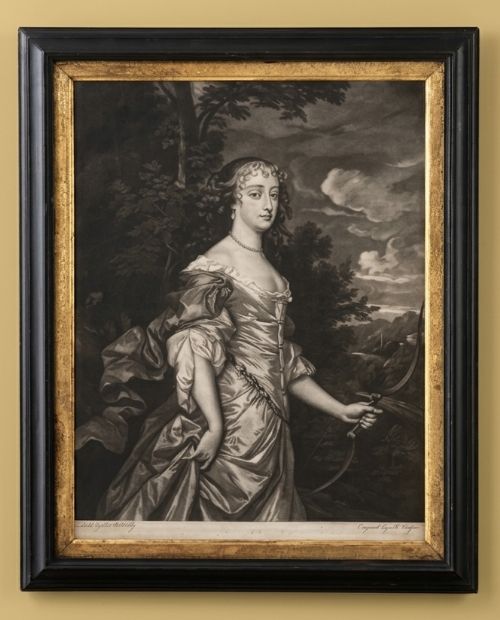
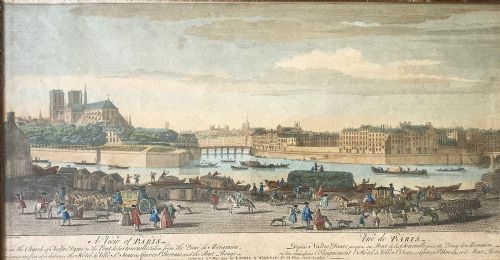
The objects housed within these dark surrounds include reverse glass mezzotints, plumbago portraits, watercolour paintings, and cut paper pictures originating from the Georgian, Regency, and early Victorian eras.
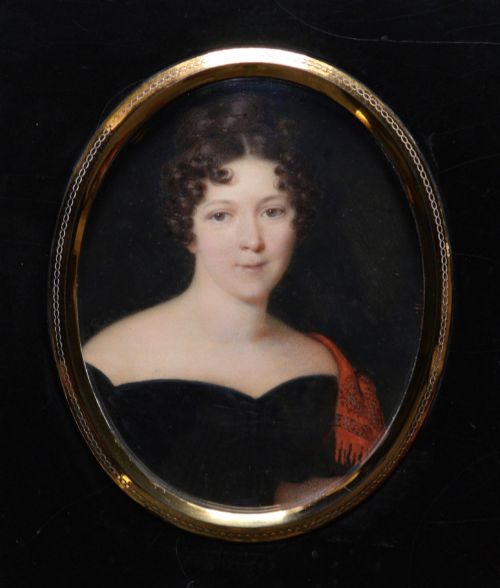
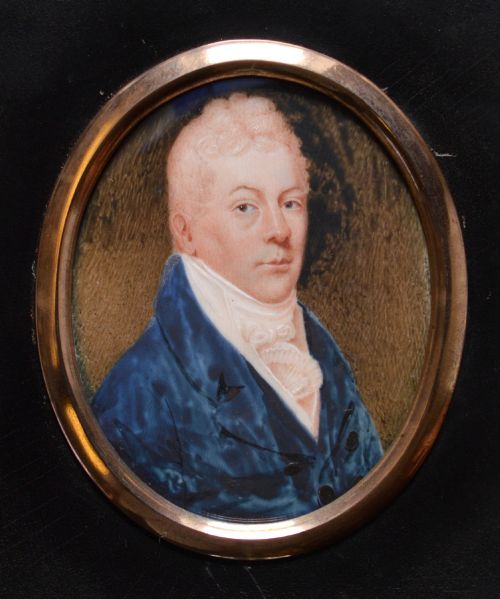
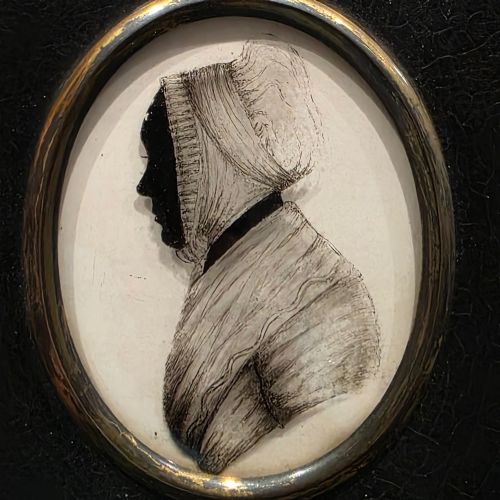
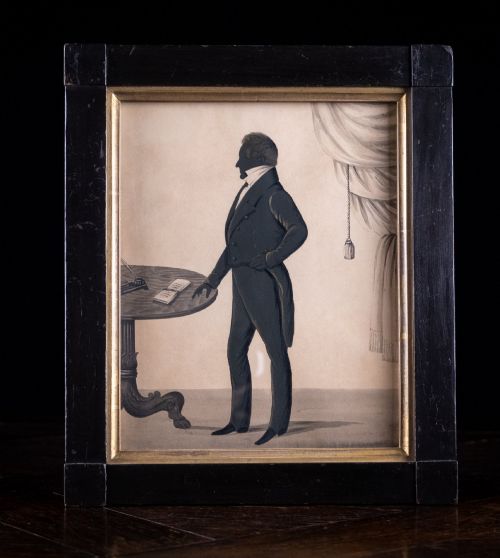
Portrait miniatures and silhouette profiles of gentlemen, ladies, and children dominate the listings, frequently paired with the characteristic dark timber border.
Materials and Construction
Wood serves as the primary structural material, heavily treated or stained to mimic expensive ebony, often complemented by parcels of gold leaf, giltwood, or brass accents.
Glazing protects fragile works on paper, glass, and card, enclosing delicate mediums such as watercolour, ink, wax, and cut paper silhouettes securely within the boundary of the frame.
Distinctions in Quality
The refinement of the ebonised finish and the crispness of any applied gilding or brass work distinguish the finer examples from simpler provincial pieces.
Originality matters deeply, particularly where the relationship between the artwork, the glass, and the period ebonised frame remains undisturbed over centuries.
Edward Fisher·Sir Joshua Reynolds·Fletcher·Sebastiaan Vrancx·George Atkinson·Valentine Green·John Smith·Charles D'Agar·Thomas Frye·Richard Purcell·James Gillespie·James Ward·John Hoppner·John Taylor
The Georgian Ebonised Frame Glossary
- Ebonised Wood
- Timber treated with stain or paint to achieve the deep black appearance of ebony. This finish became highly popular for framing works on paper to create striking visual contrast.
- Mezzotint
- A printmaking process of the intaglio family where tonal gradations are achieved directly on a copper plate. It allows for subtle shading well suited to portraiture.
- Plumbago
- A drawing executed in graphite, taking its name from the Latin word for lead ore. These detailed monochrome works appear frequently in eighteenth-century portraiture.
- Silhouette
- A portrait profile filled in with a solid dark colour, usually cut from paper or painted. The form gained immense popularity during the Georgian and Regency periods.
- Reverse Glass Painting
- An art form where the image is painted directly onto the back of a glass panel. When viewed from the front, the colours possess a distinct gloss and depth.
Georgian Ebonised Frame: Frequently Asked Questions
What fits inside a georgian ebonised frame?
These frames typically contain small-scale works on paper, including portrait miniatures, silhouettes, engravings, and reverse glass prints.
Artists and makers of the eighteenth and nineteenth centuries selected this dark framing style to draw the eye inward toward the delicate details of miniature portraits.
Are these frames original to the artwork?
Many pieces retain their period surrounds, pairing the artwork with contemporary ebonising and glass from the exact era of creation.
Collectors look for matched patination and construction methods that confirm the frame and its contents have remained together historically.
How should I hang a piece with a georgian ebonised frame?
Due to their modest scale, these framed works suit intimate spaces, gallery walls, or areas alongside larger pieces where they provide dark focal points.
Direct sunlight should be avoided to protect sensitive mediums like watercolours, wax portraits, and paper silhouettes from fading.
How do I identify the period of the frame?
Dating relies on timber construction, the type of glass used, backboards, and the specific style of the rebate and moulding.
Earlier eighteenth-century profiles often differ subtly in weight and joinery from Regency or early Victorian interpretations of the same dark aesthetic.