



Georgian Earthenware Figure
A georgian earthenware figure brings the bold, earthy modelling and hand-painted charm of eighteenth and nineteenth-century domestic pottery straight into a modern room.
Georgian Earthenware Figure
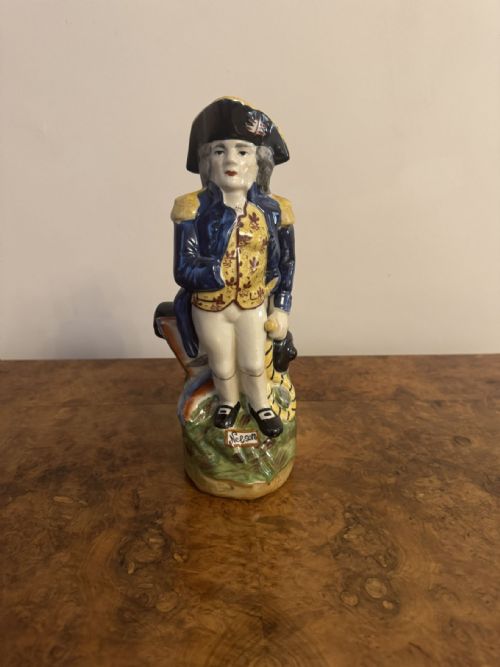
A georgian earthenware figure encompasses hand-modelled animals, literary groups, and historical characters produced across British potteries. The pieces on this page span the eighteenth and nineteenth centuries, featuring pearlware, creamware, and glazed ceramic bodies.
Collectors encounter Staffordshire pottery subjects ranging from lions and sheep to literary groups like Vicar and Moses, alongside character jugs and portrait busts. Pairs of figures and spillholders demonstrate the diverse decorative output of the period.
Origins stretch from Staffordshire workshops to regional English potteries, supplemented by continental examples such as Spanish faience. These ceramic objects served strictly decorative roles in period interiors, displayed on mantelpieces and side tables.
Materials and methods
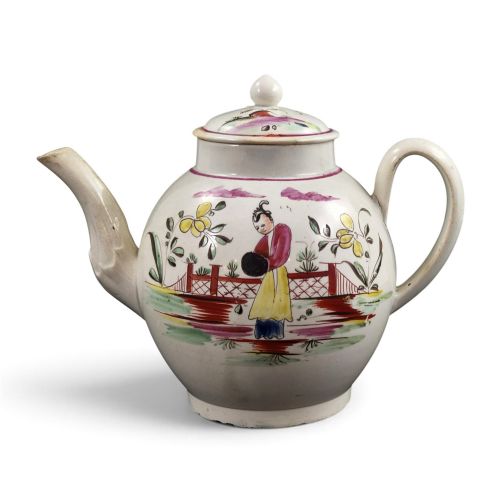
Potters shaped these figures from earthenware clays, applying creamware or pearlware bodies to achieve pale surfaces suitable for decoration. Enamel colours and ceramic glazes provided the vibrant palettes seen across animal and human subjects.
Georgian Earthenware Figure Retail Price Guide 2026
Typical asking prices for georgian earthenware figure among the pieces listed under this phrase on Sellingantiques today, from the lower quarter to the upper quarter. They describe what is for sale here now, not the wider market.
Listings feature pearlware, creamware, and earthenware materials across the nineteenth century and Georgian periods.
Judging quality
The preservation of the original glaze and the clarity of the polychrome colours dictate the visual impact of each figure. Maker attribution and the survival of matching pairs add distinction to individual pieces.
Ralph Wood·Walton·Lakin and Poole·Enoch Wood factory·Mexborough
The Georgian Earthenware Figure Glossary
- Pearlware
- A refined earthenware developed in the late eighteenth century featuring a bluish-tinted glaze that pooled softly in recesses. This glaze sat over a pale body to mimic the appearance of Chinese export porcelain.
- Creamware
- A fine earthenware perfected in Yorkshire and Staffordshire with a warm, pale yellow or cream-coloured lead glaze. It became the dominant domestic ceramic body of the late Georgian era.
- Prattware
- Earthenware decorated with underglaze metallic oxides, typically blue, ochre, brown, and green, beneath a clear lead glaze. The palette is bright and characteristic of late eighteenth and early nineteenth-century production.
- Spillholder
- A hollow figure or accompanying tree trunk designed to hold taper splints for lighting candles or pipes. These functional elements were integrated into the modelling of animal and pastoral groups.
- Toby Jug
- A pottery jug modelled in the form of a stout, cheerful man wearing a tricorn hat, usually holding a mug and a pipe. They represent a popular form of character pottery from the Georgian period.
Georgian Earthenware Figure: Frequently Asked Questions
How do I date a figure?
Dating relies on stylistic markers, clay types, and glaze characteristics recorded in the physical evidence. Pearlware bodies and specific enamel palettes help narrow the production window.
Comparison with documented factory outputs and known models provides further chronological context for unsigned pieces.
Were these figures made in pairs?
Potters frequently produced figures as matching pairs for symmetrical placement on mantelpieces and shelves. Examples include seated animals, literary groups, and historical pairs.
Single figures also appear regularly, often having lost their original counterpart over generations of display.
What is pearlware?
Pearlware is a refined earthenware developed to imitate porcelain by using a subtle blue-tinted glaze over a pale clay body. It gained widespread use across Staffordshire potteries from the late eighteenth century onward.
The distinct bluish pooling in crevices helps distinguish pearlware from earlier creamware.
How were they displayed?
These decorative objects sat proudly on mantelpieces, sideboards, and tables within Georgian and Victorian homes. They introduced colour and narrative elements to domestic interiors.
Larger groups and portrait busts served as conversation pieces for visitors and hosts alike.