


Georgian Drop in Seat Chairs
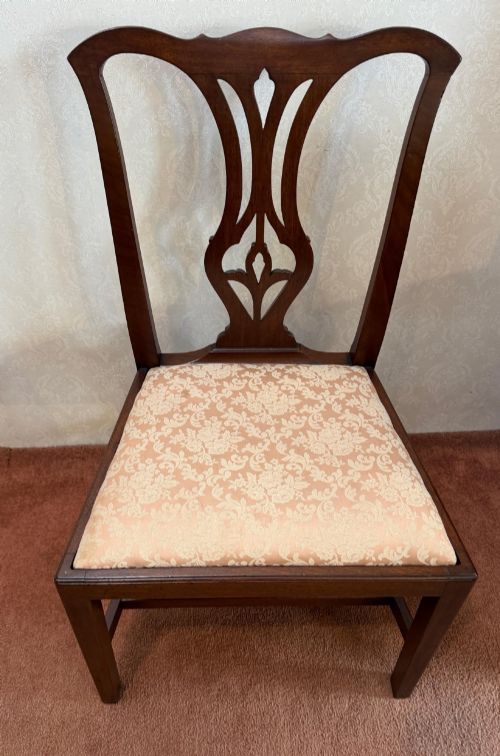
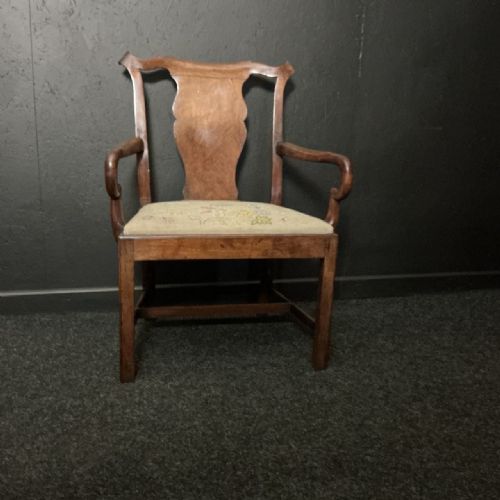
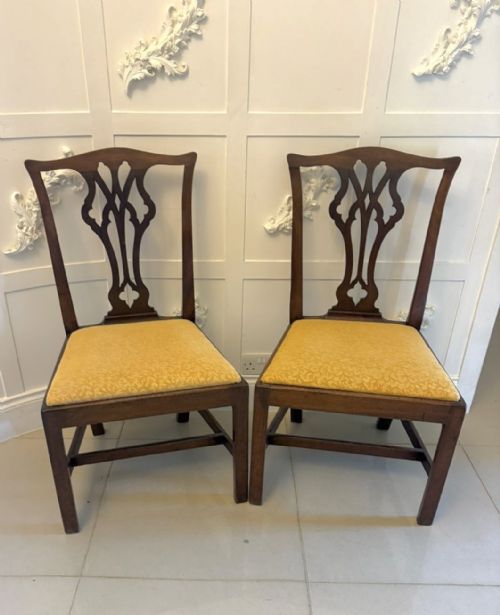
Georgian drop in seat chairs combine robust eighteenth-century timber frames with removable upholstered pads designed for easy reupholstery.
Georgian Drop in Seat Chairs
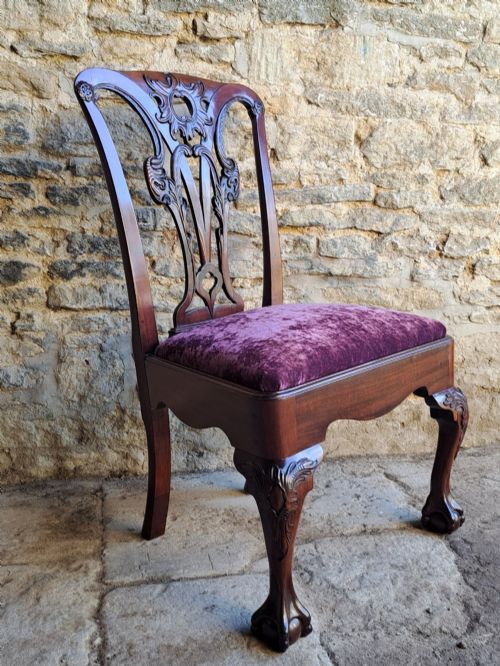
These seating pieces encompass dining chairs, side chairs, armchairs, and corner armchairs originating primarily from the eighteenth century and the Regency period, alongside later revival iterations. You will frequently encounter mahogany and walnut examples featuring distinct periods such as George I, George II, and George III.
The defining characteristic is the separate drop in seat frame, which lifts out from the wooden chassis rather than being permanently fixed to the rails. This practical construction allows the upholstered insert to be recovered or replaced independently of the structural framework.
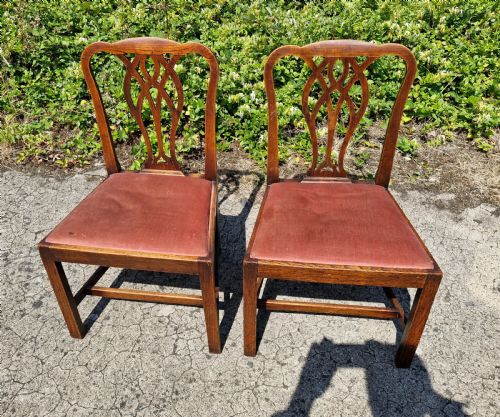
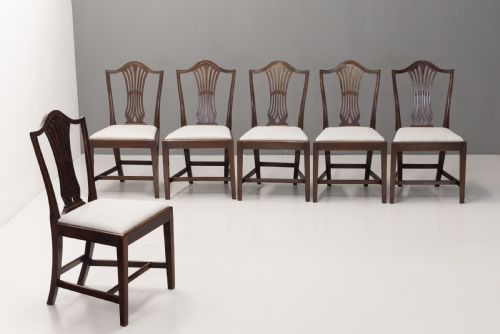
While single items and pairs appear regularly, larger suites of dining chairs emerge in both period timbers and later nineteenth and twentieth century revival styles. Oak, elm, and faux rosewood frames also surface alongside the dominant mahogany and walnut variants.
Materials and construction methods
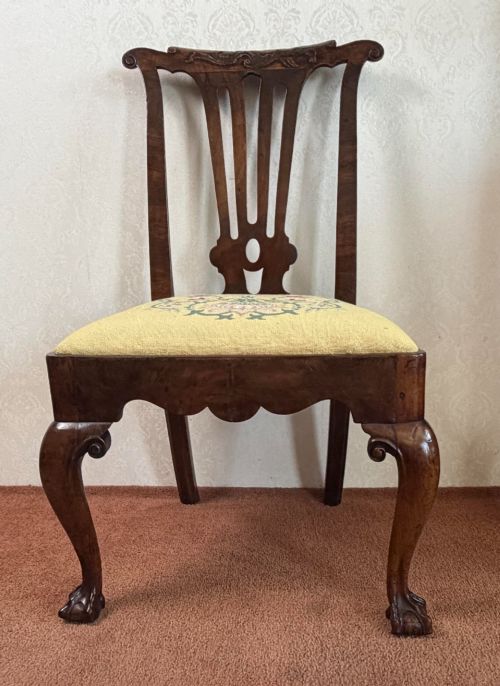
Cabinetmakers constructed the primary frames using dense hardwoods like mahogany, walnut, oak, and elm, often employing mortise and tenon joints for stability. Cabriole legs, carved splats, and brass inlay define the decorative vocabulary across different eras.
The drop in seat itself consists of a secondary softwood or hardwood frame shaped to fit snugly within the seat rails of the chair. Upholstery materials applied over this frame include leather, velvet, tapestry, fabric, and needlework textiles.
One nimble walnut hand chair waits patiently on the floor, offering a literal helping hand to any passing guest.
Assessing quality in the construction
The integrity of the timber frame and the crispness of any carved detail set the standard for these chairs. Original period pieces demonstrate precise joinery and substantial timber thickness compared to later revival interpretations.
The secondary frame of the seat insert reveals the care taken in construction, fitting flush into the rebate of the main seat rails without excessive movement.
The Georgian Drop in Seat Chairs Glossary
- Drop in seat
- A removable upholstered frame that fits into the recess of a chair seat. This design facilitates straightforward reupholstery without disturbing the wooden frame.
- Cabriole leg
- A furniture leg that curves outward at the knee and tapers inward toward the foot. This form draws inspiration from animal legs and appears frequently on walnut and mahogany seating.
- Carver armchair
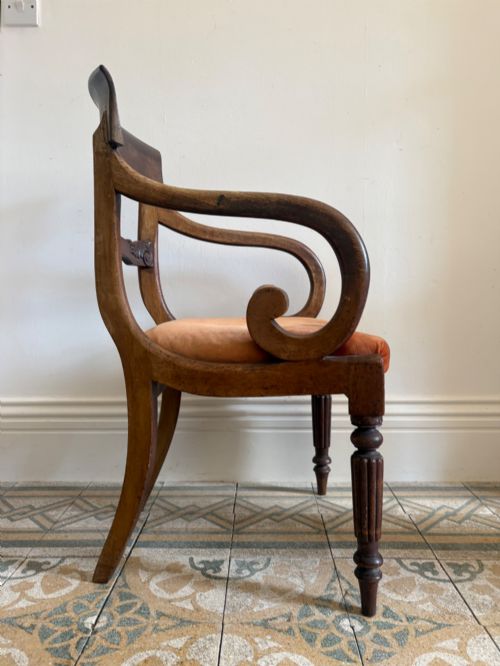
- An armchair designed to sit at the head of a dining table or function as a desk chair. These pieces often feature open arms and match the side chairs in a set.
- Ribbon back
- A chair back design featuring carved splats interwoven to resemble ribbons. This decorative motif appears on eighteenth-century seating.
- Corner armchair
- A seating form designed to fit into the corner of a room, featuring a continuous curved armrest supported by multiple posts. These pieces usually stand upon three corner legs and a central rear leg.
Georgian Drop in Seat Chairs: Frequently Asked Questions
How do I clean the wooden frames?
Dust the mahogany and walnut surfaces regularly with a soft, dry cloth to prevent the accumulation of grit. Avoid modern silicone polishes, which build up a hazy film over time.
Feed the dry timber periodically with a traditional beeswax polish applied sparingly and buffed to a soft sheen. This preserves the natural patina built up over centuries of use.
Can I replace the seat upholstery myself?
Lifting out the drop in seat reveals a separate wooden frame that holds the textile and stuffing independent of the main chair structure. This makes changing the fabric straightforward for a restorer or enthusiast.
Carefully remove the old tacks securing the fabric, inspect the webbing and stuffing, and stretch your chosen textile over the frame before securing it with new tacks.
How do I spot a later revival chair?
Examine the timber underneath the seat rails and inspect the wear patterns on the feet and joints. Nineteenth and twentieth century revival pieces often display machine tooling marks and uniform wood ageing.
Period eighteenth-century examples exhibit hand-cut joinery, timber shrinkage appropriate to age, and structural pegging that differs from later manufacturing techniques.
Were these chairs used only for dining?
While many survive as sets of dining chairs, individual examples and armchairs served various functions around the home, including desk chairs and corner seating. Single side chairs often stood against hallway or parlour walls until needed at a table.
The inclusion of open arms on carver chairs or desk variants provided added comfort for reading or writing in private rooms.