





Chippendale Gothic Chairs
Chippendale gothic chairs bring striking tracery and rich timber to a room, offering both historical weight and architectural presence for a traditional interior.
Chippendale Gothic Chairs
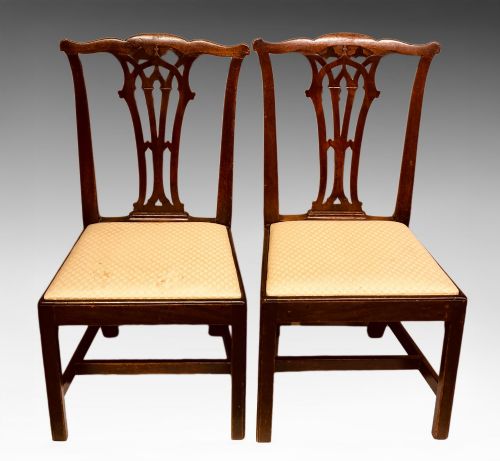
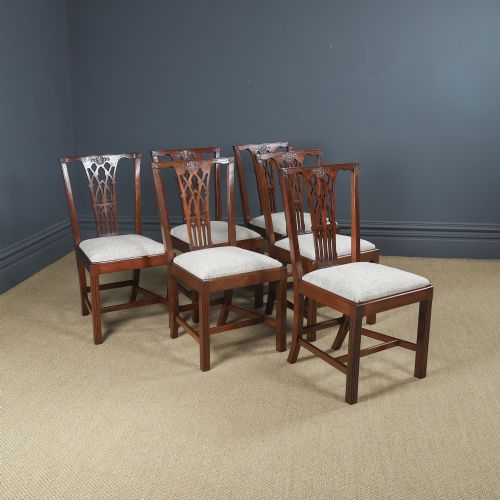
When you search for chippendale gothic chairs, you look for seating that merges the robust framework of eighteenth-century cabinet making with pointed arch and quatrefoil decorative motifs. These pieces span the eighteenth and nineteenth centuries, taking the form of dining chairs, hall chairs, armchairs, and side chairs.
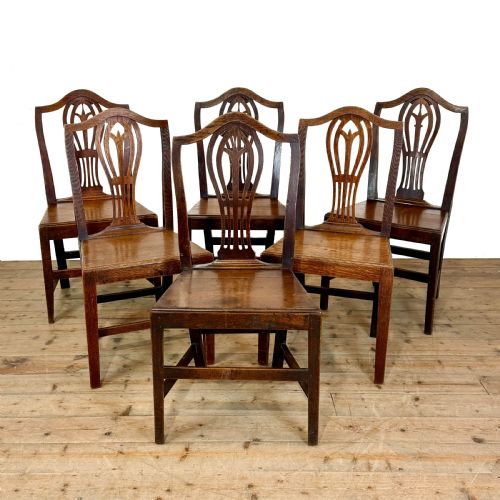
The version you are most likely to meet on this page is the nineteenth-century revival piece, often rendered in mahogany with elaborate pierced splats. Eighteenth-century examples also appear, alongside occasional oak iterations from both the Georgian period and later centuries.
How they were made
Cabinet makers utilised dense timber such as mahogany and oak to construct the robust frames required for structural stability and intricate carving. Hand-carving techniques shaped the distinctive gothic tracery into the chair backs and rails.
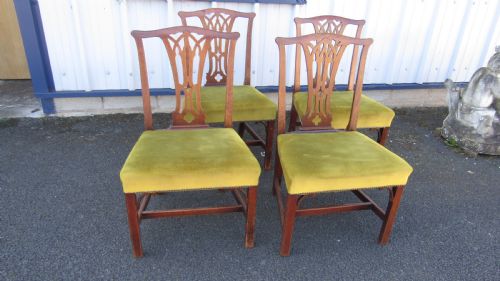
Seating surfaces were finished with timber panels or incorporated upholstery using fabrics, leather, and velvet to provide comfort and texture. Apprentice pieces demonstrate the same joinery methods executed on a smaller scale.
Listings span the eighteenth and nineteenth centuries, featuring mahogany and oak alongside fabric, leather, and velvet upholstery.
What varies in quality
The refinement of the carving separates standard production from superior examples, particularly in the crisp execution of gothic arches and pierced splats. Timber selection also dictates grade, with finely figured mahogany and dense oak holding greater presence than plainer stock.
Proportion and structural integrity define the overall execution, where balanced rails and tight joinery separate master cabinet work from simpler workshop output. The retention of original timber surfaces and upholstery provisions further distinguishes the better examples.
The Chippendale Gothic Chairs Glossary
- Gothic Chippendale
- A design style combining eighteenth-century cabinet forms with medieval architectural motifs such as pointed arches and tracery. This aesthetic experienced revivals in the nineteenth century.
- Mahogany
- A durable tropical hardwood prized for its deep reddish-brown colour and stable grain. It served as the primary timber for high-end dining and side chairs.
- Side chair
- An upright chair without arms, designed primarily for dining tables or hallway placement. They form the majority of seating sets found in historic homes.
- Pierced splat
- The central vertical slat of a chair back that has been cut through to form a decorative pattern. In this category, splats frequently feature gothic tracery.
Chippendale Gothic Chairs: Frequently Asked Questions
Are these chairs comfortable for daily use?
Many examples feature upholstered seats covered in fabric, leather, or velvet to provide a comfortable surface for dining. Wooden seat variants rely on shaped timber contours designed for upright seating.
The rigid backs and upright stance typical of eighteenth and nineteenth-century seating encourage formal posture rather than lounging. Adding appropriate seat cushions can adjust the comfort level for modern dining.
How do I spot a revival piece?
Nineteenth-century revival pieces often display machine assistance in the initial shaping alongside hand finishing, whereas eighteenth-century examples rely entirely on hand tools. Timber seasoning and structural wear patterns also offer clues to the actual decade of production.
Comparing the crispness of the carving against documented eighteenth-century examples helps determine whether a chair dates to the original period or the later revival eras.
Can I mix sets with singles?
Mixing single chairs with established sets requires careful attention to timber tone, particularly with mahogany and oak. Matching the height of the seat rails ensures a cohesive look around a dining table.
Armchairs and side chairs often pair well together if the gothic carving style and timber grain share similar characteristics.
What rooms suit these chairs best?
Dining rooms provide the most traditional setting, especially when arranged in sets around a large timber table. Hall chairs function effectively as standalone statement pieces in entryways or landings.
The architectural gothic details allow these seats to anchor rooms that feature period architectural moulding or dark wood panelling.