
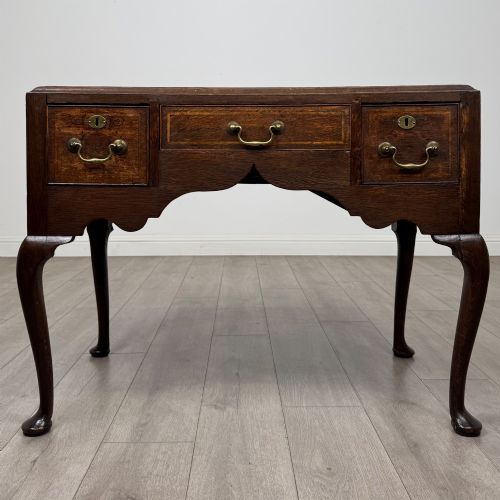
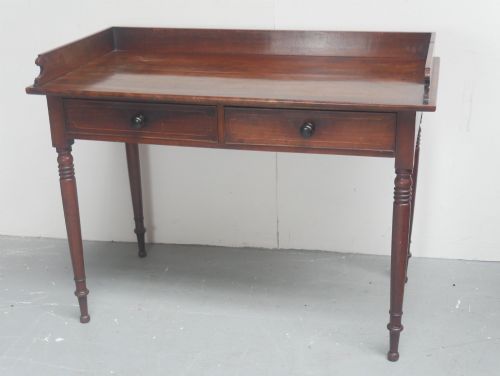
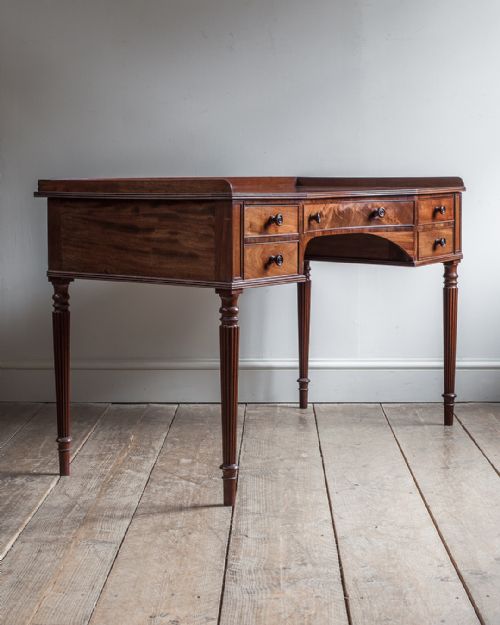
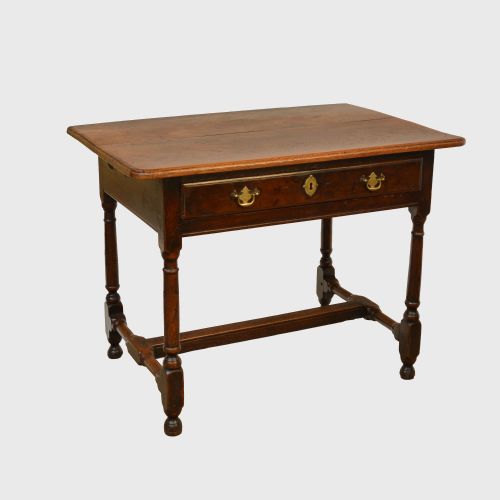
Georgian Dressing Table Desk
A georgian dressing table desk combines surface space and concealed storage, functioning as a practical writing place and personal grooming station.
Georgian Dressing Table Desk
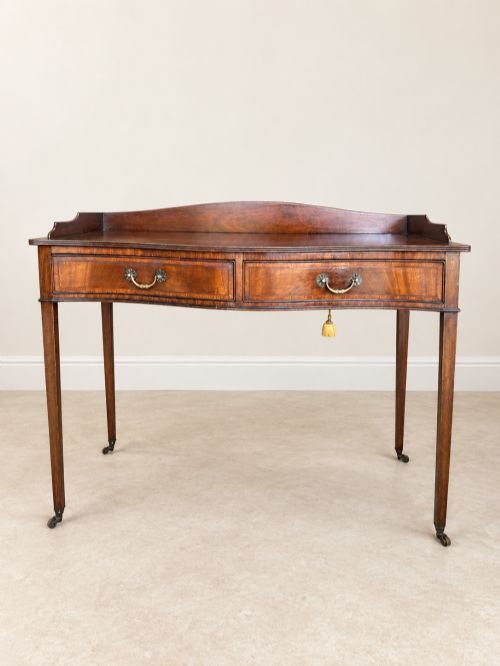
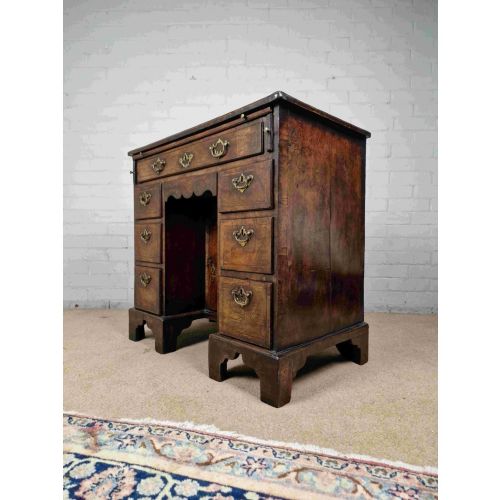
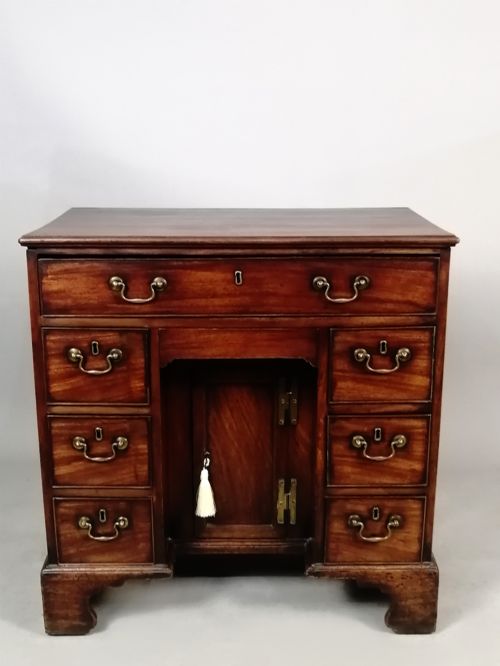
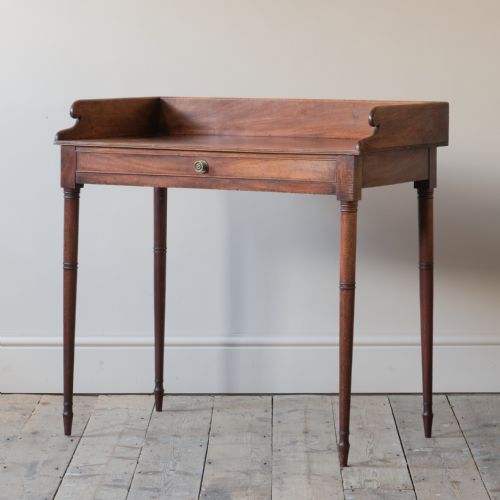
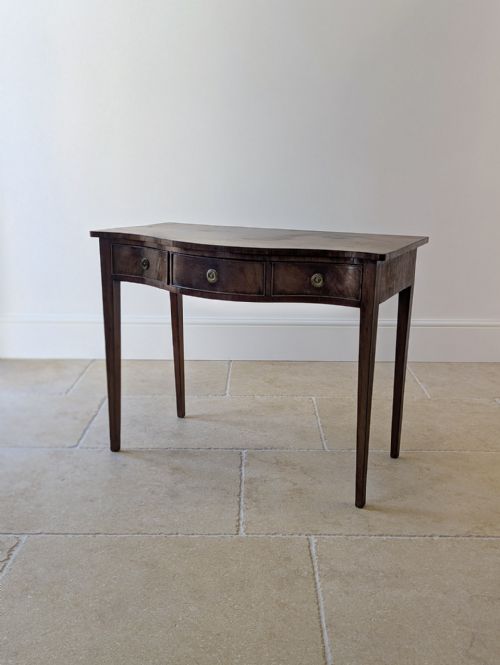
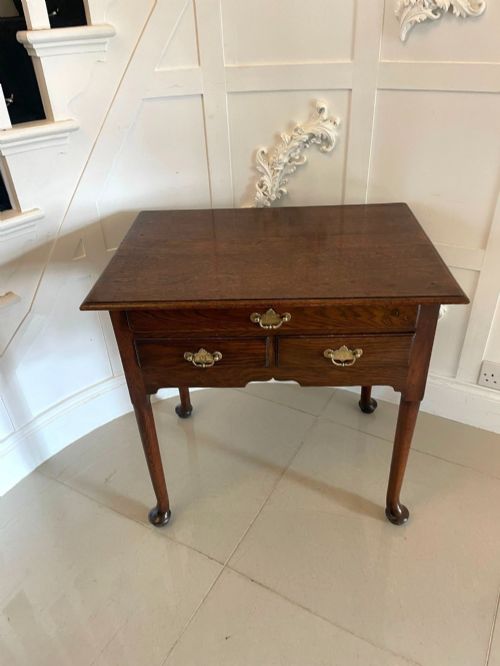
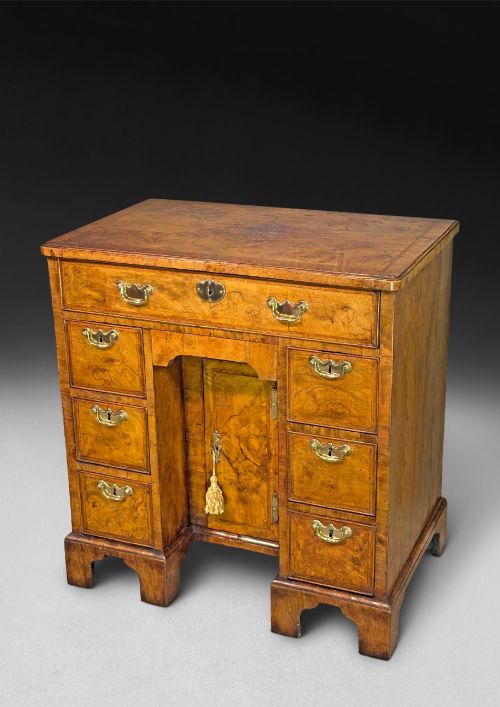
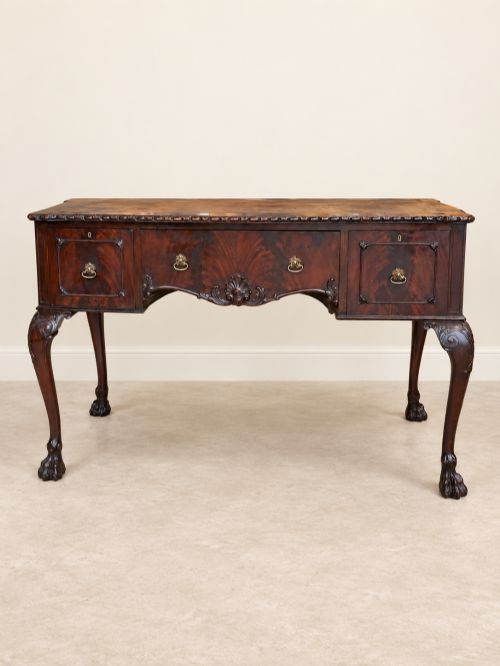
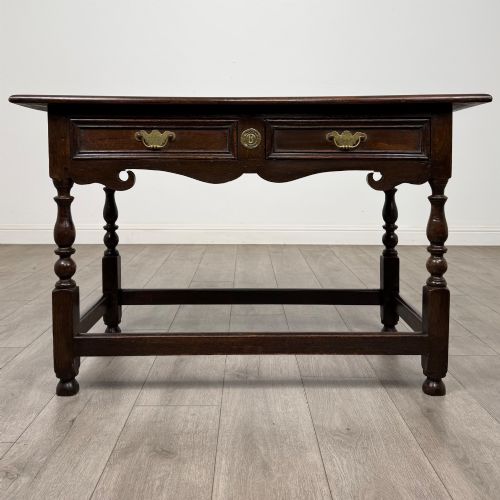
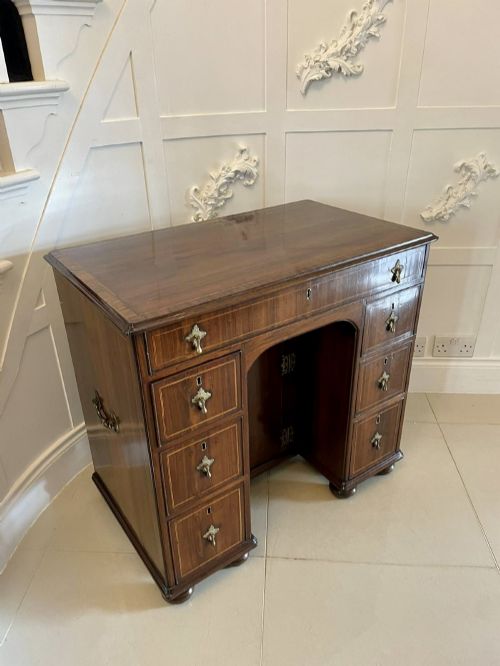
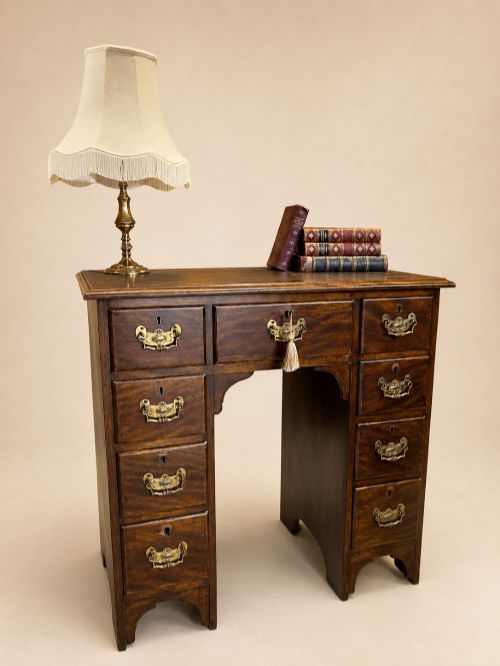
When you search for a georgian dressing table desk, you encounter pieces designed to bridge writing functions and personal grooming. These items appear across multiple forms in the evidence, including kneehole desks, lowboys, side tables, and dedicated dressing tables dating from the Georgian period through to later revivals.
How they were made
Cabinetmakers constructed these pieces using solid timbers and decorative veneers, selecting mahogany, oak, walnut, and burr walnut for their structural stability and rich grain patterns. Secondary woods such as elm, fruitwood, and yew appear frequently in regional English workshop production.
Surface details rely on brass hardware such as drop handles and escutcheons, alongside fitted leather writing inserts and subtle marquetry. Construction techniques include dovetailed drawer boxes and solid timber panels designed to accommodate natural wood movement over centuries.
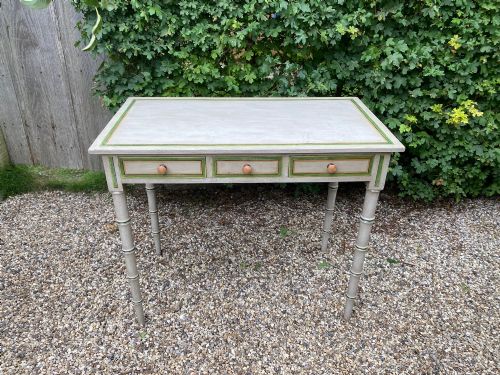
One nimble workshop even painted bamboo onto wood because someone fancied a morning in the tropics.
What varies in quality
Quality in these pieces rests upon the selection of timber figures and the retention of original surface elements like brasses and polish. Figured walnut, burr elm, and well-matched mahogany veneers distinguish finer workshop output from simpler utilitarian items.
Proportion and execution of detail set exceptional examples apart, particularly in the handling of serpentine fronts, crossbanding, and fitted drawer interiors. The integrity of the original construction, including unaltered drawer linings and period brass hardware, defines the upper tier.
The Georgian Dressing Table Desk Glossary
- Lowboy
- A small dressing table or side table featuring one or more rows of drawers beneath a flat top, typically raised on slender legs.
- Kneehole desk
- A writing table with a central recess for the sitter's legs, flanked by pedestals of small drawers on either side.
- Serpentine
- A front outline curving outward in the centre and inward at the sides, creating a fluid and undulating visual rhythm.
- Crossbanding
- A narrow strip of veneer laid around the border of a furniture surface with the grain running perpendicular to the central panel.
- Escutcheon
- A protective brass plate surrounding a keyhole, often shaped and engraved to complement the drawer hardware.
Georgian Dressing Table Desk: Frequently Asked Questions
Are these pieces suitable for daily computer use?
These tables provide sturdy writing surfaces, but historical kneehole clearances and drawer depths require careful measurement before placing modern equipment underneath. Most original heights suit traditional upright seating rather than deep ergonomic desk chairs.
Protecting the antique timber and leather inserts with suitable blotters ensures the surface remains undamaged during regular daily tasks.
How do I identify a George II piece from a later revival?
George II pieces typically exhibit 18th-century timber construction methods, including hand-cut dovetails, specific native wood usage like oak and walnut, and period-appropriate wear patterns. Revival pieces from the Edwardian era or 1920s show machine-sawn elements, different secondary woods, and standardised hardware.
Examining the drawer linings and internal framing reveals the chronological age and workshop practices of the period.
Did these tables originate in bedrooms or studies?
Domestic use shifted between bedchambers and private parlours depending on the specific form and household layout. Tables with fitted mirrors and cosmetic compartments served grooming needs, while kneehole desks accommodated correspondence and estate management.
Their compact scale allowed owners to move smaller tables easily between public and private rooms.