
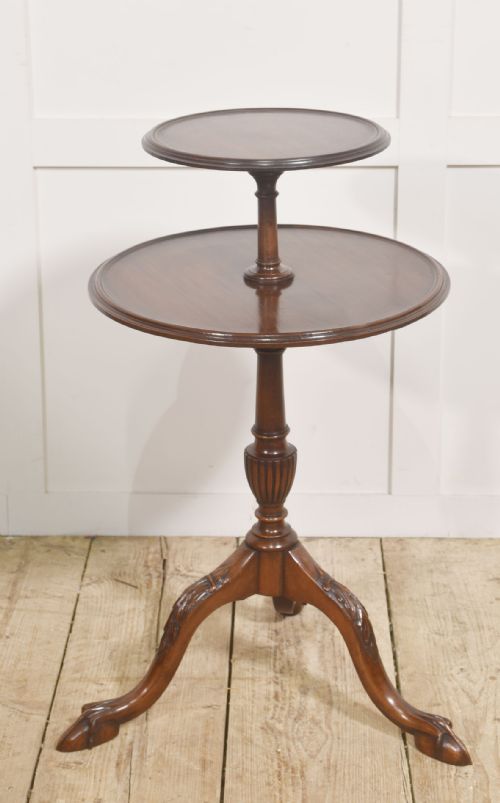


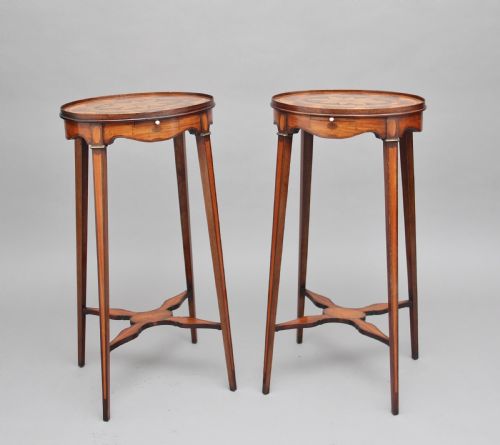


Georgian Display Table
A georgian display table brings together fine cabinetmaking and practical surface space, designed to showcase precious objects securely.
Georgian Display Table
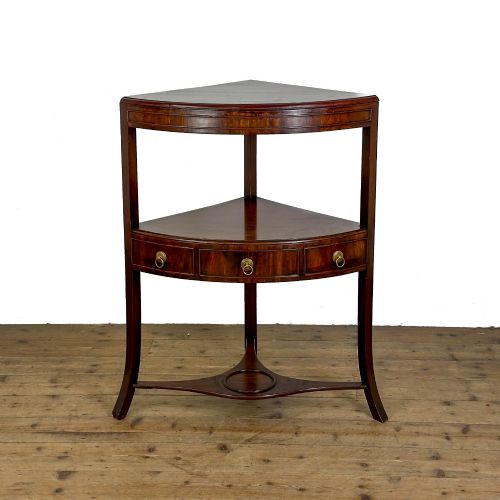
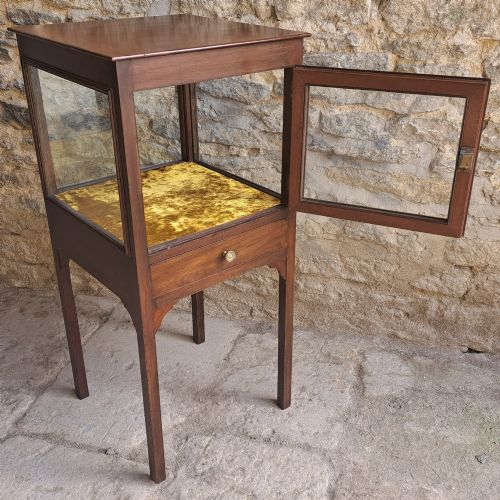
A georgian display table encompasses pieces built to exhibit silverware, glass, and valuables while providing a stable surface within domestic rooms. These items emerge from the Georgian, Regency, and Victorian eras, taking forms such as silver tables, vitrines, and glazed display cabinets.
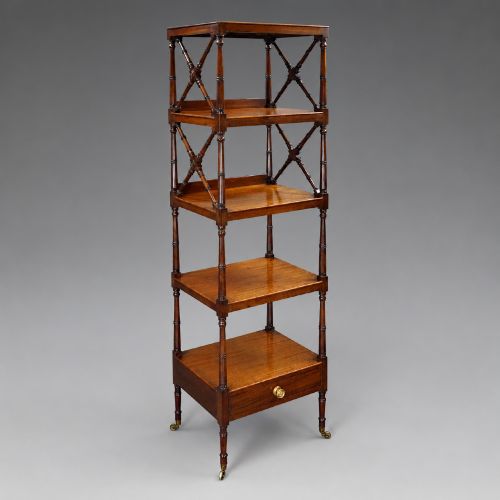
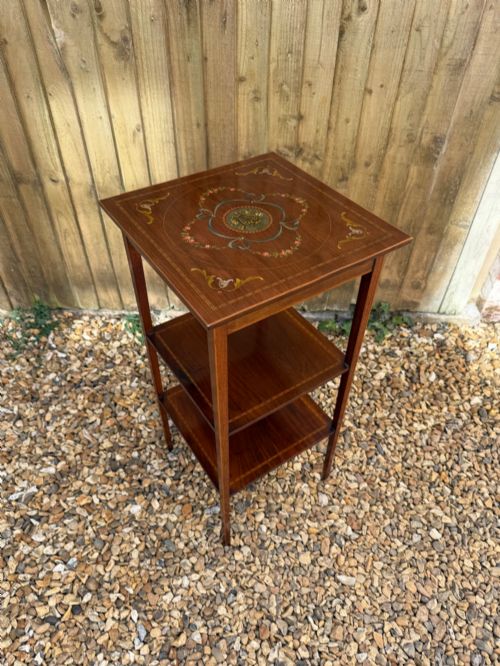
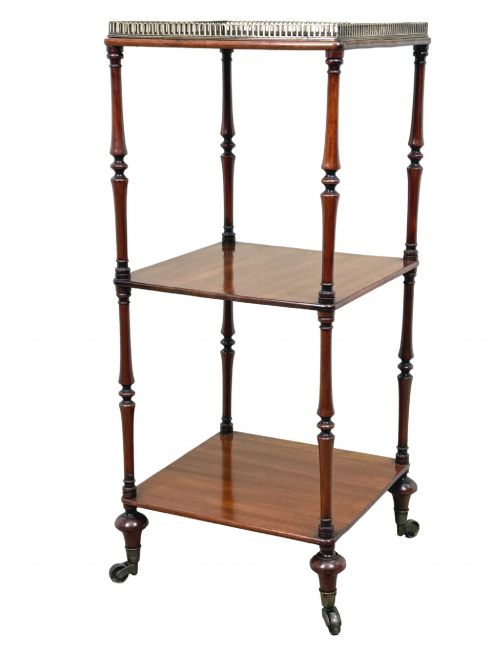
Buyers frequently encounter mahogany pieces alongside oak, satinwood, and rosewood examples originating from the eighteenth and nineteenth centuries. Alongside distinct display tables, related forms like etageres, whatnots, and dumbwaiters appear regularly across the selection.
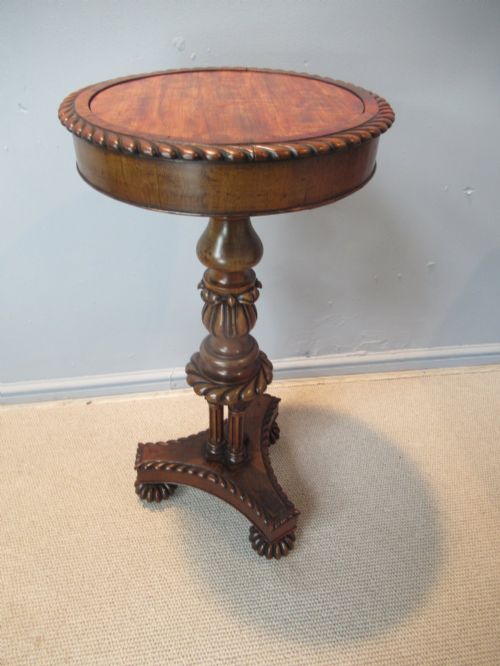
The construction spans formal George III reception tables to later Sheraton revival interpretations and decorative occasional stands. Each variant serves the primary domestic purpose of holding and presenting small collections or prized possessions.
Judgements of quality
Quality rests in the crispness of carved details, the choice of figured timber grains, and the precision of inlaid banding. Superior examples display thoughtful proportions and harmonious integration of glass with structural woodwork.
Lesser pieces often show heavier, utilitarian construction without the refined secondary timbers or subtle patination found in workshop-built examples from the primary periods. The integrity of the original glass and hardware further divides standard production from exceptional survival.
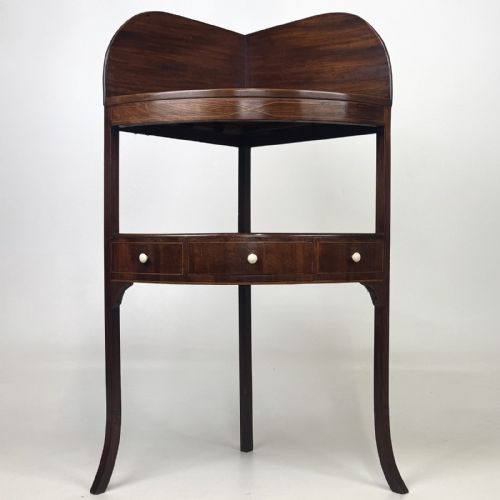
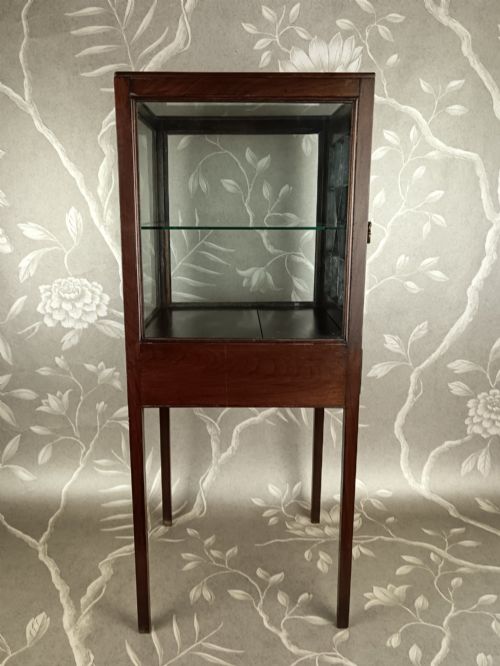
Forms range from glass-topped silver tables and vitrines to multi-tiered etageres, corner washstands, and dumbwaiters.
Shoolbred of London·Gillows·Edwards and Roberts
The Georgian Display Table Glossary
- Vitrine
- A glass-fronted cabinet or table designed specifically for displaying fine objects and curiosities. These pieces protect delicate items from dust while offering maximum visibility.
- Etagere
- A freestanding set of open shelves used for displaying ornaments and small possessions. Originating in France, these multi-tiered stands became popular in English homes during the Regency period.
- Marquetry
- Decorative woodwork where pieces of coloured veneer are fitted together to form pictorial or geometric designs. Craftsmen applied this technique to tabletops and cabinet doors.
- Whatnot
- A movable piece of furniture consisting of several shelves for books or ornaments. They appeared in various shapes, including corner units and multi-tiered stands.
- Stringing
- Thin lines of contrasting wood inlaid into the surface of a piece to create a border. This linear detail defines panels and tabletops on refined furniture.
Georgian Display Table: Frequently Asked Questions
What is a georgian display table used for?
These tables were originally created to hold and exhibit valuable silver, glassware, and small curiosities during formal receptions. They allowed hosts to showcase their possessions while keeping them safe.
Today, they serve a similar purpose in modern interiors, acting as focal points for curated collections or as functional occasional surfaces.
How do I identify a genuine period piece?
Authentic items show age through timber patination, hand-cut joinery, and period-appropriate hardware like brass locks and hinges. Secondary woods used in the interior framing often match the expected era.
Comparing construction techniques against documented workshop standards helps confirm whether a piece dates to the Georgian period or a later revival.
Are these tables suitable for everyday use?
Most examples are sturdy enough for regular placement in a living room or hallway, provided they are treated with care. The glass tops and delicate inlays require gentle handling and protection from moisture.
Placing them away from direct sunlight preserves the natural colour and finish of timbers like mahogany and satinwood.