



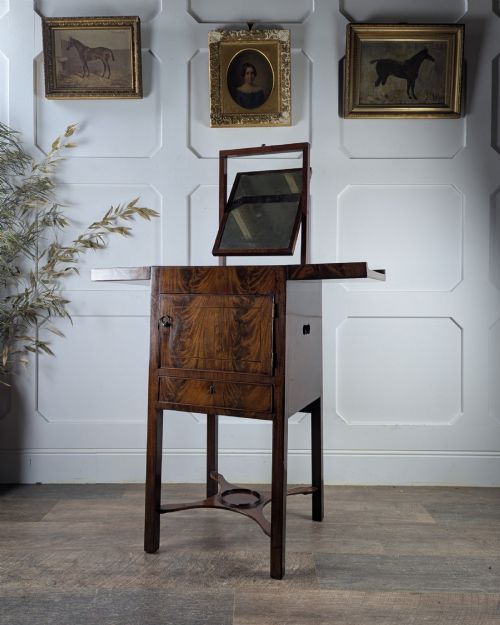
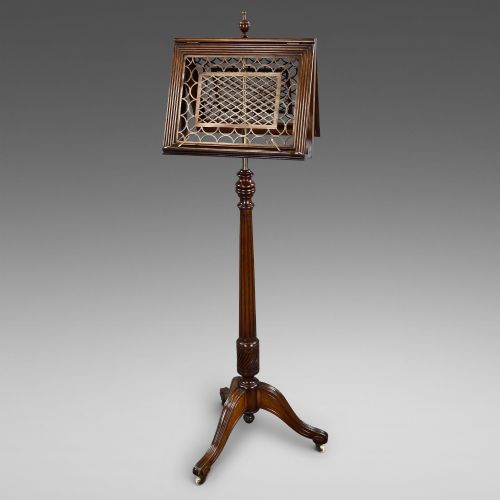
Georgian Desk Stand
A georgian desk stand brings functional elegance to any study, offering tidy compartments for writing materials crafted in classic periods.
Georgian Desk Stand
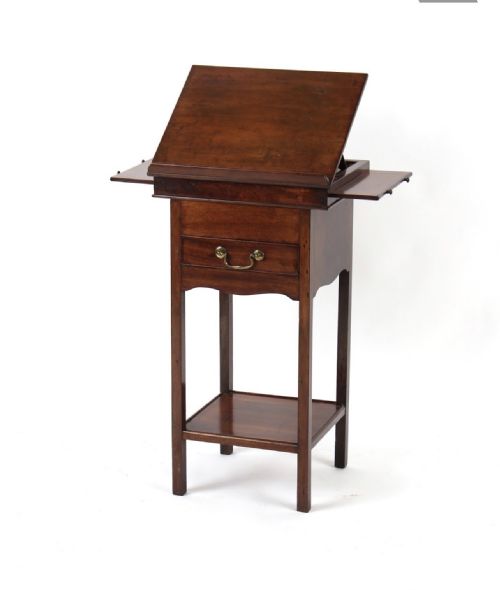
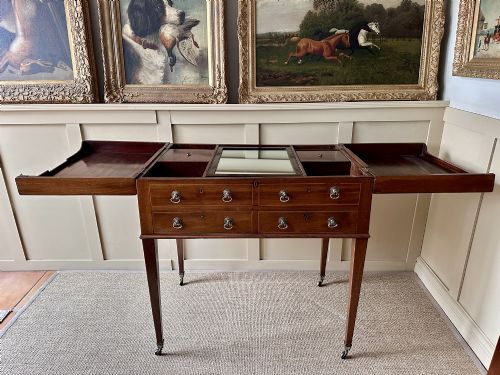
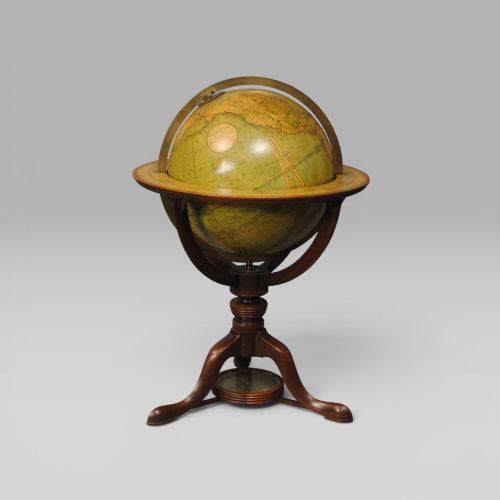
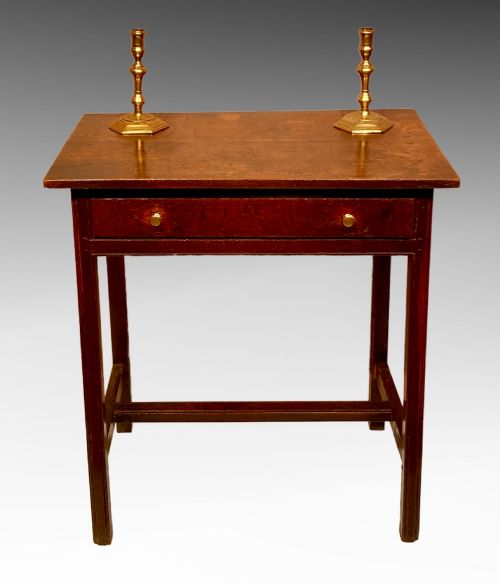
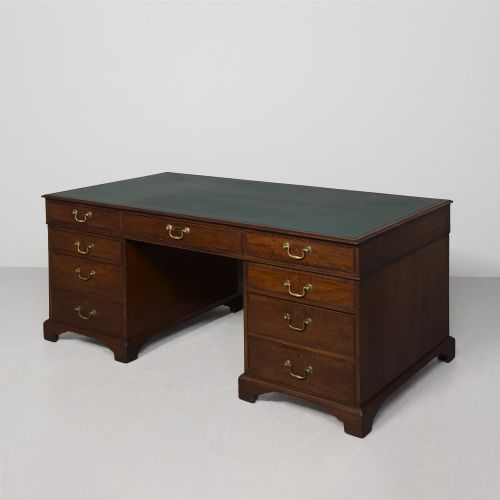
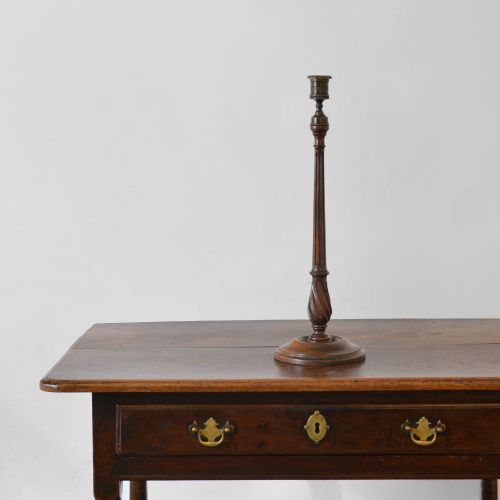
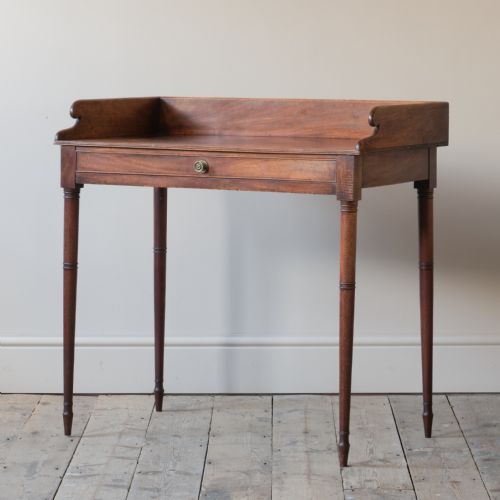
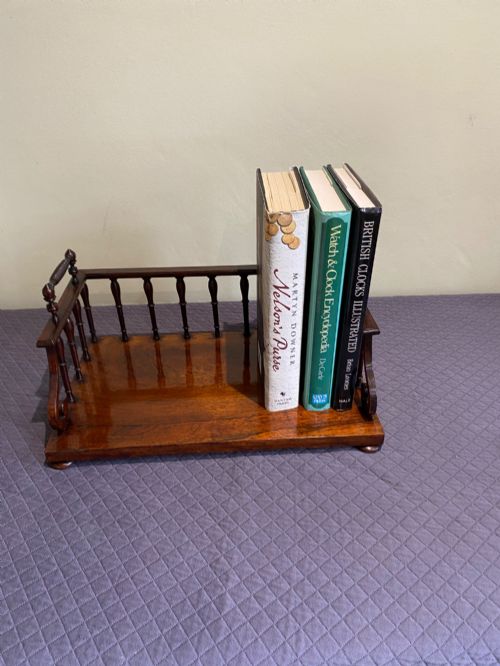
When searching for a georgian desk stand, buyers encounter a variety of antique forms designed for writing, reading, and desk organisation. The pieces on this page span the Georgian, Regency, and 18th Century periods, incorporating materials such as mahogany, oak, walnut, and brass.
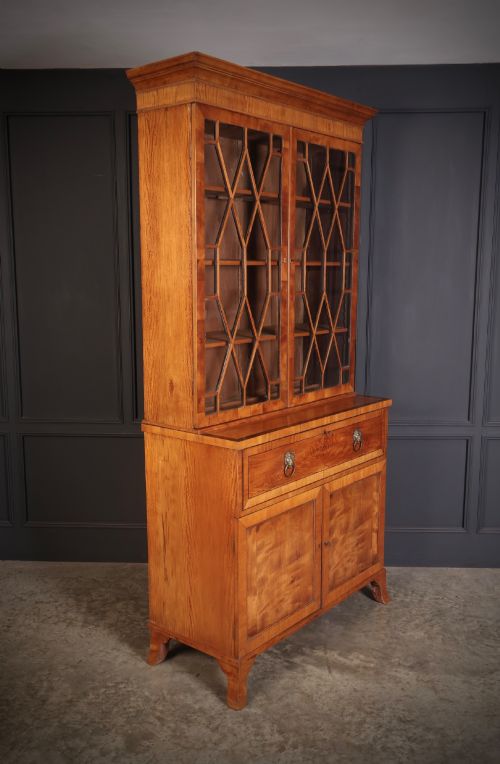
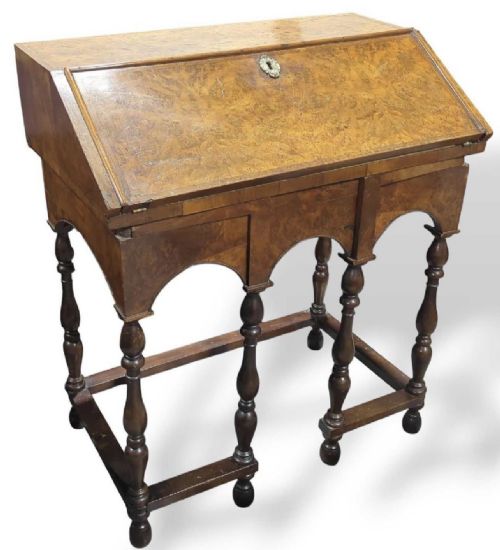
The selection ranges from compact desk accessories and inkstands to larger clerks' desks, writing tables, and bureaux on stands. Many pieces reflect specific reigns like George III and George IV, alongside styles influenced by Queen Anne and Chippendale.
Materials and construction
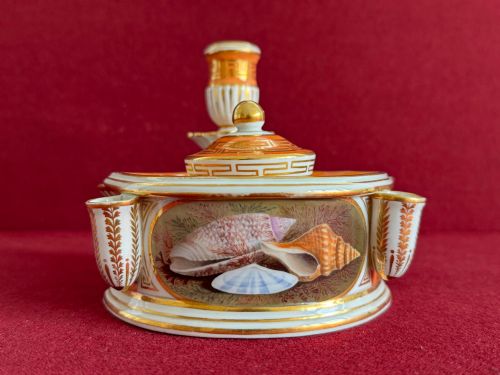
Craftsmen utilised sturdy timber species including mahogany, oak, walnut, burr walnut, and rosewood, often pairing them with brass hardware for handles, feet, and hinges. The evidence also records delicate details such as silver, ebony, porcelain, and cut glass integrated into inkstands and writing sets.
Joinery and surface decoration relied on traditional techniques suited to hardwood furniture and portable accessories. Marquetry inlay, polished finishes, and fitted compartments demonstrate the precision applied to these pieces during the Georgian and Regency eras.
Georgian Desk Stand Retail Price Guide 2026
Typical asking prices for georgian desk stand among the pieces listed under this phrase on Sellingantiques today, from the lower quarter to the upper quarter. They describe what is for sale here now, not the wider market.
Current listings feature pieces spanning the Georgian, Regency, and 18th Century periods, constructed from mahogany, oak, walnut, and brass.
Judging quality and character
Quality in these items rests upon the choice of timber, the crispness of any inlaid work, and the integrity of the original hardware such as brass paw feet or handles. Pieces featuring well-figured burr walnut or substantial solid silver and Sheffield plate display a higher grade of craftsmanship.
Proportion and the preservation of original fitted interiors dictate the desirability of a piece. Finer examples maintain structural balance and authentic materials across reading tables, inkstands, and bureaux on stands.
Gillows
The Georgian Desk Stand Glossary
- Bureau on stand
- A writing cabinet featuring a fall-front desk section raised on a separate supporting framework with legs. This form allows for accessible document storage while maintaining an open floor appearance beneath.
- Inkstand
- A portable tray or stand fitted to hold inkwells, sanders, and penholders, commonly fashioned from silver, Sheffield plate, or porcelain. Such accessories formed an essential part of correspondence equipment on period desks.
- Reading table
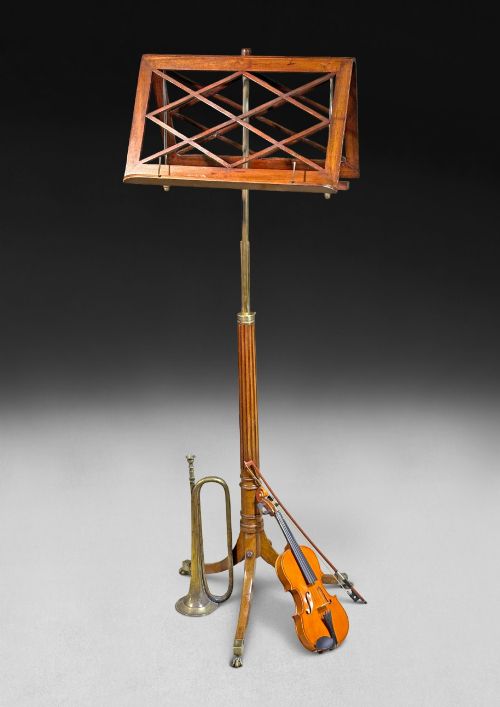
- An adjustable table designed to support books or manuscripts at a convenient angle for the reader. They frequently incorporate mechanical ratchets or pillars.
- Clerks desk
- A utilitarian sloping desk built for standing or seated writing, typically constructed from robust timbers like oak or elm. These items served functional administrative roles in offices and homes.
Georgian Desk Stand: Frequently Asked Questions
What is a georgian desk stand used for?
These pieces served as dedicated stations for writing letters, holding inkwells, and organising writing implements in period homes and offices.
Today, they function as practical desktop accessories or statement furniture pieces that retain their original utility for holding stationery.
How do I identify a georgian desk stand?
Look for characteristic construction markers such as mahogany, walnut, or oak timbers, combined with period brass fittings and fitted interior compartments.
Stylistic cues often reference reigns like George III or Regency designs, distinguishing them from later Victorian reproductions.
Are these pieces made of solid wood?
The listings show primary construction in hardwoods like mahogany, oak, walnut, and rosewood, frequently enhanced with decorative veneers such as burr walnut.
Metal elements like brass, silver, and Sheffield plate appear alongside glass and porcelain in specific inkstand and desk accessory components.
How should I care for antique wood and silver?
Maintain timber surfaces by applying appropriate wax polishes sparingly and keeping pieces away from direct heat sources and strong sunlight.
Silver and Sheffield plate components require gentle cleaning with specialist non-abrasive cloths to preserve their metallic finish without damaging surrounding wood.