


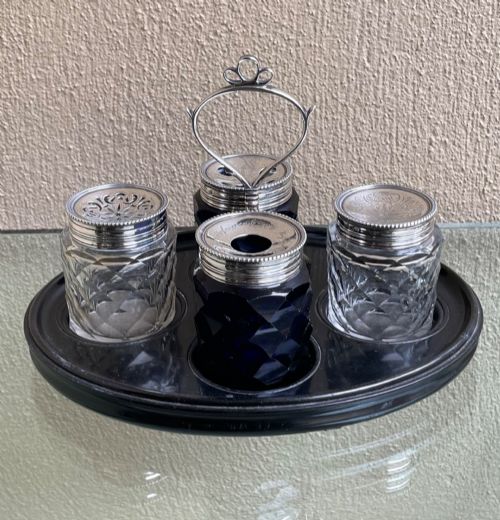


18th Century Desk Stand
An 18th century desk stand brings refined writing equipment and compact writing surfaces into a room, offering both practical utility and historical presence.
18th Century Desk Stand
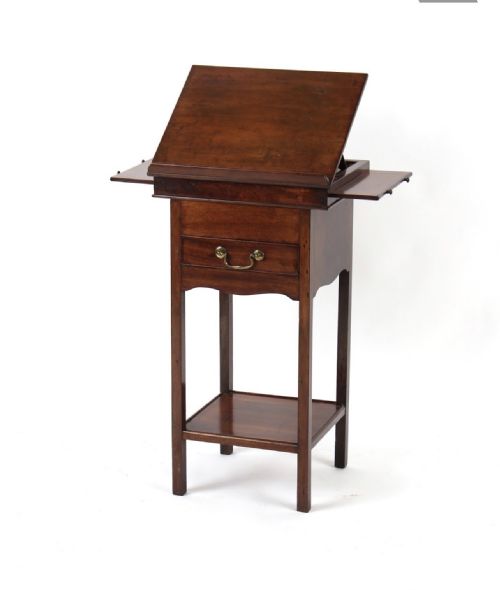
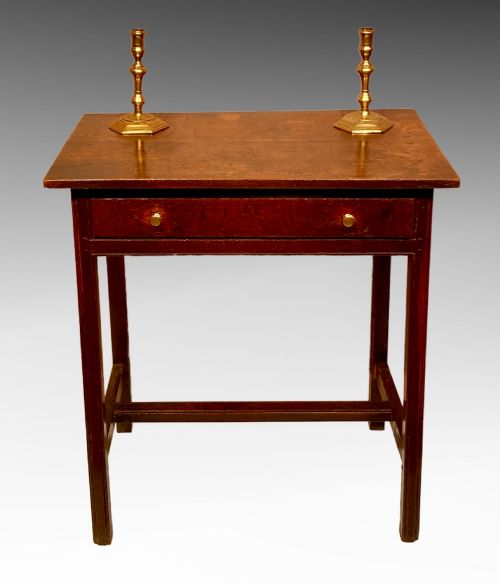
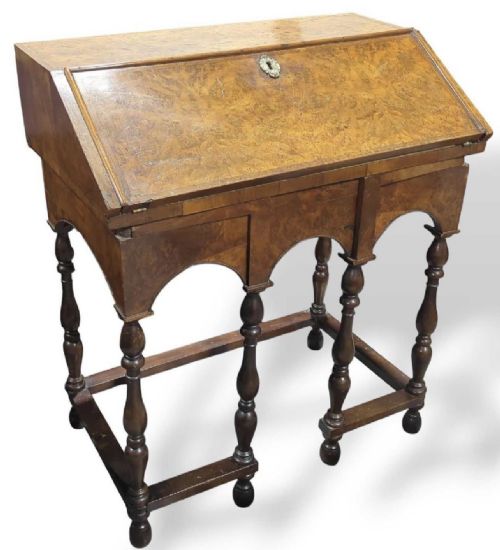
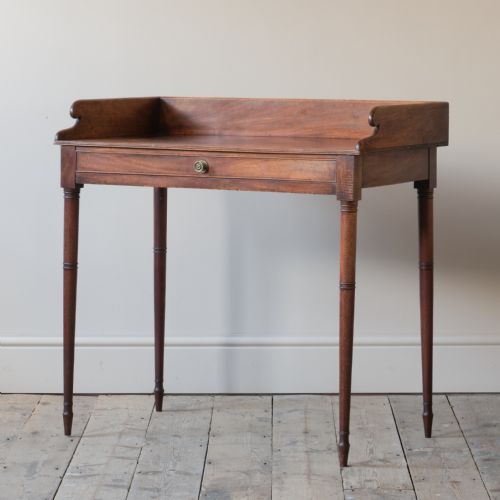
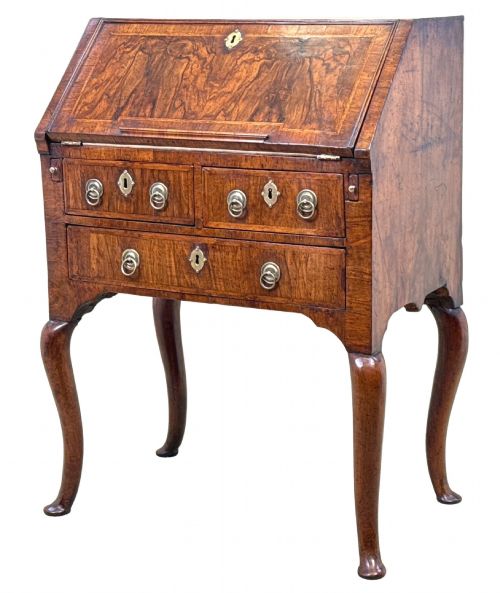
An 18th century desk stand encompasses various forms intended for writing and portable administration, ranging from small inkstands to larger writing cabinets and bureaux on stands. Pieces frequently date from the Georgian era, incorporating specific regional styles like Chippendale or Queen Anne.
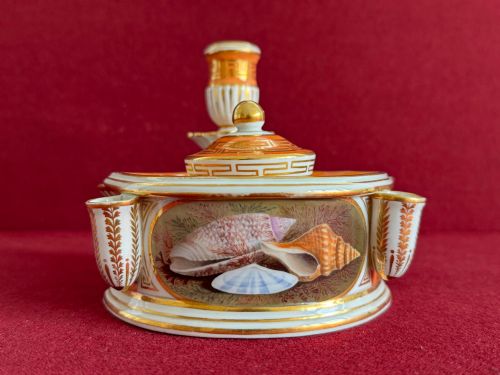
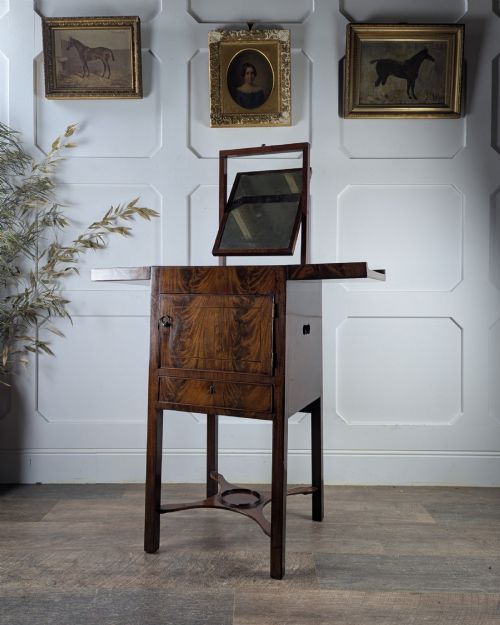
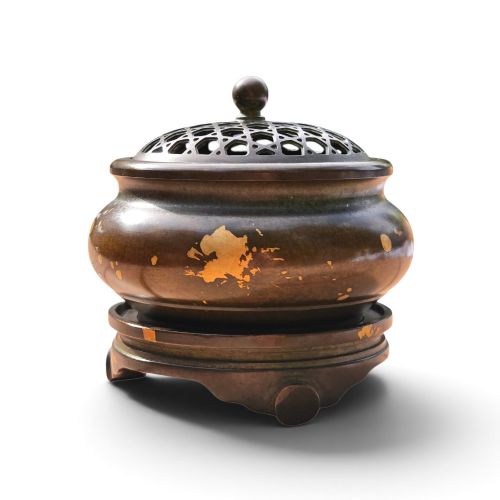
The materials and construction reflect the cabinetry of the period, utilising solid woods and veneers designed to sit on tables or possess their own integrated supports. Buyers encounter compact clerk desks, folding washstands adapted for writing, and specialised inkstands in silver, brass, or ceramic.
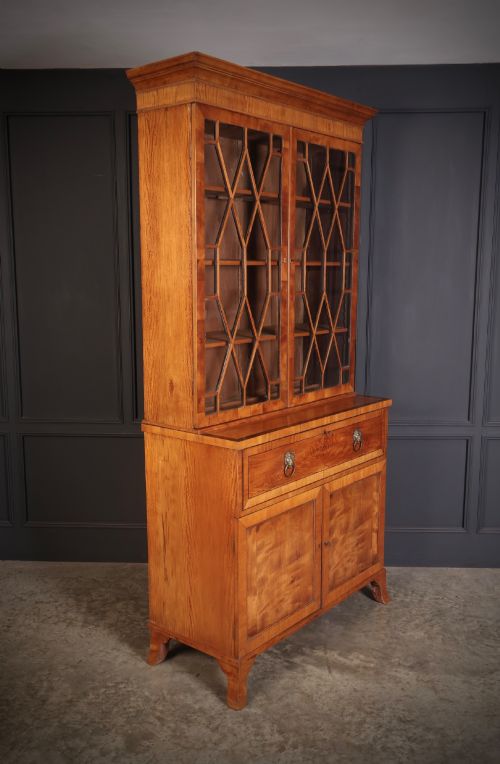
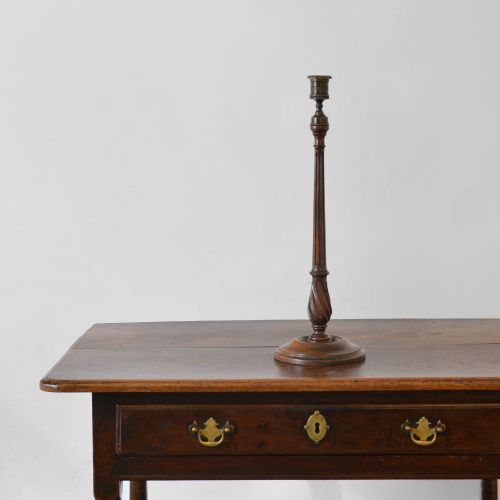
Origins span British workshops alongside continental European and Chinese export examples, showing how writing furniture travelled and adapted during the period. The selection on this page captures this variety, uniting table-top containers with larger furniture pieces raised on stands.
Distinguishing quality in period pieces
Quality rests in the selection of timber and the precision of the cabinet work, where figured veneers and tight joints distinguish superior examples from plain utility pieces. The integrity of the original stand or base relative to the upper desk component determines historical cohesion.
Refinement in secondary details, such as original brass hardware, fitted interior compartments, and well-executed carving in styles like Chippendale, elevates certain items above standard regional work. The survival of original surfaces and patination governs the overall standing of an individual piece.
18th Century Desk Stand Retail Price Guide 2026
Typical asking prices for 18th century desk stand among the pieces listed under this phrase on Sellingantiques today, from the lower quarter to the upper quarter. They describe what is for sale here now, not the wider market.
A tiny table globe from the 18th century proves that desk stands once brought the entire world down to letter-writing height.
The 18th Century Desk Stand Glossary
- Bureau on stand
- A writing cabinet featuring a sloping fall-front desk placed atop a separate table base with legs. This form raises the writing surface for comfortable use.
- Inkstand
- A portable tray or stand fitted with inkwells, sanders, and pen holders. These items sat on larger desks or tables during correspondence.
- Chippendale
- A mid-18th century style of English furniture characterised by carved ornamentation and solid proportions. Pieces in this manner reflect the design books of Thomas Chippendale.
- Dutch Delft
- Tin-glazed earthenware produced in the Netherlands, frequently appearing in inkstands and decorative containers. It brings a white-and-blue ceramic element to desk fittings.
- Escritoire
- A writing cabinet with a fall-front panel concealing small drawers and pigeonholes. The term derives from the French for writing desk.
18th Century Desk Stand: Frequently Asked Questions
What is an 18th century desk stand?
An 18th century desk stand is a portable or raised writing accessory, ranging from inkstands holding inkwells to smaller cabinets and bureaux elevated on stands.
These pieces provided organised space for ink, quills, and correspondence before modern stationery storage became common.
How were these stands used?
They served as dedicated stations for writing letters, managing accounts, and holding documents in domestic or professional settings.
Smaller inkstands moved between rooms easily, while larger bureaux on stands remained fixed in libraries or parlours.
How do I care for antique wood?
Keep wooden pieces away from direct sunlight and sudden temperature changes to prevent timber movement and veneer lifting.
Apply traditional wax polish sparingly to maintain the natural lustre of the period finish.
How can I tell the period?
Examine the timber species, construction joinery, and hardware style to align the piece with documented periods like Georgian or Queen Anne.
Secondary woods inside drawers and the tool marks left by period hand-working methods offer further chronological clues.