

Georgian Desk Box
A georgian desk box organises letters and papers with fitted interiors and secret compartments.
Georgian Desk Box
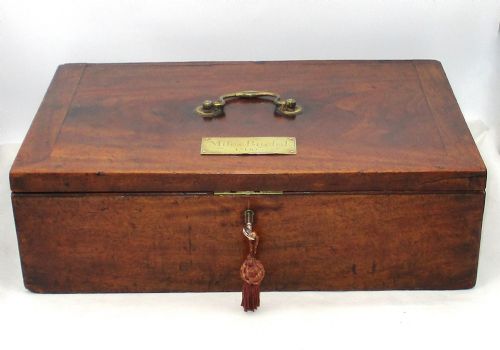
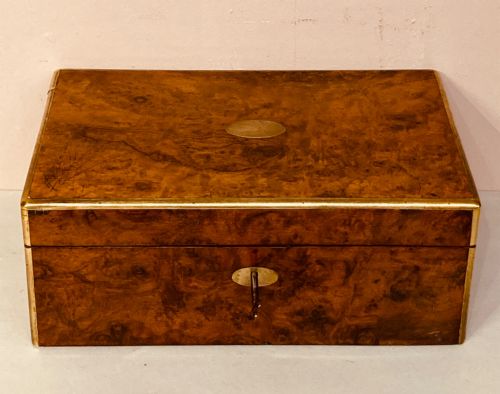
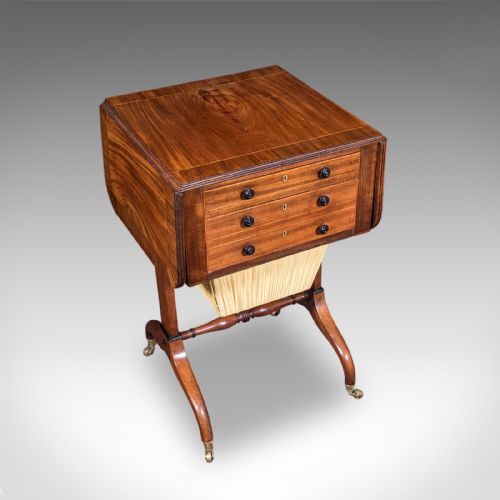
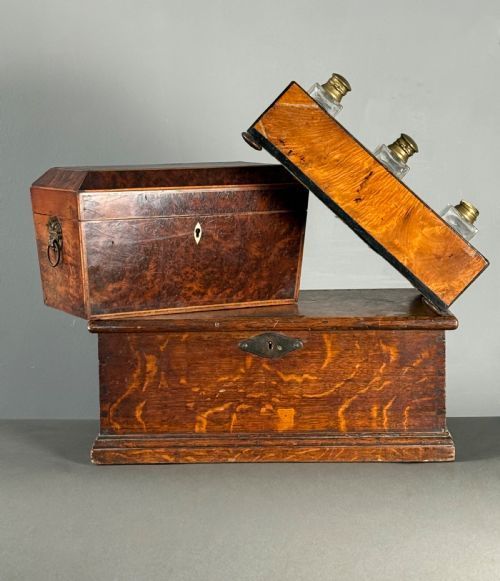
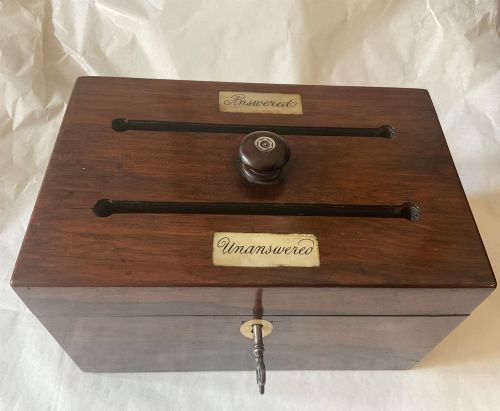
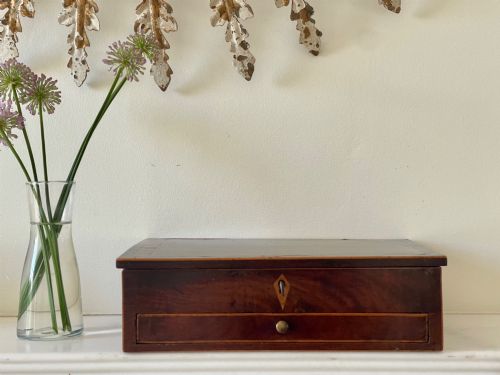
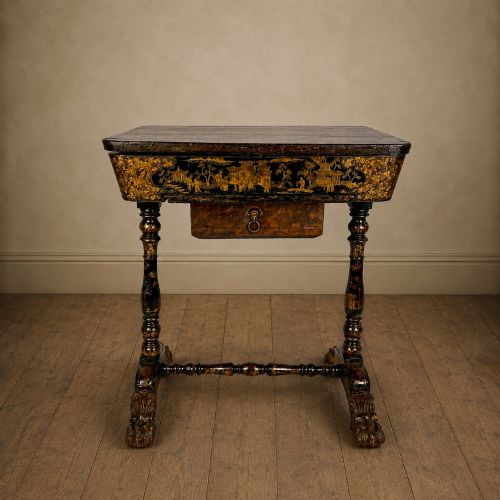
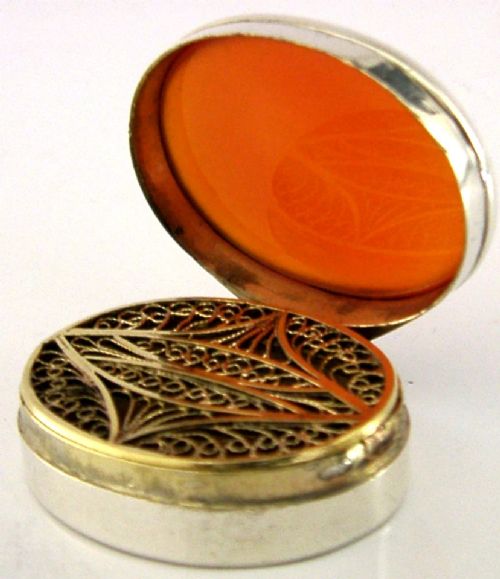
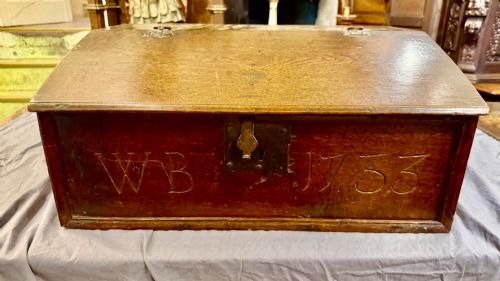
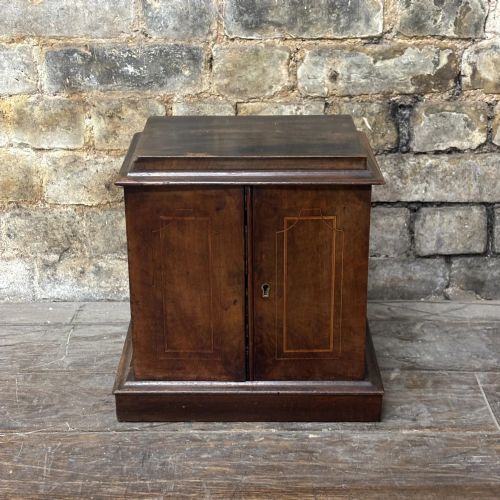
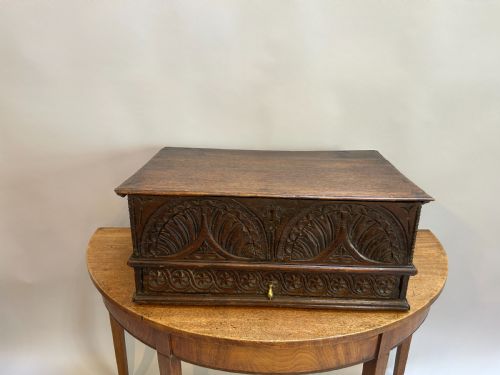
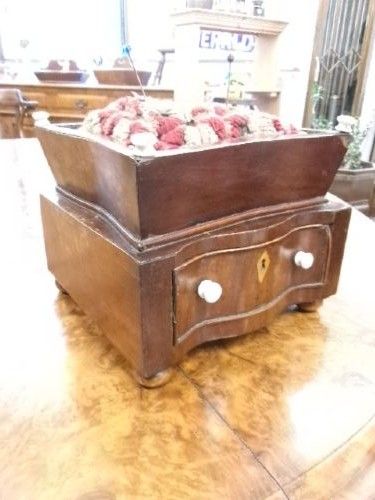
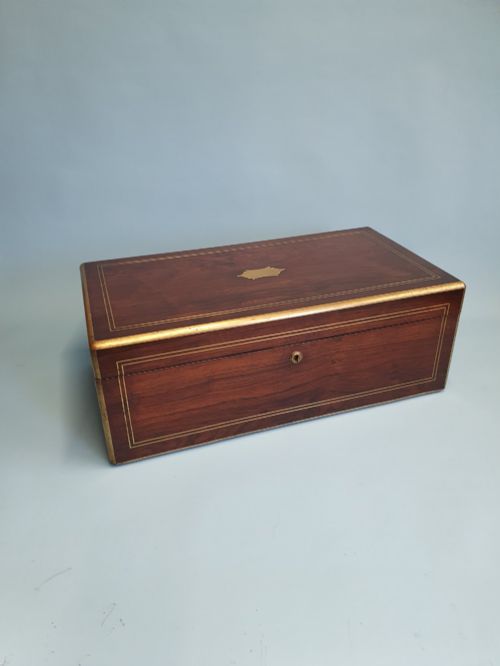
A georgian desk box encompasses portable writing slopes, stationary cabinets, document cases and hinged receptacles built for domestic correspondence. You will regularly encounter mahogany or rosewood slopes alongside oak bible boxes and smaller pocket pieces.
The objects span periods from the seventeenth century through to the late Victorian era, though Georgian and Regency examples predominate. Makers adapted these forms for travel, campaign use, or stationary storage upon domestic tables.
Materials and Technique
Cabinetmakers utilised dense timbers like mahogany, walnut, rosewood, and oak, often highlighting figured grains such as flame mahogany or burr walnut. Brass banding, corner mounts, and lock escutcheons reinforced structural corners and protected travelling boxes.
Interiors incorporated satinwood stringing, bone or mother of pearl details, and secret compartments activated by hidden springs or sliding panels. Joinery relied on precise dovetailing for carcass construction and tight hinging to withstand daily handling.
Listings feature brass, mahogany, rosewood, oak, glass, walnut, bone, and silver across Georgian, Regency, and Victorian periods.
Judging Quality
Quality rests upon the selection of timber figure, the crispness of brass inlay or star stringing, and the complexity of the internal fittings. Superior examples maintain original finish, matching grain patterns across panels, and fully functional secret mechanisms.
Lesser items display replacement hardware, mismatched secondary woods, or crude repairs to hinges and slopes. The precision of the dovetail joints and the integration of fitted inkwells and pen trays indicate the workshop standard.
Marson and Jones
The Georgian Desk Box Glossary
- Writing slope
- A portable box with a hinged, slanted lid that folds down to form a writing surface. Inside, compartments hold paper, pens, and inkwells.
- Secret compartment
- A hidden drawer or recess concealed behind false panels within the box. These spaces protected valuables or confidential documents.
- Campaign style
- Furniture or boxes designed for travel, featuring recessed brass handles and reinforced corners. Such pieces prioritised durability on military or naval journeys.
- Pounce pot
- A small container with a perforated lid used to sprinkle resin powder over parchment. This prepared rough paper surfaces for ink.
- Escutcheon
- A protective metal plate surrounding a keyhole. On these boxes, brass escutcheons often matched corner brackets and strapwork.
Georgian Desk Box: Frequently Asked Questions
How do I use a desk box?
Place the box on a stable surface and release the brass latches to lift the hinged lid. Slanted writing slopes fold downward to create a leather or velvet lined writing surface.
Fitted interior compartments organise paper, pens, and sealing wax. Secret drawers often release by pressing hidden wooden catches inside the main well.
Where were these boxes used?
Owners kept these boxes on library tables, bureau desks, or carried them on travels. Campaign versions accompanied officers and gentlemen on journeys.
Stationary boxes and document cases remained stationary in country house studies. Smaller snuff boxes and vinaigrettes served personal pocket use.
How do I clean the wood?
Dust the timber regularly with a soft, dry cloth to prevent grit accumulation. Apply a quality beeswax polish sparingly to maintain the natural sheen.
Avoid liquid cleaners and excessive moisture which can damage polished veneers and brass mounts. Protect rosewood and mahogany surfaces from direct sunlight.
Are keys usually included?
Original working keys are uncommon because locks were frequently changed or keys misplaced over centuries of domestic use. Many boxes retain their original brass locks and escutcheons even without the operating key.
Specialist locksmiths can sometimes fit replacement keys if the mechanism requires daily locking.
How do I date these boxes?
Examine the secondary woods, dovetailing techniques, and brass hardware styles. Georgian and Regency pieces favour flame mahogany and rosewood with flush brass mounts.
Later Victorian and Edwardian examples introduce heavier handles, altered proportions, and different internal stationery partitions.