


Antique Childs Desk
An antique childs desk offers small-scale writing surfaces scaled for younger users, merging period character with compact furniture design.
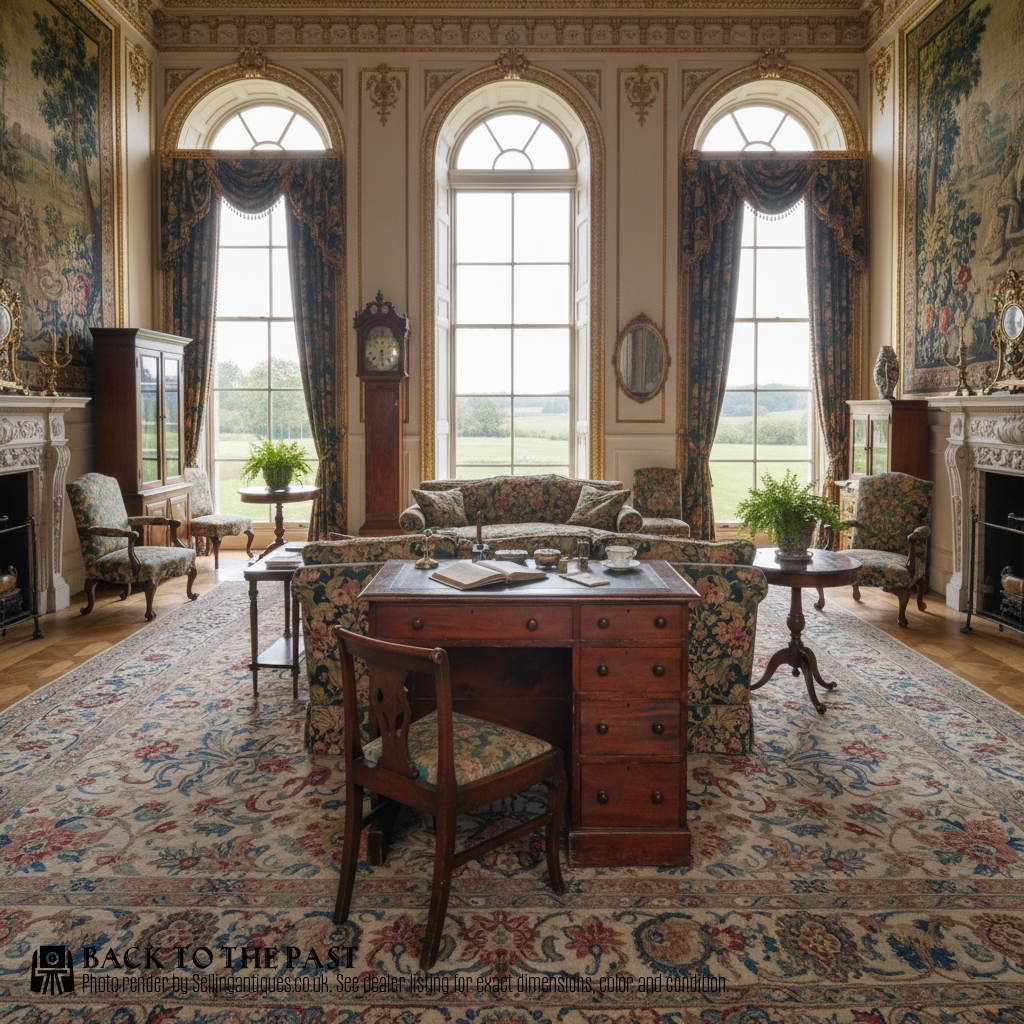
Antique Childs Desk
When you search for an antique childs desk, you encounter compact writing furniture and related small-scale pieces originating from the Georgian period through the early twentieth century. These items include freestanding writing tables, bureau forms, and fitted desks designed specifically for children.
The selections span distinct historical eras, incorporating Georgian mahogany and elm examples alongside Edwardian oak designs and later twentieth-century pieces. Alongside traditional desks, the available forms often extend to associated seating and writing accessories from the nineteenth and twentieth centuries.
Materials and construction
Construction relies primarily on traditional timbers such as mahogany, oak, walnut, elm, and yew wood, often shaped into small-scale proportions for juvenile use. Joinery techniques reflect the period of origin, from eighteenth-century cabinet making to early twentieth-century workshop production.
Surfaces frequently showcase the natural grain of the wood, sometimes paired with structural elements in brass, bronze, or leather depending on the style and date. These materials combine to create durable, scaled-down writing furniture designed for practical use.
Several listings pair children's desks with small-scale armchairs and night lights featuring children and their best friends.
Judging quality
Quality in an antique childs desk rests upon the integrity of the timber selection and the precision of the cabinet work executed at a reduced scale. Pieces that maintain correct proportions and retain their original structural elements stand apart from altered examples.
The refinement of the secondary woods, the execution of any turned or carved details, and the overall harmony of the smaller dimensions determine the standing of an individual desk within its period.
Pairs MFG Co·Heals
The Antique Childs Desk Glossary
- Georgian
- Pertaining to the period from 1714 to 1830 spanning the reigns of the first four Georges. Furniture from this era often utilises dense timbers like mahogany and walnut.
- Edwardian
- Relating to the reign of King Edward VII from 1901 to 1910. Pieces from this time frequently display lighter oak construction and refined proportions.
- Bureau
- A sloping desk with a hinged lid that covers a fitted interior of pigeonholes and small drawers. This form appears across several historical periods in scaled-down sizes.
- Windsor
- A traditional wooden chair style featuring a solid saddle-seat into which the legs and back spindles are directly inserted. These chairs are constructed with bentwood elements for the back rail.
- Elm
- A tough, durable hardwood with an interlocked grain used in traditional cabinet making. It provides structural strength for domestic furniture items.
Antique Childs Desk: Frequently Asked Questions
What is an antique childs desk?
An antique childs desk is a scaled-down writing surface produced during past centuries for younger users, incorporating period furniture styles into smaller dimensions.
These pieces reflect the design characteristics of eras such as the Georgian period, the Victorian era, and the early twentieth century.
How were antique childs desks used?
They served as practical writing and study stations for children within domestic settings, mirroring the adult furniture of their respective periods.
Due to their compact size, they functioned in nurseries, schoolrooms, or smaller chambers where full-scale furniture proved impractical.
How do I identify the period of a desk?
Dating relies on observing the primary timbers utilised, the construction methods applied to the drawers, and the overall stylistic vocabulary of the frame.
Comparing the decorative motifs and joinery details to established design periods helps determine whether a piece belongs to the Georgian, Victorian, or Edwardian eras.
How do I care for antique wood furniture?
Preservation involves maintaining stable indoor humidity levels and keeping wooden surfaces away from direct heat sources and strong sunlight.
Regular dusting with a soft, dry cloth protects the finish without the need for heavy chemical polishes or modern cleaning agents.