





Georgian Derby Porcelain Figurine
A georgian derby porcelain figurine brings the theatrical grace of the eighteenth century directly onto a mantelpiece through finely modelled clay and rich enamel.
Georgian Derby Porcelain Figurine
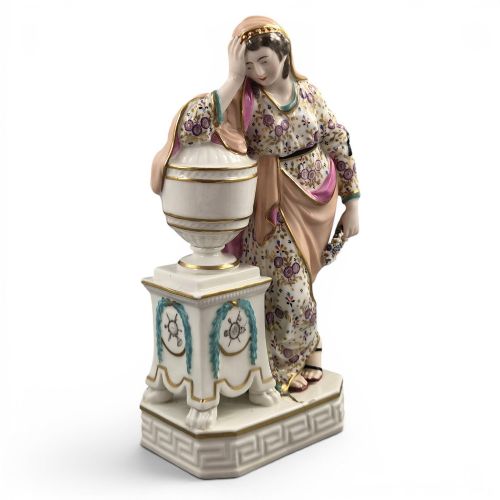
Collectors seeking a georgian derby porcelain figurine encounter a diverse array of subjects spanning classical mythology, pastoral shepherds, animals, and theatrical characters. These decorative objects range from single figures like Minerva and Diana to complex candlestick groups and allegories of the elements.
The material evolution moves from early soft-paste porcelain and biscuit bodies towards later nineteenth-century Bloor period productions. Stylistic shifts trace a path from rococo curves with leafy bocage backgrounds through neoclassical restraint into early regency vibrancy.
Materials and manufacture
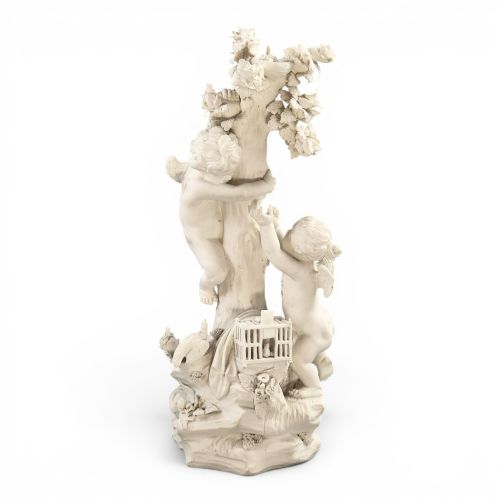
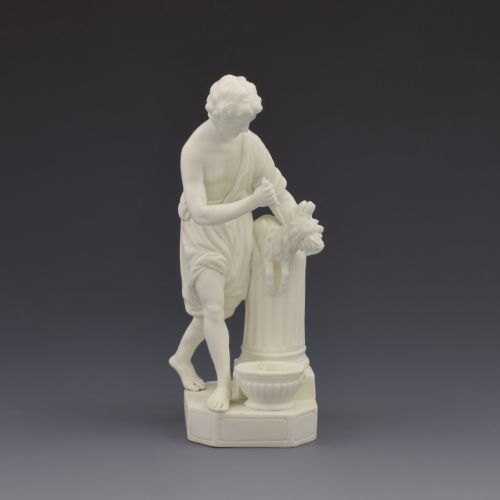
Makers utilised soft-paste porcelain and unglazed biscuit porcelain alongside lead glaze to achieve varying surface textures. Biscuit porcelain offered a matte, marble-like finish popular for classical mythological groups.
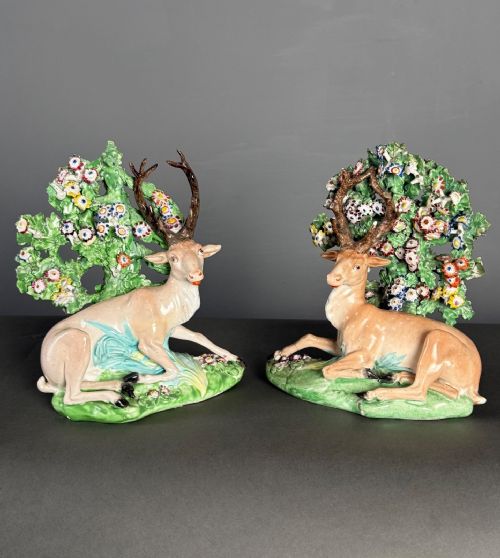
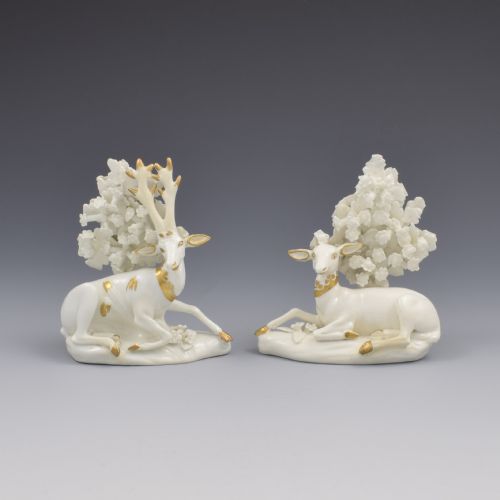
Enamel colours and gold leaf highlights were applied by hand over the fired body to accentuate details on garments and bases. Elaborate models incorporated applied floral bocage backgrounds that required careful kiln support during firing.
Listings feature porcelain, soft-paste porcelain, biscuit porcelain, enamel, gold leaf, and lead glaze across eighteen-century and nineteenth-century periods.
Variations in quality
The complexity and scale of the composition also dictate tier, with multi-figure groups or models incorporating elaborate bocage foliage representing greater technical ambition than simple single figures.
The Georgian Derby Porcelain Figurine Glossary
- Soft-paste porcelain
- An artificial porcelain paste fired at lower temperatures than hard paste, creating a creamy body that absorbs enamels warmly. This composition typifies many eighteenth-century Derby pieces.
- Biscuit porcelain
- Unglaved porcelain fired to a porous, matte state resembling white marble. It became particularly fashionable for classical and allegorical figures.
- Bocage
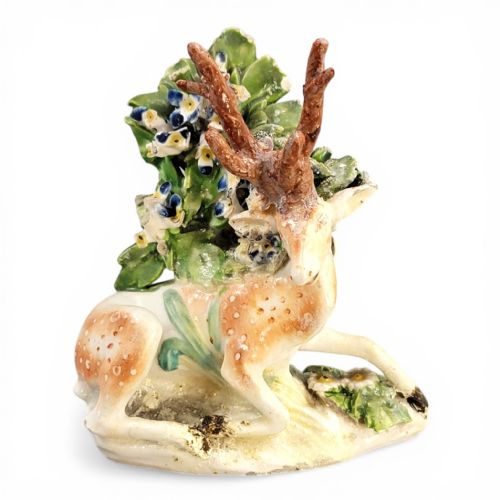
- Applied ceramic foliage and leafy branchwork forming a decorative background arbour around a figure. It provides structural context in rococo pastoral scenes.
- Patch mark
- An unglazed circular blemish on the underside of a porcelain base left by the clay supports used inside the kiln. These marks help date pieces to the early factory periods.
- Enamel
- Vitreous coloured decoration painted onto the glazed surface of the porcelain before a secondary low-temperature firing. Enamels provide the vibrant palette seen on garments and animals.
Georgian Derby Porcelain Figurine: Frequently Asked Questions
What subjects do these figures show?
The subjects span classical deities, mythological characters, pastoral shepherds, street vendors, and theatrical performers. Allegorical representations of the elements and seasons also appear frequently.
Animal studies, including recumbent stags and pairs of deer with bocage, form another distinct category within the factory output.
How are different periods identified?
Dating relies on body composition, glazing characteristics, and modelling style, shifting from early soft-paste bodies to later nineteenth-century Bloor productions. Patch marks on the underside point specifically to eighteenth-century manufacture.
Stylistic cues also guide identification, moving from rococo asymmetry to neoclassical severity and regency ornamentation.
Were these figures used as lighting?
Many examples incorporate functional sconces alongside the sculptural elements to serve as candlesticks or figural candelabras. These combined decorative and practical roles on dining tables and mantelpieces.
Other pieces were purely decorative objects designed for display on brackets or console tables.
How should these pieces be displayed?
Placement requires stable, enclosed surfaces away from direct sunlight and heavy foot traffic to protect delicate extremities and painted surfaces. Single figures look effective individually, while pairs and candlestick groups create symmetrical arrangements.
Keeping them at eye level allows the fine details of the modelling and gilding to be appreciated fully.