




Georgian Derby China
Georgian Derby china brings tactile elegance to a room, offering porcelain figures, armorial plates and teapots created during a celebrated era of ceramic artistry.
Georgian Derby China
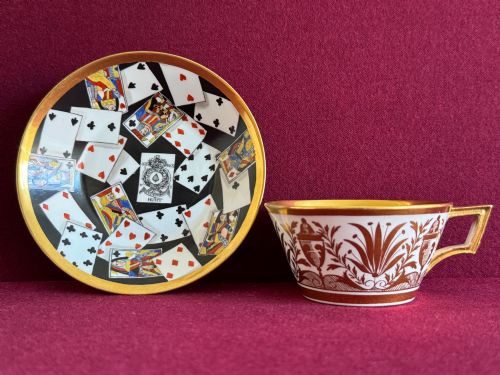
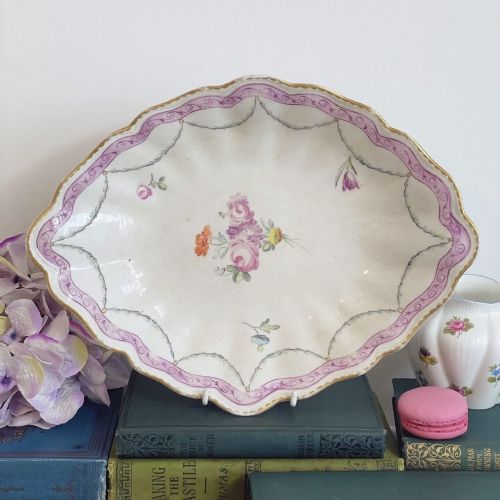
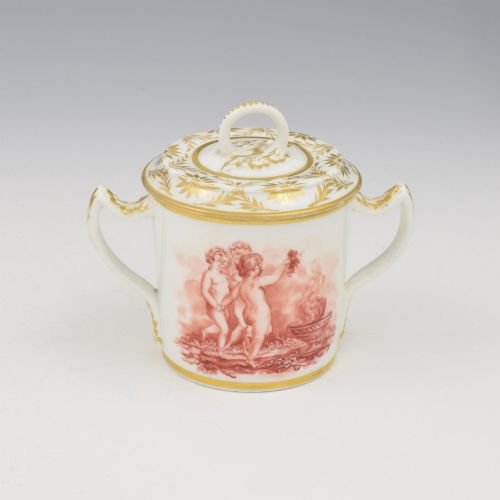
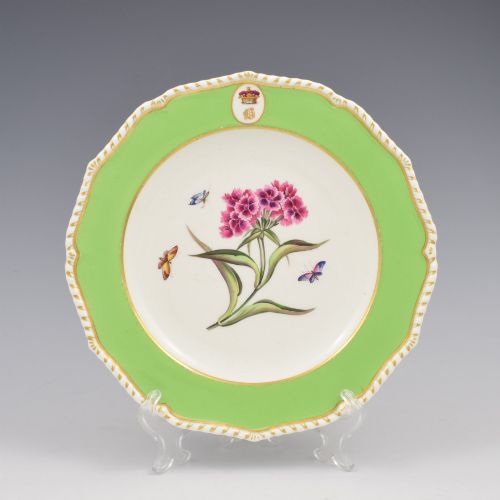
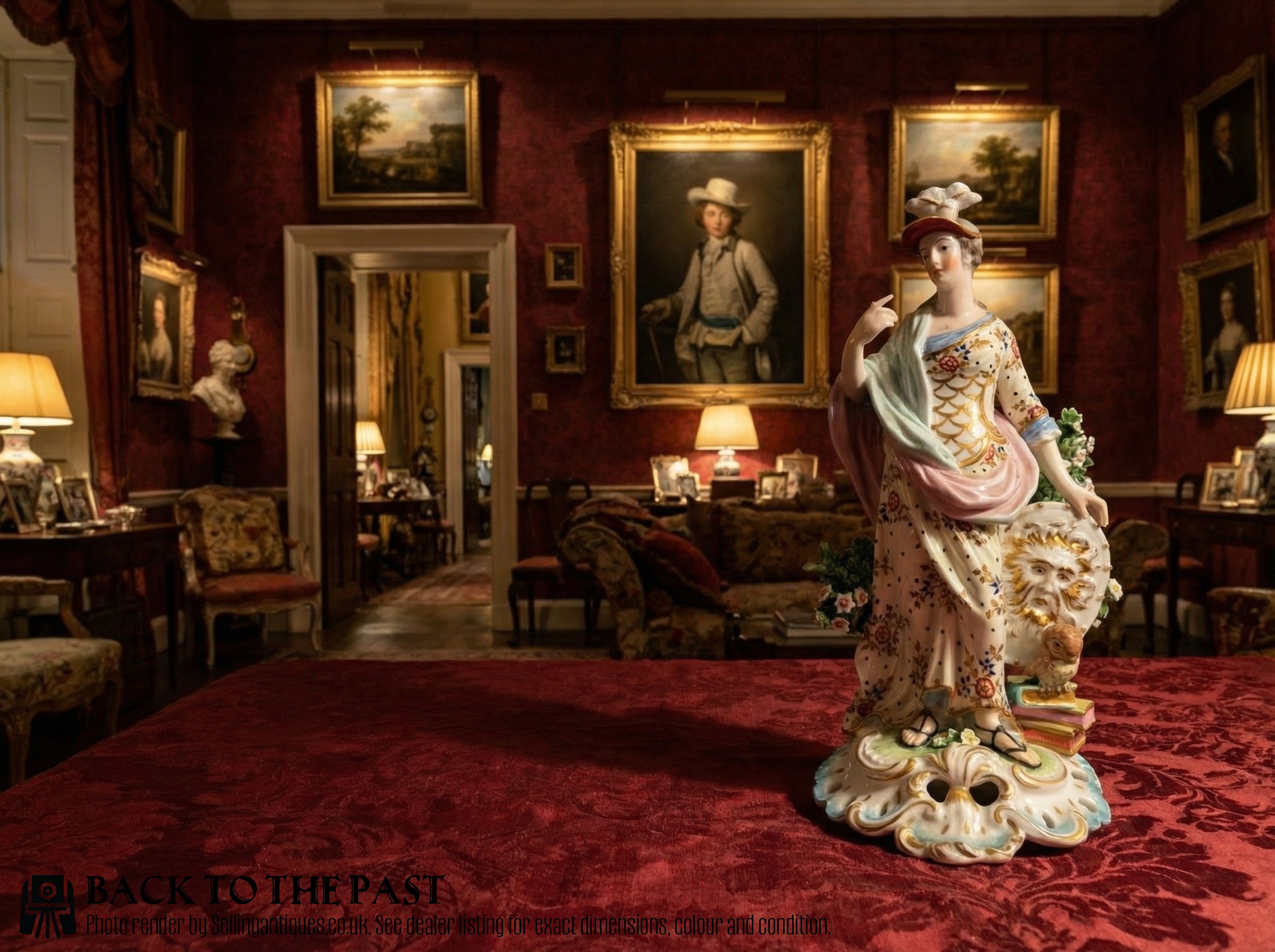
Georgian Derby china encompasses functional tableware and sculptural figures produced in Derbyshire during the eighteenth and early nineteenth centuries. When searching for georgian derby china, buyers encounter varied forms ranging from delicate teacups and saucers to botanical dessert plates and painted vases.
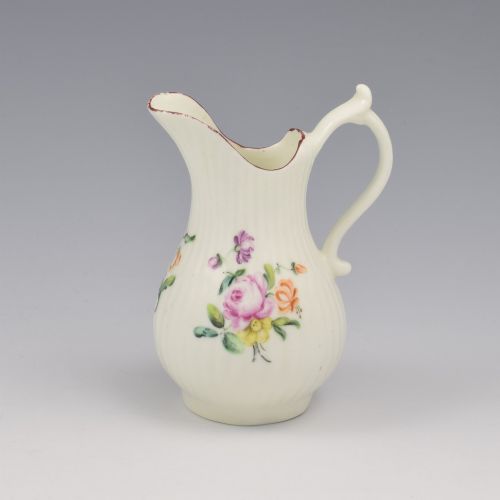
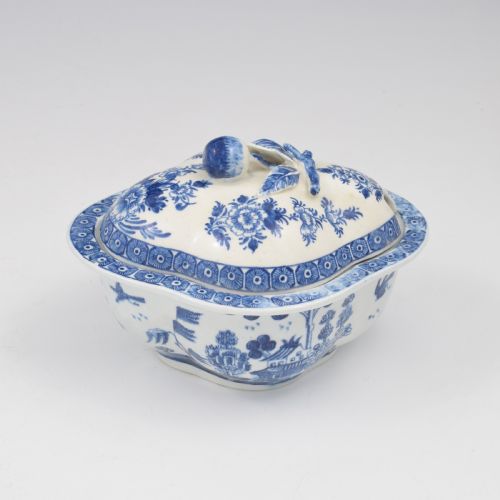
The objects span multiple periods, touching upon the eighteenth century, Regency and Victorian eras while remaining anchored in Georgian styles. Common utilitarian pieces include tureens, teapots, cream jugs and butter dishes alongside decorative figures and figural candlesticks.
Makers and decorators of the period drew upon diverse artistic influences, producing pieces decorated with handpainted polychrome flowers, sepia putti and Kakiemon style patterns. These domestic and ornamental items reflect the evolving tastes of British households across several decades.
How They Were Made
Makers utilised soft-paste porcelain as a primary body for early wares, shaping items through throwing, moulding and casting before initial firing. Artisans then applied enamel colours and gold leaf by hand, often incorporating rich gilding to highlight moulded details and borders.
Techniques evolved from simple blue and white underglaze painting towards intricate enamel work executed by skilled specialists. Surface decoration frequently combined botanical studies, armorial crests and landscape scenes fixed through subsequent kiln firings.
Listings feature porcelain forms from the eighteenth and nineteenth centuries, spanning teacups, botanical dessert plates, figures and tureens decorated in enamel and gold leaf.
What Varies in Quality
Quality in these ceramics rests primarily upon the skill of the painter and the crispness of the porcelain modelling. Superior pieces exhibit finely detailed handpainted subjects, such as botanical studies by named artists, alongside precise enamel work and well-preserved gilding.
Early soft-paste bodies and complex figural groups demonstrate greater technical ambition than standard production wares. The clarity of the glaze and the neatness of the factory marks further distinguish finer examples from more routine output.
The Georgian Derby China Glossary
- Soft-paste porcelain
- An early ceramic composition fired at lower temperatures than hard-paste porcelain, creating a warm, slightly creamy body favoured by eighteenth-century English factories.
- Enamel
- Opaque vitreous colours fused to the porcelain surface during a second firing. It allows for vibrant painted decoration across plates, cups and figures.
- Gilding
- The application of gold leaf or gold paint to ceramic edges and handles. It provides a decorative metallic finish characteristic of fine dining wares.
- Kakiemon
- A Japanese enamel style featuring asymmetric floral and bird motifs adopted by European potteries. It appears on Derby butter dishes and shell plates.
- Armorial
- A decorative scheme incorporating a family coat of arms or crest. These bespoke designs were commissioned for prominent households and dining services.
Georgian Derby China: Frequently Asked Questions
How do I identify a Derby mark?
Early pieces often feature blue, purple or red painted anchor marks, sometimes combined with a crown or crossed batons depending on the production decade.
Later nineteenth-century items produced during the Bloor period generally utilise printed red or brown crown and D marks.
Can I use these plates for dining?
While these ceramics were originally created for functional use, age and historic wear make most antique examples unsuitable for modern dining.
Collectors generally preserve them for display, gentle handling or specialised dessert service rather than everyday meals.
What is a Bloor Derby piece?
Bloor Derby refers to wares produced under the management of Robert Bloor during the early nineteenth century, specifically from roughly the second decade onward.
These items often showcase bold botanical painting, rich gilding and Regency or late Georgian aesthetic traits.