



Georgian Decanter Chest
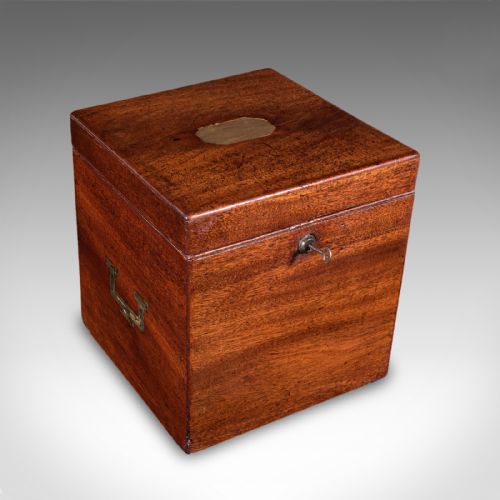
A georgian decanter chest is a handsome receptacle designed to secure fine spirits during transit or formal dining, offering a tactile connection to historical entertaining.
Georgian Decanter Chest
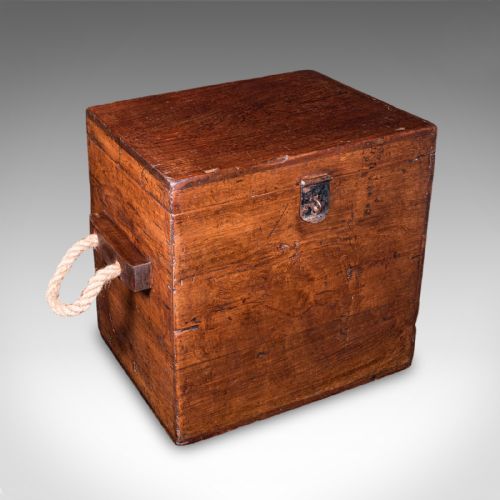
When you search for a georgian decanter chest, you encounter robust storage containers engineered to hold bottles securely in fitted compartments. These pieces range from compact tabletop wine boxes to substantial cellarettes and campaign sets.
The versions most likely to appear on this page hail from the Georgian, Regency, and late eighteenth-century periods. Workshops produced them in portable formats for maritime use as well as static dining room companions.
Makers adapted these boxes for various spirits including rum and whiskey, often incorporating brass hardware and specialised locking mechanisms to protect the contents.
How they were made
Joiners constructed the primary carcass from dense hardwoods like mahogany, walnut, and padouk, selected for durability and rich grain. Carpenters fitted these timbers with brass handles, hinges, and locks to withstand heavy use.
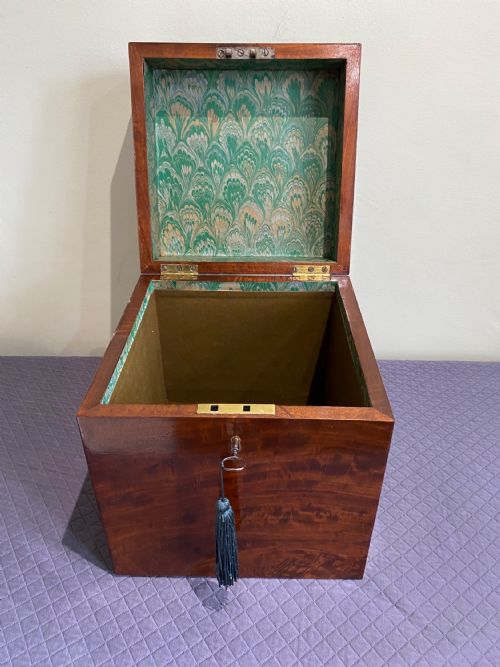
Interiors feature precise wooden dividers or bottle frames lined to cushion fragile glass decanters during travel. Metal components such as steel and iron reinforced the corners and fastening points of campaign-style pieces.
Georgian Decanter Chest Retail Price Guide 2026
Typical asking prices for georgian decanter chest among the pieces listed under this phrase on Sellingantiques today, from the lower quarter to the upper quarter. They describe what is for sale here now, not the wider market.
Listings feature items spanning the Georgian, Regency, and eighteenth to nineteenth centuries, constructed primarily from mahogany, walnut, and padouk with brass fittings.
What varies in quality
The calibre of a piece rests upon the selection of timber and the precision of the internal partitioning. Superior examples display carefully matched grain patterns across the exterior and robust, functional hardware.
Sophistication of the locking mechanism also distinguishes finer boxes, with advanced setups like Bramah locks indicating superior original commissioning. The presence of undamaged original glass components adds significantly to the integrity of the ensemble.
The Georgian Decanter Chest Glossary
- Cellarette
- A freestanding or tabletop container designed to hold wine bottles and decanters near the dining table. These vessels often incorporate lead lining or fitted wooden grids to keep bottles upright.
- Campaign set
- A portable collection of decanters and glassware fitted into a dedicated travelling box. Officers and travellers utilised these robust sets on military campaigns or long sea voyages.
- Bramah lock
- A high-security patented lock mechanism invented in the late eighteenth century. These sophisticated locks appeared on quality storage boxes to deter pilfering of spirits.
- Padouk
- An exotic tropical hardwood prized for its dense grain and warm reddish hue. Cabinet makers working in Anglo-Indian colonial workshops utilised this timber for export furniture.
- Wine cooler
- A large receptacle used during formal meals to chill bottles before serving. They frequently share form and construction methods with decanter chests.
Georgian Decanter Chest: Frequently Asked Questions
What are decanter chests used for?
These chests served to safely store and transport glass decanters filled with spirits, wine, and cordials.
Owners kept them locked to protect expensive beverages from household servants or during travel.
How do I identify a Georgian box?
Look for characteristic construction methods, timber choices such as mahogany and walnut, and period brass hardware.
Stylistic cues align with eighteenth-century and Regency cabinet making traditions, often featuring clean geometric lines.
Were these boxes meant for travel?
Many examples were specifically engineered for maritime voyages or military campaigns with robust carrying handles and secure fastenings.
Others remained stationary in grand dining rooms as elegant side furniture.
How should I clean the wood?
Maintain the timber surfaces with traditional beeswax and a soft cloth to preserve the natural lustre.
Avoid modern chemical polishes that can degrade historical finishes over time.