






Antique Bottle Case
An antique bottle case is a fitted portable container built to carry glass flasks, decanters, and scent vials securely through Georgian, Victorian, and Edwardian travels.
Antique Bottle Case
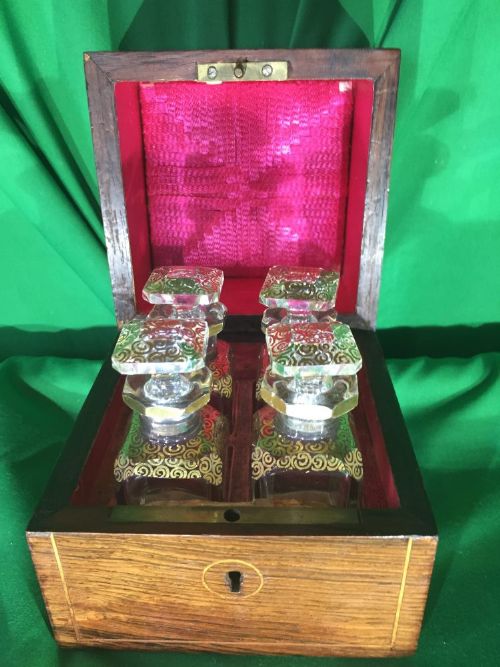
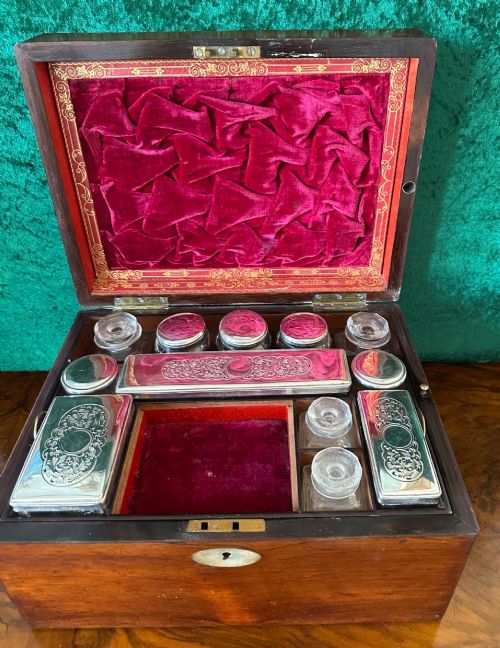
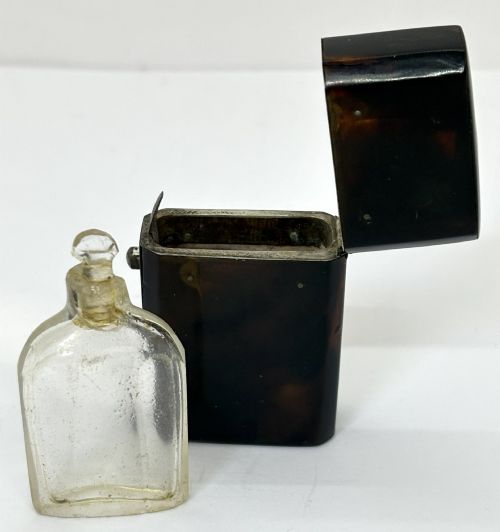
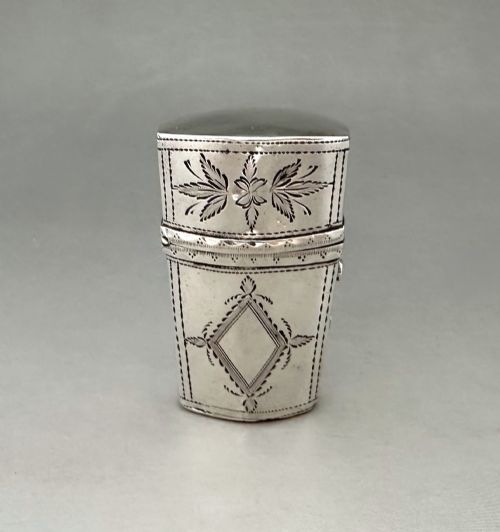
An antique bottle case groups together specialised portable receptacles designed to protect glass vessels during transit and storage. Buyers seeking this phrase encounter multi-bottle decanter boxes, travelling vanity cases fitted with scent bottles, and dedicated tantalus frames originating from Georgian, Regency, Victorian, and Edwardian periods.
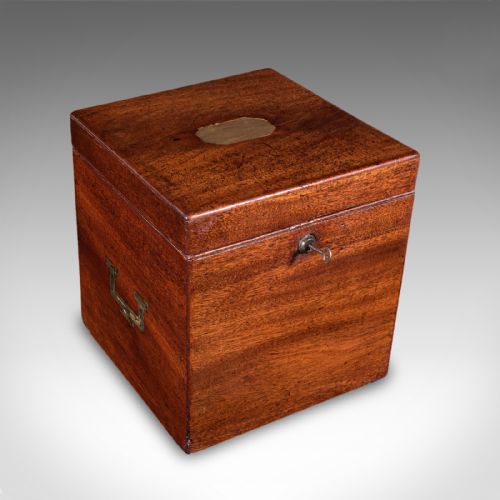
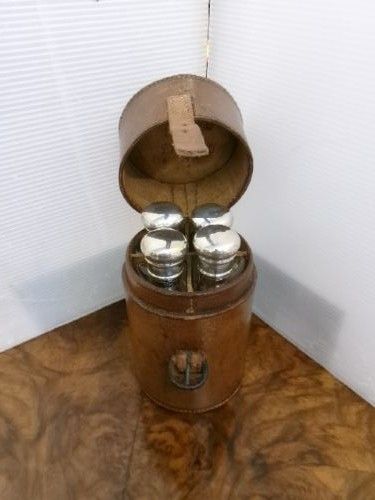
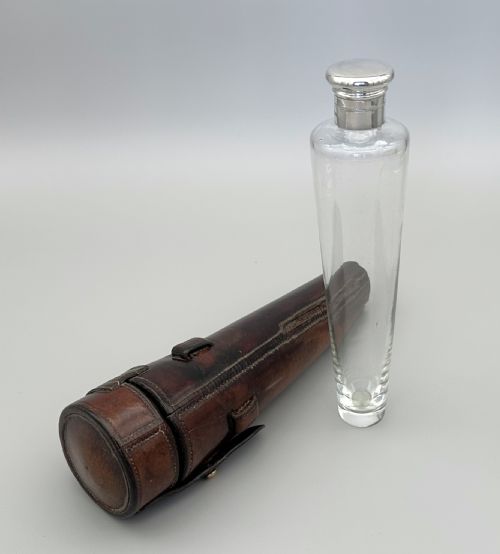
The contents and housings vary considerably according to their original domestic or travel purpose. Examples range from mahogany four-decanter storage boxes with brass hardware to round leather cases holding silver-topped flasks and elaborate rosewood scent bottle caskets.
Materials and Construction
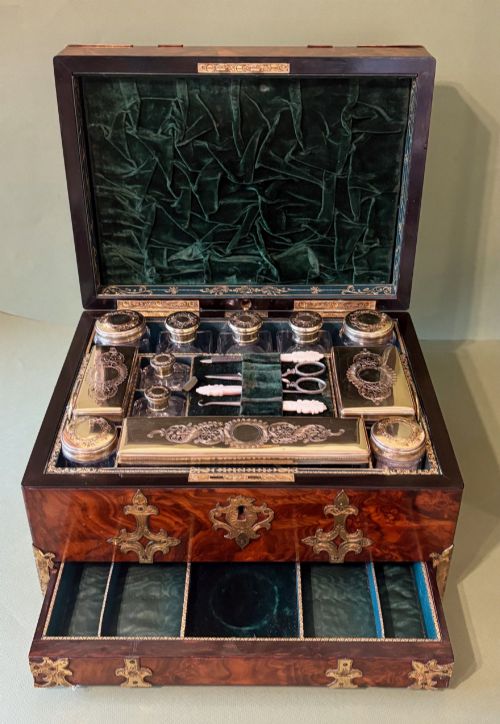
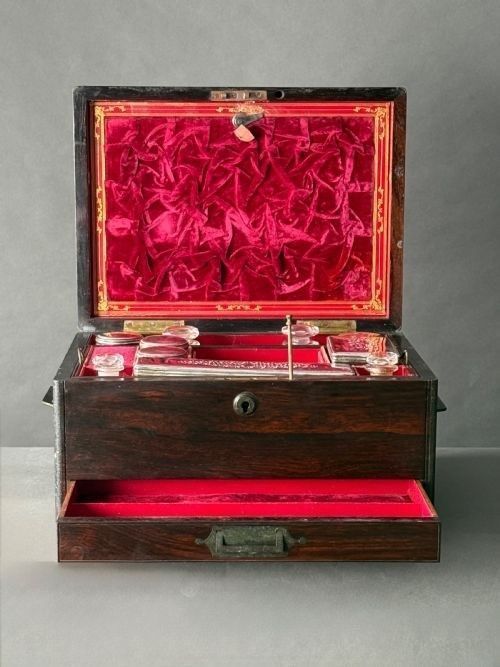
Cabinetmakers utilised dense timbers such as mahogany, rosewood, coromandel, and oak to build the structural shells. These wooden exteriors frequently incorporate brass binding, marquetry stringing, or mother-of-pearl inlay, with specialised internal partitions lined in velvet to cradle fragile glass securely.
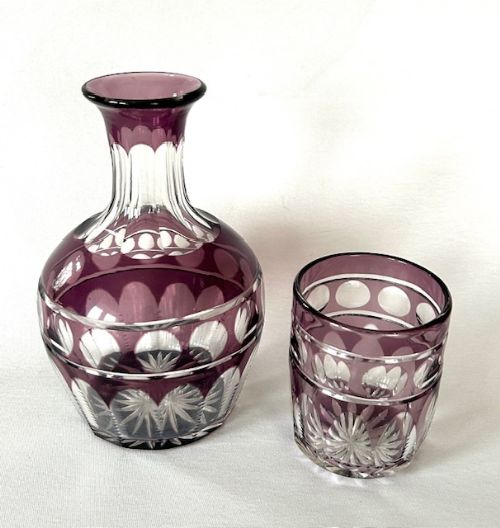
Vessels housed within these containers include cut glass, crystal, opaline, and amethyst glass paired with sterling silver or silver gilt mounts. Lock mechanisms by makers such as Bramah and integrated brass hardware ensure the contents remain secure during movement.
Antique Bottle Case Retail Price Guide 2026
Typical asking prices for bottle case among the pieces listed under this phrase on Sellingantiques today, from the lower quarter to the upper quarter. They describe what is for sale here now, not the wider market.
The selection spans Georgian, Regency, Victorian, and Edwardian periods, encompassing both travelling vanity sets and stationary decanter boxes.
Evaluating Quality and Craftsmanship
Quality rests in the precision of the internal fit and the selection of cabinet timbers. Superior examples feature perfectly matched compartments for cut glass bottles alongside fully operational Bramah locks and substantial brass mounts.
The integration of precious materials like sterling silver bottle tops, hallmarked silver mounts, and intricate marquetry separates standard travelling containers from the finest presentation and vanity cases.
Asprey·Bramah
The Antique Bottle Case Glossary
- Tantalus
- A locking beverage cabinet that restrains decanters by their necks to prevent unauthorized access while displaying the bottles within.
- Casket
- A small ornamental box or chest intended for holding valuables, jewellery, or scent bottles.
- Guilloche
- An architectural engraving technique producing intricate repetitive geometric patterns across metal surfaces.
- Opaline glass
- A delicate opaque or translucent glass popular during the nineteenth century, frequently utilised for decorative scent bottles.
- Campaign decanter
- A portable bottle designed specifically for military or travel use, often housed in a dedicated wooden or leather case.
Antique Bottle Case: Frequently Asked Questions
What is an antique bottle case?
An antique bottle case is a fitted wooden or leather box designed to transport and display glass decanters, scent bottles, or flasks securely. These containers date primarily from the Georgian, Victorian, and Edwardian eras.
Interior layouts feature custom velvet-lined partitions that cradle delicate glass vessels, often accompanied by silver-mounted stoppers and drinking tumblers.
How were these cases used?
These cases served travellers, diners, and hosts by keeping beverage bottles and perfumes organised and safe from breakage during movement. Wealthy Victorians and Edwardians utilised them for carriage journeys, hunting trips, and domestic entertaining.
Many designs combine storage for bottles with compartments for jewellery, writing equipment, or dressing table accessories.
How do I care for a wooden bottle case?
Maintain the wood by keeping the case away from direct sunlight and fluctuating humidity to prevent the timber from warping or splitting. Occasional gentle cleaning preserves the polish of mahogany, rosewood, and coromandel surfaces.
Check interior velvet linings regularly and ensure glass bottles remain clean and dry to protect both the container and its contents.
How do I identify the period of a case?
Period identification relies on timber choices, hardware styles, and lock mechanisms typical of Georgian, Regency, Victorian, or Edwardian craftsmanship. Heavier brass bindings and coromandel veneers often point towards mid-to-late nineteenth-century manufacture.
Silver hallmarked mounts on internal bottles provide precise date letters that confirm the exact year of production.