
Georgian Cupboard on Stand
A georgian cupboard on stand combines enclosed storage with raised proportions, offering a practical solution for compact rooms.
Georgian Cupboard on Stand
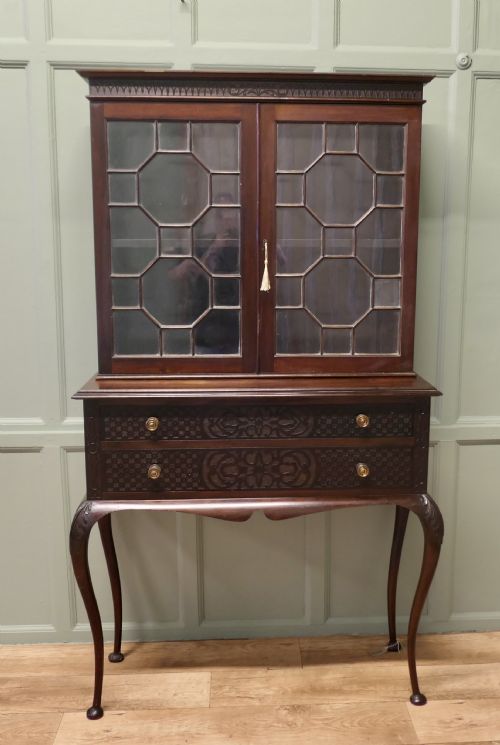
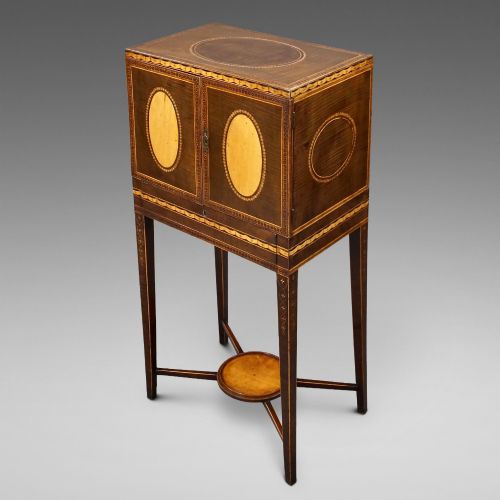
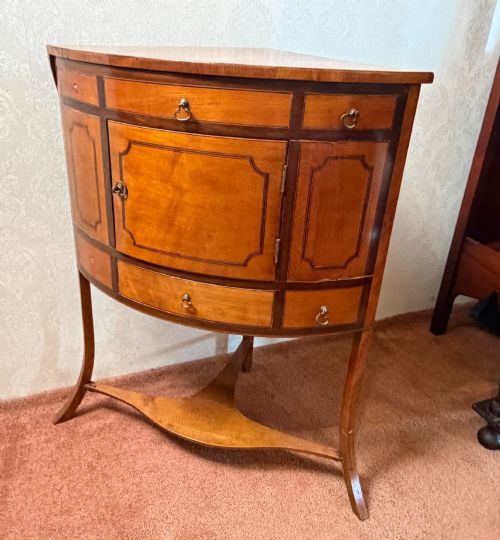
A georgian cupboard on stand typically combines a timber storage compartment elevated upon a distinct supporting framework of legs or a base. These pieces originate primarily from the eighteenth century, incorporating periods such as the reign of George III alongside later revivals.
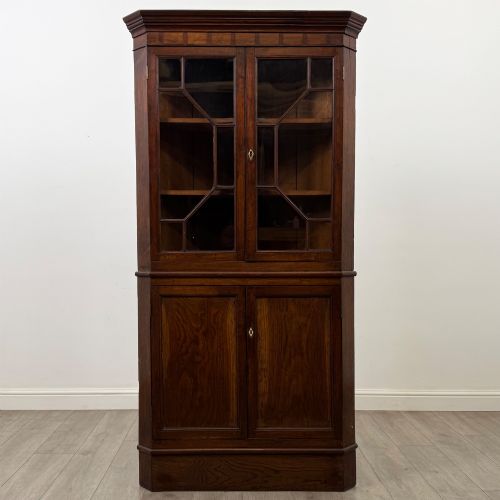
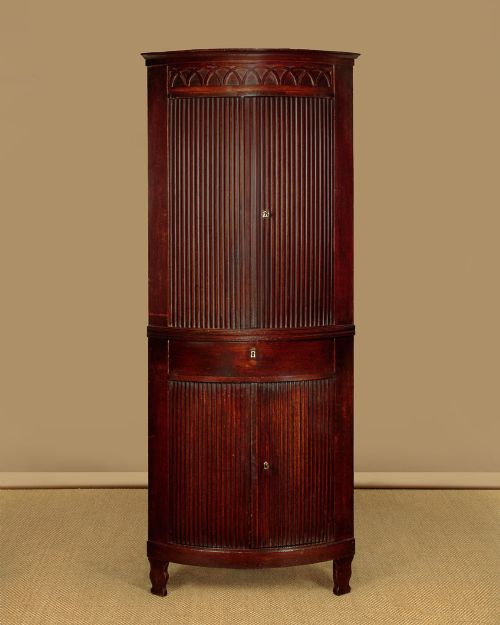
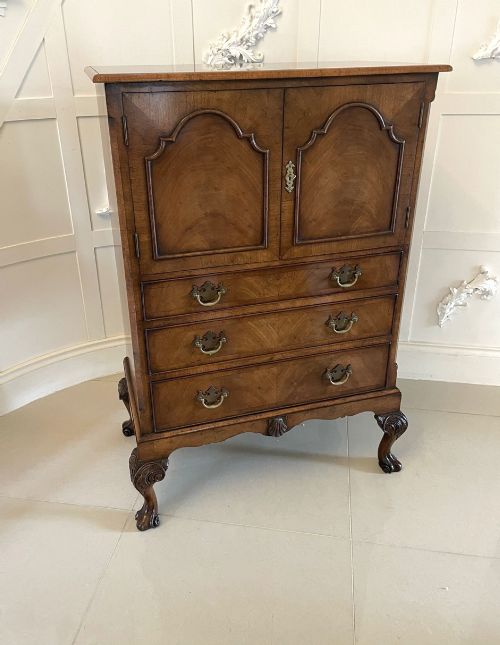
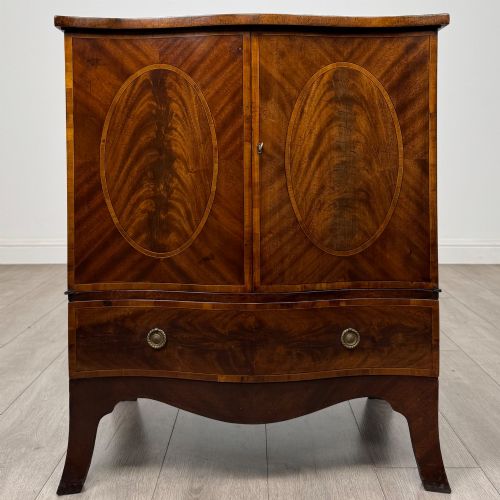
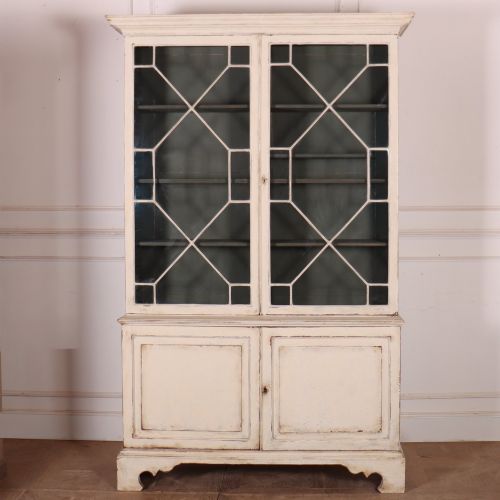
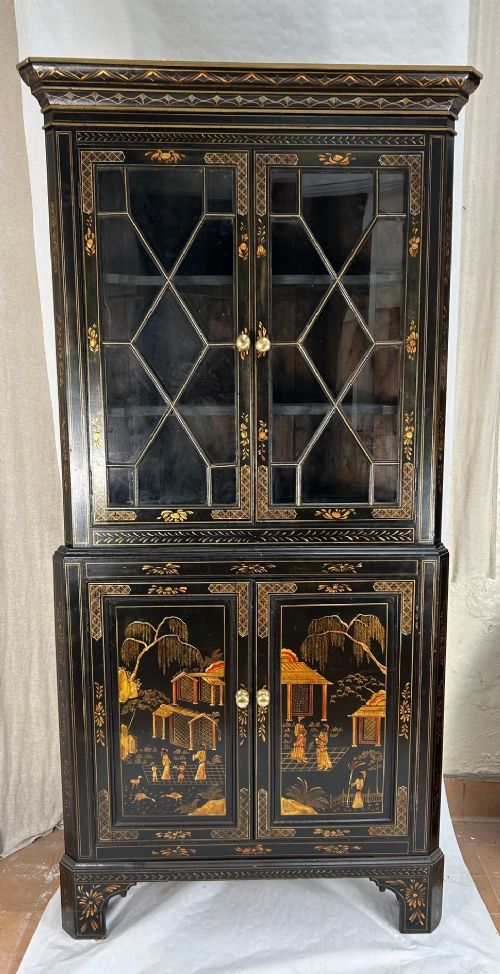
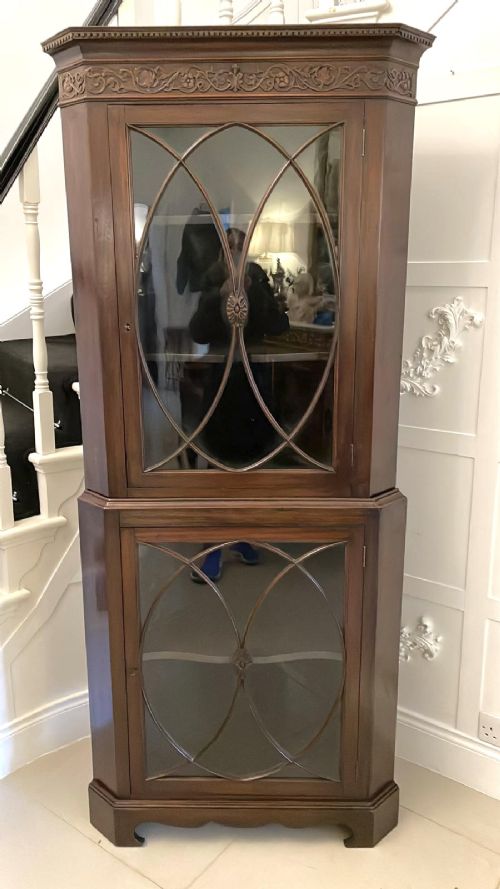
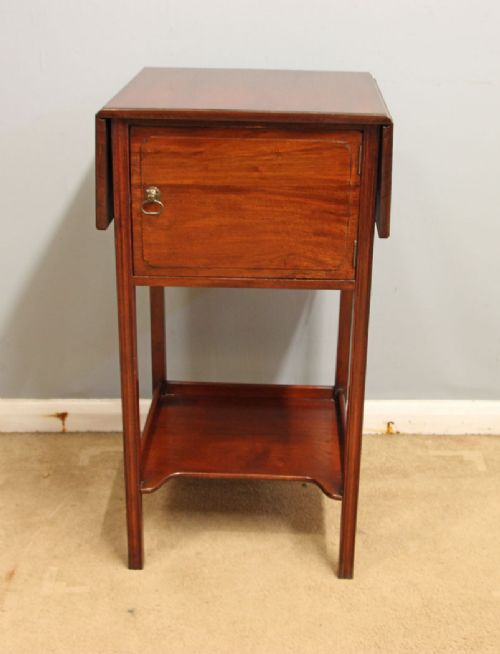
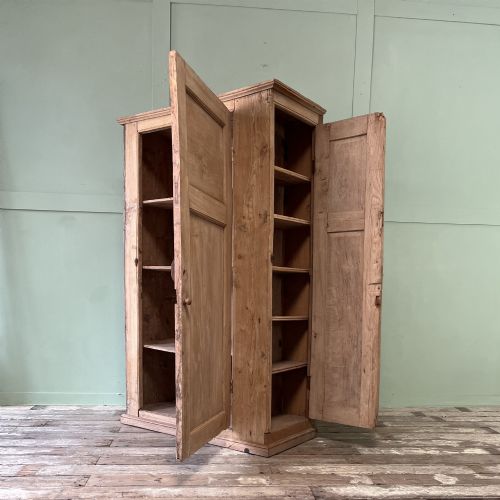
Buyers encounter variations ranging from geometric oak country furniture to refined mahogany designs fitted with glazed doors or drawers. The lower stands vary from simple pegged legs to architectural bases that lift the main body off the floor.
Materials and construction
Cabinet makers utilised dense hardwoods including mahogany, oak, and elm, often selecting figured timber veneers for primary surfaces. Secondary structural elements relied on native softwoods or oak for internal framing and drawer linings.
Joinery techniques combined pegged mortise and tenon joints with hand-cut dovetails for drawers and carcase construction. Surface enrichment included satinwood inlay, painted finishes, and brass hardware such as hinges and key escutcheons.
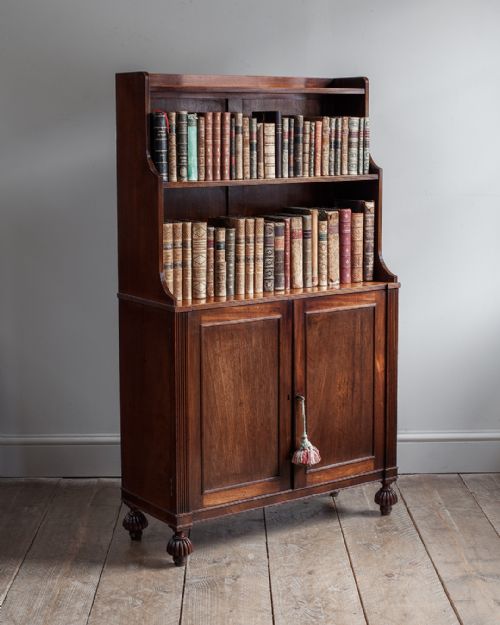
The site records show variants featuring glazed doors, solid timber panels, and bracket feet alongside raised architectural stands.
Determining quality
Quality rests upon the selection of timber figures, the crispness of hand-carved mouldings, and the integration of the stand with the upper cabinet. Original stands matching the timber and wear of the upper section command greater appreciation than later replacements.
Internal elements such as original brass locks, intact shelving, and undisturbed backboards indicate better preservation. Refined examples display precise dovetailing and minimal timber shrinkage over centuries of use.
Gillows
The Georgian Cupboard on Stand Glossary
- Astragal glazed
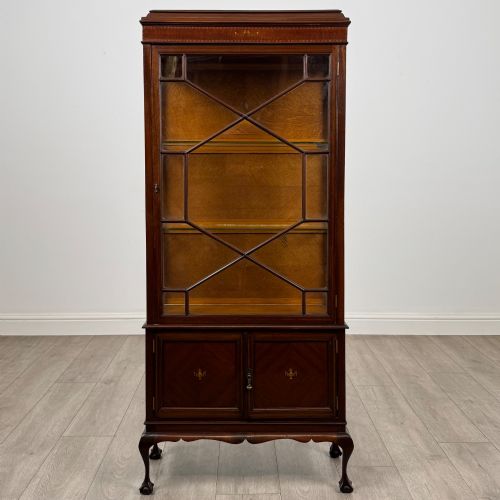
- A glass door divided into smaller panes by narrow wooden glazing bars. These bars form geometric patterns across the front of the cabinet.
- Bracket feet
- Small architectural feet supporting the base of a cabinet, shaped like a bracket. They lift the corners slightly off the floor.
- Cross banded
- A decorative border applied to furniture surfaces where the grain runs perpendicular to the centre panel. This technique frames the primary timber.
- Flame mahogany
- A veneer cut from timber where the branch meets the trunk, producing a flickering flame pattern. It appears on high-grade Georgian cabinet doors.
- Pegged
- Secured with small wooden pins rather than modern metal fasteners. Traditional cabinet makers used this method to join structural framework.
Georgian Cupboard on Stand: Frequently Asked Questions
What is a georgian cupboard on stand used for?
These pieces function as compact storage units for tableware, linens, or books while occupying minimal floor space in a room. The raised stand elevates the cabinet to a convenient height for daily access.
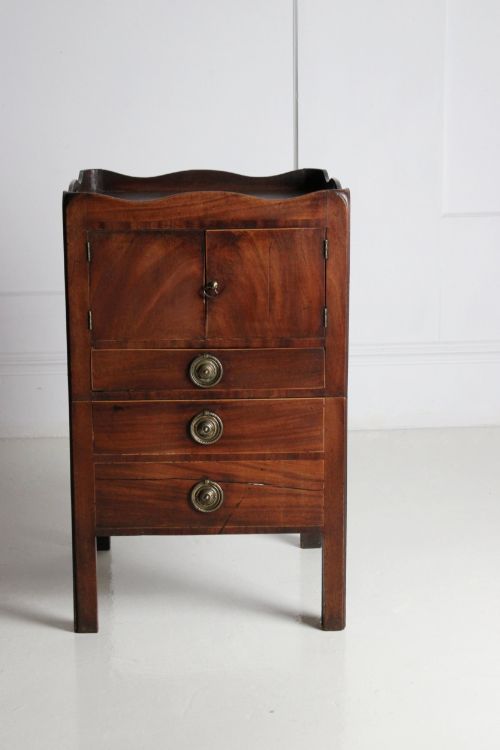
Historically, variations served specific domestic roles including food storage, night stands, or displaying porcelain collections behind glazed doors.
How do I identify a genuine period piece?
Examine the timber surfaces for hand tool marks, oxidisation, and timber shrinkage consistent with eighteenth-century manufacturing methods. Internal construction should utilise pegged joinery and hand-cut dovetails rather than machine screws.
Check whether the upper cupboard and the lower stand share identical timber species, wear patterns, and construction style to confirm they were made together.
Where should I place this in my home?
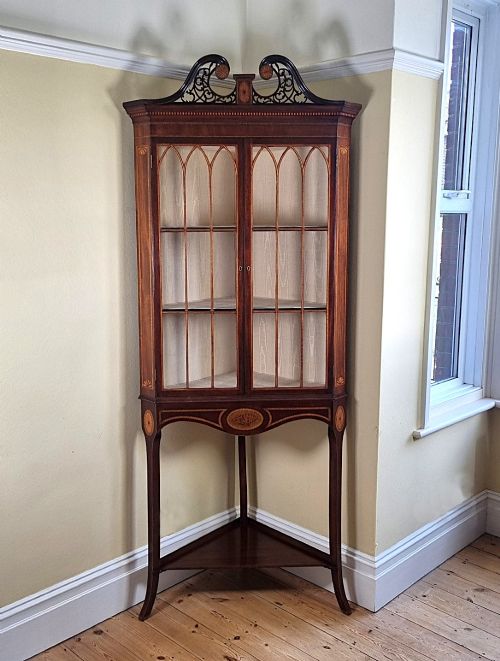
Corner variants fit neatly into unused room angles, making them practical for smaller hallways, bedrooms, or dining areas. Floor-standing designs with stands work well against flat walls where the elevated legs preserve a sense of open floor space.
Keep these timber pieces away from direct heat sources and strong sunlight to protect the aged polishes and prevent veneer warping.
What is the difference between oak and mahogany versions?
Oak examples usually date from earlier periods and reflect robust country craftsmanship with pegged joints and simpler geometric door panels. They offer a heavier, rustic aesthetic suited to traditional interiors.
Mahogany versions tend to date from later in the eighteenth century, featuring finer grain patterns, polished finishes, and decorative details like inlay or glazed doors.