

Georgian Crystal Stemware
Georgian crystal stemware comprises drinking vessels shaped by eighteenth-century hands, bringing historical weight and tangible texture to the table.
Georgian Crystal Stemware
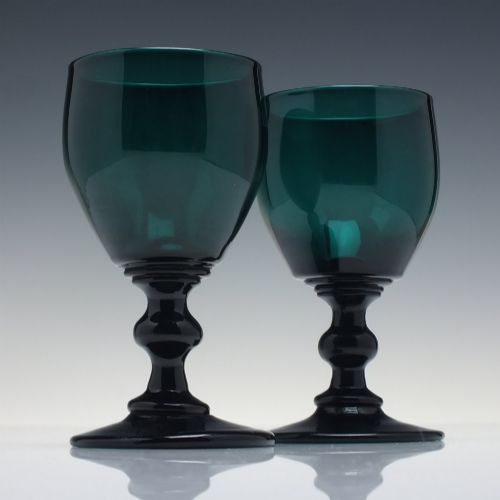
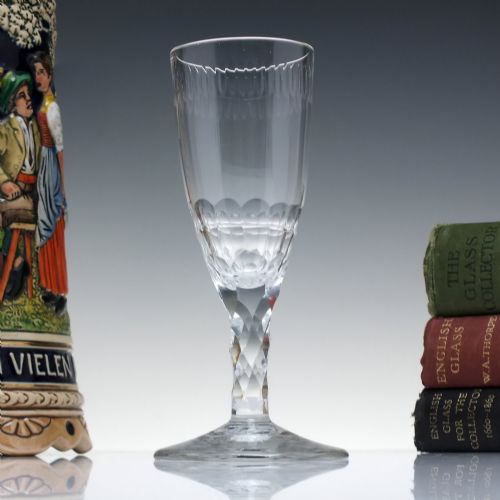
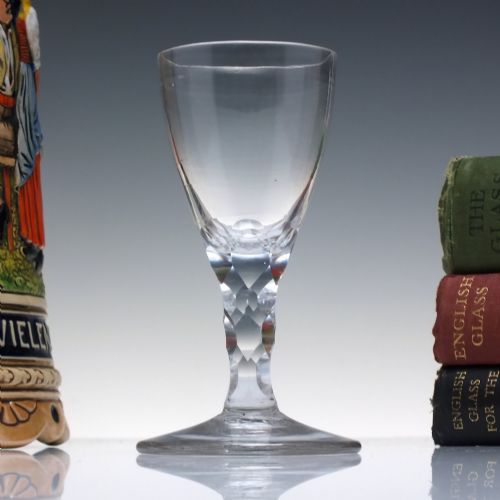
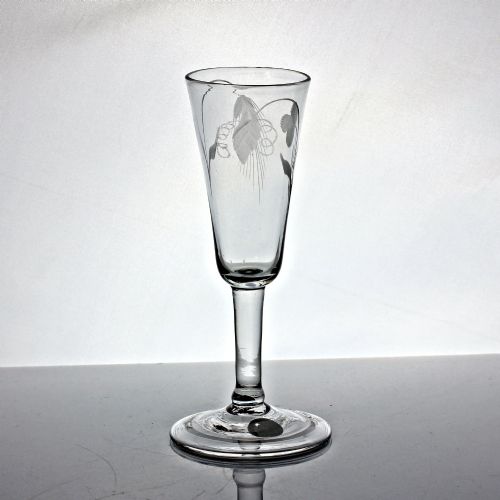
When buyers search for georgian crystal stemware, they look at drinking vessels originating across the eighteenth century and the Regency era. The forms span wine glasses, ale glasses, gin glasses, and heavy rummers, reflecting the robust social drinking habits of the period.
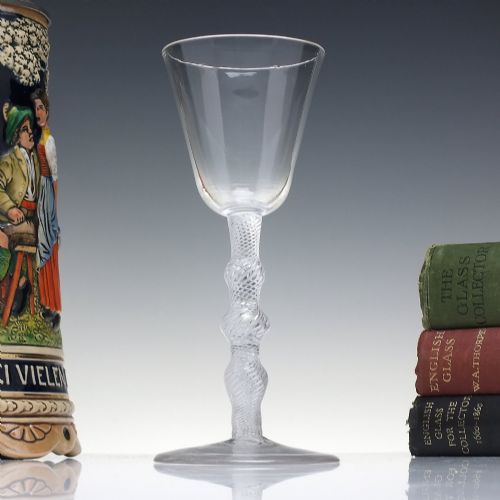
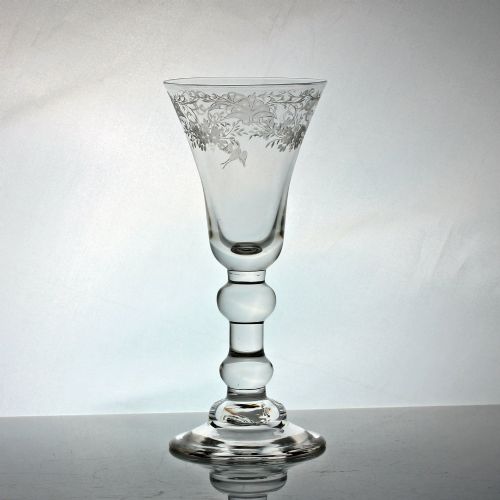
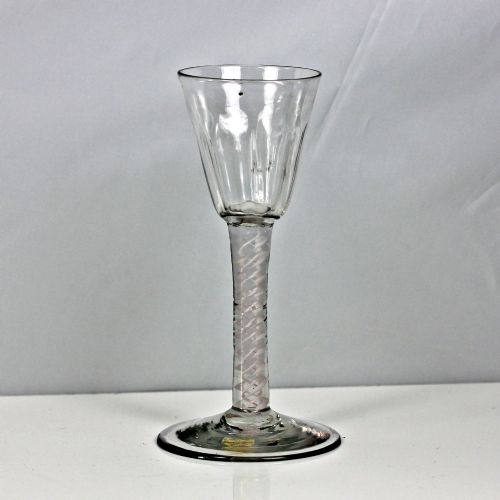
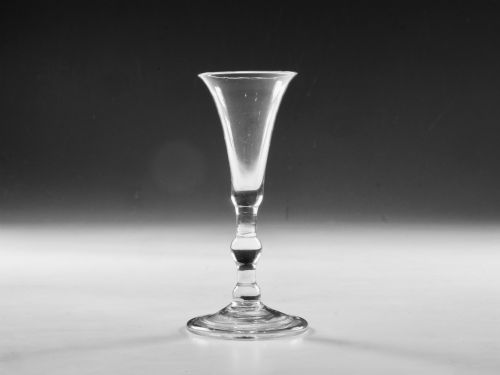
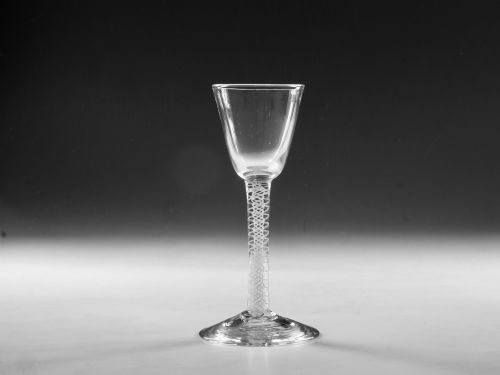
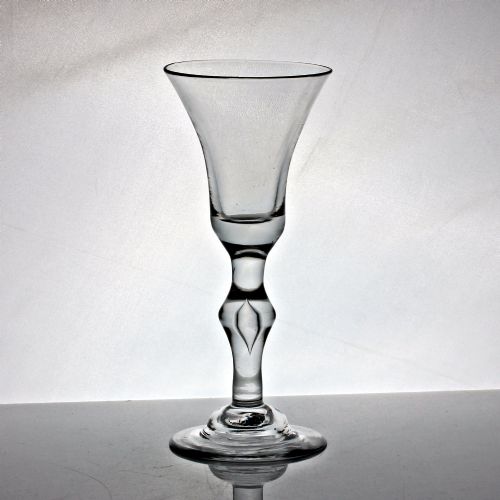
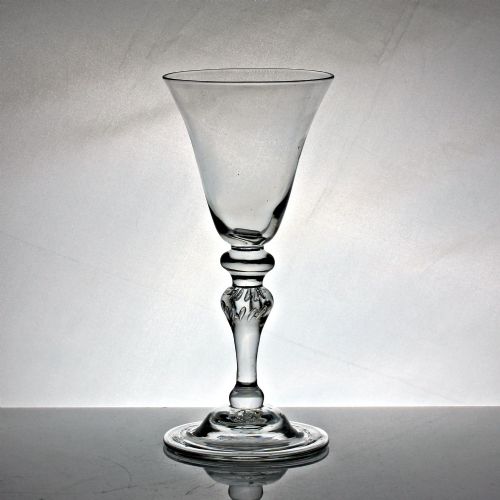
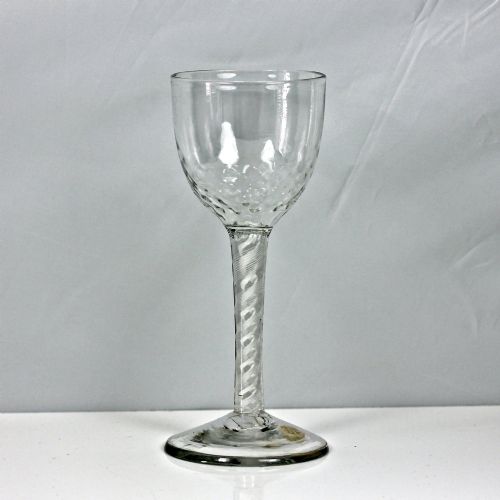
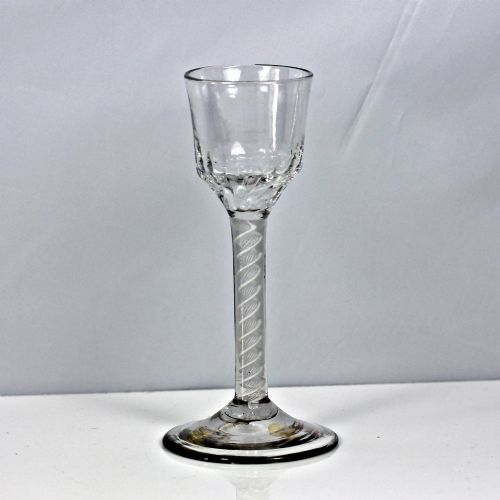
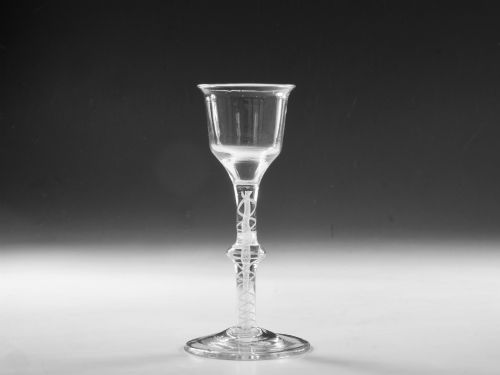
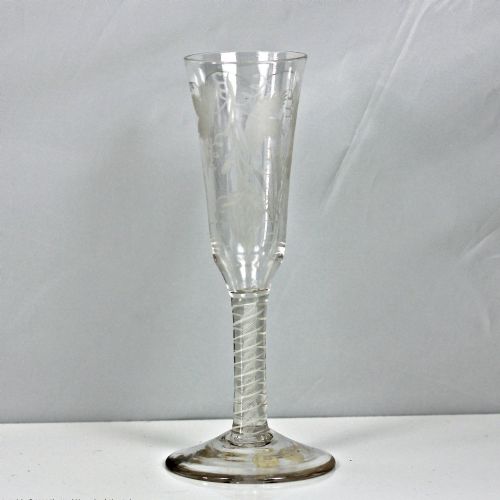
The versions met most frequently on this page belong to the mid-eighteenth century, particularly pieces featuring opaque twists and air twists enclosed within the stem. These items showcase distinct bowl shapes such as ogee, bell, and trumpet profiles, often supported by folded feet or domed bases.
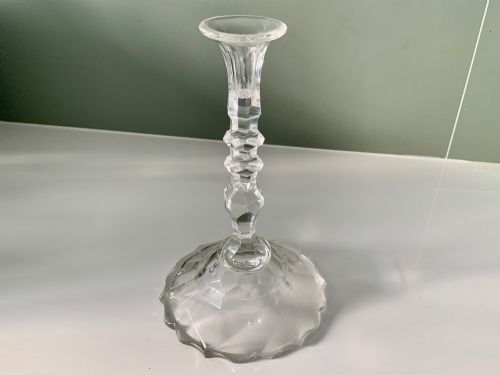
Alongside the eighteenth-century pieces, the selections include related drinkware from the early nineteenth century and occasional revival items. Collectors encounter variations ranging from plain stems to complex baluster and balustroid formations.
Distinctions in Quality
The refinement of the stem twist and the purity of the metal separate examples across the range. Superior pieces exhibit crisp, regular spirals in the twist and exceptional clarity in the lead crystal without excessive clouding.
Proportion and finishing details contribute to the standing of a vessel, including the neatness of a folded foot and the balance of the bowl relative to the stem. Engraved decoration also varies, where deeper, more deliberate wheel-engraving elevates the piece.
Georgian Crystal Stemware Retail Price Guide 2026
Typical asking prices for georgian crystal stemware among the pieces listed under this phrase on Sellingantiques today, from the lower quarter to the upper quarter. They describe what is for sale here now, not the wider market.
Toastmasters used thick-walled dram glasses with solid bases, designed to survive heavy use when hosts encouraged guests to drink without restraint.
The Georgian Crystal Stemware Glossary
- Air twist
- A stem containing elongated bubbles drawn into spiral threads. This optical effect creates shimmering internal patterns within the transparent glass.
- Opaque twist
- A stem enclosing white enamel threads arranged in single or multiple spirals. These opaque strands stand in sharp contrast to the clear lead glass surrounding them.
- Baluster
- A sturdy, heavy stem shape derived from architectural supports, featuring swelling knops and substantial proportions. Such stems typify early eighteenth-century drinking vessels.
- Folded foot
- A base edge turned underneath during manufacture to create a smooth, double-thickness rim. This technique adds structural strength to the foot.
- Rummer
- A large, capacious drinking glass used for punch, beer, or rum during the Georgian and Regency periods. They frequently display cut decoration or engraved surfaces.
Georgian Crystal Stemware: Frequently Asked Questions
What is georgian crystal stemware?
Georgian crystal stemware encompasses drinking glasses produced in Britain during the eighteenth and early nineteenth centuries. These vessels were primarily fashioned for wine, ale, spirits, and cordials.
The category includes air twist, opaque twist, baluster, and faceted styles made from lead glass. Each piece reflects the functional and social demands of Georgian dining.
How do you date these glasses?
Dating relies on stylistic evolution, stem construction techniques, and bowl forms. Early pieces often feature heavy baluster stems, while air twists and opaque twists became prevalent through the middle decades of the eighteenth century.
Foot construction also aids chronology, as folded feet appear more frequently on earlier examples. Engraving styles and metal composition provide further clues for attribution.
Were these glasses used daily?
Many of these vessels served active roles in Georgian households, taverns, and dining assemblies. Their sturdy lead glass composition allowed for regular handling during toasts and communal drinking.
Some smaller glasses, such as dram glasses or toastmasters, fulfilled specific roles for potent spirits. Today, collectors enjoy using them selectively for special occasions or displaying them as historical table art.
What is an opaque twist stem?
An opaque twist stem contains fine white enamel rods enclosed within clear lead glass. Glassmakers twisted these enamel threads while the metal was hot to form complex internal spirals.
This technique gained popularity around the mid-eighteenth century following the introduction of improved manufacturing methods. The resulting white threads contrast sharply against the transparent body of the glass.