
Georgian Country Oak Drawers
Georgian country oak drawers encompass sturdy chests, lowboys and dresser bases fashioned from solid native timber during the eighteenth and early nineteenth centuries.
Georgian Country Oak Drawers
When you search for georgian country oak drawers, you encounter utilitarian storage pieces built for provincial homes rather than metropolitan townhouses. The selection spans straightforward chests of drawers, dresser bases, lowboys and mule chests originating primarily from eighteenth-century English and Welsh workshops.
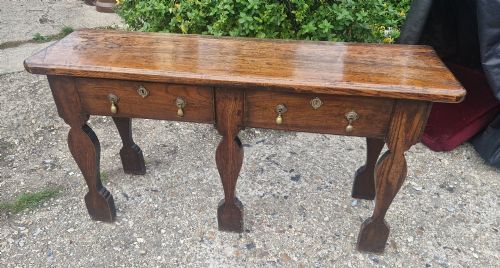
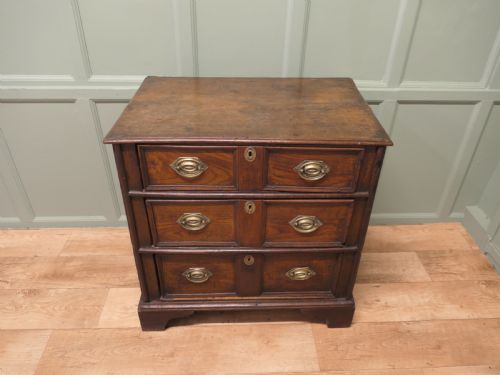
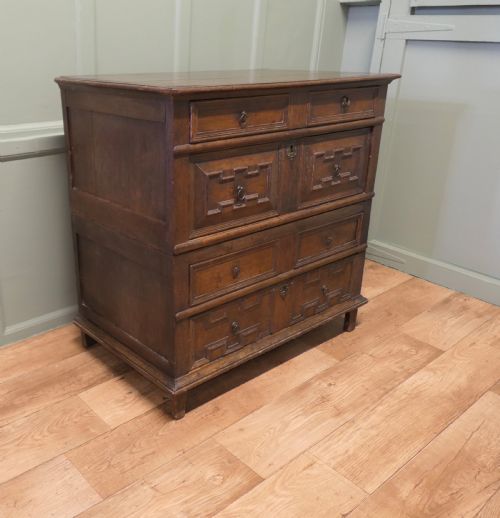
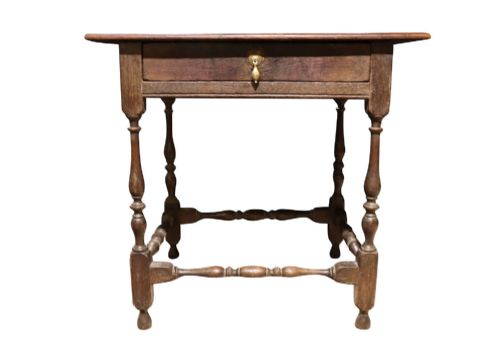
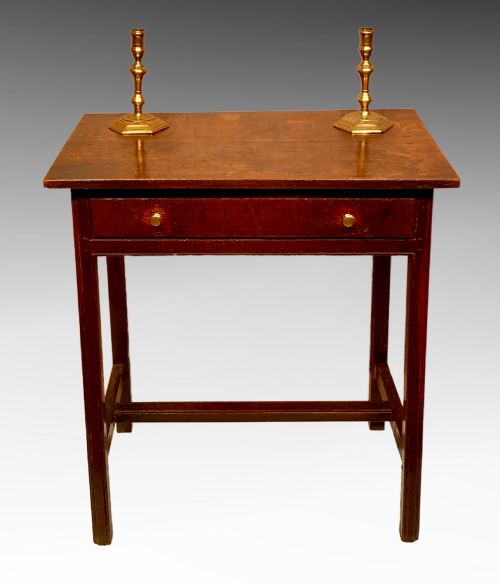
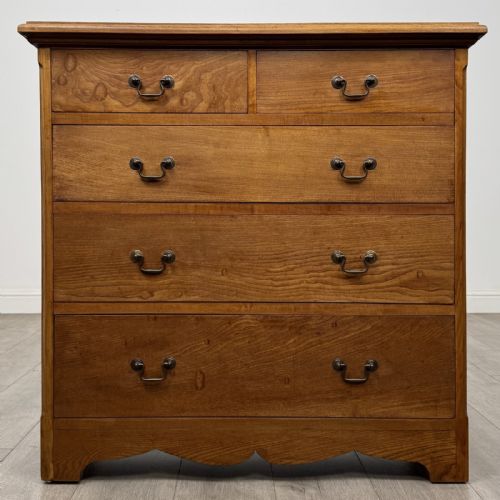
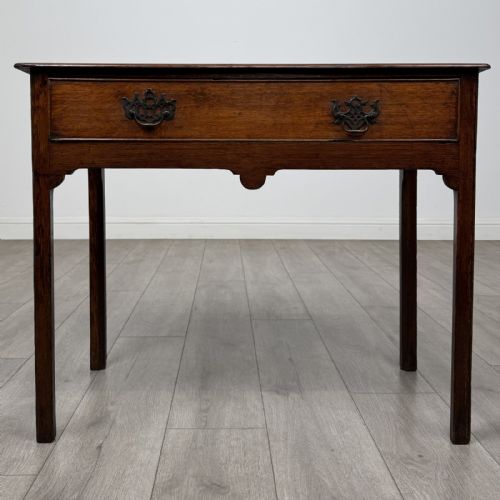
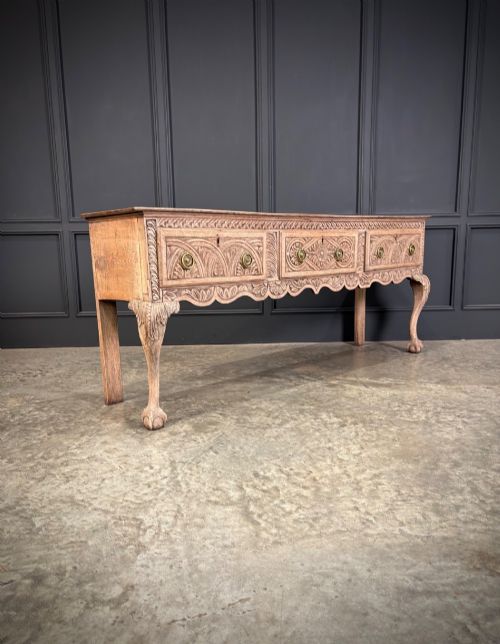
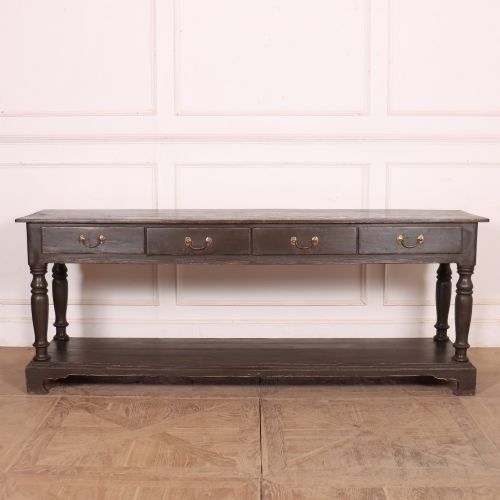
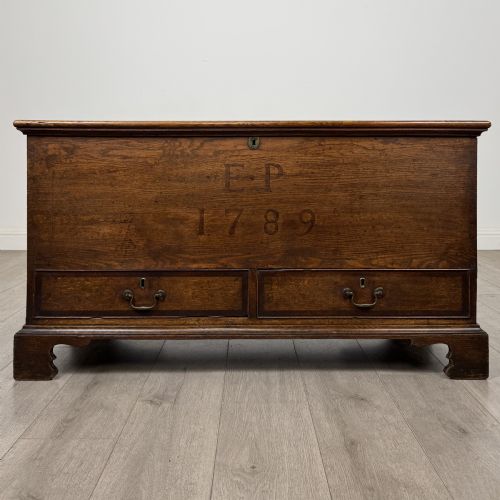
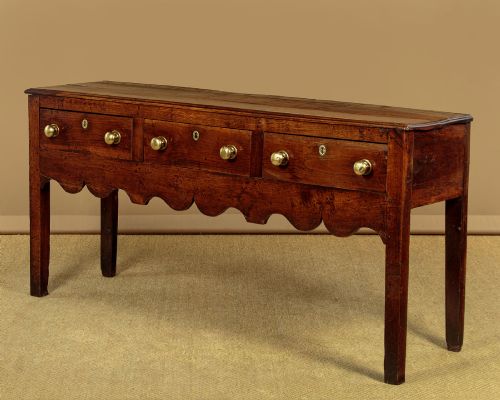
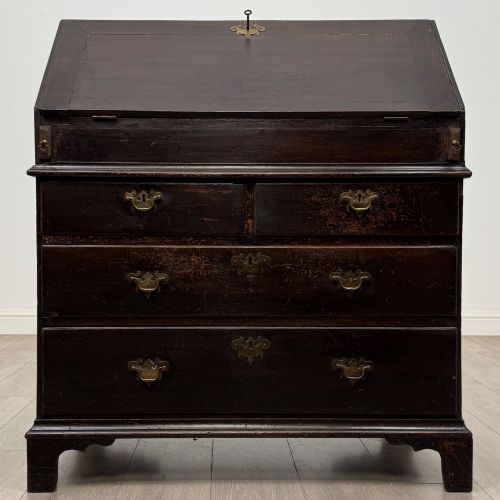
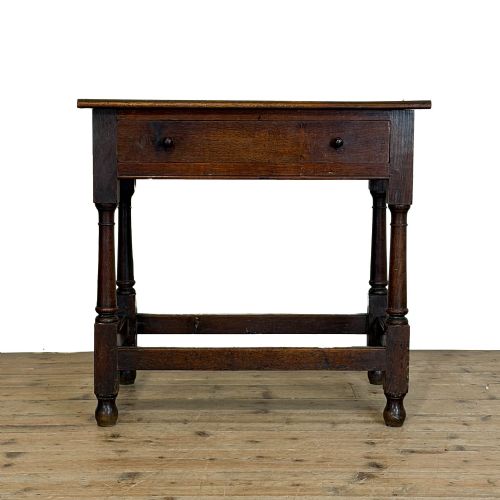
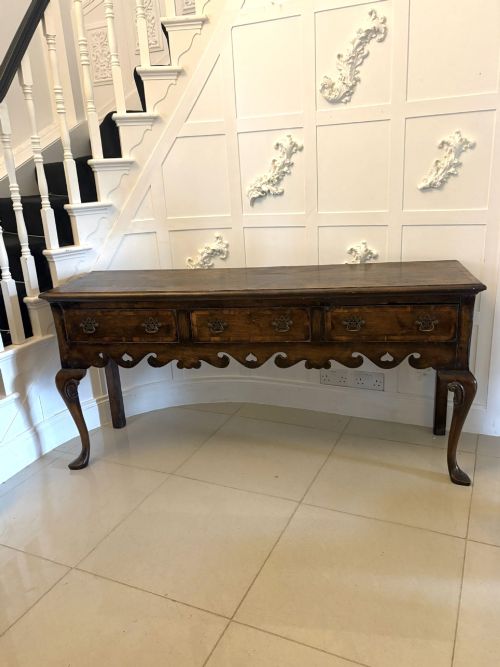
The version most commonly met on this page is the chest of drawers, often constructed with multiple graduated drawers and resting on bracket feet. Alongside these, dresser bases and side tables with single or multiple drawers appear frequently, reflecting the domestic requirements of country dwellings from the period.
How they were made
Cabinetmakers utilised solid oak as the primary timber, sometimes supplemented by fruitwood or elm in regional workshops. Boards were hand-sawn and planed, displaying natural grain variations and patination built up over centuries of use.
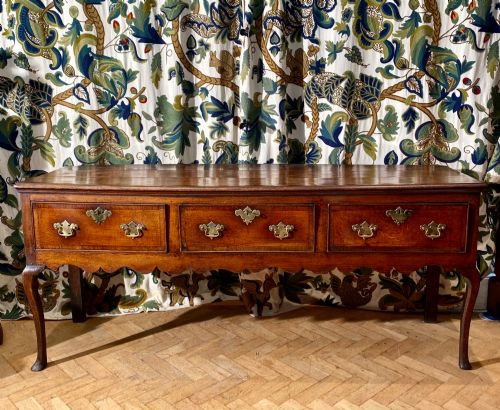
Construction relied on traditional joinery methods such as dovetailing for drawer construction and mortise and tenon frames. Details like brass drop handles, key escutcheons and occasional mahogany crossbanding complete the construction vocabulary of these utilitarian items.
Listings incorporate solid oak, fruitwood and mahogany crossbanding across pieces dating from the eighteenth and nineteenth centuries.
What varies in quality
Quality in these pieces is dictated by the proportion of the timber, the crispness of the drawer dovetails and the integrity of the secondary woods used inside. Pieces retaining their original brass hardware, unblemished drawer linings and honest surface patination stand apart from those altered or overly restored.
Regional character also plays a role in distinction, where vernacular quirks such as shaped aprons or clever proportions indicate the hand of a skilled country joiner working away from metropolitan guilds.
The Georgian Country Oak Drawers Glossary
- Lowboy
- A small side table with one or more rows of drawers, typically raised on slender legs and used as a dressing or writing table in the eighteenth century.
- Dresser Base
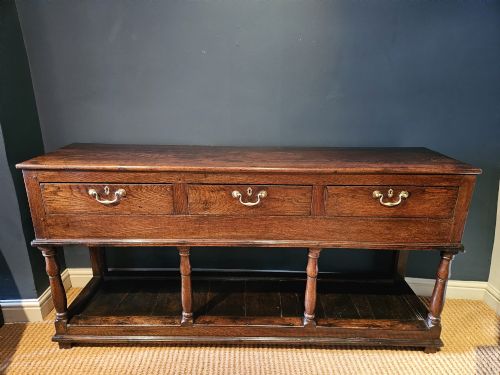
- The lower section of a kitchen or dining room dresser featuring cupboards and drawers, frequently utilised today as a sideboard.
- Crossbanding
- A decorative border technique where thin strips of veneer, often mahogany, are applied to the edges of drawer fronts with the grain running perpendicular to the core timber.
- Coffer Bach
- A small Welsh box or chest raised on feet or a drawer base, historically utilised for storing valuables or household documents.
- Potboard
- An open slatted lower shelf incorporated into the base of a Welsh or English country dresser, originally designed for storing earthenware pots.
Georgian Country Oak Drawers: Frequently Asked Questions
How do I spot an original Georgian chest?
Examine the drawer construction for hand-cut dovetails and inspect the backboards for tool marks and timber shrinkage consistent with eighteenth-century work.
Original brass hardware placements leave specific ghost marks on the drawer faces even if the handles have been replaced over the centuries.
Where were these country pieces made?
These items originated in provincial workshops across England and Wales, where local joiners worked primarily with native timber rather than imported mahogany.
Rural makers adapted urban furniture fashions to suit local domestic needs, resulting in charming vernacular variations in scale and layout.
How should I care for antique oak?
Keep oak furniture away from direct heat sources and rapid humidity shifts to prevent the solid timber boards from splitting or warping.
Apply traditional beeswax occasionally to nourish the surface and maintain the deep natural lustre developed over generations.
Can I use a dresser base as a sideboard?
A dresser base fits modern dining rooms or living spaces exceptionally well as a sideboard, offering generous surface space and deep drawer storage.
Their shallow depth compared to formal sideboards makes them practical for contemporary room layouts.