

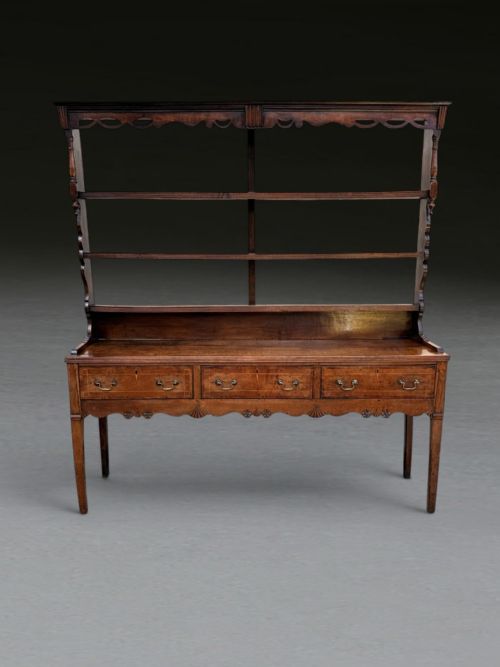
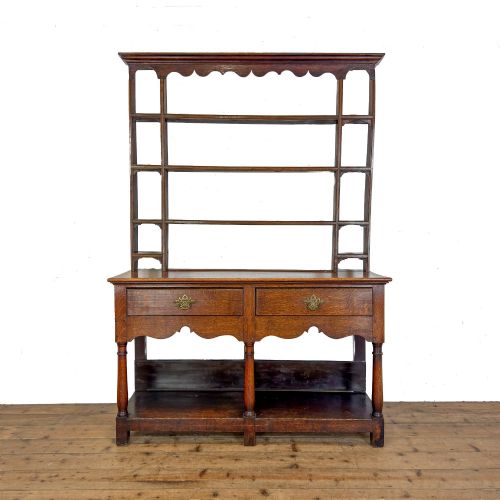
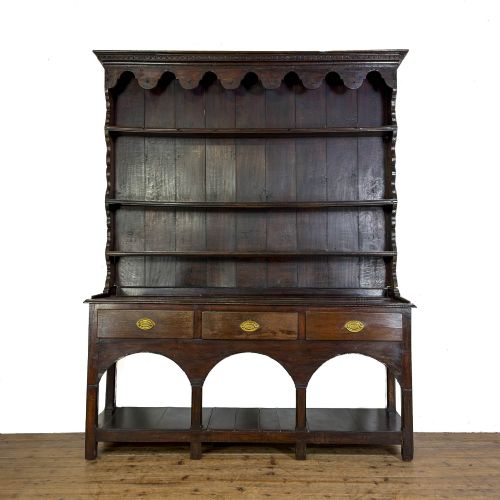
Georgian Country Dresser Rack
A georgian country dresser rack is a sturdy timber storage unit designed to hold household ceramics, formed from regional traditions spanning the eighteenth and nineteenth centuries.
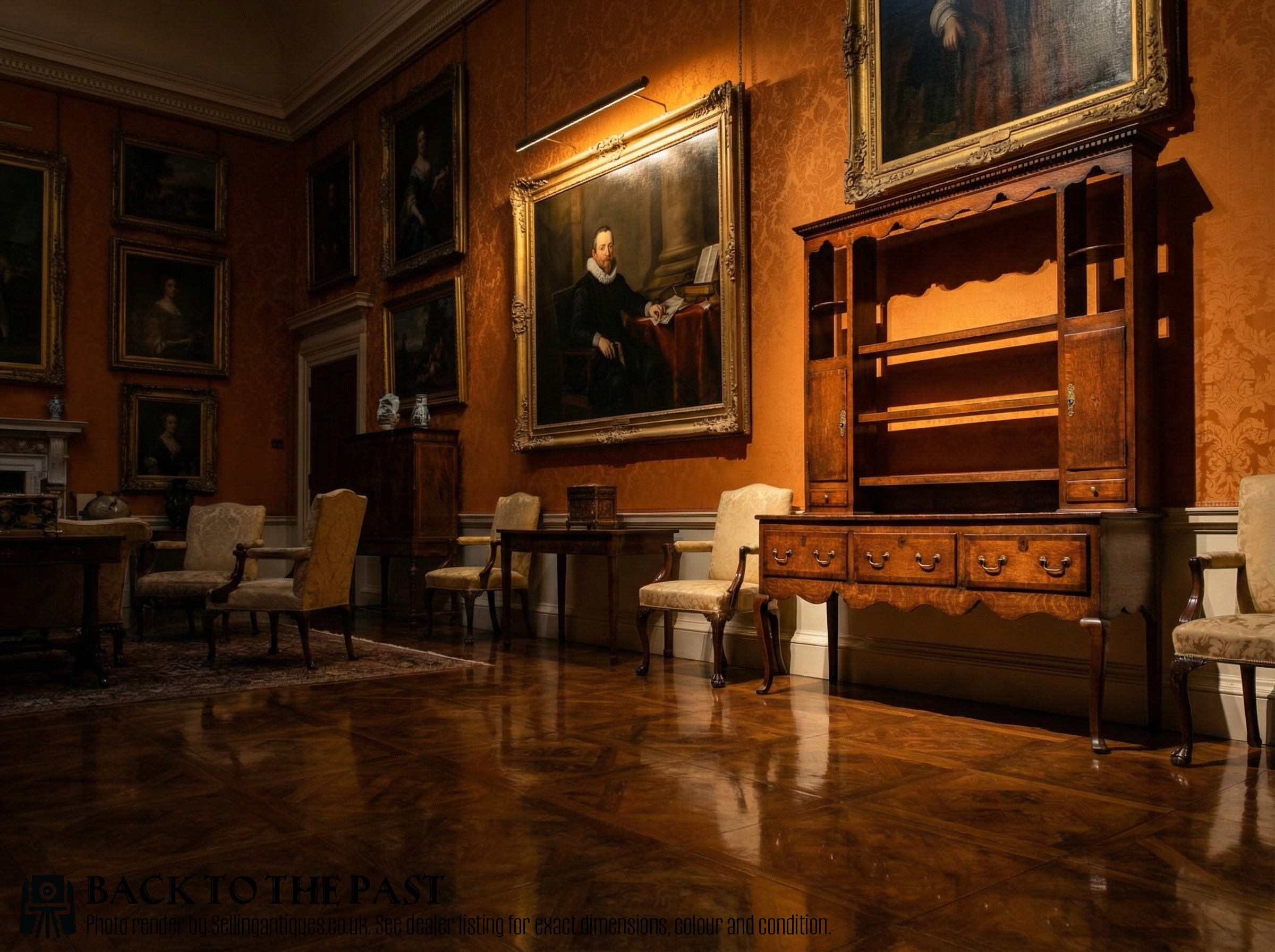
Georgian Country Dresser Rack
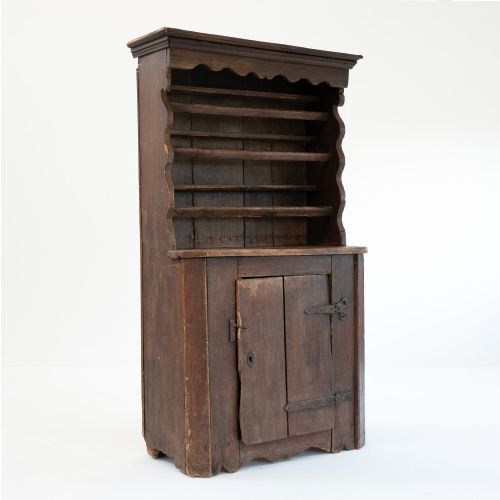
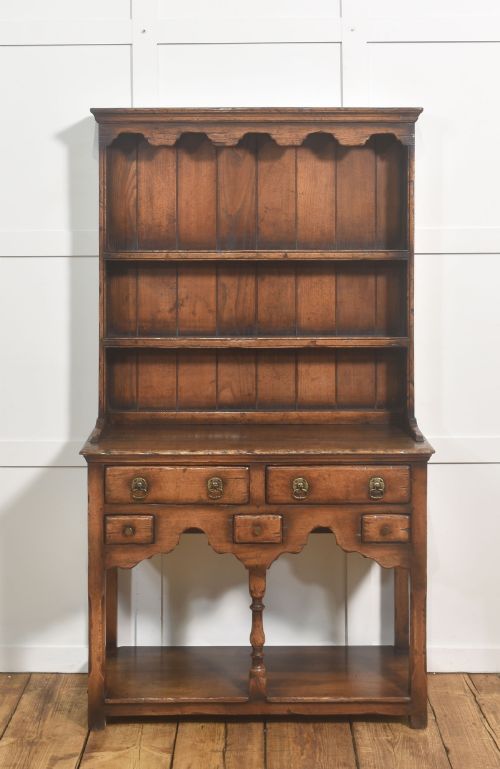
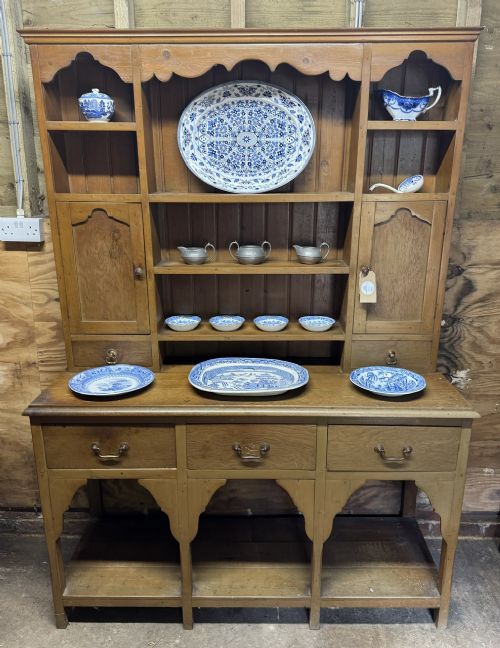
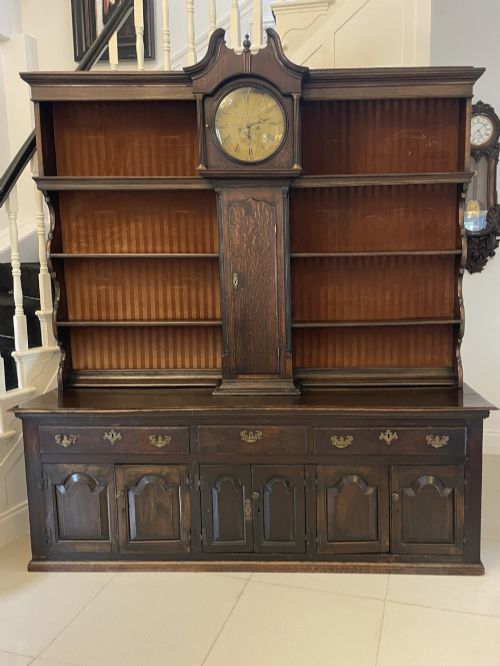
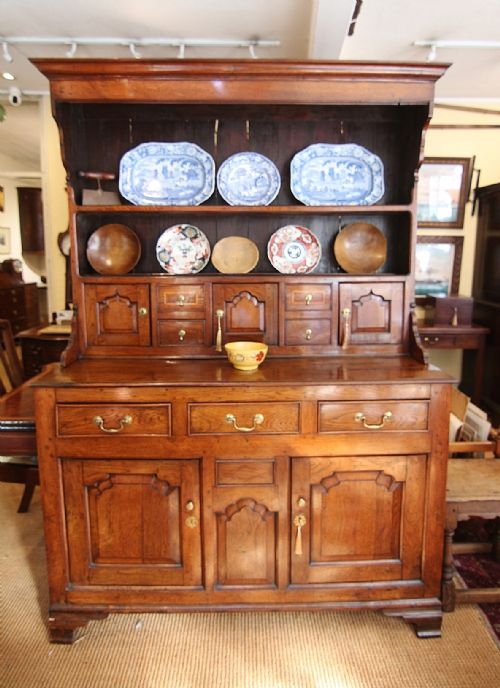
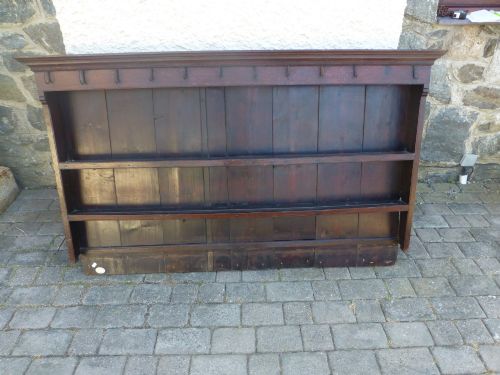
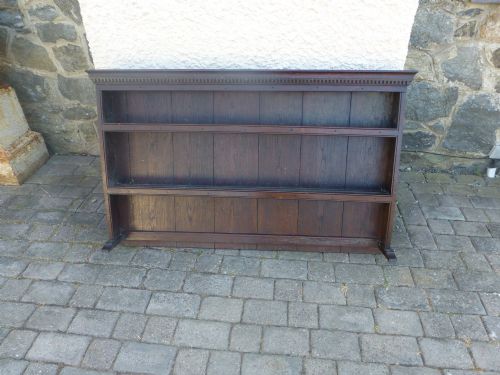
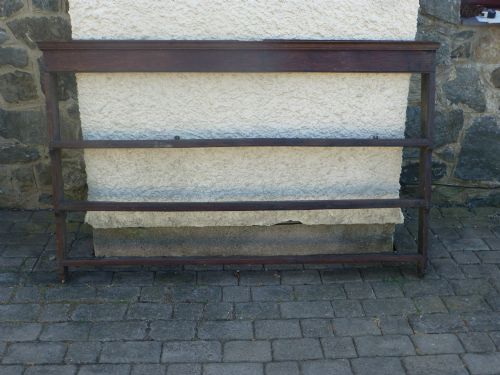
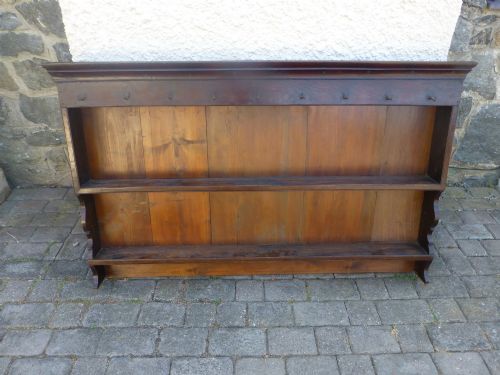
When searching for a georgian country dresser rack, buyers encounter open-backed shelving units designed to sit upon matching bases or mount directly to kitchen walls. These pieces originate from regional English and Welsh workshops, reflecting domestic life through open display shelves intended for everyday plates and platters.
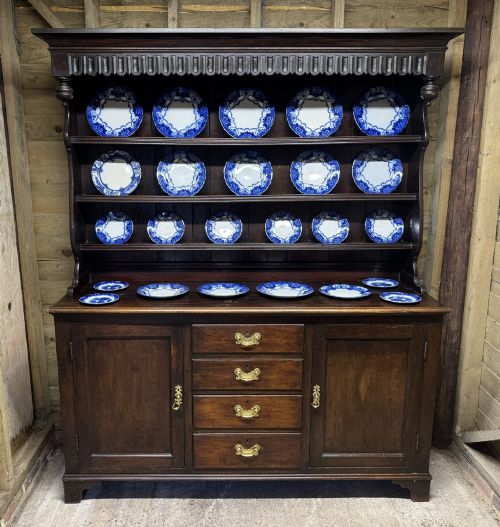
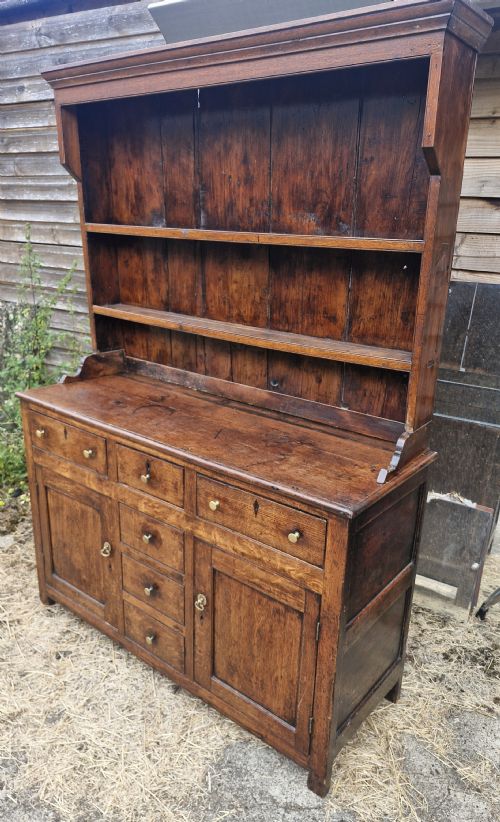
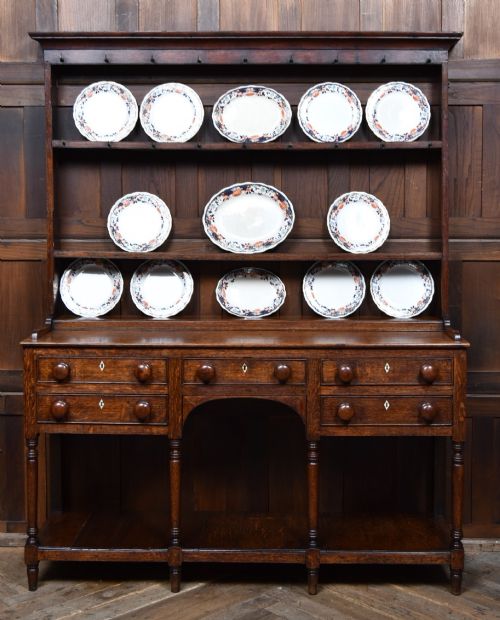
The examples found here span the eighteenth and nineteenth centuries, including items listed under periods such as Georgian, George III, and Victorian. Many combine the upper plate rack with lower furniture forms like potboard bases, sideboards, or breakfront drawers.
Regional variations dominate the selection, with Welsh vernacular and Snowdonia styles appearing alongside English country pieces. Materials shift between heavy native timbers, while construction relies on traditional pegging and jointing methods typical of provincial cabinet makers.
How they were made
Timber selection focuses heavily on domestic hardwoods and softwoods, predominantly oak and pine, supplemented by occasional mahogany and iron hardware. Workshops utilised local resources, meaning regional pieces frequently employ specific regional woods for structural framing and backing boards.
Construction techniques involve traditional joinery, including hand-cut pegging and boarded backs secured with wrought iron nails or brass screws. Surfaces often retain early wax finishes or original painted treatments that record decades of domestic use.
Current listings feature oak and pine materials alongside iron, brass, bone, and glass elements across eighteenth and nineteenth-century periods.
What varies in quality
Proportion and architectural presence separate simpler utilitarian shelving from sophisticated regional cabinetry, particularly in pieces featuring moulded cornices and shaped friezes. The integration between the rack and the base demonstrates the maker's skill.
Surface preservation dictates the character of surviving examples, where untouched patination and original timber colour elevate a piece above heavily restored alternatives. The retention of early hooks, boards, and structural fixtures preserves the historical integrity.
The Georgian Country Dresser Rack Glossary
- Potboard
- A lower open shelf positioned near the floor on dresser bases designed to store pots and heavy kitchen utensils. This timber platform is a defining feature of eighteenth-century country furniture.
- Delft rack
- An open wall-mounted or dresser-top shelving unit specifically made to display delftware and ceramic plates upright. Grooved plate rails prevent tableware from sliding forward.
- Vernacular
- Furniture built by local country makers following regional traditions rather than metropolitan academic designs. These pieces display unique local construction quirks and native material choices.
- Patina
- The surface sheen and colour acquired by timber through age, handling, and wax polishing over centuries. Original patination provides visual evidence of a piece's longevity.
Georgian Country Dresser Rack: Frequently Asked Questions
What is a georgian country dresser rack?
A georgian country dresser rack is an open wooden shelving unit designed to display ceramic plates and kitchenware, originating from eighteenth and nineteenth-century rural workshops.
These pieces were built to mount directly to walls or sit atop matching wooden bases in farmhouse kitchens.
How were these racks used originally?
Households utilised the open shelves to store and display everyday earthenware, pewter platters, and ceramic plates within easy reach of the hearth.
The grooved wooden ledges held heavy dishes securely upright while allowing tableware to dry and remain visible.
Where were these pieces made?
Maker workshops operated across regional England and Wales, producing distinctive local styles such as Welsh vernacular, Snowdonia, and North Country variants.
Carpenters relied on locally available timber like native oak and pine to construct these robust domestic furnishings.
How do I style one at home?
These wall shelves suit contemporary and traditional kitchens or dining rooms as practical plate displays or book storage.
Mounting them securely to solid walls ensures they safely support heavy ceramic collections and everyday tableware.
Are these racks sold separately from bases?
Historical inventory records demonstrate that plate racks frequently survive independently from their original potboard bases and dresser lower sections.
Listings include both standalone wall-mounted shelving units and complete integrated dresser combinations.