
Georgian Country Box
A georgian country box brings practical domestic storage into everyday rooms through honest timbers and simple vernacular forms.
Georgian Country Box
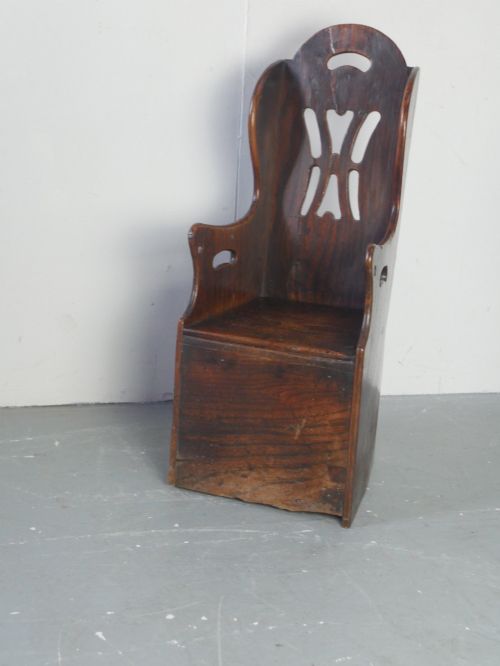
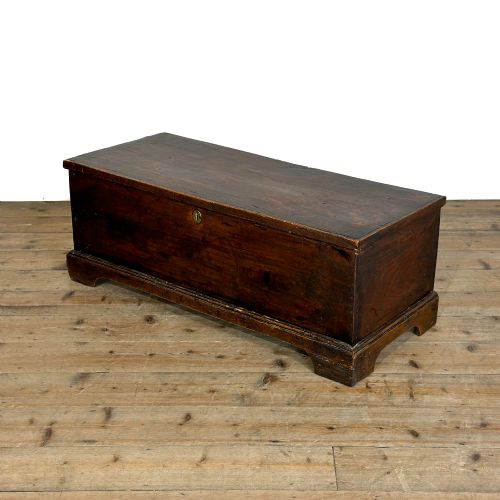
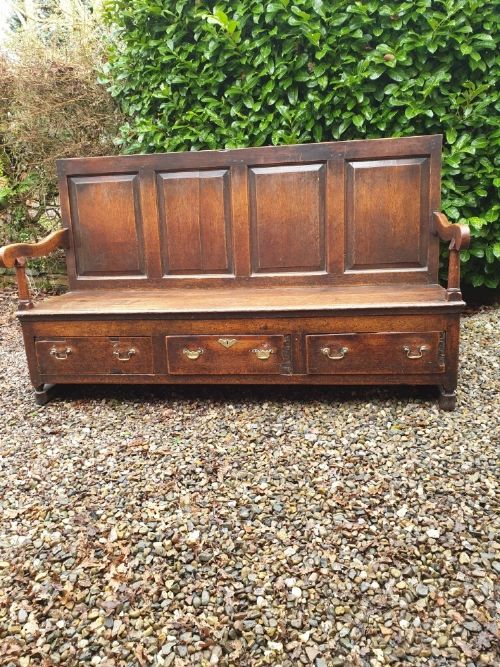
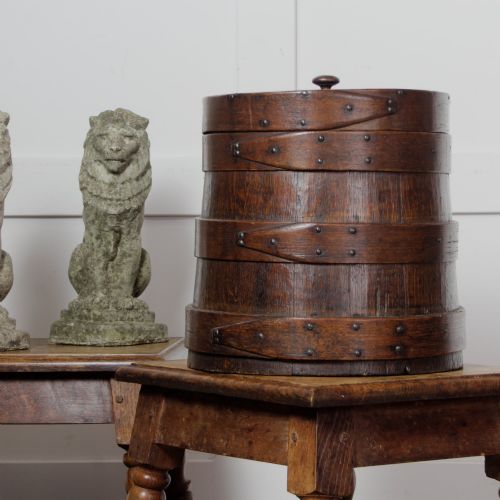
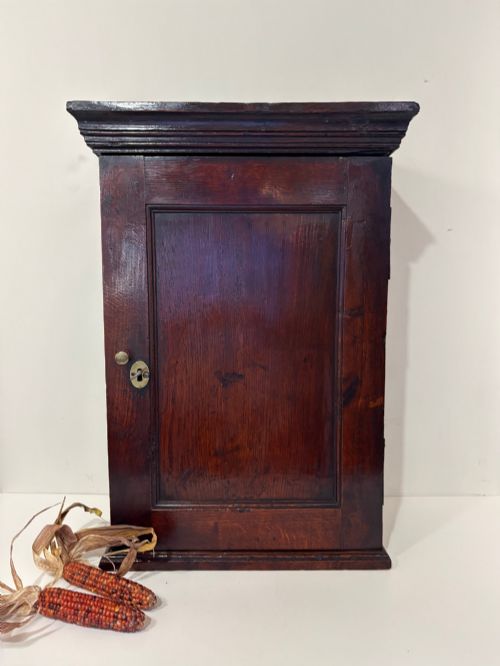
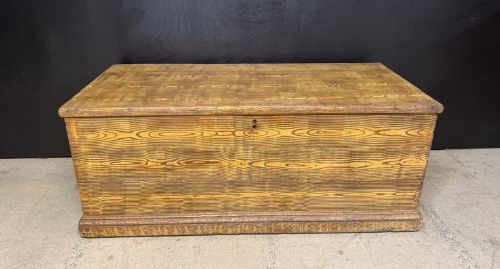
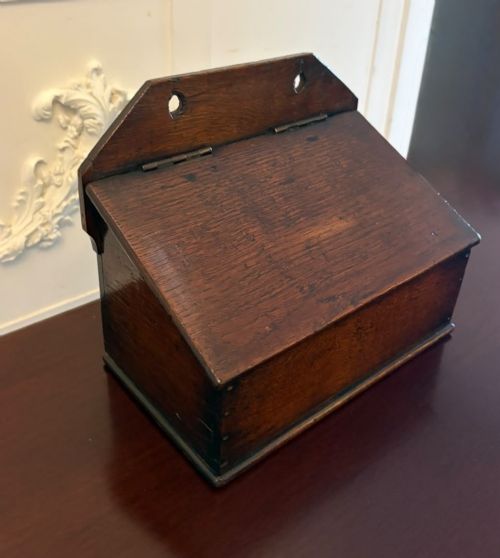
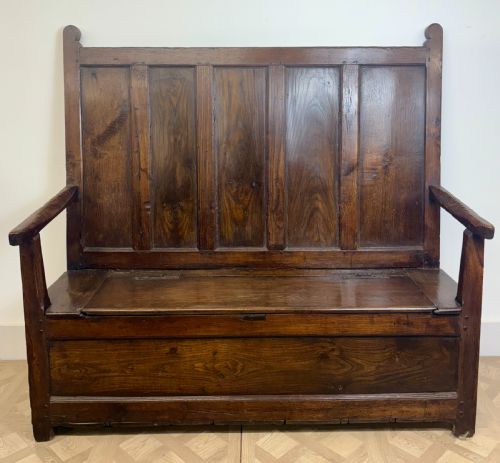
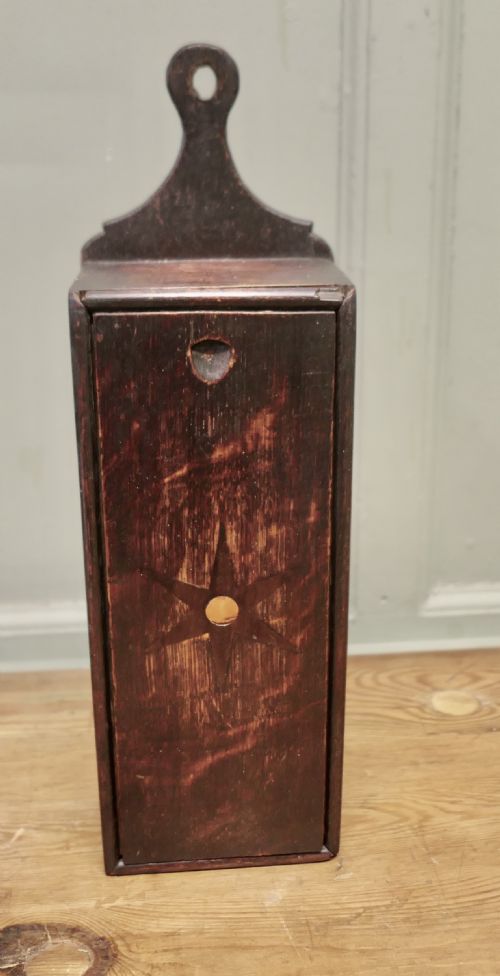
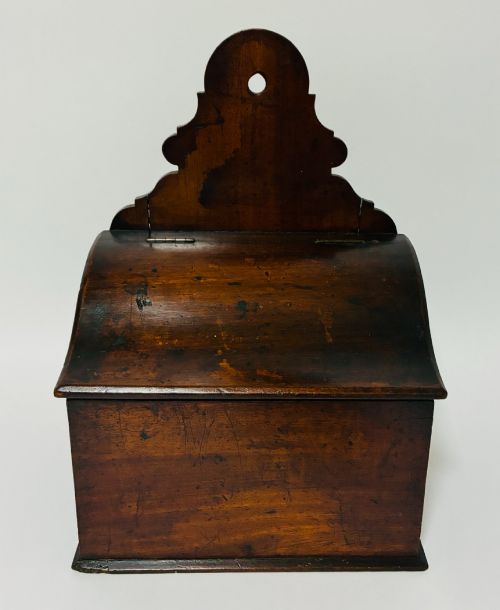
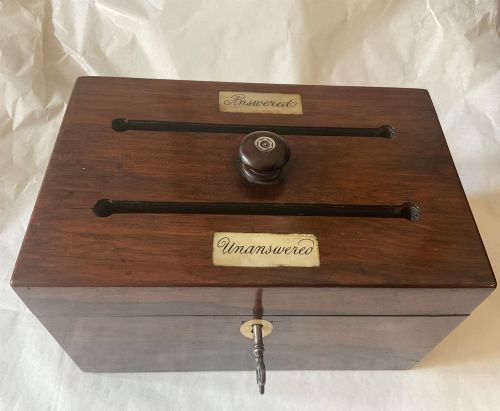
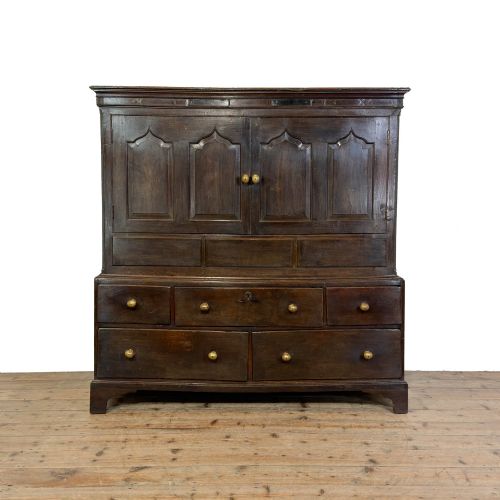
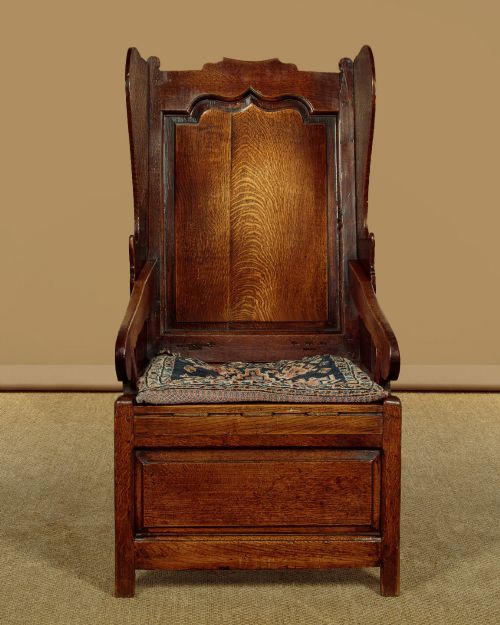
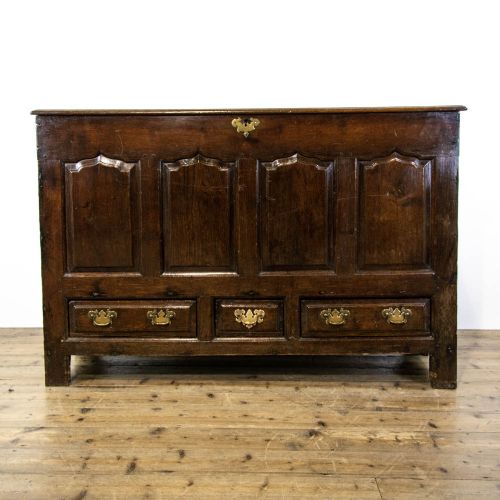
When you search for a georgian country box, you encounter pieces designed for daily household utility, spanning humble storage containers to larger seating forms. The selection runs from small wall-hanging candle holders and bible boxes to generous oak mule chests and box settles.
The version you are most likely to meet on this page is constructed from native timber, particularly oak, pine, or elm. These items reflect the domestic routines of seventeenth-, eighteenth-, and nineteenth-century households across Britain and Wales.
Many of these containers served specific domestic functions, such as holding salt, flour, letters, or candles near the hearth. Their robust construction allowed them to survive centuries of heavy domestic use while retaining straightforward utility.
Materials and construction methods
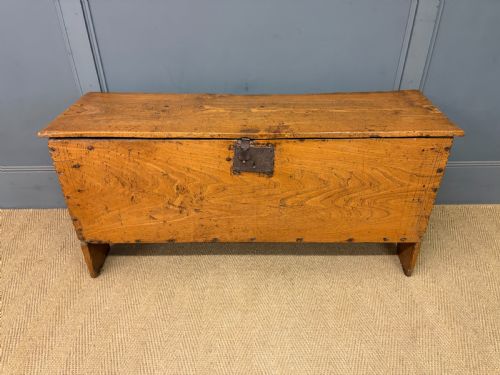
Makers relied primarily on native hardwoods and softwoods like oak, elm, ash, walnut, and pine, often joined with wooden pegs rather than metal fastenings. Iron hardware such as hinges and latches provided durable operational points for lids and doors.
Surface treatments remained simple, ranging from waxed finishes that highlighted the natural grain of the wood to occasional traces of early red or black paint. Regional traditions dictated the choice of timber and the specific method of panel construction.
Some candle boxes still retain their original hanging loops, ready to be lifted off the wall after dark.
What separates examples in quality
The distinction between standard containers and finer examples rests on the integrity of the timber selection and the restraint of the joinery. Peg-joined panels executed with precise hand tool work show a higher degree of vernacular craftsmanship.
Survival of original surface finishes, such as early wax patination or untouched iron hardware, elevates an example. Proportion and balance within simpler domestic forms distinguish pieces made by skilled regional joiners from purely utilitarian items.
The Georgian Country Box Glossary
- Mule chest
- A storage chest featuring one or more drawers beneath the main compartment. This form bridges the traditional coffer and the chest of drawers.
- Box settle
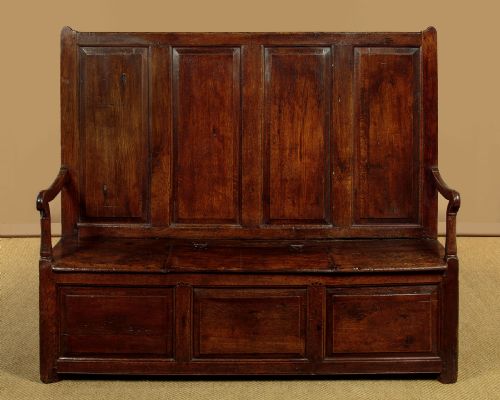
- A high-backed wooden bench with a compartment concealed beneath the seat. The high back shielded inhabitants from cold draughts near the hearth.
- Coffer
- A heavy timber chest constructed with pegged frame-and-panel techniques. These served as secure storage for valuables, textiles, and household documents.
- Vernacular
- Architecture or furniture built by local craftsmen using traditional regional methods and materials. These pieces prioritize local utility over academic architectural styles.
- Peg joined
- A method of securing timber joints using wooden dowels instead of metal nails. This technique allowed the wood to expand and contract naturally with seasonal humidity changes.
Georgian Country Box: Frequently Asked Questions
What were these boxes used for?
These containers held household provisions and valuables securely near the centre of domestic life. Smaller wall-hung receptacles kept candles or salt dry, while larger chests stored blankets and garments.
Many incorporated seating into their design, allowing them to double as benches by the fireplace. Their dual purpose maximised space in traditional rural homes.
How do I care for antique pine and oak?
Maintain these wooden pieces by applying traditional beeswax sparingly to nourish the dry timber. Avoid placing them near direct heat sources or in fluctuating humidity to prevent splitting.
Dust them regularly with a soft, dry cloth rather than modern chemical polishes. Preserving the dry surface helps maintain the historical character of the wood.
How do I date a vernacular oak piece?
Examine the construction methods, such as hand- split panels, peg joints, and forged iron hardware. Tool marks left by pit saws or adzes provide clear indicators of early manufacturing periods.
Compare the timber shrinkage and the wear patterns around handles and hinges. Regional styles also shift subtly across the seventeenth, eighteenth, and nineteenth centuries.
Where should I place a box settle?
Position a box settle against a sturdy wall in a hallway, kitchen, or living space to highlight its high back and architectural presence. Ensure adequate clearance around the piece so the integrated seat compartment can open fully.
These benches anchor a room effectively when paired with simpler furniture forms. They introduce historical texture and functional seating to contemporary interiors.