



Georgian Wall Box
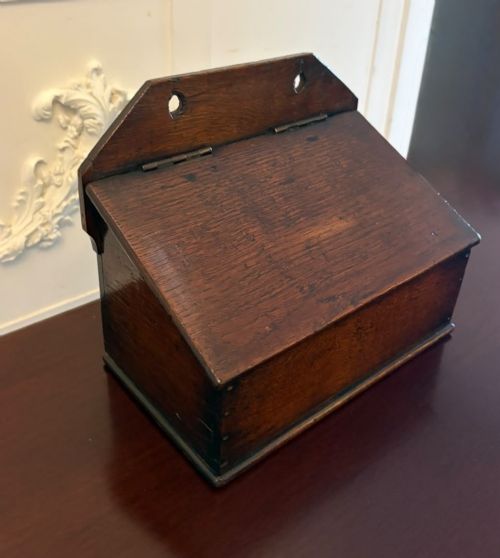
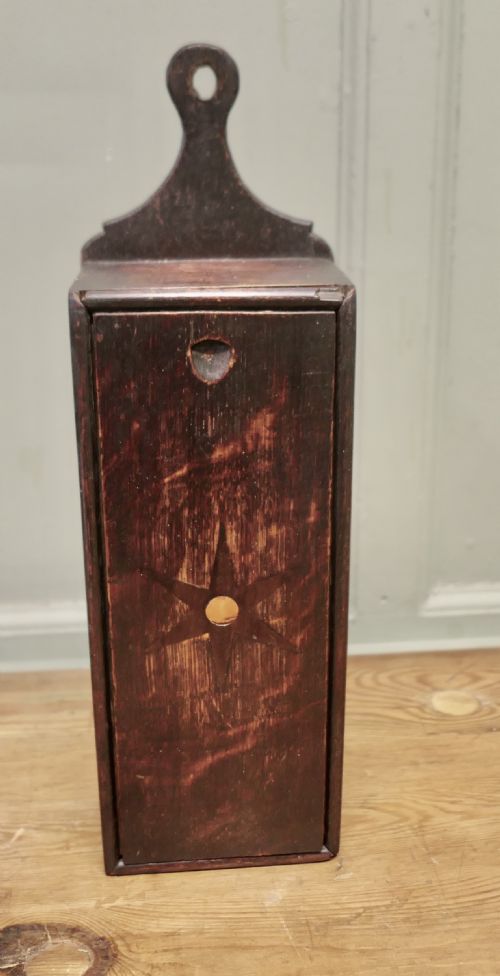
A georgian wall box is a practical domestic hanging container designed to hold candles, salt or small provisions close at hand.
Georgian Wall Box
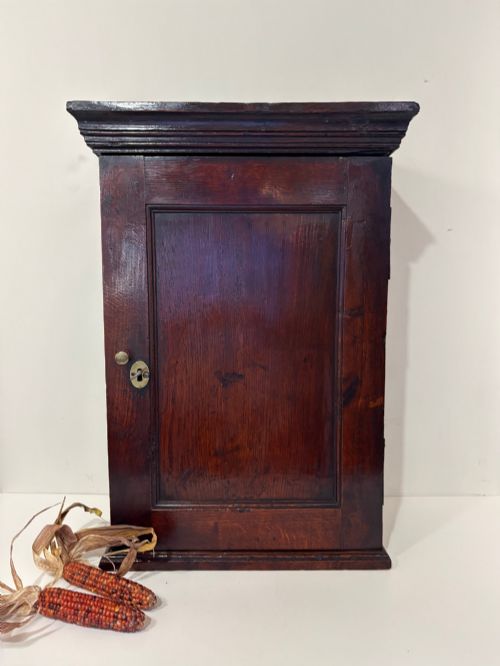
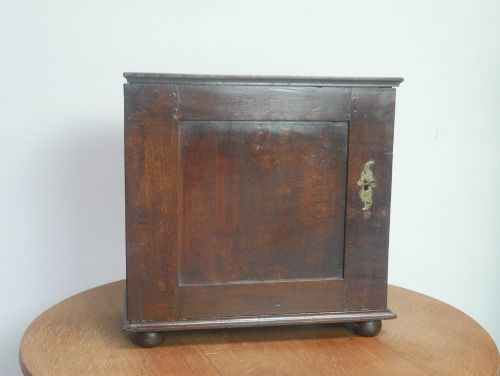
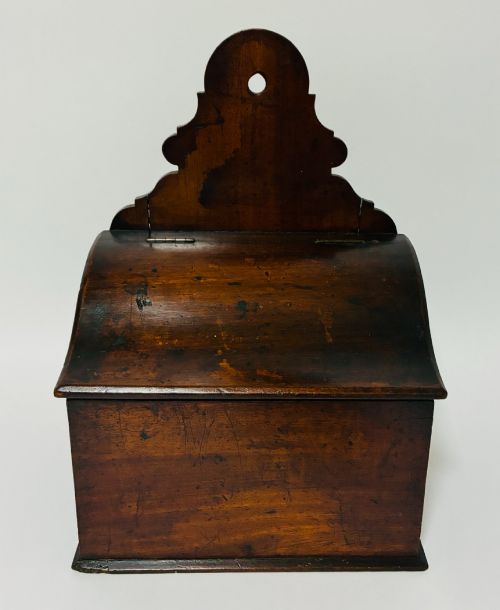
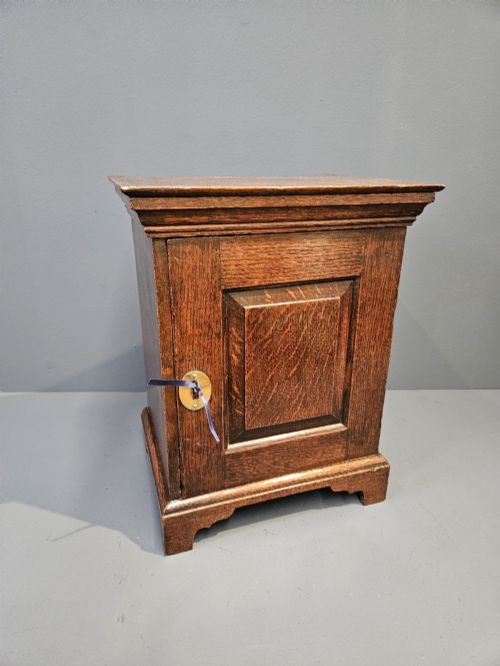
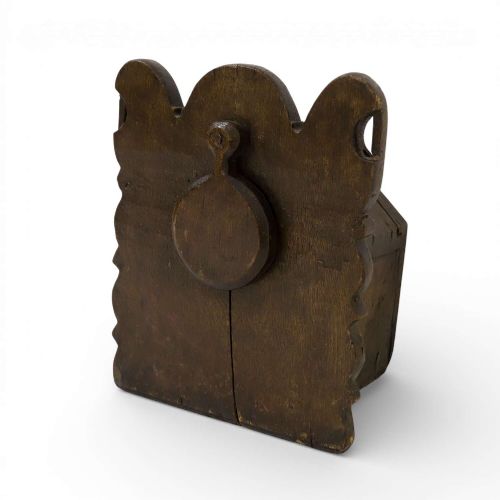
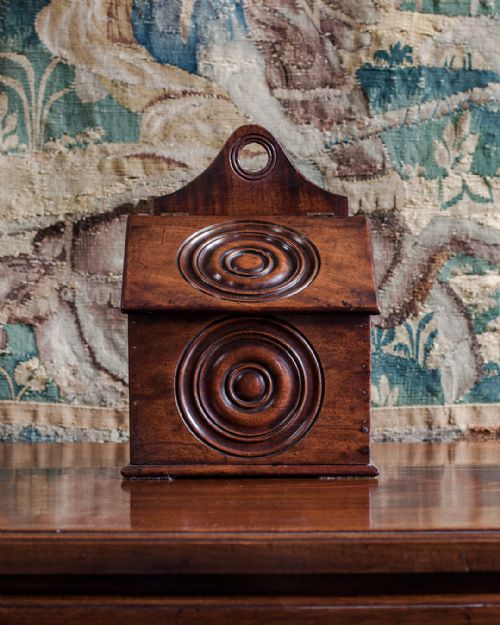
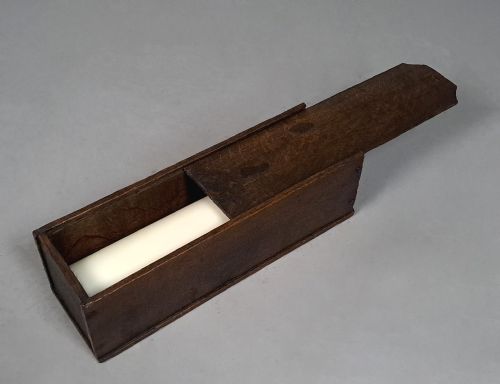
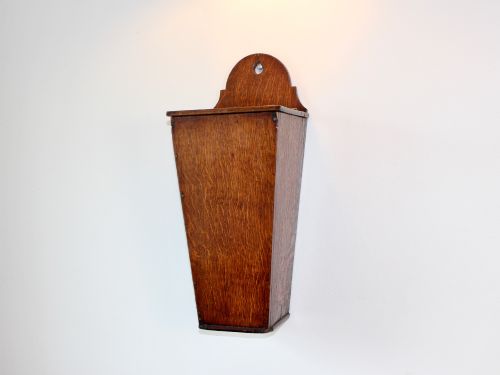
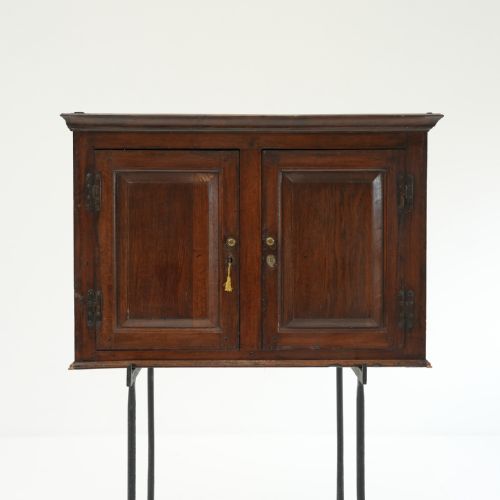
When you search for a georgian wall box, you encounter compact utilitarian containers made to hang securely upon domestic walls to save precious table space. These pieces include candle boxes, salt boxes, spice cupboards and small wall cabinets designed for daily household use.
The examples seen here lean heavily toward eighteenth-century oak and mahogany construction, often displaying regional vernacular characteristics such as those from Welsh workshops. Alongside traditional timber hanging boxes, related wall-mounted forms occasionally appear within the broader grouping.
How they were made
Carpenters and joiners constructed these hanging boxes predominantly using native timbers such as oak, mahogany, pine and deal, frequently joining boards with simple pegging or dovetailing. Surfaces were sometimes finished with decorative paint schemes, traces of red pigment, or left as polished wood.
Hardware played an essential structural and decorative role, incorporating original iron hinges, latches, brass escutcheons and hooks designed to bear the weight of the box and its contents when mounted on a wall.
The listings here demonstrate a strong preference for eighteenth-century oak, mahogany and pine, spanning utilitarian candle containers and wall-mounted spice cupboards.
What varies in quality
The distinction between ordinary utility items and superior examples often rests on the choice of timber and the sophistication of the joinery. Mahogany boxes with flame grain patterns sit at one end, while robust vernacular oak and painted pine examples represent the functional country tradition.
Survival of original surface finishes, brass fittings and iron hardware substantially elevates the character of a piece. Boxes retaining untouched period patination offer a more complete historical record than those altered or stripped down over subsequent generations.
The Georgian Wall Box Glossary
- Treen
- Small handmade wooden household objects and utensils. This term covers items produced by turners and joiners for daily domestic utility.
- Escutcheon
- A protective plate surrounding a keyhole. Brass examples often provide decorative contrast against dark mahogany or oak doors.
- Vernacular
- Architecture and objects created in a regional style by local craftsmen rather than following academic metropolitan designs. Welsh vernacular pieces show distinct local preferences in timber selection and construction.
- Patina
- The surface sheen and colour developed by wood and metal over decades of handling, polishing and exposure to light. Original patina indicates minimal interference from modern refinishing.
- Dovetail
- A joint formed by interlocking wedge-shaped fingers of wood. It provides exceptional tensile strength for corners in box and drawer construction.
Georgian Wall Box: Frequently Asked Questions
Where were these boxes hung?
These boxes were typically mounted on walls near fireplaces, doorways or work areas where salt, candles or spices were needed quickly.
Their placement kept essential domestic items dry, secure and out of the reach of household pests.
What is the difference between a candle box and a salt box?
Candle boxes often featured sliding lids or hinged slanted fronts to protect tallow or wax dips from dust.
Salt boxes usually incorporated a high backboard with a suspension hole and a sloping lid designed to keep dampness away from coarse kitchen salt.
How do I mount an antique wall box safely?
Most hanging boxes rely on an original pierced backboard or hanging lug designed to fit over a secure wall screw or peg.
Weight distribution should be tested carefully so the old timber and historical fixings bear no undue strain.
Are these pieces made of solid wood?
The vast majority of these hanging boxes utilise solid native hardwoods like oak and mahogany, or softwoods such as pine.
Construction relied on boards thick enough to withstand daily opening and closing without warping.