


Georgian Country Art
Georgian country art gathers together the rustic paintings, naïve works and vernacular objects produced in rural settings during the eighteenth and nineteenth centuries.
Georgian Country Art
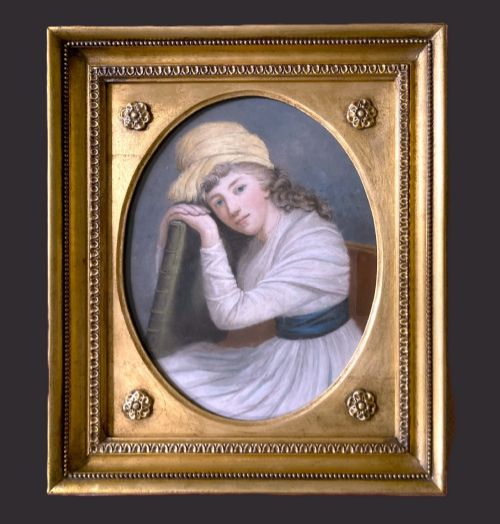
When you search for georgian country art, you encounter a diverse mix of vernacular objects, rural landscapes and domestic items spanning the eighteenth and nineteenth centuries. These pieces reflect provincial life, encompassing everything from utilitarian wooden furniture and pottery to charming oil paintings and paper works.
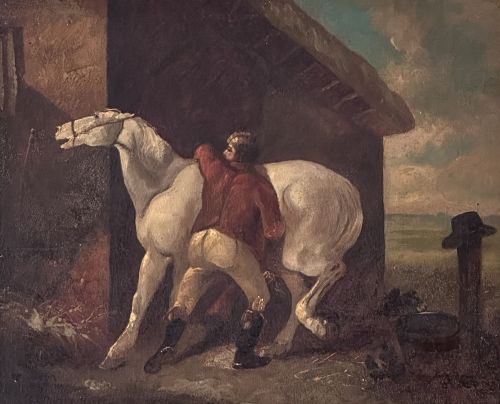
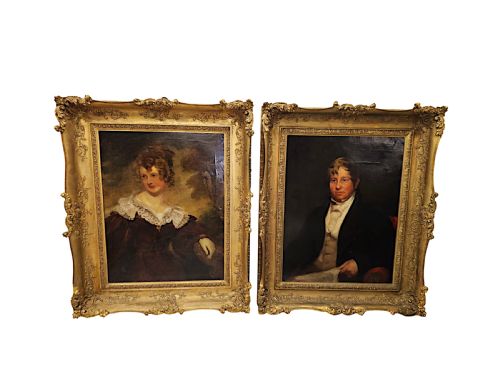
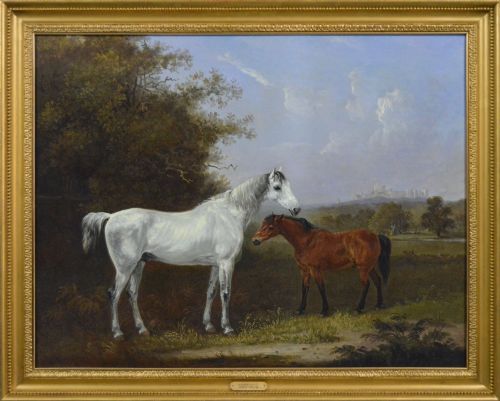
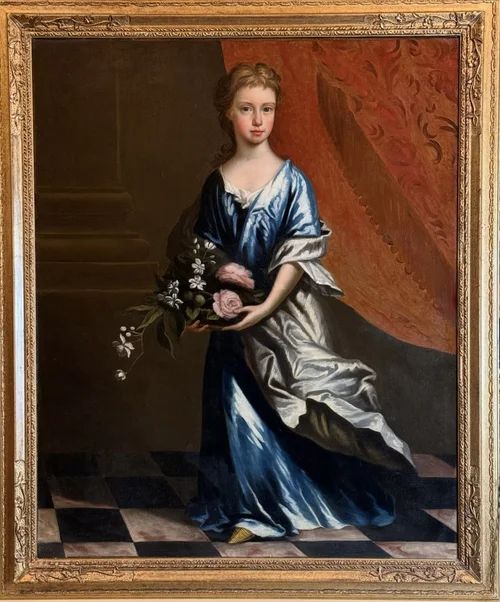
The most common items on this page include oil paintings of farmyards, sporting scenes, and portraits by regional artists or followers of well-known painters. Alongside these canvases, you find practical household pieces like oak spoon racks, pine cradles, and box settles originating from English, Welsh, and continental rural workshops.
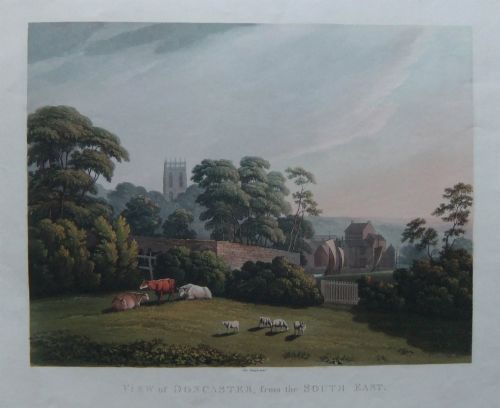
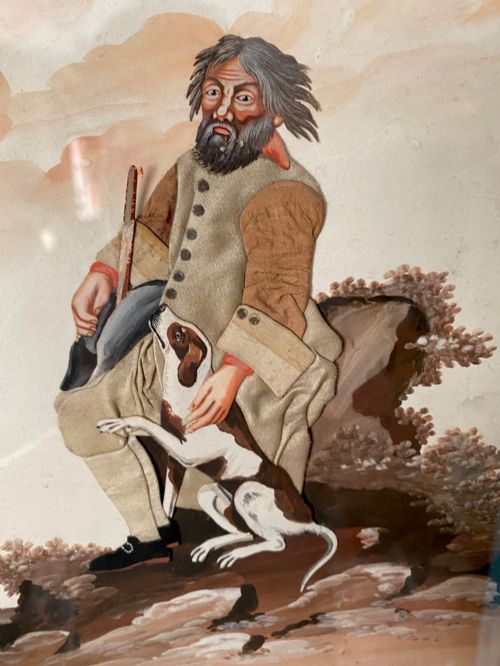
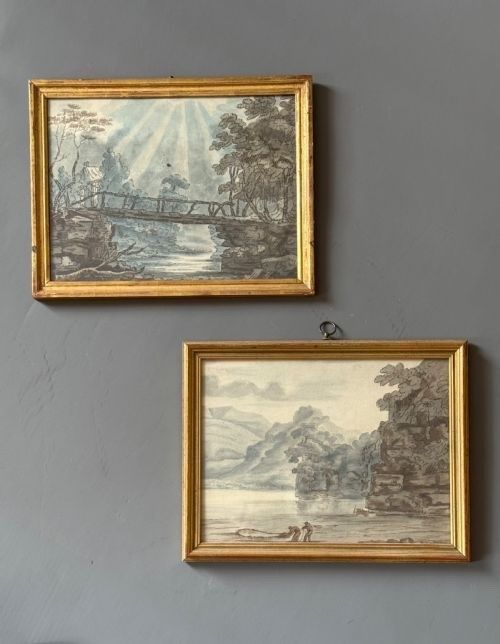
Many works carry a naïve or folk art charm, displaying a direct and unpretentious approach to form and colour. Whether rendered in ink, watercolour, or oil on canvas, these items offer a tangible connection to the domestic routines and agricultural landscapes of the period.
How They Were Made
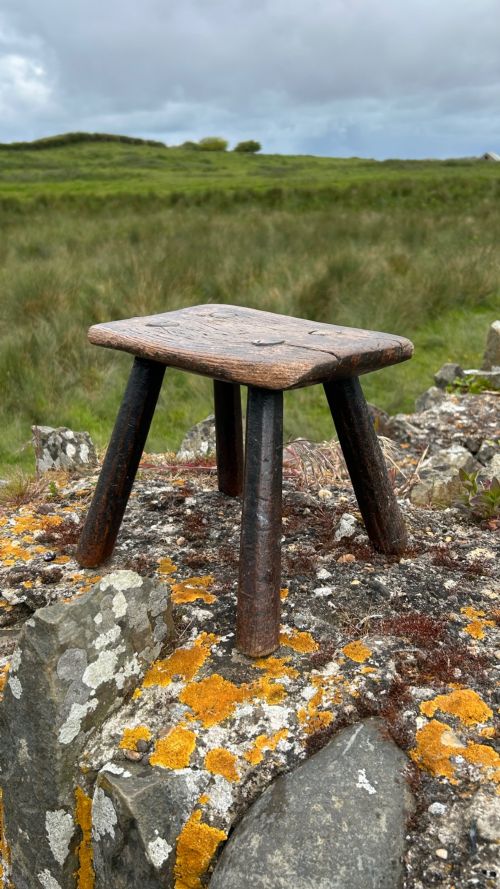
Makers utilised available local materials, relying heavily on native woods such as oak and pine for utilitarian furniture and boxes. Surfaces often retain original paint, wax, or simple finishes applied to protect the timber while showing the grain and construction marks of regional craftsmen.
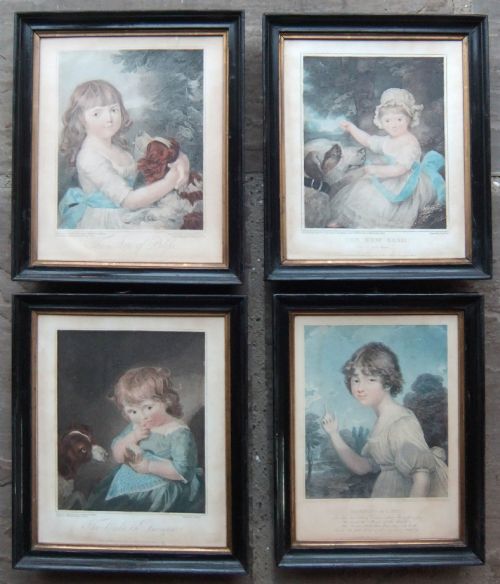
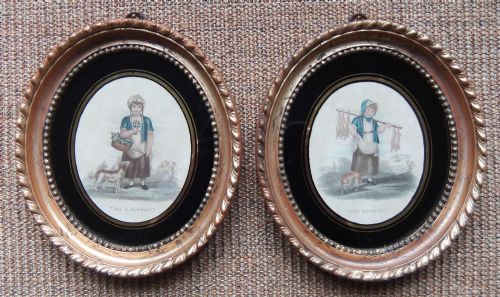
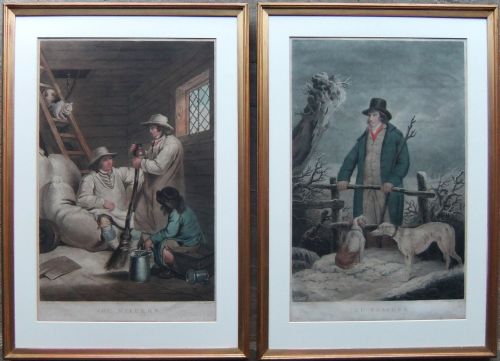
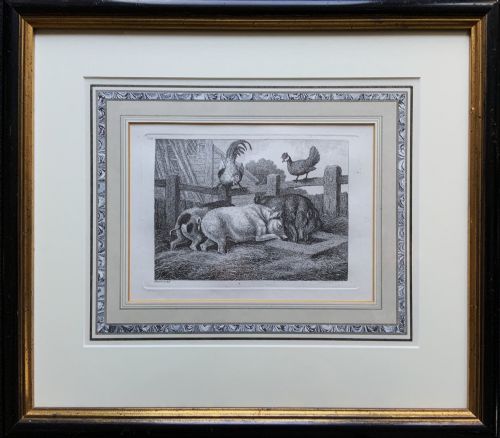
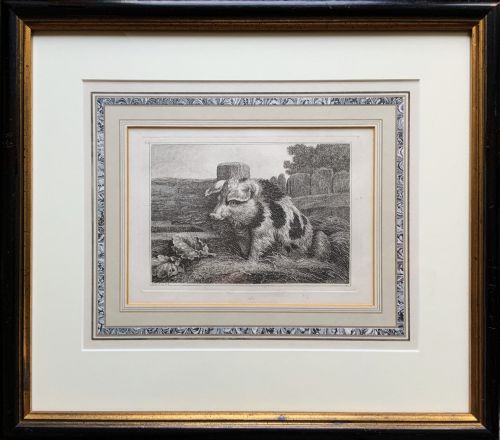
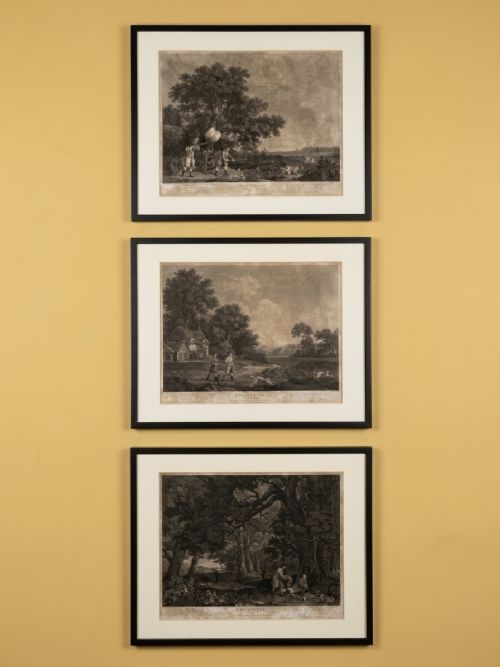
Painters and draughtsmen worked with oil on canvas or board, watercolour, ink, and pencil on paper to capture rural scenes and portraits. Engravings and mezzotints produced during the period multiplied these images, employing plates printed with ink and occasionally finished with hand colouring.
Georgian Country Art Retail Price Guide 2026
Typical asking prices for georgian country art among the pieces listed under this phrase on Sellingantiques today, from the lower quarter to the upper quarter. They describe what is for sale here now, not the wider market.
Listings feature works across the eighteenth and nineteenth centuries, spanning mediums from oil on canvas to pen and ink drawings.
What Varies in Quality
The strength of the composition and the confidence of the brushwork largely distinguish finer paintings from more basic provincial efforts. Superior pieces capture light, movement, and anatomy with greater skill, even within a naïve or folk art style.
Materials and surface preservation dictate the standing of physical objects like furniture and pottery. Items retaining their original painted finishes, patination, and structural integrity sit at the higher end of the range compared to heavily restored or altered examples.
William Woollett·George Stubbs·T C Hofland·George Morland·Samuel Raven·Clifton Tomson·Julius Caesar Ibbetson·Joseph Farrington·Robert Sayer
The Georgian Country Art Glossary
- Naive art
- Artwork created by a person without formal training, often characterised by a childlike perspective and simplified handling of space and proportion. This style forms a core element of rural and provincial collecting.
- Vernacular
- Everyday architecture, furniture, and objects built by local craftsmen for practical use rather than following high-style academic designs. These pieces emphasise function and regional traditions.
- Mezzotint
- A printmaking process where the copper plate is roughened to achieve dark tones and smoothed areas to create highlights, producing rich gradations of light and shade. It was widely used for portraits and sporting prints.
- Box settle
- A high-backed wooden bench featuring a solid enclosed base that often doubles as a storage chest. They were placed near hearths in rural homes to keep out draughts.
Georgian Country Art: Frequently Asked Questions
What defines georgian country art?
These pieces comprise rural paintings, prints, and utilitarian objects created during the eighteenth and nineteenth centuries. They reflect provincial life and domestic routines outside major metropolitan centres.
Items range from oil paintings of farmyards and local landscapes to practical wooden furniture and pottery made by regional craftsmen.
How were these paintings and drawings displayed?
Works on canvas and paper were typically framed in simple wood or giltwood frames suitable for country houses and provincial homes. They hung in parlours, hallways, and dining rooms to record local scenery, family members, or sporting pursuits.
Many retained simple glazing or unglazed surfaces depending on the medium and whether the work was a delicate watercolour or a robust oil painting.
How do I care for antique wooden furniture?
Keep wooden items away from direct heat sources and extreme humidity fluctuations to prevent the timber from splitting or warping. Gentle dusting with a dry cloth helps maintain the surface.
Avoid modern chemical polishes that can build up over old wax or original painted finishes, preserving the natural patination acquired over centuries.
How do I distinguish eighteenth century pieces?
Examine the materials, construction methods, and pigments used in the piece to establish its age. Eighteenth-century items often display hand-cut joinery, older linen canvases, or specific paper types associated with the period.
Stylistic cues, such as the clothing in portraits or the specific palette of early oil paintings, also help separate earlier works from later nineteenth-century productions.