
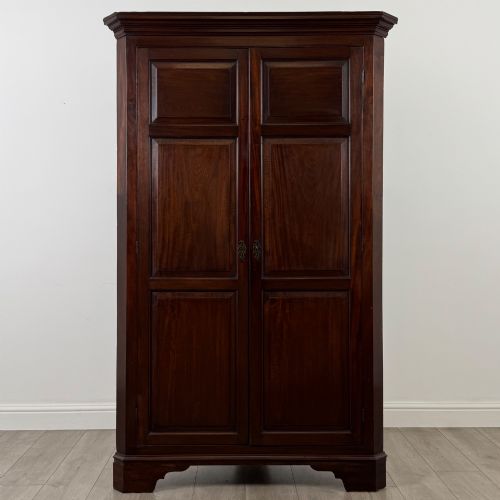
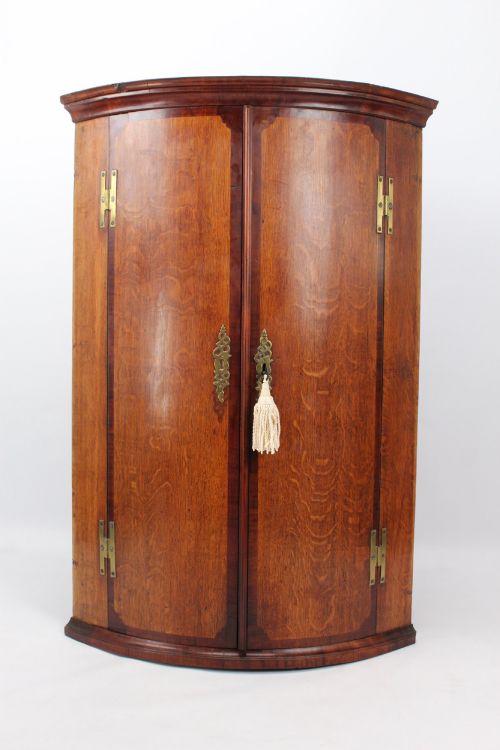
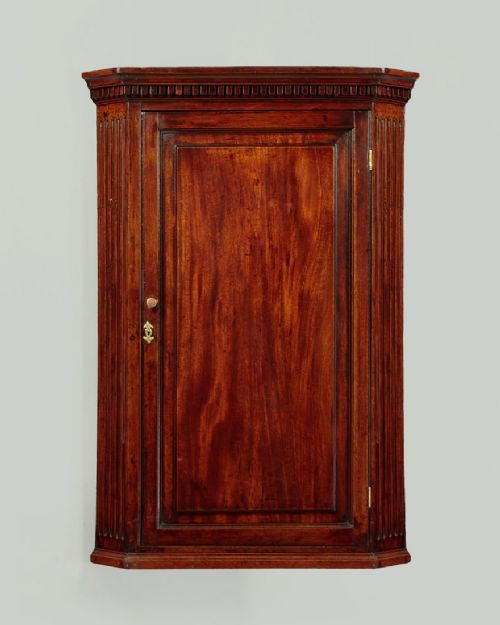
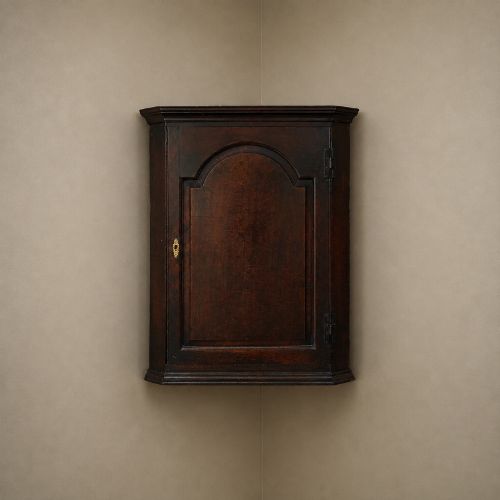
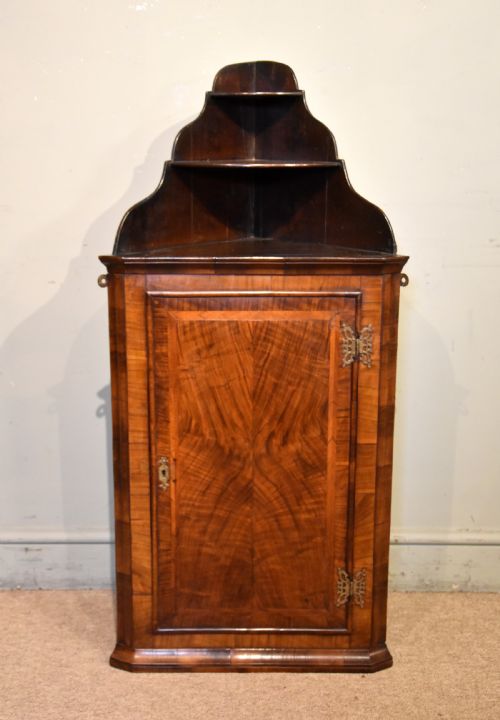
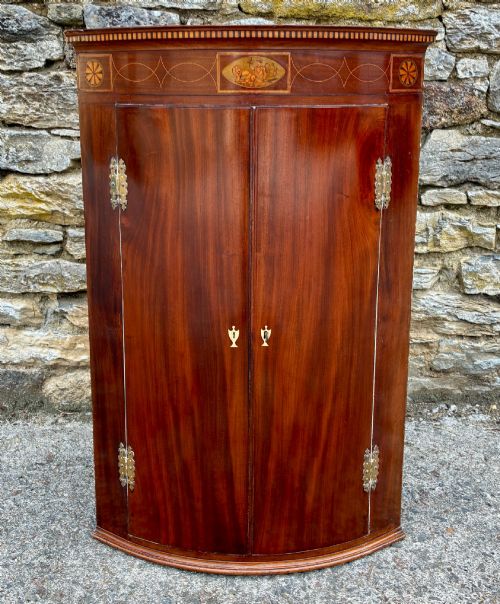

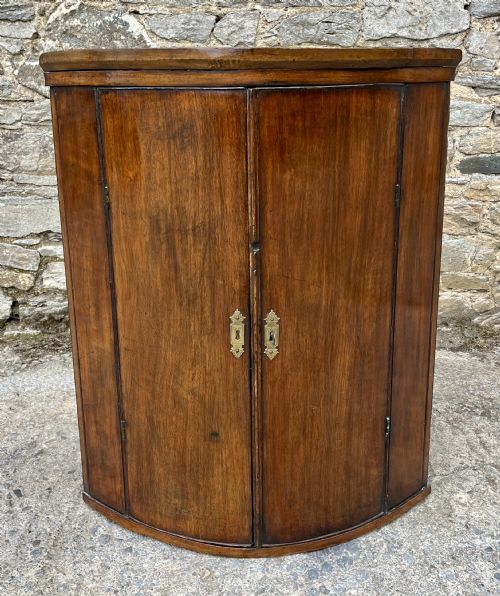
Georgian Corner Unit
A georgian corner unit solves the eternal problem of dead space by turning an empty room angle into a focal point for display or storage.
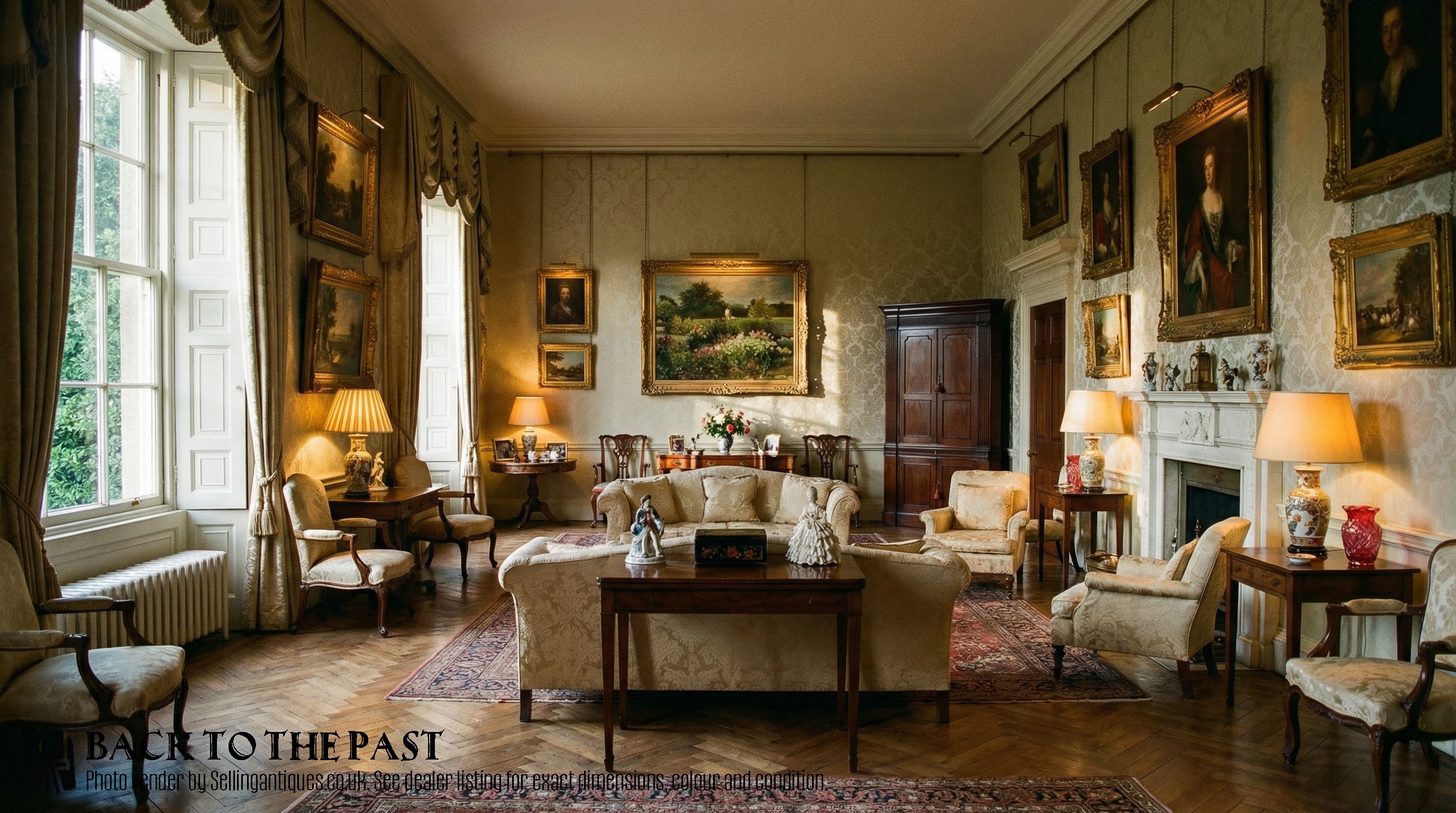
Georgian Corner Unit
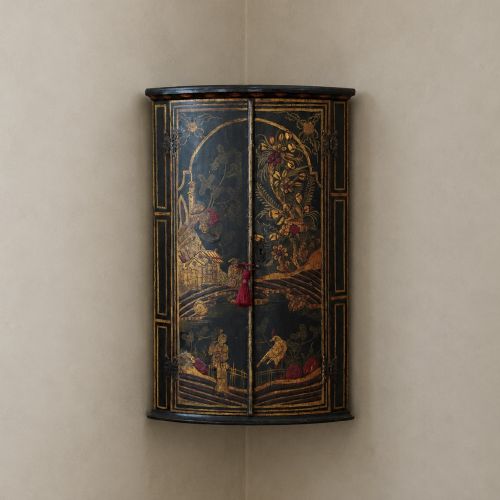
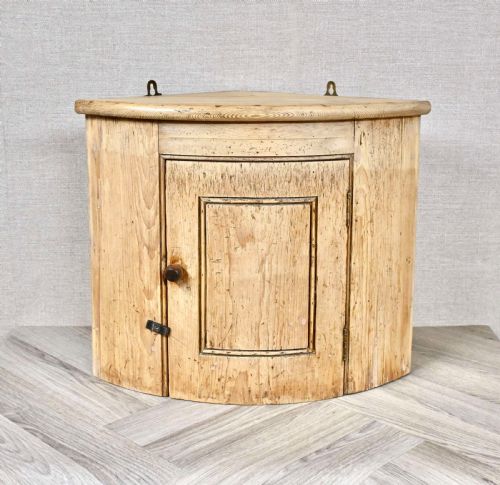
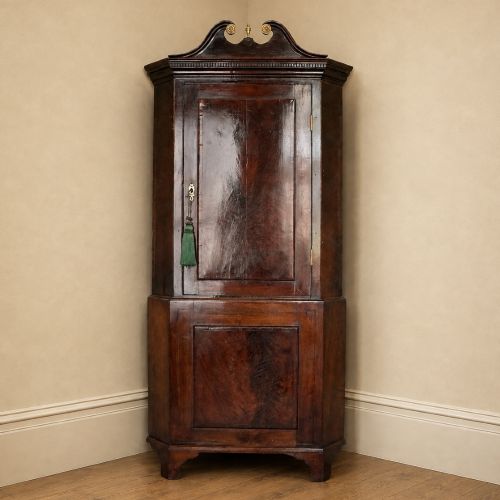
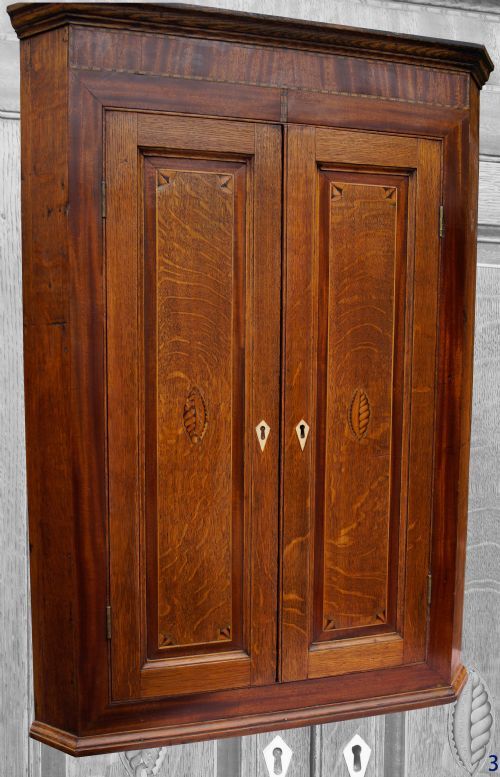
A georgian corner unit most commonly takes the form of a wall-hanging or floor-standing cupboard designed to fit neatly into the ninety-degree junction of two walls. The pieces available here span from the eighteenth century into the twentieth century, encompassing genuine Georgian work alongside later revivals.
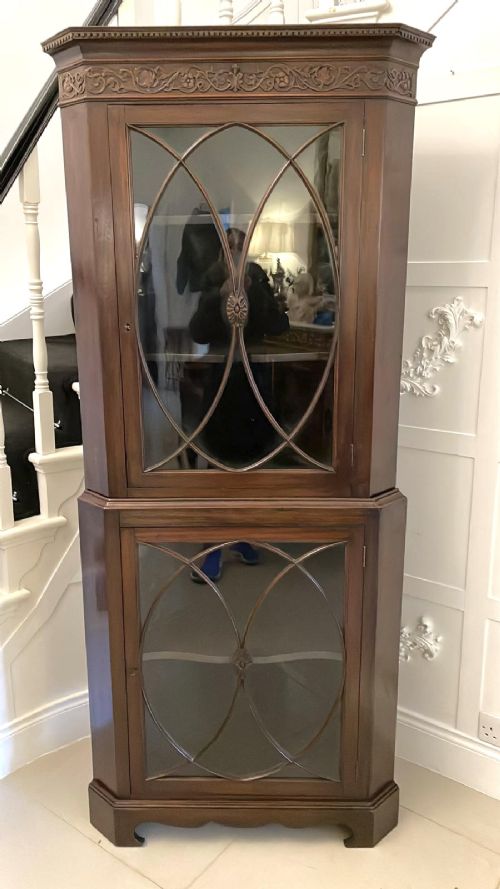
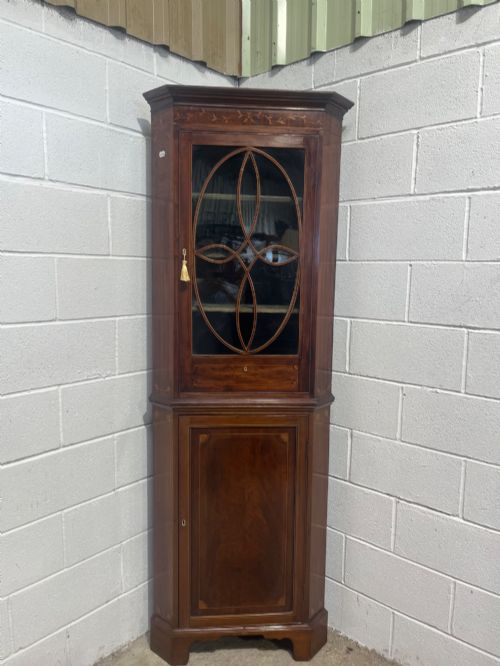
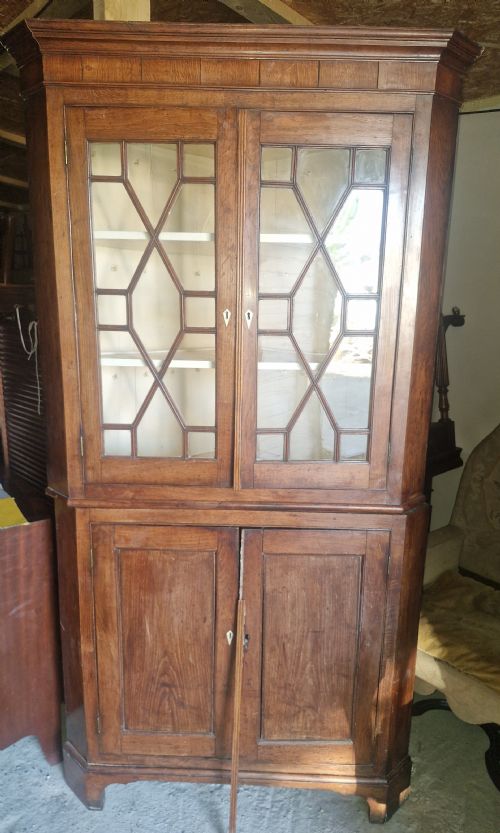
Buyers will encounter single-door hanging models as well as taller two-part standing cabinets in various configurations. Timbers such as mahogany and oak dominate the selection, often shaped with bow fronts or fitted with glass doors.
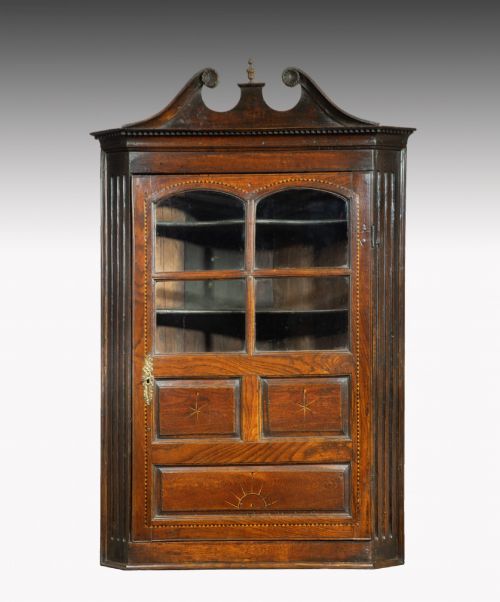
While traditional timber finishes are standard, variations include painted surfaces, Chinoiserie japanning and inlaid details that reflect the stylistic shifts from George II through to the Edwardian era and beyond.
Factors of quality
The choice of timber underpins the quality of a georgian corner unit, with dense cuban mahogany or figured walnut sitting above standard pine or everyday oak. Timber selection directly influenced how crisply carvers could execute architectural details like broken arch pediments.
Joinery execution dictates longevity, visible in the tightness of dovetail joints on drawers and the precise mitring of cornices. Superior examples retain original brassware, undisturbed glass panes and cohesive proportions between the upper display section and lower cupboard.
Form variations range from wall-hanging cupboards and floor-standing cabinets to multi-tier whatnots and washstands.
The Georgian Corner Unit Glossary
- Astragal
- A moulding profile used to divide glass panes within a cabinet door. These narrow timber strips create geometric patterns that frame the contents inside.
- Bow front
- A convex curved cabinet front that swells outward from the corners. This shape softens the angular geometry of the room.
- Japanning
- A European imitation of East Asian lacquerwork popular on furniture. It involves layered varnishes and raised motifs on a dark ground.
- Pediment
- The decorative structure crowning the top of a tall cabinet. Examples include broken arch designs that finish the piece with architectural presence.
Georgian Corner Unit: Frequently Asked Questions
Where should I place a corner unit?
These cabinets suit dining rooms, living spaces or hallways where standard rectangular furniture wastes valuable floor space. They draw the eye upward and utilise neglected angles effectively.
Ensure the wall angles match the ninety-degree construction of the cabinet before installation, particularly with heavy floor-standing pieces.
How do I secure a hanging cupboard?
Wall-hanging corner cupboards require sturdy fixings screwed directly into timber wall studs or masonry. Because older timbers carry significant weight, proper wall anchors are essential.
Check that the internal fixing points and strap hinges remain secure to support the load of stored china or glassware.
Are these units one piece or two?
Smaller cupboards are usually built as a single hanging or standing entity. Taller examples frequently utilise a two-part construction, separating an upper display section from a lower base cabinet.
Two-part designs make transportation and placement much easier in rooms with restricted access or low ceilings.
How do I clean antique timber surfaces?
Dust regularly with a dry, soft cloth and avoid modern silicone polishes that build up a hazy film over the finish. Natural beeswax applied sparingly helps nourish older wood.
Keep these cabinets away from direct sunlight and strong heat sources to prevent the timber from warping or splitting over time.