
Georgian Commode
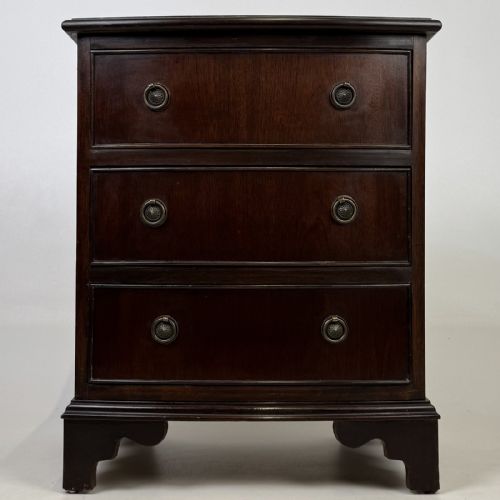
A georgian commode brings solid timber and proportion to a bedroom, functioning as a chest of drawers or bedside cupboard built for daily storage.
Georgian Commode
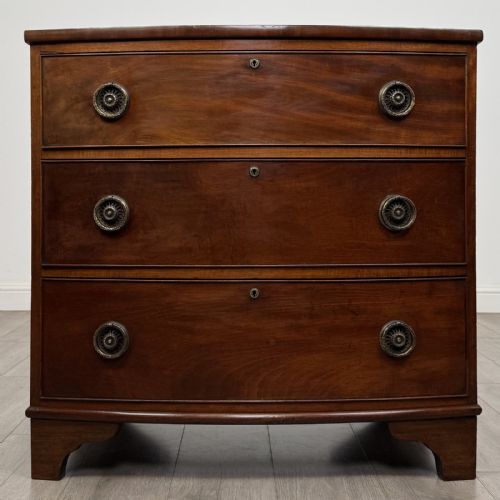
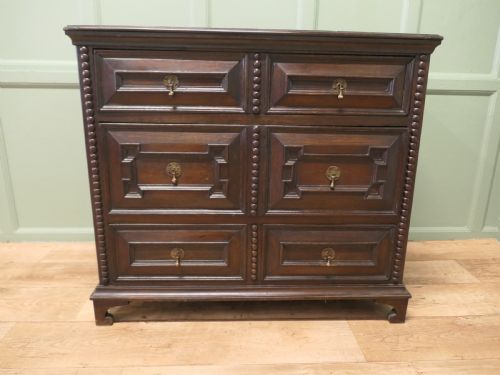
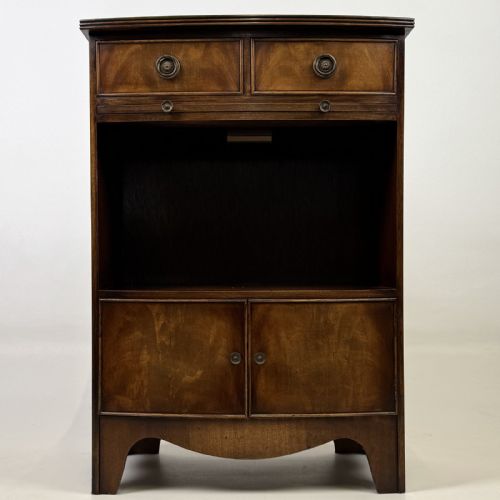
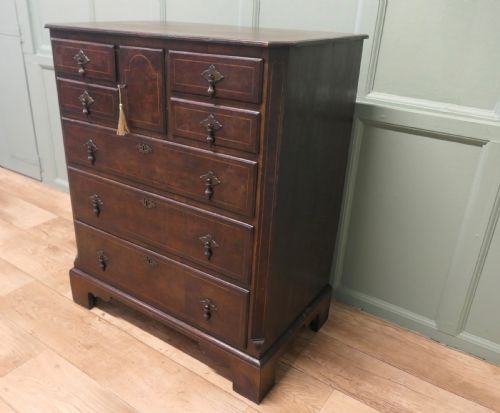
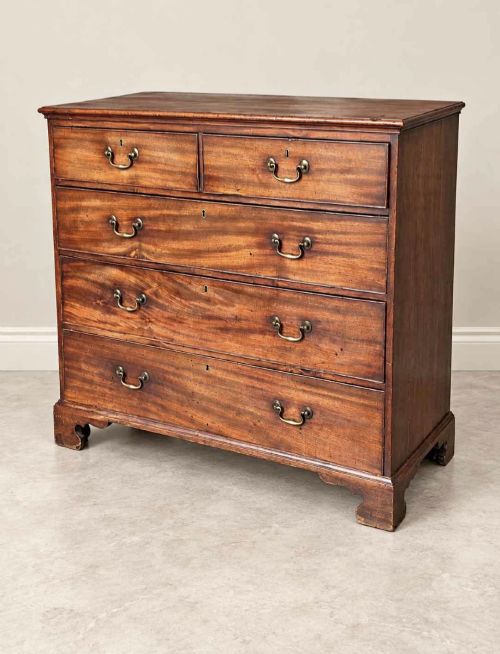
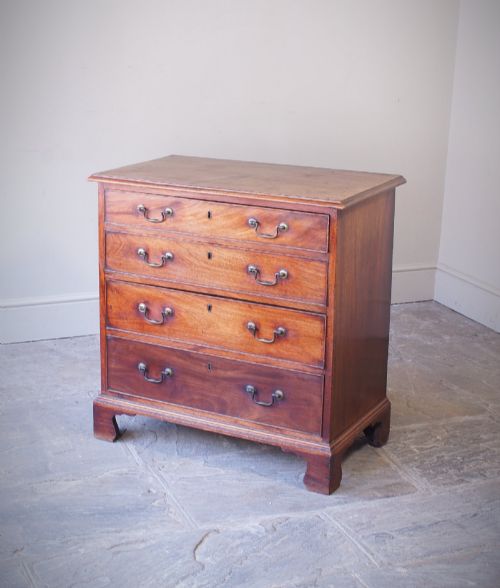
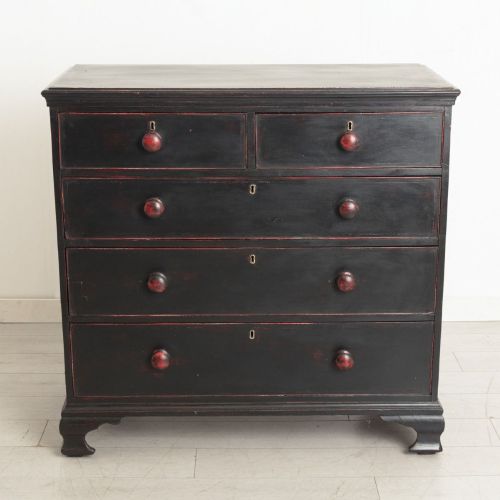
A georgian commode primarily takes the form of a chest of drawers, alongside bedside tables, nightstands, and pot cupboards recorded in the listings. These pieces emerge from periods spanning the eighteenth century, the Regency era, and later revival years up to the nineteen-thirties.
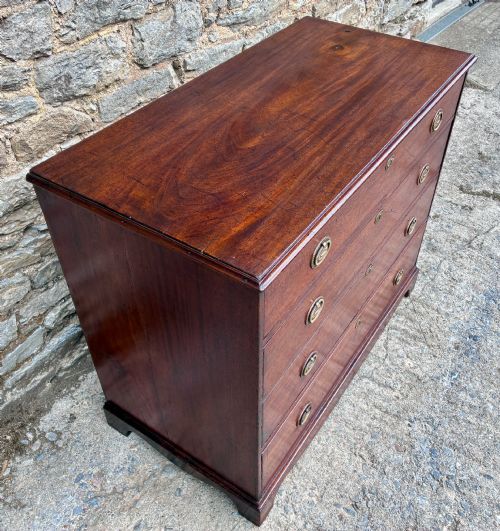
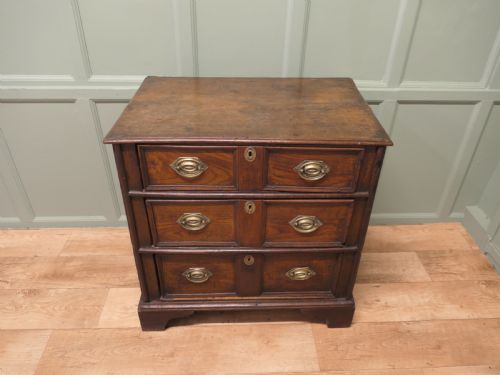
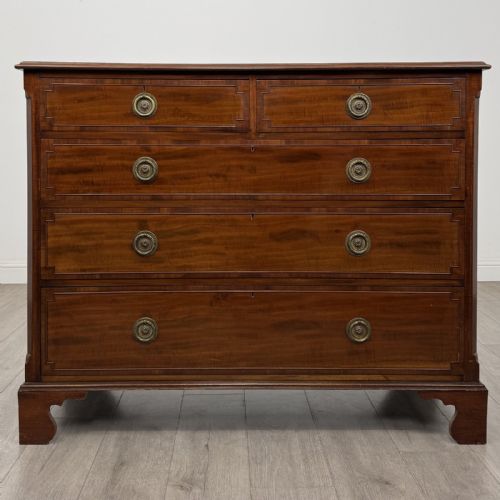
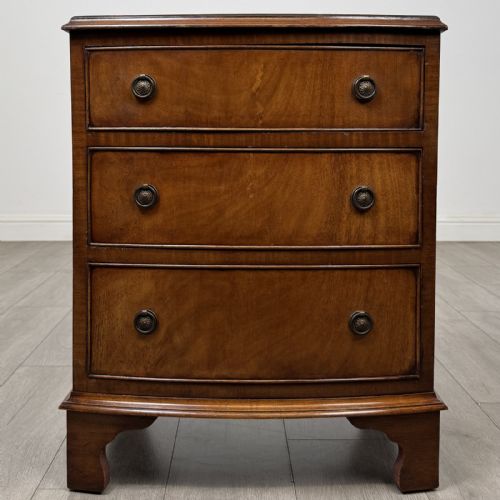
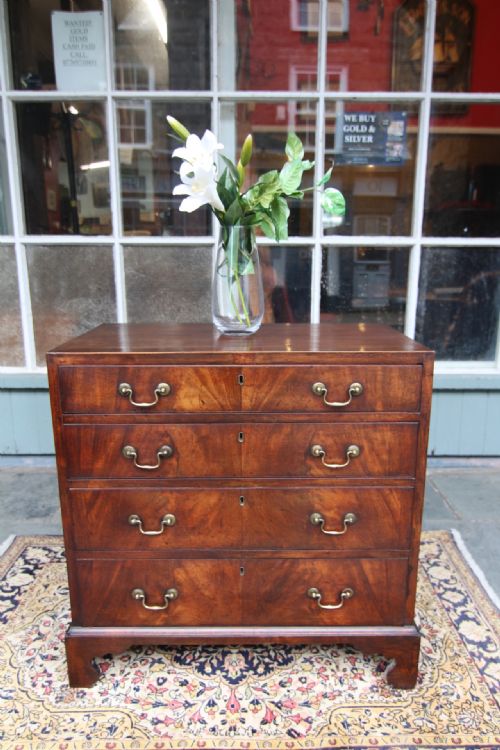
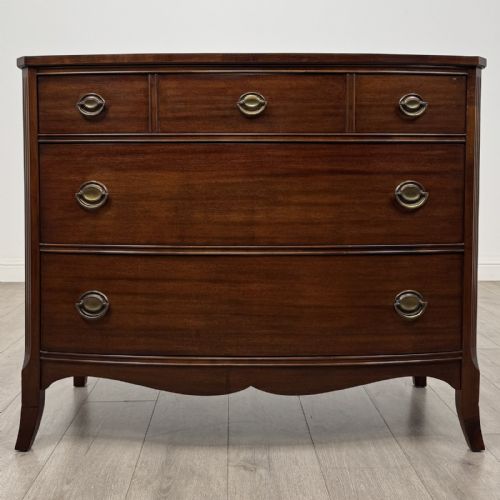
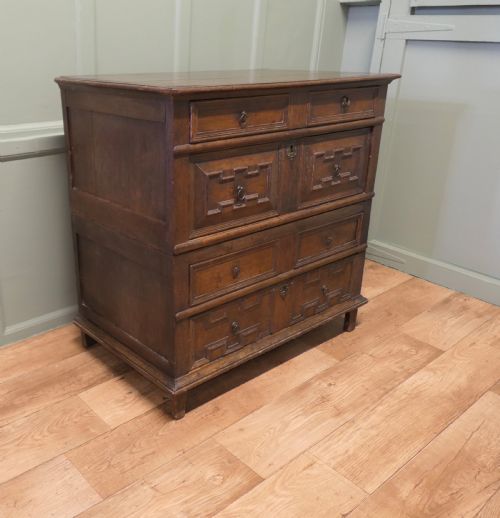
The most common formats on this page are mahogany chests of drawers, often featuring bow-fronts or straight sides with brass handles, alongside oak and walnut examples from country and city workshops.
Materials and construction
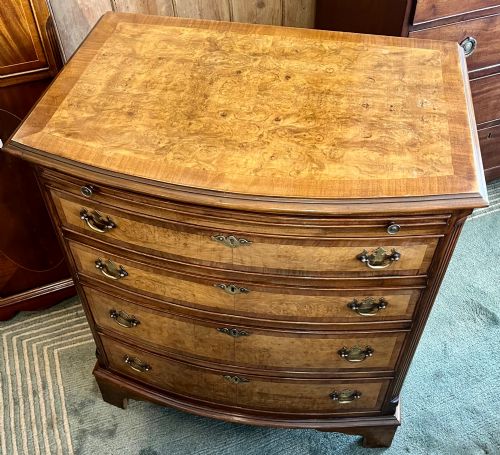
Cabinetmakers built these pieces using dense hardwoods like mahogany, walnut, burr walnut, and oak, supplemented by secondary timbers such as pine and elm in drawer linings and carcases. Surfaces frequently display figured veneer or inlaid top details.
Joinery methods rely on dovetailed drawer construction, bracket feet, and pull-out brushing slides, accompanied by cast brass handles and escutcheons secured to the drawer fronts.
Some night commodes feature concealed pull-out steps inside their cupboards, offering a modest height boost for waking up on cold mornings.
Indicators of standard
Quality rests in the crispness of the timber grain, the tightness of the dovetail joints, and the integrity of the original brass hardware and bracket feet. Pieces with figured mahogany or burr walnut veneers demonstrate superior selection of raw materials by the cabinetmaker.
Proportion and utility also separate examples, as seen in smaller dimensions, fitted brushing slides, and well-executed bow-front or serpentine shapes that demand greater skill than plain straight-front carcases.
The Georgian Commode Glossary
- Bow-front
- A cabinet front that curves outward in a convex arc. This shape appeared frequently on mahogany and satinwood chests from the Georgian and Regency periods.
- Brushing slide
- A pull-out board positioned above the top drawer of a chest or commode. It provided a clean surface for folding clothes or writing without opening the main drawers.
- Bachelors chest
- A compact chest of drawers equipped with a folding top or sliding board. These pieces served gentlemen for personal grooming and correspondence.
- Serpentine
- A front shape formed of three curves, dipping inward in the centre and convex at the sides. This contour required advanced woodworking skill.
- Bracket foot
- A foot form shaped like a small bracket, supporting the corners of a chest or cabinet. They take plain or ogee profiles depending on the period.
Georgian Commode: Frequently Asked Questions
What is a georgian commode used for?
These pieces serve primarily as chests of drawers, bedside tables, or storage cupboards in bedrooms and dressing rooms. Their compartments hold clothing, linens, and personal items while providing a flat top surface.
Compact variations like nightstands and pot cupboards function effectively beside a bed. Their enclosed spaces and pull-out slides accommodate small bedside necessities and nighttime storage.
How do I identify a georgian period piece?
Identification relies on examining timber selection, construction methods, and hardware styles across the carcase. Eighteenth-century examples typically employ solid mahogany, oak, or walnut with hand-cut dovetails and period brass handles.
Revival pieces from later decades often imitate these characteristics but utilise machine-cut joints or differing secondary timbers. Checking internal drawer linings helps clarify the age of the woodwork.
Are bow front chests difficult to place?
Bow-front chests fit well against flat walls, though their projecting curves require careful measurement of surrounding floor space. Their curved profiles soften room geometry compared to straight-sided furniture.
Smaller bow-front models adapt easily to narrower hallways and compact bedrooms. Their reduced depth makes them practical for spaces where standard furniture projects too far outward.
How do I care for antique timber furniture?
Maintain timber surfaces by dusting with a dry, soft cloth and avoiding silicone-based polishes. Keeping pieces away from direct heat sources and strong sunlight prevents veneer cracking and wood shrinkage.
Occasional applications of natural beeswax nourish the wood and preserve the finish. Handling drawers carefully ensures the runners and dovetails remain aligned over time.