



Georgian Collectables
Georgian collectables span small portable treasures from silver vinaigrettes to flintlock pistols, offering tangible links to eighteenth and nineteenth-century daily life.
Georgian Collectables
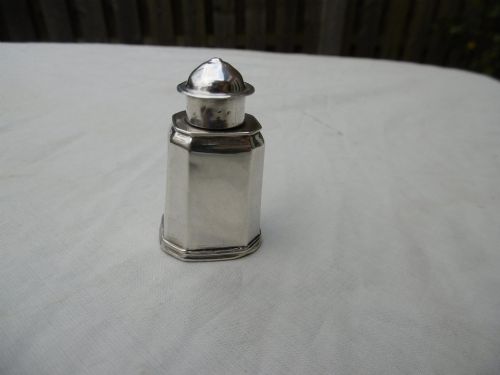
When searching for georgian collectables, you encounter a diverse array of small functional and decorative items produced during the eighteenth and early nineteenth centuries. These pieces encompass silver tableware, porcelain cups, pocket watches, and personal accessories that reflect the craftsmanship of the period.
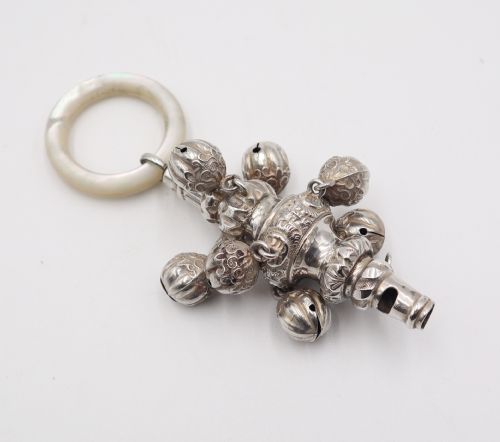
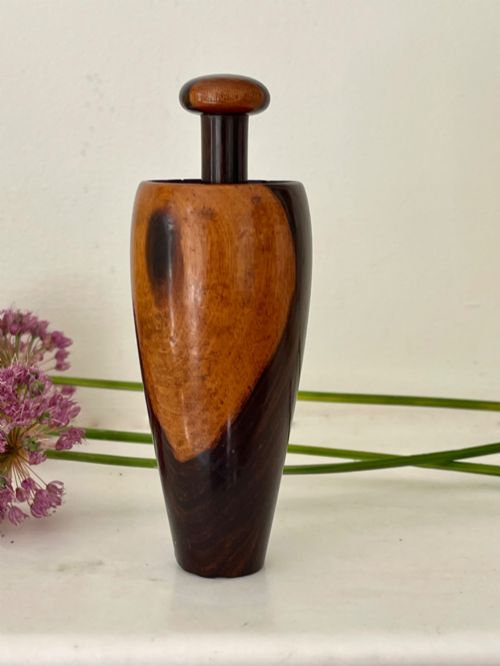
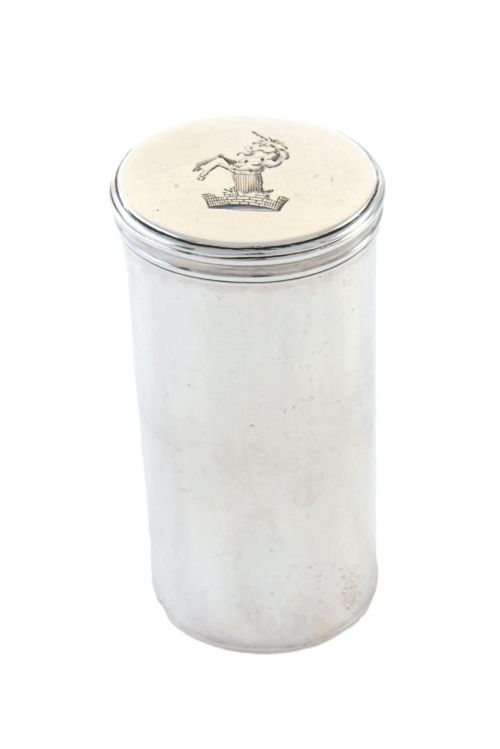
You are most likely to meet silver boxes, ceramic teawares, and treen items on this page, alongside occasional firearms and maritime objects. The assortment ranges from domestic kitchenalia and snuff boxes to novelty silver sugar tongs and Tunbridge ware travelling mirrors.
The materials and forms represent the varied trades of the era, drawing on porcelain from factories like Derby and Spode, sterling silver from makers such as Joseph Willmore, and carved wooden treen pieces. Each object serves as a direct survival from the Georgian and Regency eras.
How they were made
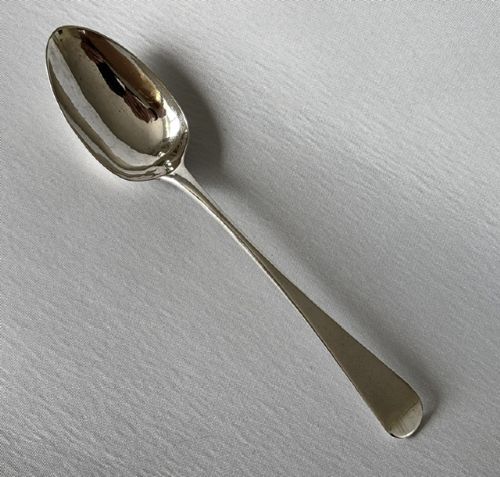
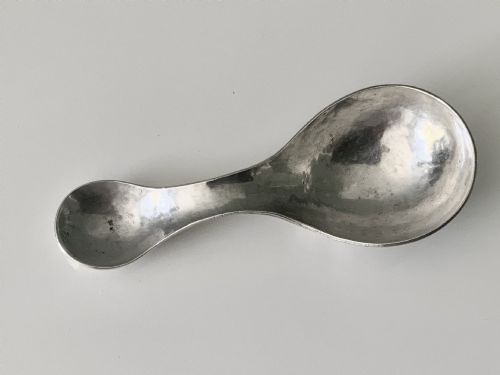
The manufacture of these objects relies heavily on traditional metalworking, ceramic firing, and woodturning techniques recorded in the listings. Silver pieces demonstrate hand-hammering, piercing, and parcel-gilding, particularly visible in vinaigrettes and spoons.
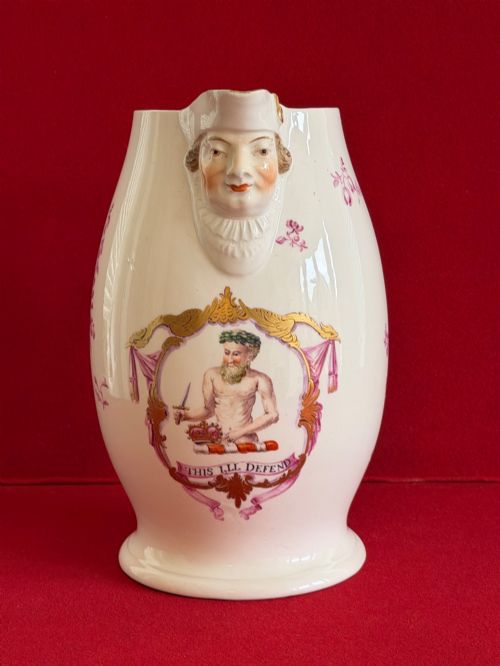
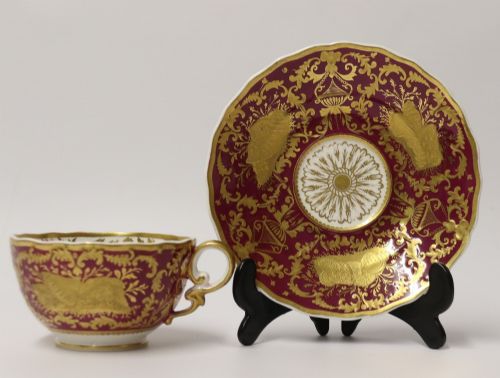
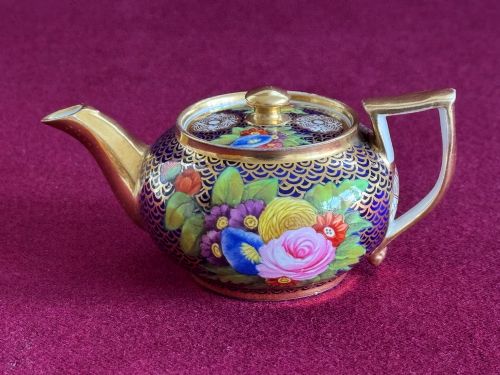
Ceramics involve skilled throwing, moulding, and hand-painting over glaze, seen in porcelain teacups, dessert plates, and earthenware figures. Woodworking utilises turning, carving, and intricate inlay techniques such as Tunbridge ware decoration on boxes and small holders.
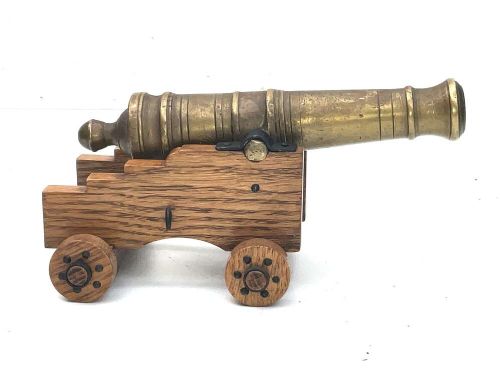
Base metals and alloys appear in cast brass cannon barrels, forged steel pistol mechanisms, and pewter spoon fabrication. Each material demands specific artisanal skills passed through workshops of the eighteenth and nineteenth centuries.
Georgian Collectables Retail Price Guide 2026
Typical asking prices for georgian collectables among the pieces listed under this phrase on Sellingantiques today, from the lower quarter to the upper quarter. They describe what is for sale here now, not the wider market.
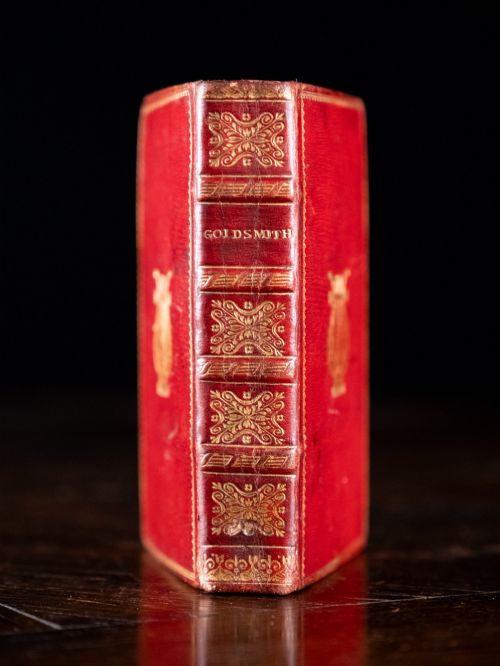
An eighteenth-century book set records letters written by a Turkish spy wandering around Paris.
What varies in quality
Quality in these objects rests upon the precision of the handwork, the clarity of hallmarks or maker attributions, and the preservation of original components. Finer silver items show crisp engraving and intact internal gilt grilles, while porcelain displays well-rendered hand-painted scenes without glaze pooling.
The execution of decorative details separates standard production from superior pieces, such as finely turned treen grain or complex engine-turned patterns on ebony and tortoiseshell boxes. The integrity of survival, including original sponges in vinaigrettes or matching sets, elevates the standing of an item.
Provenance and documented origin contribute to the distinction of individual pieces, whether through identifiable silversmith marks or specific contemporary labels on Tunbridge ware. Material selection itself marks differences, such as finely figured burr walnut versus plain timber.
JOSEPH WILLMORE·Peter and Jonathan Bateman·Dee and Fargus·Thomas Steele
The Georgian Collectables Glossary
- Vinaigrette
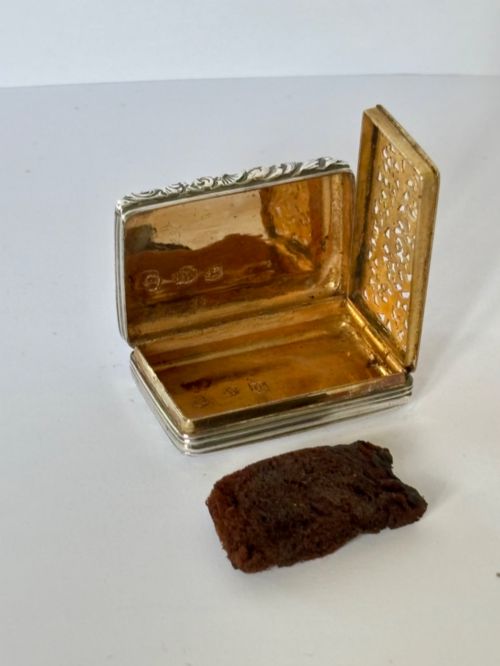
- A small ornamental box containing a sponge soaked in aromatic vinegar, used during the Georgian era to ward off unpleasant odours. These silver gilt containers typically feature pierced internal grilles.
- Treen
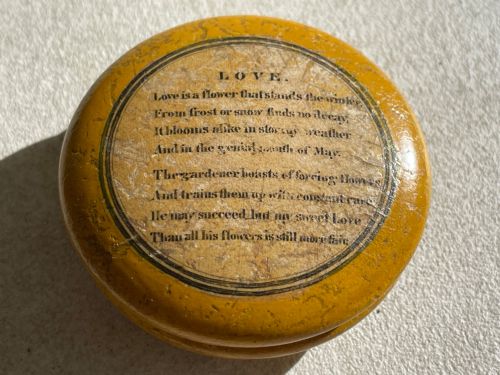
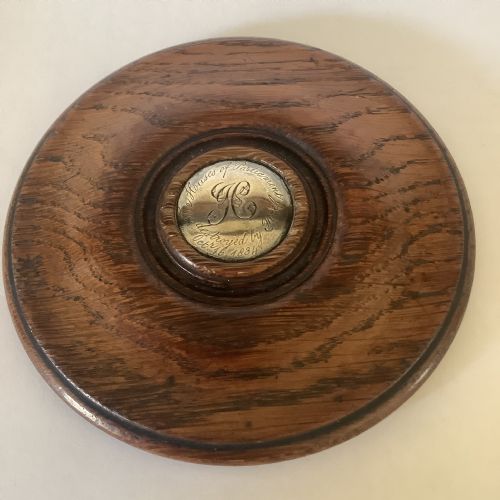
- Small handmade wooden household objects produced by turning on a lathe or carving. Examples include snuff boxes, mortars, and lidded pomander cups.
- Flintlock
- A firearm ignition mechanism utilising a flint struck against a steel frizzen to create sparks that ignite gunpowder. This technology appears on eighteenth-century pistols.
- Tunbridge ware
- Woodworking characterised by small mosaic tiles assembled from various coloured woods to form geometric or pictorial surface patterns. Items include silk skein holders and snuff boxes.
- Pearlware
- A fine-grained earthenware developed by Josiah Wedgwood in the late eighteenth century, featuring a slightly bluish glaze that enhanced the appearance of white ceramic.
Georgian Collectables: Frequently Asked Questions
What is a silver vinaigrette used for?
A silver vinaigrette held a sponge soaked in scented vinegar or ammonia salts. People carried these small boxes in pockets or reticules to counter foul odours in public spaces.
During the Georgian period, they served as both functional personal accessories and status symbols, often exhibiting intricate pierce-work grilles inside.
How do I identify treen items?
Treen items are identified by their wooden construction, handmade lathe-turned forms, or carved surfaces. They include everyday domestic objects like mortars, pestles, and lemon squeezers.
Most pieces display the natural grain of timbers such as fruitwood, boxwood, or oak, showing tool marks from early woodworking techniques.
What distinguishes Tunbridge ware?
Tunbridge ware is distinguished by its mosaic surface decoration created from tiny wood blocks of various natural colours. These geometric or pictorial designs cover boxes, mirrors, and small containers.
The technique originated in Kent and required immense patience to arrange thousands of timber segments into intricate patterns.
Were flintlock pistols used in combat?
Flintlock pistols served as personal defence weapons for travellers, officers, and civilians during the eighteenth and early nineteenth centuries. They relied on mechanical flint ignition to fire lead ball ammunition.
Many surviving examples include pocket-sized overcoat pistols or boxlock variations designed for concealment.