

Georgian Clock London
A georgian clock london brings precise mechanics and rich cabinet work together, forming the centrepiece of a traditional interior.
Georgian Clock London
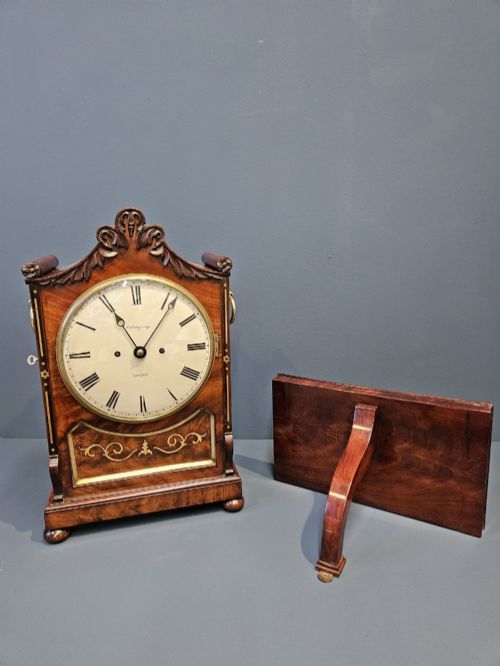
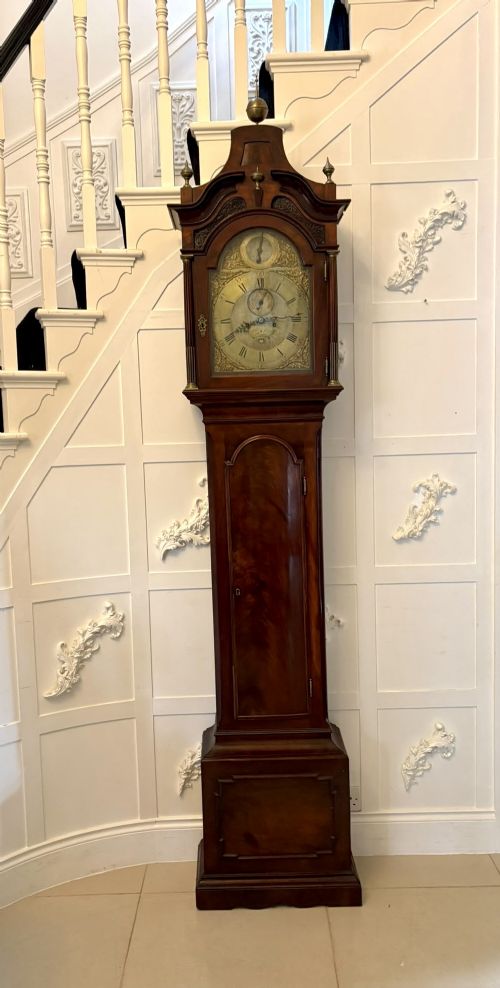
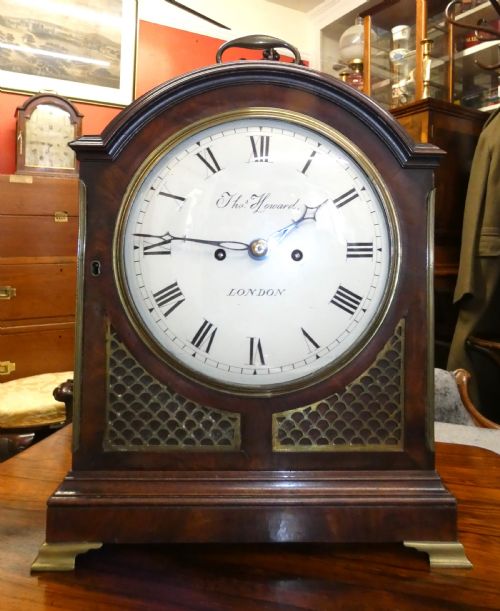
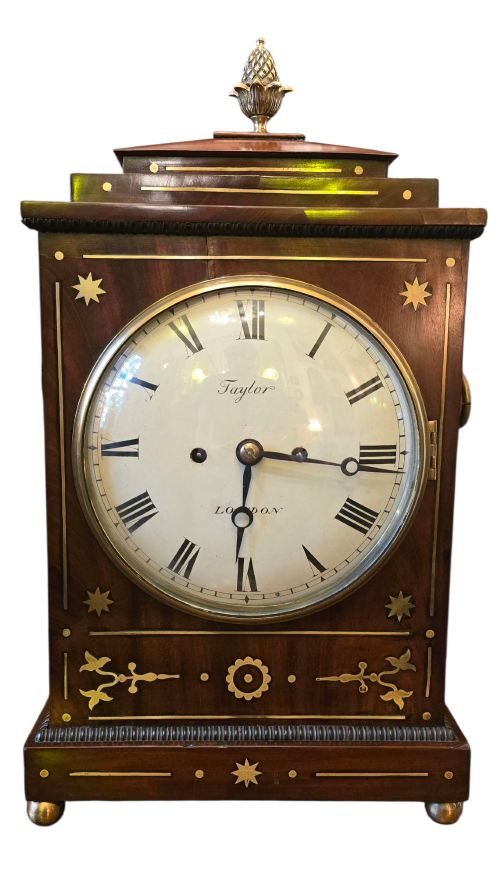
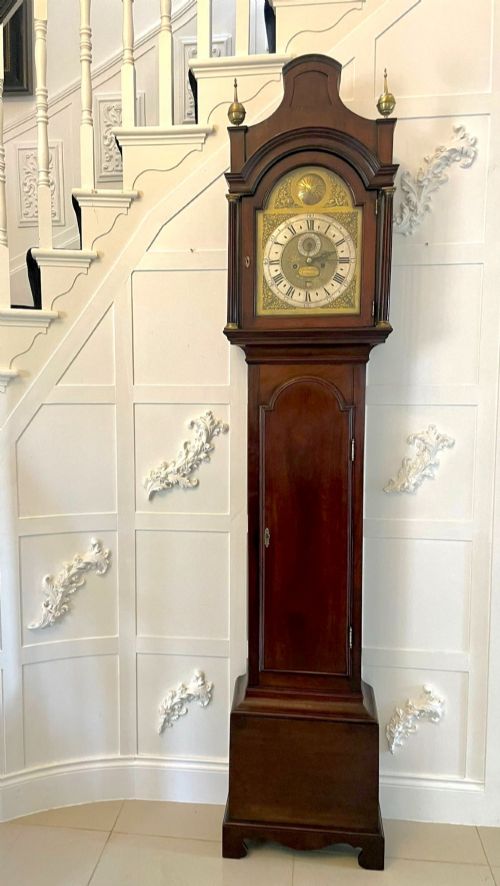
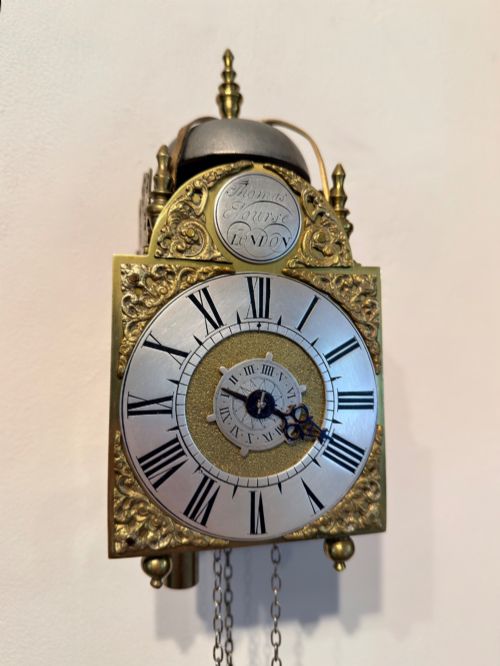
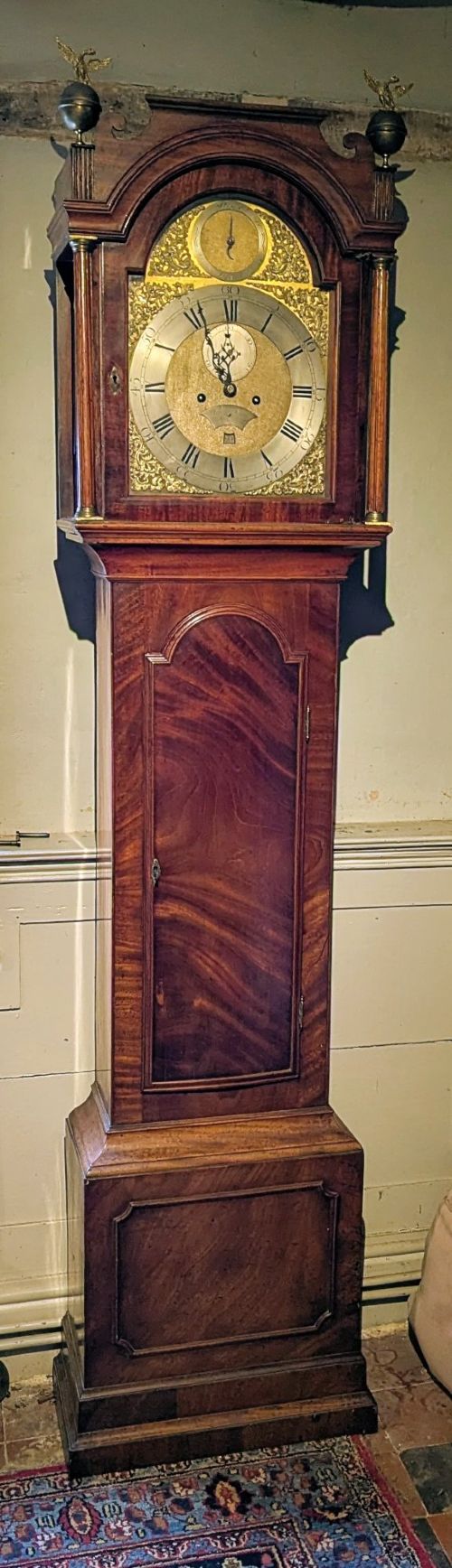
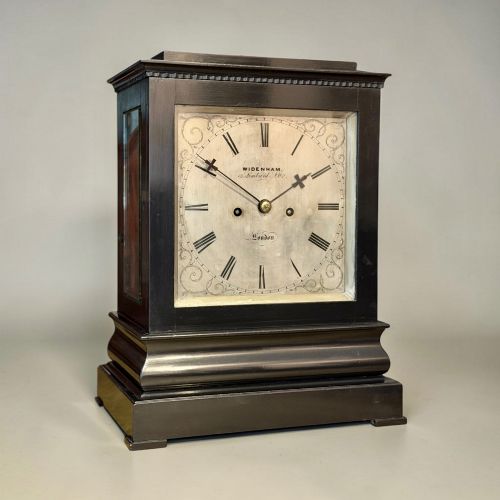
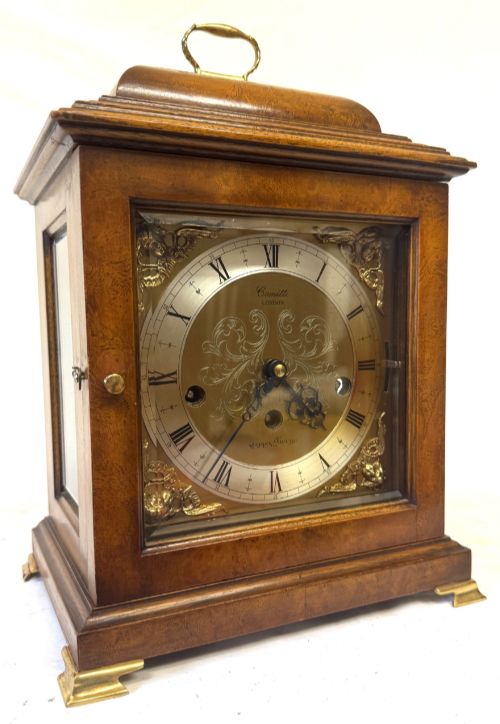
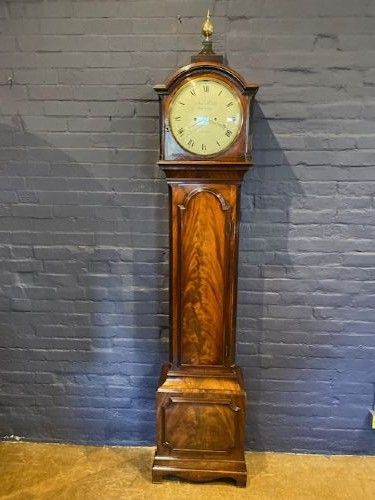
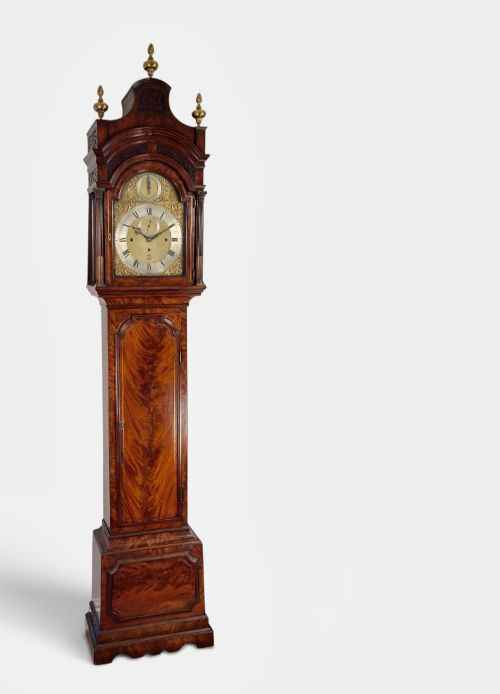
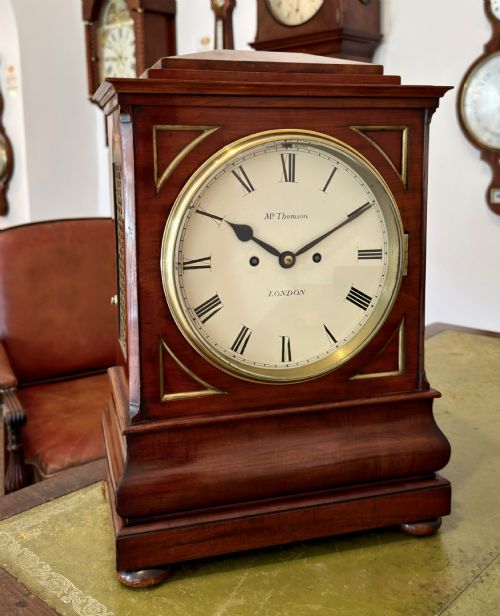
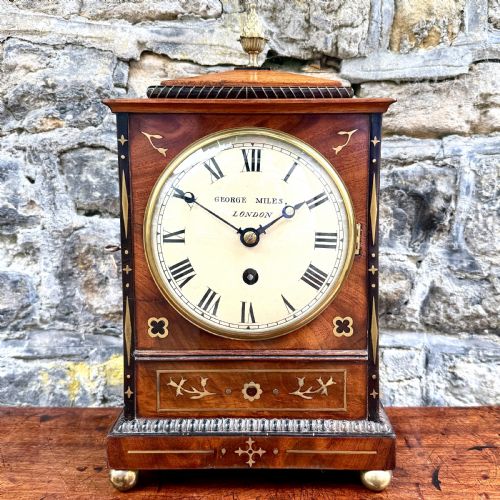
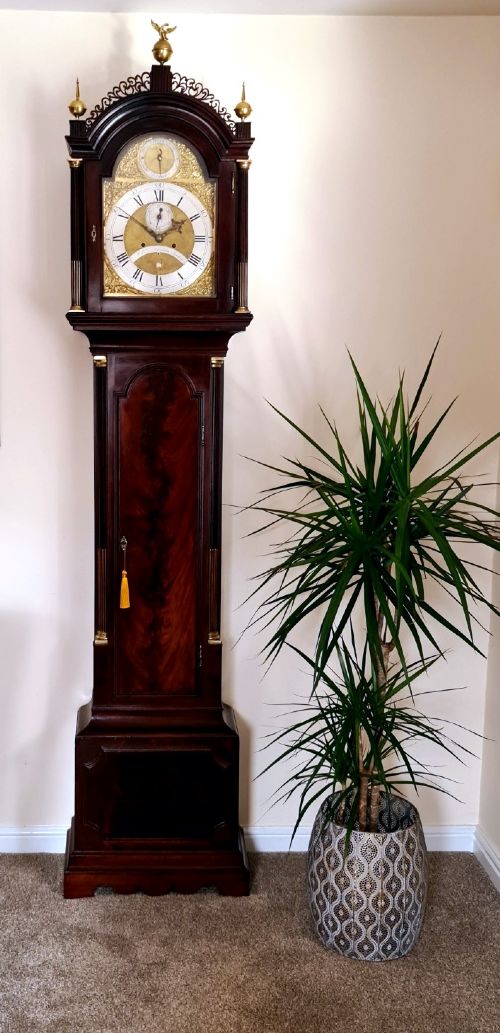
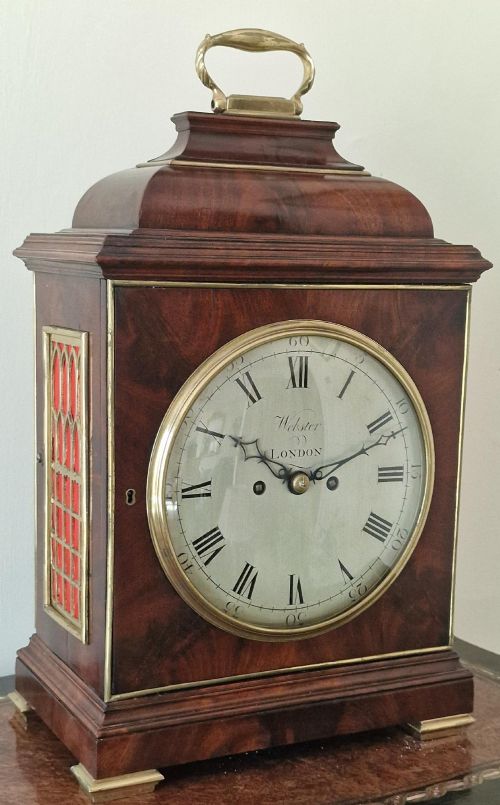
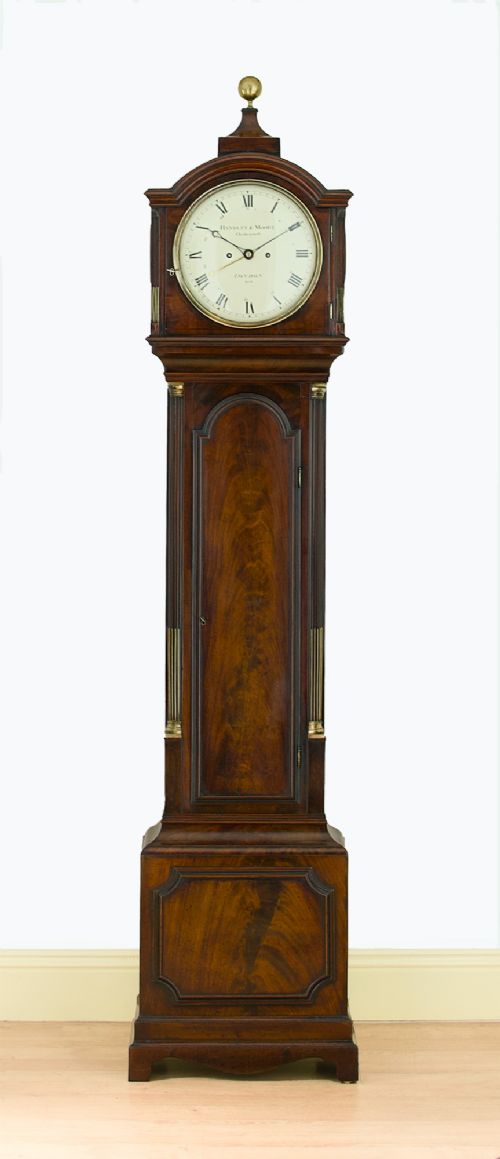
When you search for a georgian clock london, you encounter timepieces produced across the eighteenth and early nineteenth centuries by metropolitan makers. These objects range from tall longcase grandfather clocks housed in architectural wooden cases to compact bracket, table and mantel clocks designed for smaller spaces.
The specimens on this page include mahogany, walnut and ebonised wood housings combined with brass, silvered metal and enamel dials. Styles extend from early George periods through Regency and into later Victorian interpretations of traditional English forms.
Materials and Construction
Maker workshops utilised dense cabinet timbers such as mahogany, walnut and kingwood to build durable cases that protected delicate internal movements. Brass, steel and silvered metal formed the dials and gear trains, whilst glass enclosed the visible faces.
Movements relied on precise mechanical engineering involving weighted or spring-driven mechanisms, often incorporating verge escapements or fusee systems to maintain steady force. Dials featured hand-engraved metalwork alongside enamel chapter rings and brass hands.
Georgian Clock London Retail Price Guide 2026
Typical asking prices for georgian clock london among the pieces listed under this phrase on Sellingantiques today, from the lower quarter to the upper quarter. They describe what is for sale here now, not the wider market.
Some bracket clocks include up to three separate tune movements to entertain guests in the parlour.
The Measure of Quality
Distinctions in quality arise from the crispness of case carving, the choice of figured wood veneers and the complexity of the internal movement. Superior examples show meticulous finishing on hidden brass components and signatures from accomplished London makers on the dial face.
The integration of musical movements, moonphase indicators or quarter striking mechanisms separates more ambitious pieces from standard timepieces. Preservation of original wooden surfaces and untouched mechanical parts also dictates the standing of an individual clock.
John Taylor·John Ellicott·Windmills and Wightman·Desbois and Wheeler·William Kipling
The Georgian Clock London Glossary
- Longcase clock
- A tall pendulum clock housed in a wooden tower case, commonly known as a grandfather clock.
- Bracket clock
- A portable table or mantel clock originally designed to sit on a wall bracket.
- Fusee
- A conical pulley used in spring-driven clocks to equalise the diminishing power of the mainspring as it unwinds.
- Verge escapement
- An early type of clock mechanism that regulates the release of power from the gear train to the pendulum or balance.
- Silvered metal
- A brass dial plate treated with a silver coating to provide a bright background for engraved numbers and maker inscriptions.
Georgian Clock London: Frequently Asked Questions
How do I wind a longcase clock?
Most longcase mechanisms require a key or crank to pull the driving weights back up to the top of the case every eight days. Care must be taken not to over-wind the movement.
Ensure the pendulum hangs freely and remains stationary during transport before resetting the time by moving the minute hand gently.
Where should I place a bracket clock?
Bracket clocks need a stable, level surface such as a heavy sideboard, desk or dedicated wall shelf away from direct sunlight and drafts. Wood movement from temperature changes affects the mechanism.
Keep the clock away from damp exterior walls to protect both the timber case and the sensitive internal steel and brass components.
What is a fusee movement?
A fusee is a cone-shaped pulley connected to the mainspring by a fine cord or chain that ensures even tension is delivered to the gear train. This mechanical device improves timekeeping accuracy as the spring unwinds.
Clocks featuring this system require professional handling during maintenance to avoid damaging the delicate chain and winding mechanism.
How do I distinguish between periods?
Cabinet proportions, wood choices and dial designs help identify the era, with earlier eighteenth-century pieces often featuring walnut or figured mahogany and engraved brass dials. Later Regency and Victorian items introduce bolder or more restrained classical motifs.
Examining the signature of the maker on the dial allows reference against known working dates in London guild records.