
Georgian Claw and Ball
Georgian claw and ball furniture unites substantial mahogany and walnut timbers with carved organic foot motifs.
Georgian Claw and Ball
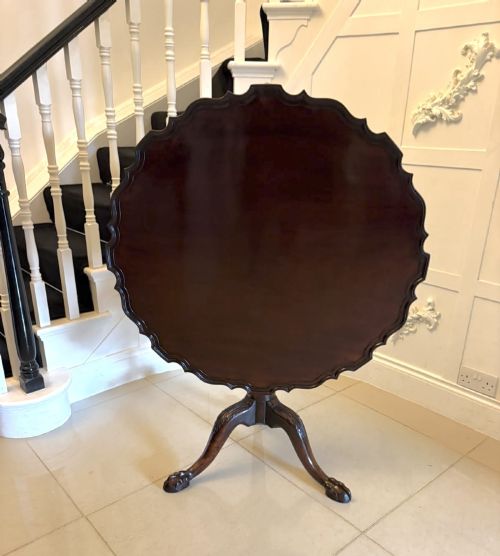
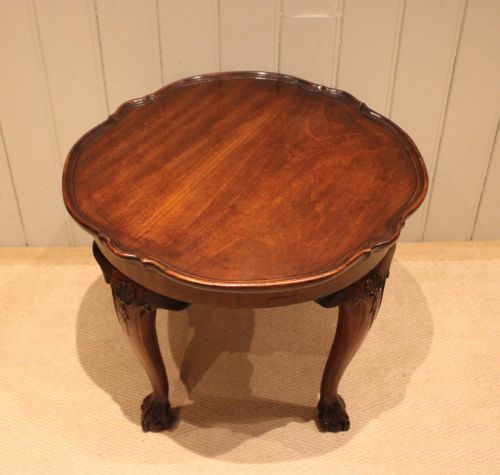
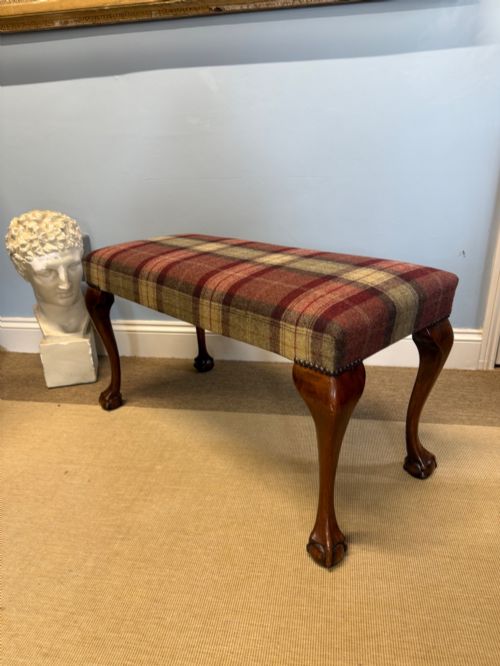
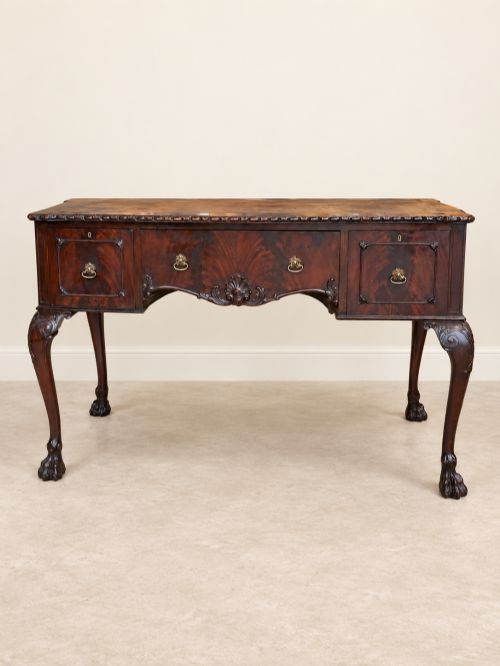
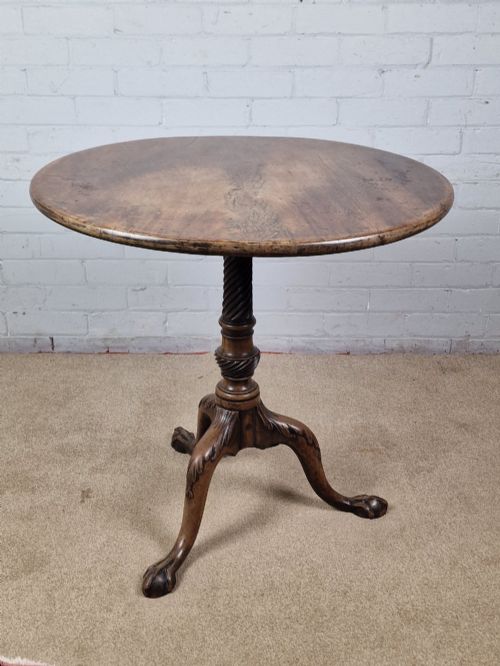
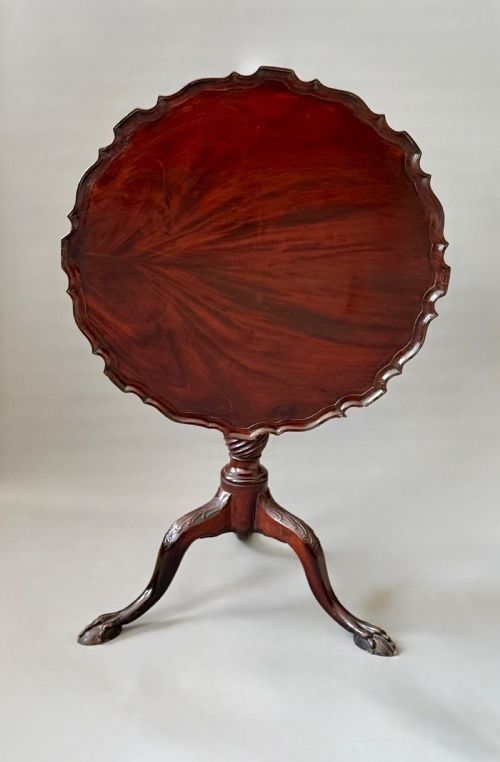
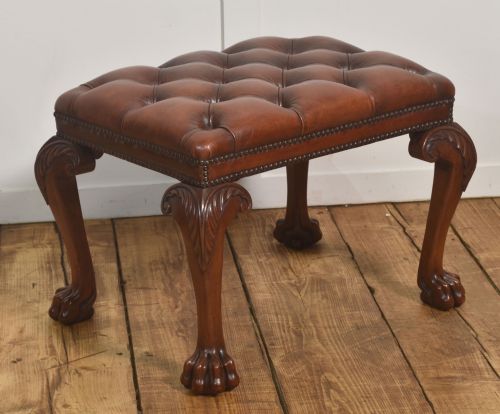
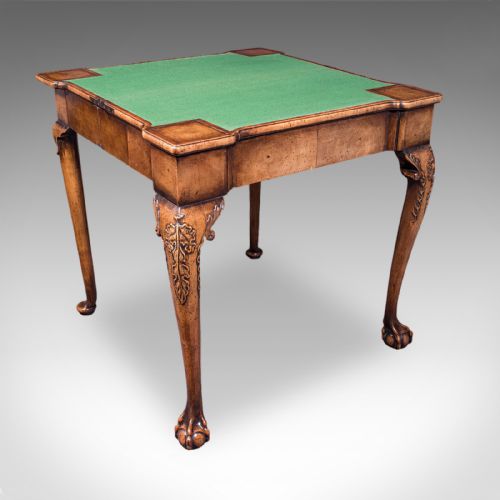
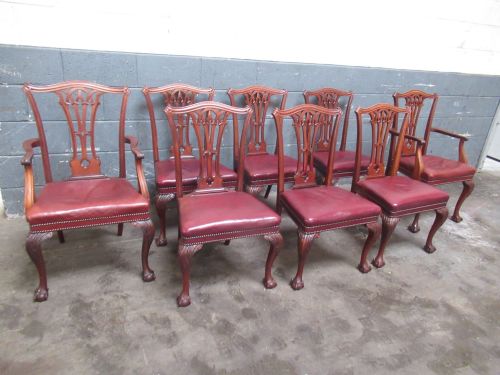
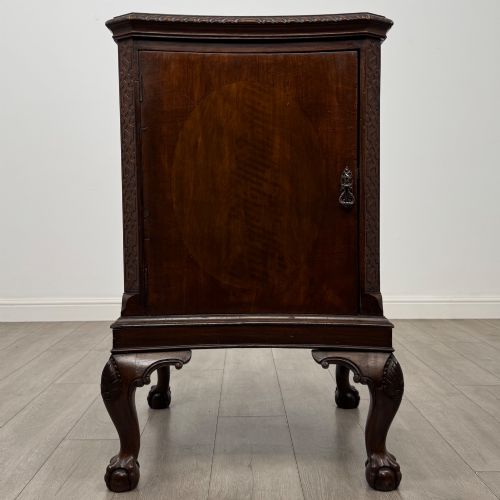
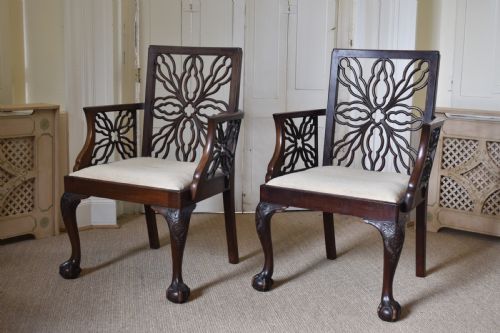
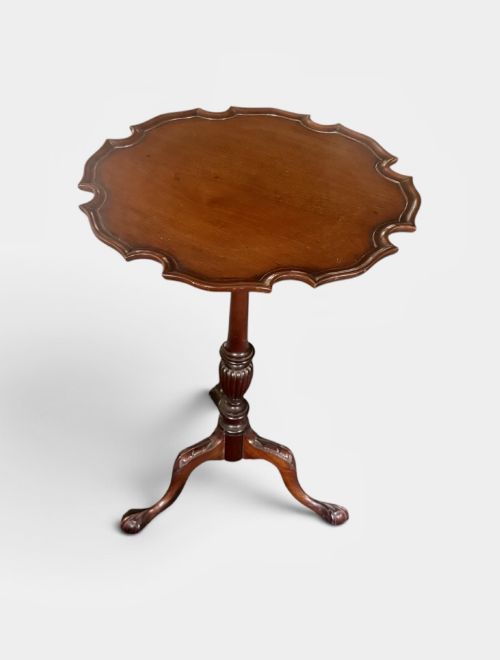
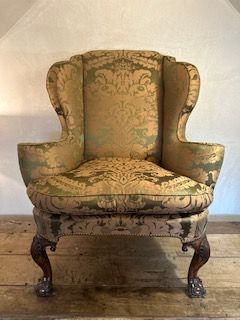
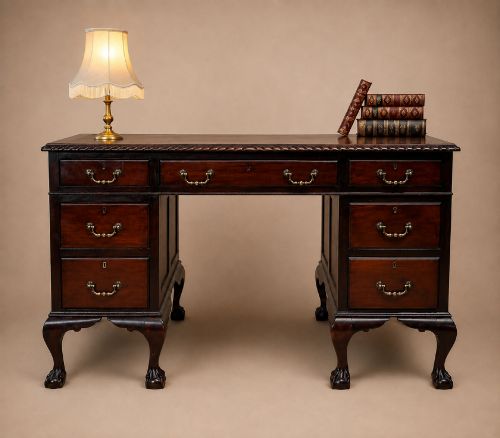
When you search for georgian claw and ball pieces, you encounter seating, tables, and desks originating from the eighteenth century alongside later revivals from the twentieth century. These items span dining chairs, card tables, tripod tables, and stools featuring distinct carved feet.
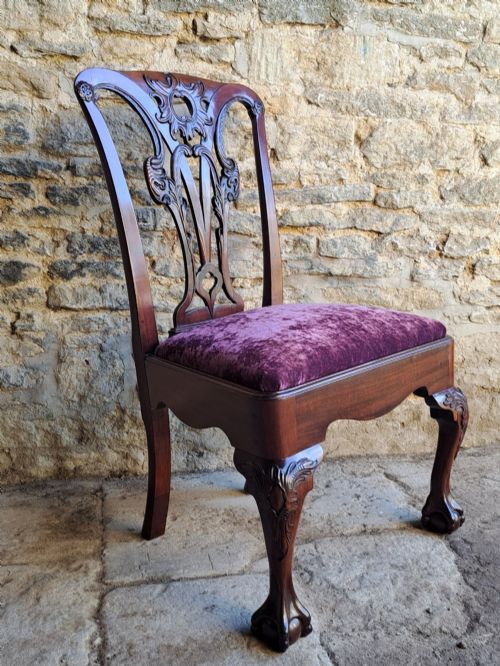
The most common version met on this page is the Chippendale style mahogany dining chair or stool, alongside walnut card tables and writing desks. Eighteenth-century originals share space with Edwardian and later revivals sharing the same heavy timber construction and cabriole leg forms.
How They Were Made
Cabinetmakers constructed these forms primarily using solid mahogany and walnut timbers, often incorporating brass hardware, leather writing surfaces, and wool or velvet upholstery. Timbers were selected for density and grain pattern to support the detailed carving required for cabriole legs and foot motifs.
Joinery techniques relied on traditional framing and pinned joints to handle the weight of heavy timber tops and seated occupants. Carved details on knees and feet were shaped directly from the solid wood of the leg rather than applied separately.
Object forms span practical household items including writing desks, card tables, dining chairs, and footstools.
What Varies in Quality
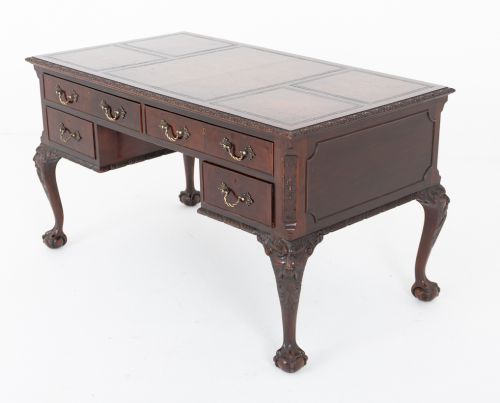
The distinction between tiers rests on the depth and crispness of the hand carving on the knees and feet. Superior examples display undercut talons and detailed feathered texturing, whereas lesser versions present softer, shallower contours.
Material selection dictates the upper echelon, with dense figured mahogany or red walnut achieving sharper structural lines than secondary timbers. Original eighteenth-century construction commands greater attention than twentieth-century revival interpretations due to timber seasoning and hand-tool marks.
Giles Grendey
The Georgian Claw and Ball Glossary
- Cabriole leg
- A furniture leg that curves outward at the knee and tapers inward toward the ankle in imitation of an animal limb. This form terminates in the characteristic foot motif.
- Pie crust rim
- A raised, scalloped edge carved along the perimeter of small round tripod tables. This decorative border resembles pastry work on a baking dish.
- Concertina action
- An expanding frame mechanism utilised on folding card tables to support the open top leaf. It extends outward cleanly when the table is opened for play.
- Kneehole desk
- A compact writing desk featuring a central recess for the user's legs flanked by banks of small drawers. It provides enclosed storage while maintaining a manageable footprint.
Georgian Claw and Ball: Frequently Asked Questions
How do I spot an eighteenth-century original?
Examine the timber shrinkage, tool marks on hidden secondary woods, and the wear patterns around the foot and leg joints. Eighteenth-century examples display hand-cut joinery and dense patination built up over generations of use.
Revival pieces from the twentieth century often utilise machine-smoothed surfaces inside drawers and standardised screw fixings that differ from period construction methods.
Where were these tables used?
Card tables and tripod tables populated the reception rooms and parlours of Georgian homes for entertaining guests and holding tea service. Console and side tables stood against walls in formal hallways and dining spaces.
Daily activities involved playing games on baize or leather surfaces, writing correspondence, or displaying decorative objects on sturdy mahogany tops.
What is the difference between revival and period pieces?
Period items date directly from the Georgian era of the eighteenth century, showing authentic age-related wear and period-specific timber selection. Revival pieces date from later periods such as the Edwardian era or the 1920s and 1930s, copying earlier design tropes.
Both categories utilise solid mahogany or walnut, but revivals generally exhibit cleaner machinery marks and less structural movement.
How do I care for antique mahogany and walnut?
Keep wooden surfaces away from direct heat sources and strong sunlight to prevent the timber and leather inserts from drying out. Dust regularly with a dry cloth and apply occasional wax polish to maintain the finish.
Avoid commercial silicone sprays that can penetrate the grain and damage the original patina of the wood.