

Georgian Circular Table
When you search for a georgian circular table, you look for versatile timber furniture spanning dining, breakfast, and wine forms.
Georgian Circular Table
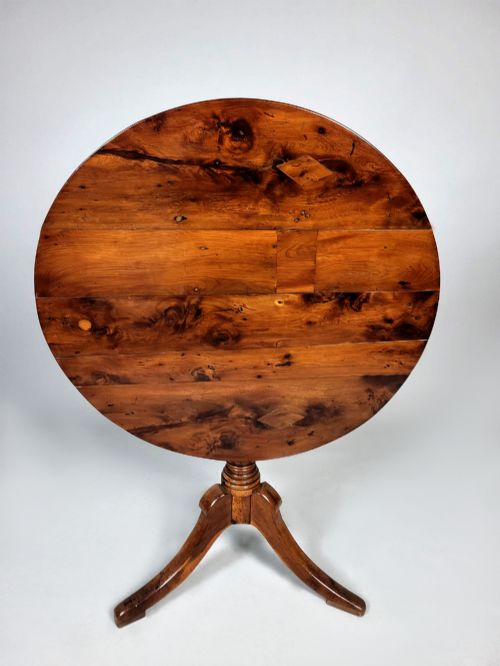
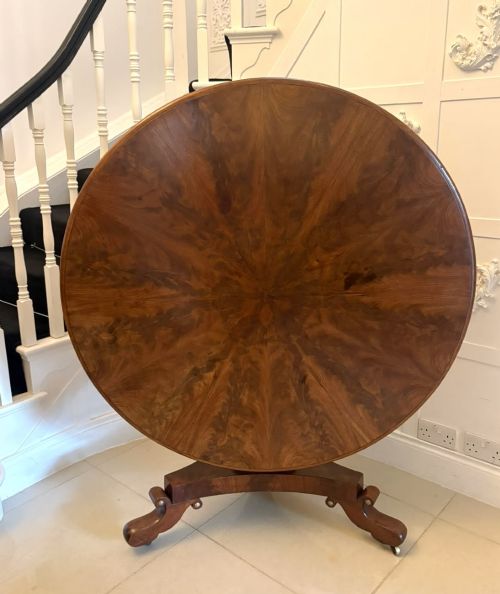
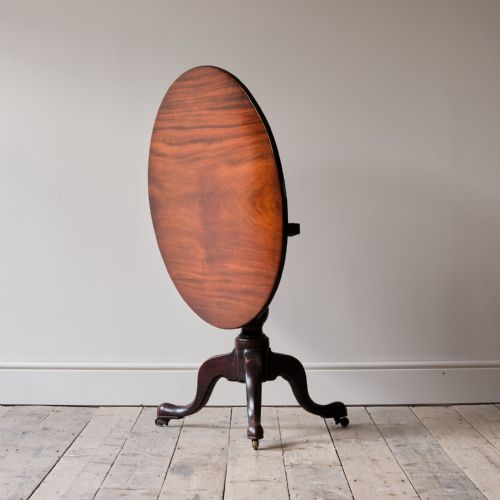
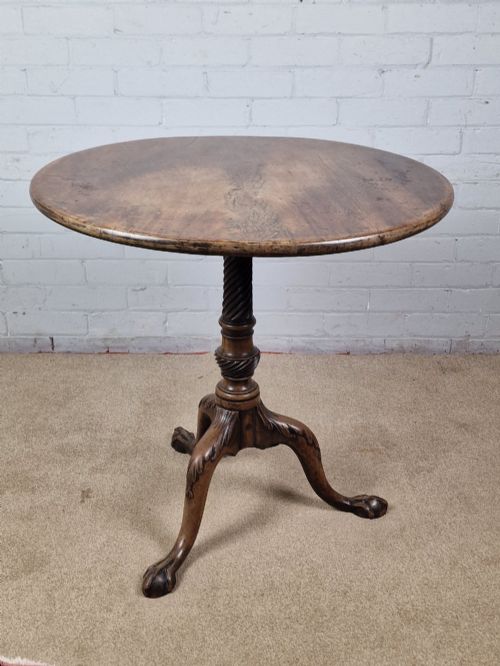
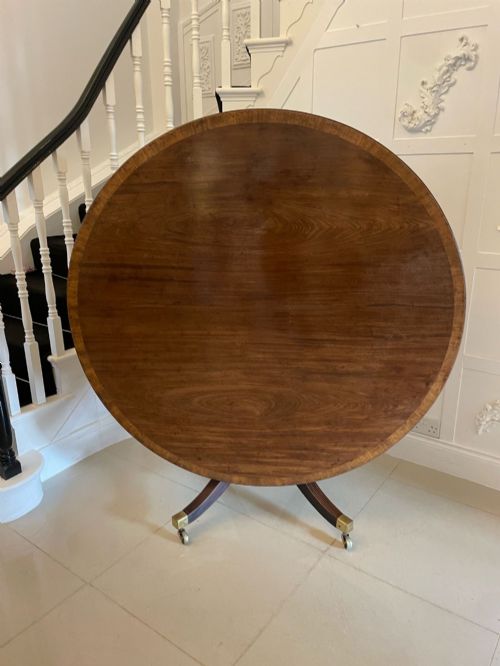
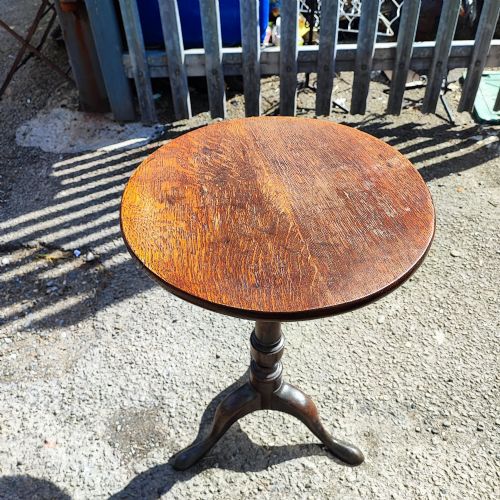
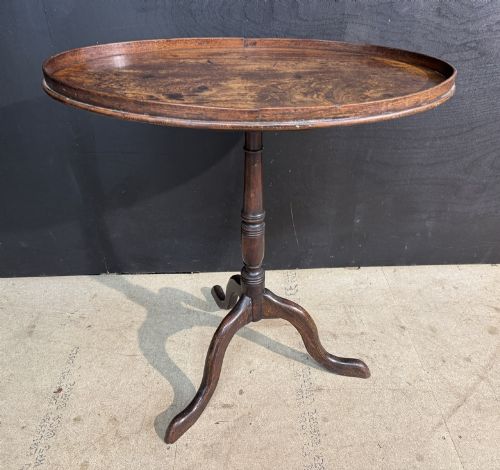
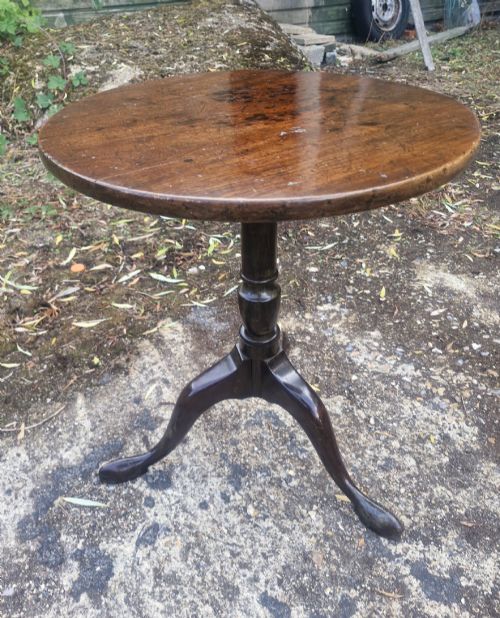
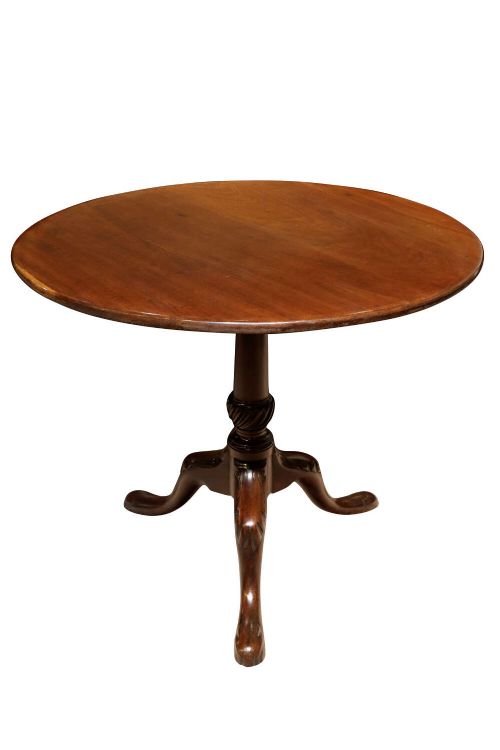
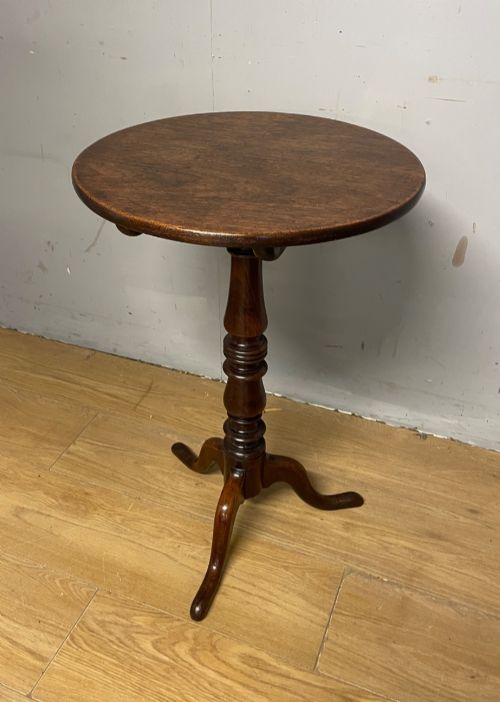
A georgian circular table encompasses diverse domestic forms ranging from compact tripod wine tables to large pedestal dining and breakfast pieces. You will frequently encounter tilt-top and occasional tables supported by three-legged pedestals or central pillars.
The materials span native timbers like oak and elm alongside imported hardwoods such as mahogany and walnut. These domestic and dining items reflect the shifting social habits of the eighteenth and early nineteenth centuries.
Makers adapted the round top format for tea drinking, supper, and card games within domestic interiors. Surviving examples demonstrate how homeowners utilised movable tables for flexible living spaces.
How They Were Made
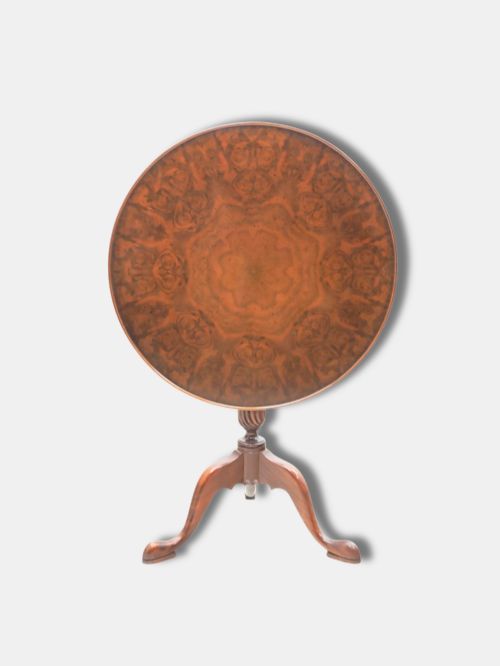
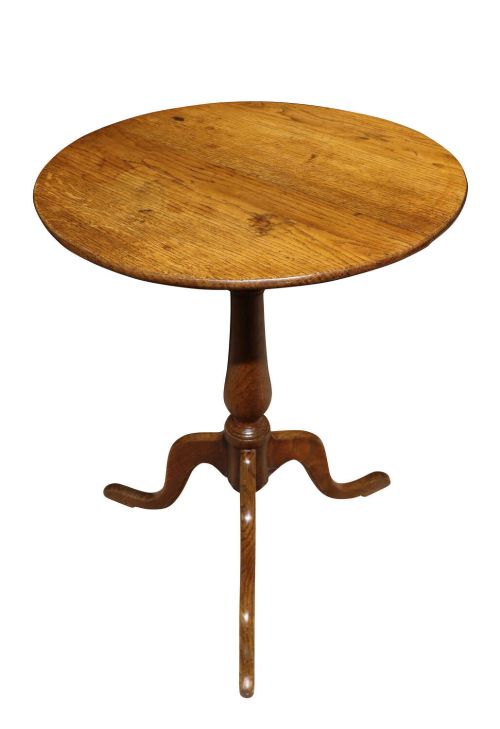
Cabinetmakers constructed circular table tops from solid timber planks or applied figured veneers over secondary foundations. Mahogany and oak dominate the surviving examples, shaped with hand tools and secured with traditional joinery.
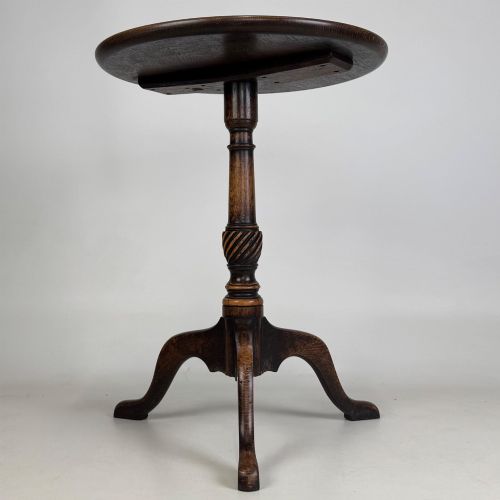
Pedestal formats often incorporate turning on the central shaft and detailed carving on tripod legs. Tilt-top mechanisms rely on wooden catches and brass hinges to allow the top to fold flat when not in use.
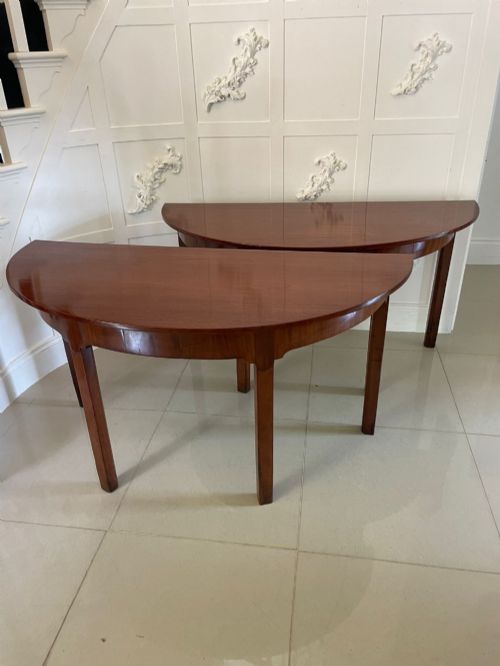
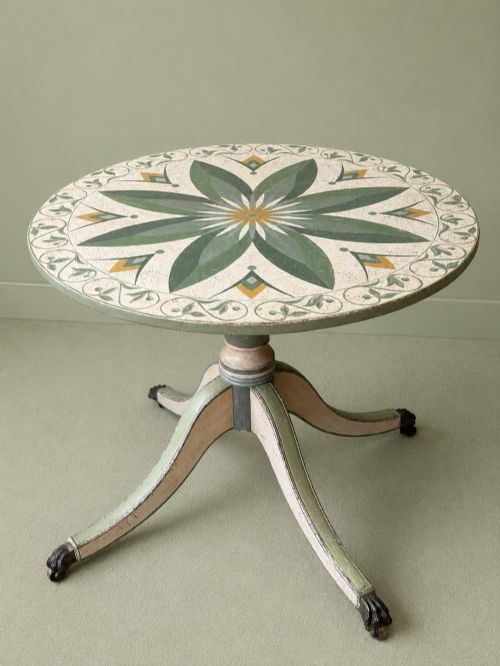
Listings feature circular tables spanning the Georgian, Regency, and Victorian periods, constructed in mahogany, oak, walnut, and elm.
What Varies in Quality
Quality rests in the selection of timber figures, such as flame mahogany or figured walnut, and the balance of the proportions. Superior examples display refined turning on the pillar and crisp carving on the knees of tripod legs.
Construction details distinguish workshop output, from simple pegged joints in country oak pieces to complex birdcage mechanisms and brass fittings in formal London furniture.
The Georgian Circular Table Glossary
- Tilt-top table
- A table with a hinged top that rotates to a vertical position for storage against a wall. This mechanism allowed small rooms to serve multiple domestic functions throughout the day.
- Tripod base
- A support structure featuring three legs radiating from a central pillar. This design ensures stability on uneven floorboards.
- Cricket table
- A small three-legged wooden table originating in country houses, typically constructed from oak. The simple triangular frame provides a sturdy base on flagstone floors.
- Birdcage
- A rotating wooden framework beneath a table top that allows the surface to both tilt and turn. It represents a more complex piece of engineering found on superior tables.
- Snap top
- A spring-loaded catch mechanism that locks a tilting table top securely into the horizontal position. It prevents the surface from tipping unexpectedly during use.
Georgian Circular Table: Frequently Asked Questions
What is a tilt top table used for?
A tilt top table served as a versatile surface for tea, dining, or reading when locked in a horizontal position. When folded upright, it occupied minimal floor space against the wall of a parlour or drawing room.
Craftsmen designed these pieces to be easily moved around domestic interiors according to the daily routine of the household.
What is the difference between a breakfast table and a wine table?
A breakfast table provides a large circular surface supported by a central pedestal, intended for morning dining or general parlour use. In contrast, a wine table is a much smaller tripod piece designed to hold glasses or a single bottle.
Both forms utilise round tops, but their scale reflects entirely different domestic purposes.
Are these tables made of solid mahogany?
Many examples utilise solid native or imported timber, particularly for smaller tripod and wine tables. Larger dining and breakfast formats frequently employ figured mahogany or walnut veneers laid over stable secondary woods.
Cabinetmakers selected these materials to combine structural durability with decorative surface grain.