


Georgian Child Portrait Miniature
A georgian child portrait miniature captures the likeness of youth in delicate strokes of watercolour, ink, or pencil, offering an intimate window into past lives.
Georgian Child Portrait Miniature
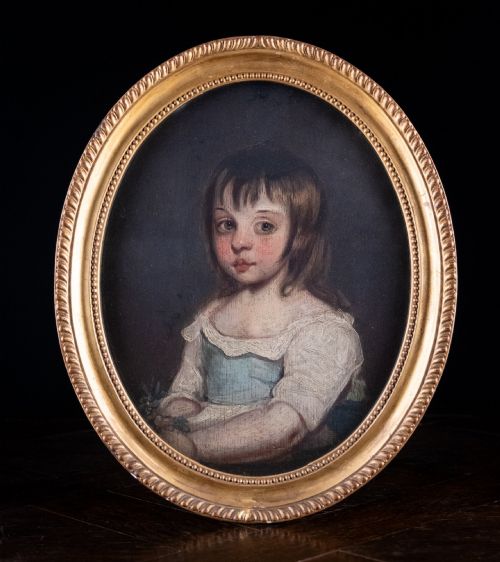
A georgian child portrait miniature encompasses intimate painted or silhouetted likenesses spanning the eighteenth and nineteenth centuries. These delicate works depict young subjects in watercolours, ink, and pencil, often housed within period frames.
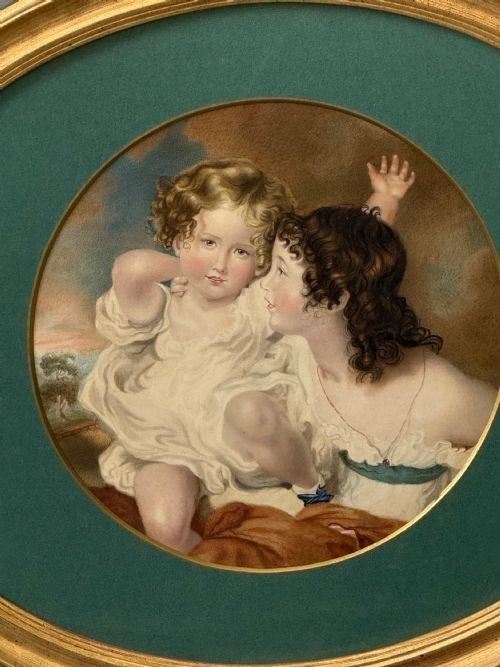
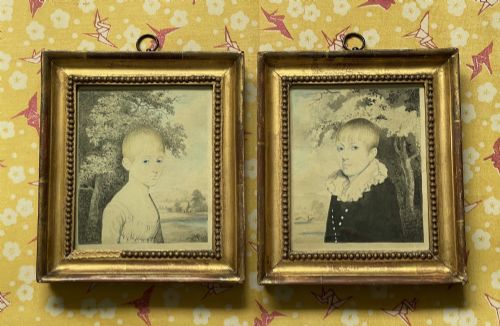
The pieces listed here showcase a variety of forms including framed silhouettes, pencil sketches, and detailed watercolour paintings. Subjects range from solitary young girls to family groups with mothers and children.
Most examples hail from the Georgian, Regency, and nineteenth-century periods, capturing youthful sitters through the hands of accomplished artists and contemporary practitioners.
Materials and technique
Artists executed these works using watercolour, ink, and pencil applied to paper or support materials. Many examples incorporate delicate brushwork to render fabrics, sashes, and facial expressions.
Framing materials commonly include gilt wood, brass, and ebonised wood, which protect the fragile works under glass. These housings range from simple circular frames to detailed period surrounds.
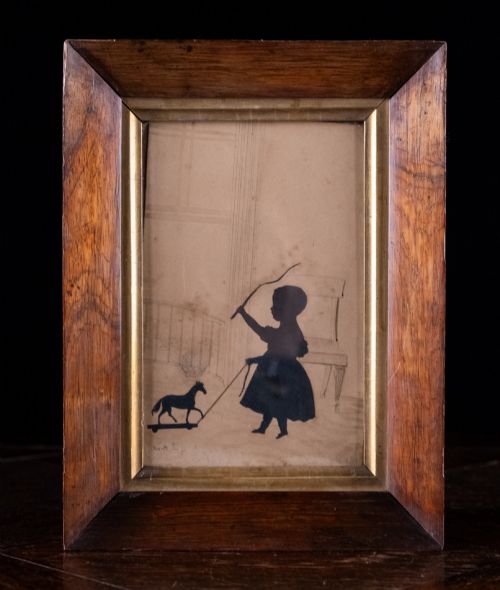
Horses occasionally share the frame with young sitters, recording childhood companions alongside the children themselves.
Assessing the works
The preservation of the original paper, pigment vibrancy, and the authenticity of the accompanying period frame influence the standing of each piece.
Augustin Edouart·William Wood·William Egley·George Engleheart·Richard Cosway·Henry Edridge
The Georgian Child Portrait Miniature Glossary
- Miniature painting
- A small-scale portrait created with meticulous brushwork on paper or other fine supports. These works require immense skill to achieve lifelike detail within a compact format.
- Silhouette
- A portrait profile cut from paper or painted in solid dark pigment against a light background. Artists often added subtle highlights in gold or white to define clothing and hair.
- Regency
- A stylistic period spanning the early nineteenth century defined by classical elegance and distinct fashion. Works from this era often feature softer colour palettes and simpler garments.
- Ebonised frame
- Wood treated to imitate the dark, dense appearance of ebony. These frames provide a sharp contrast that accentuates the delicate tones of the portrait within.
Georgian Child Portrait Miniature: Frequently Asked Questions
How were portrait miniatures displayed?
These small works were frequently hung in intimate rooms or kept in private spaces where family members could easily view them.
Their compact scale allowed owners to carry them or arrange several together on a wall in tight groupings.
What materials are beneath the glass?
Most examples utilise watercolour, ink, or pencil applied directly to paper supports.
Some silhouettes involve cut black paper mounted to a pale ground with minimal painted enhancements.
How do I date a child portrait?
Dating relies heavily on the style of clothing, hair, and the surrounding frame construction.
Garments like wide blue sashes or high-waisted Regency dresses offer clear clues to the decade of creation.
Are silhouettes considered miniatures?
Painted and cut silhouettes fall under the wider umbrella of portrait miniatures when executed on a small scale.
They served a similar purpose in recording the likeness of children before the advent of photography.
How should I care for these works?
Keep the pieces away from direct sunlight to prevent the watercolour pigments from fading over time.
Maintain stable indoor humidity levels to protect the antique paper and wooden frames from warping.