

Georgian Carved Urn
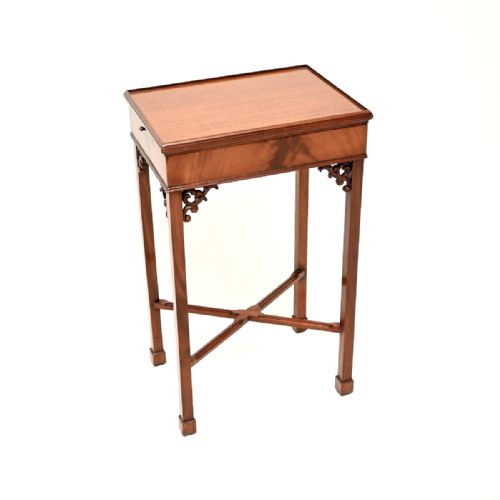
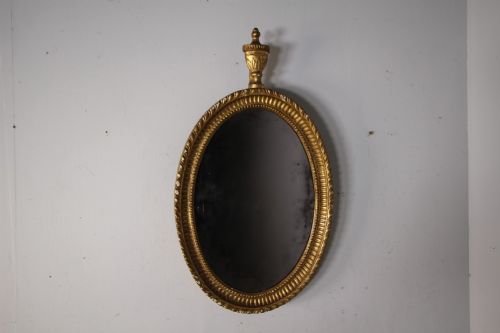
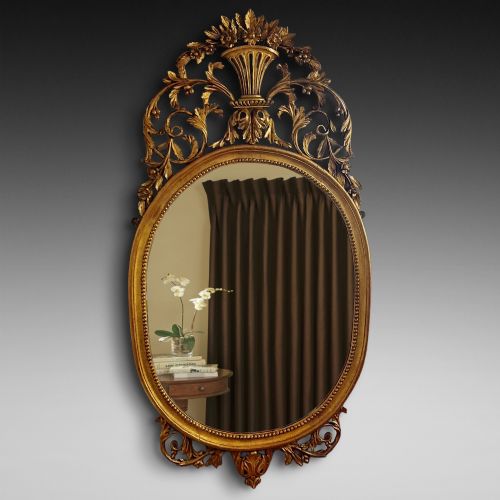
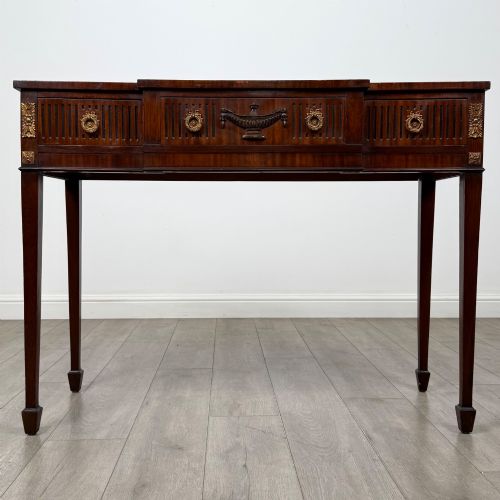
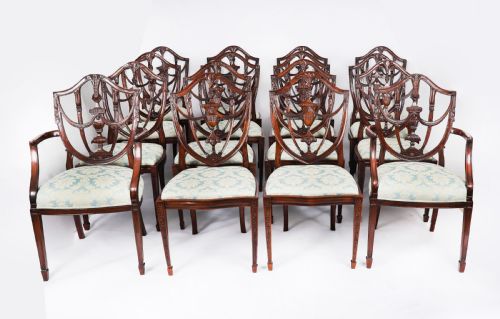
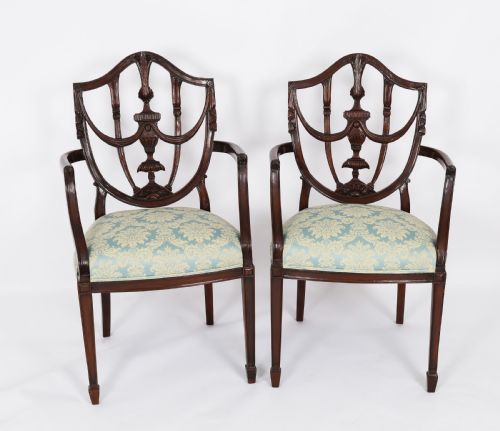
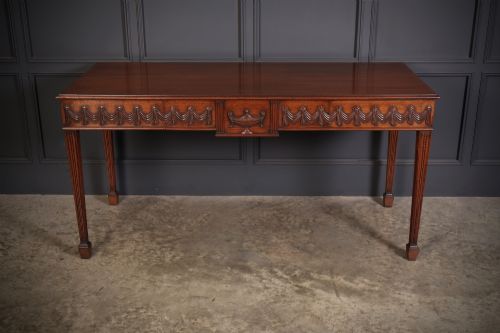
These items of georgian carved urn furniture and decor display neoclassical proportions and timber craft.
Georgian Carved Urn
A buyer seeking a georgian carved urn encounters neoclassical forms in mahogany, giltwood, and gesso across tables, stands, and mirrors.
The pieces on this page span the eighteenth century and subsequent revival periods, preserving classical motifs in interior woodwork.
Materials and construction methods
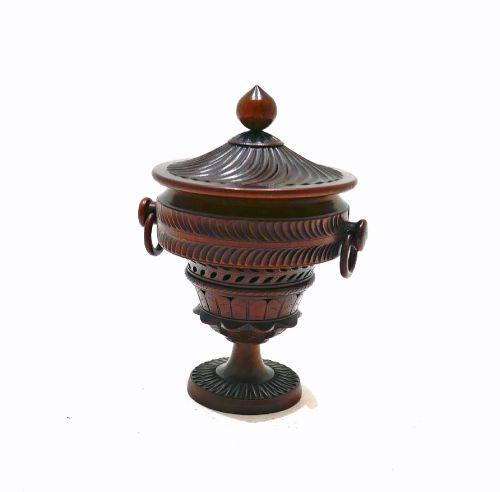
Craftsmen shaped solid mahogany and fruitwood for structural supports, applying detailed hand carving to knees, frames, and pedestals.
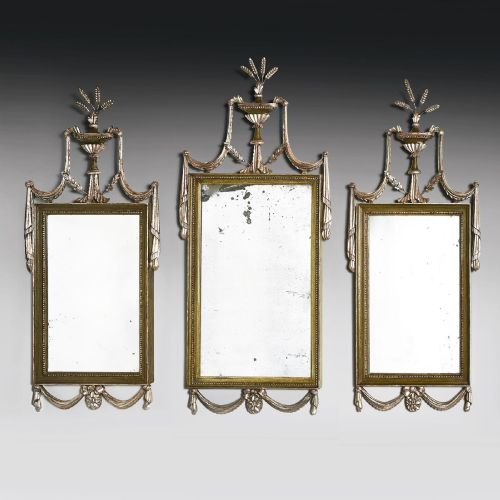
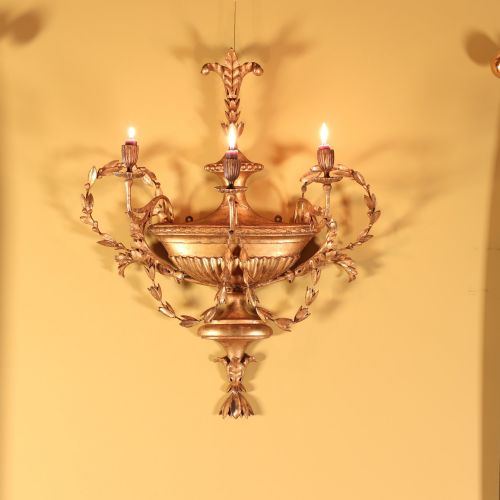
Giltwood and gesso surfaces received layers of gold leaf or paint over prepared grounds to create reflective wall sconces and mirrors.
Georgian Carved Urn Retail Price Guide 2026
Typical asking prices for georgian carved urn among the pieces listed under this phrase on Sellingantiques today, from the lower quarter to the upper quarter. They describe what is for sale here now, not the wider market.
Listings span the eighteenth century through to the twentieth century revival periods, recording mahogany, giltwood, and gesso.
Distinctions in craftsmanship
The clarity of the timber carving and the precision of neoclassical relief work separate standard production from superior examples.
Original gilding methods and intact surface patination determine the grade of period mirrors and decorative woodwork.
Gillows Of Lancaster
The Georgian Carved Urn Glossary
- Neoclassical
- A style drawing inspiration from classical antiquity, often featuring urns, husks, and symmetrical proportions. This aesthetic governs the ornamentation found on eighteenth century furniture.
- Gesso
- A plaster mix applied to wood surfaces as a base for gilding or paint. Artisans carved intricate decorative motifs directly into this prepared layer.
- Torchere
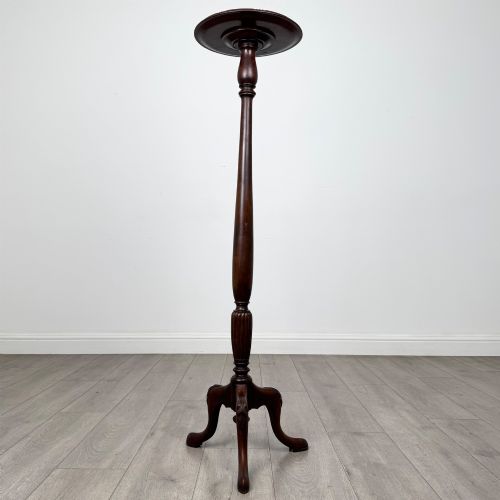
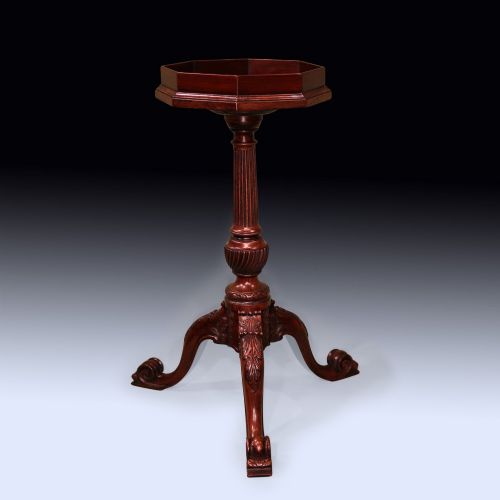
- A tall stand designed to support a candle or plant. These slender wooden supports frequently incorporate turned columns and carved tripod bases.
- Pier Glass
- A tall mirror intended to hang on the wall between windows. These pieces often feature gilded frames and symmetrical neoclassical crestings.
Georgian Carved Urn: Frequently Asked Questions
What defines a georgian carved urn piece?
These items draw on neoclassical design principles, utilising mahogany and giltwood to render classical urn motifs.
They appear primarily as decorative woodwork, mirrors, and stands within period interiors.
How do I date a carved wooden stand?
Examination of the timber species, joinery methods, and surface wear helps distinguish eighteenth century production from later revivals.
Craftsmanship details such as hand-carved mahogany provide clear indicators of period origin.
Where were giltwood mirrors placed?
These reflective items hung on piers between windows to maximise natural light within formal rooms.
Their frames frequently display gesso ornamentation and neoclassical carving.
How do I maintain antique mahogany furniture?
Keeping wooden surfaces away from direct sunlight and excessive heat preserves the integrity of the timber.
Regular dusting with a dry cloth protects the original polish and patina.