
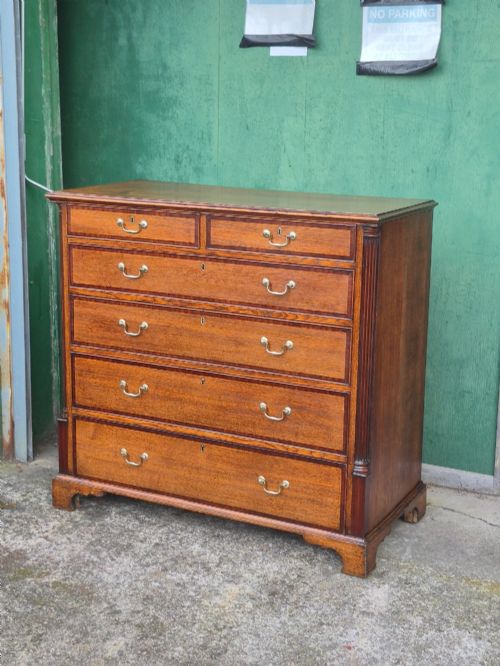
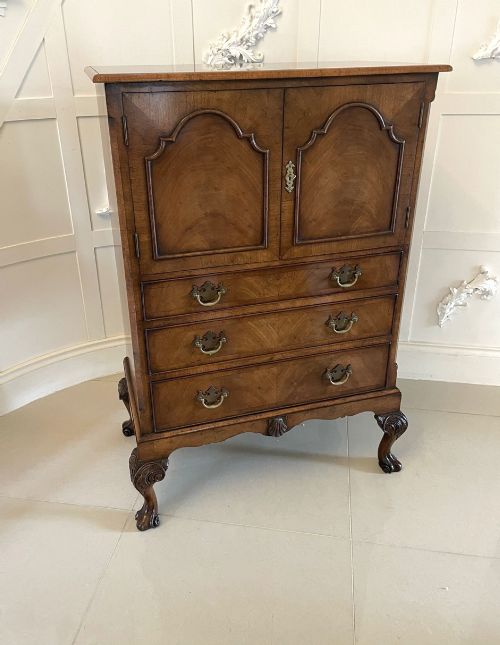
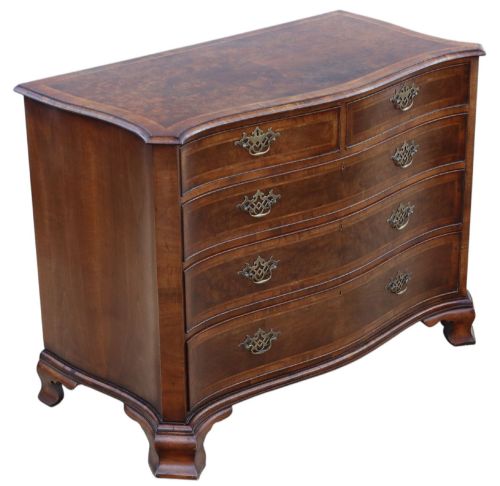

Georgian Carved Storage Chest
A georgian carved storage chest brings substantial timber architecture into a room, offering deep domestic storage built to last centuries.
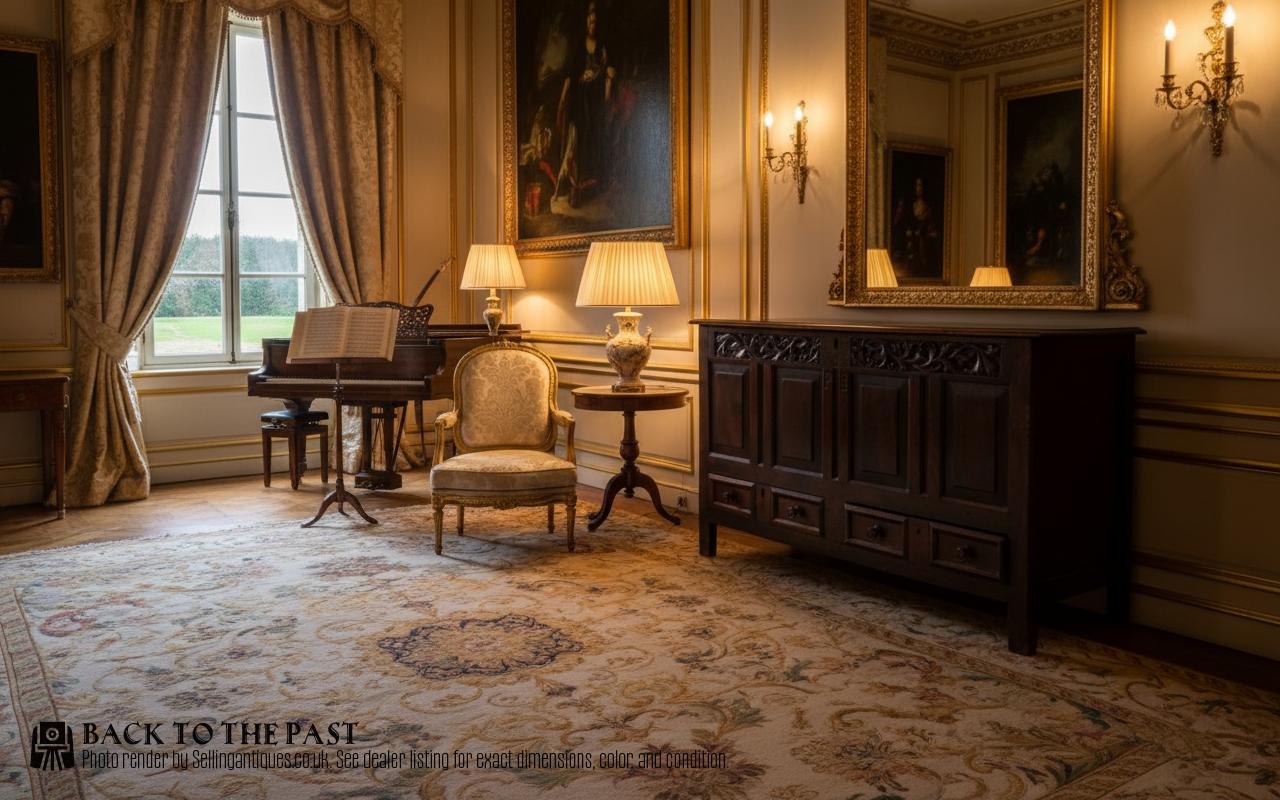
Georgian Carved Storage Chest
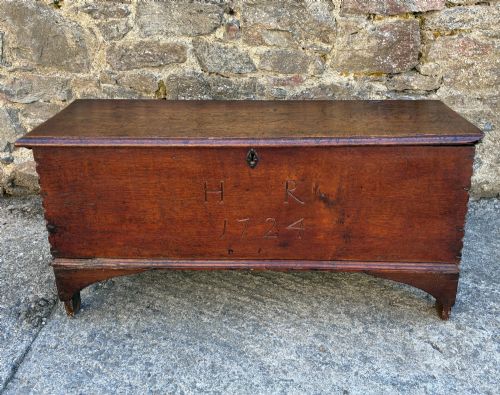
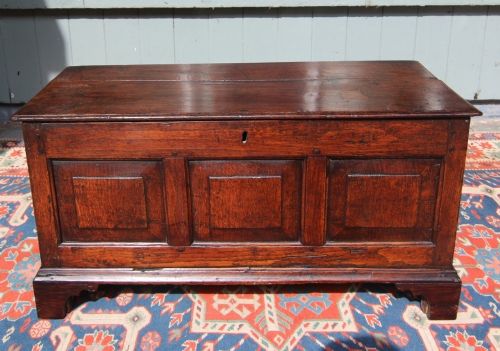
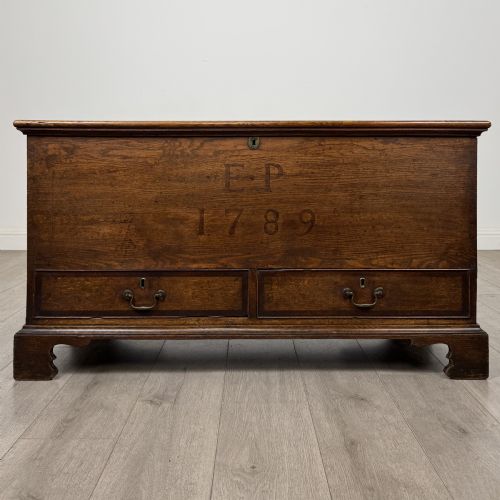
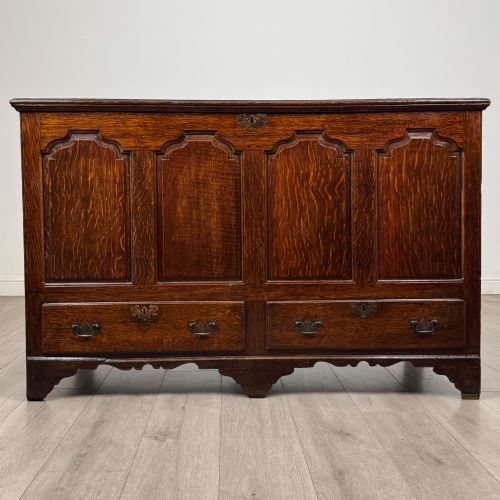
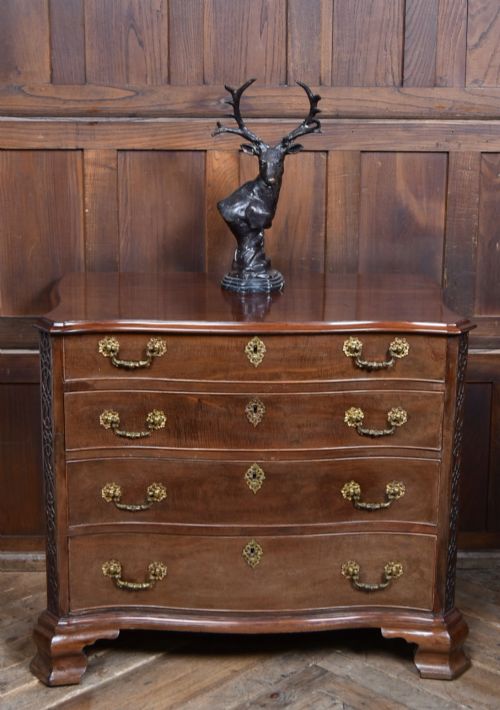
A georgian carved storage chest typically presents as a robust coffer, mule chest, or drawer-fitted storage piece originating primarily from the eighteenth century. These items were built to house household linens, documents, and personal valuables safely within domestic settings.
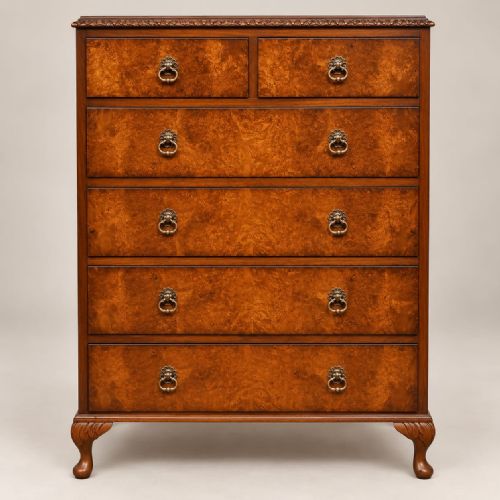
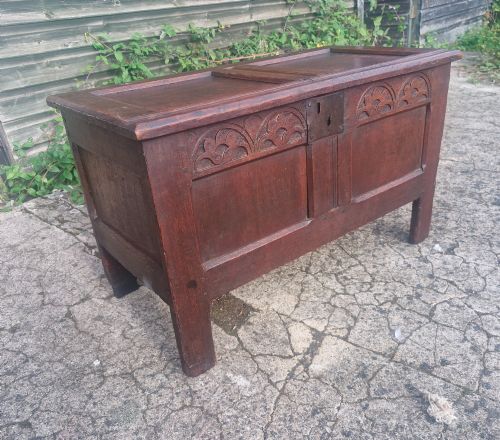
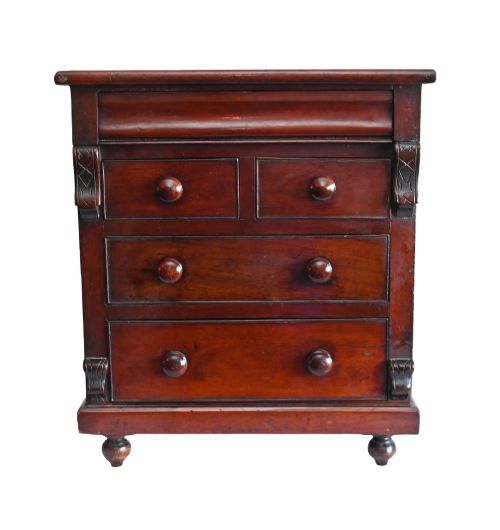
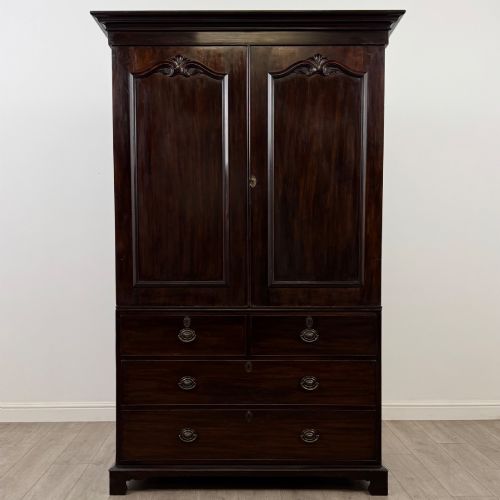
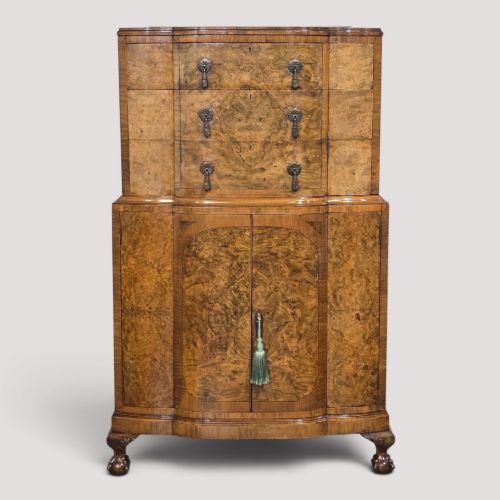
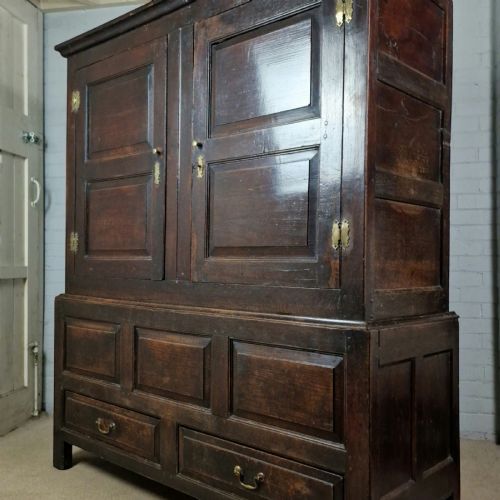
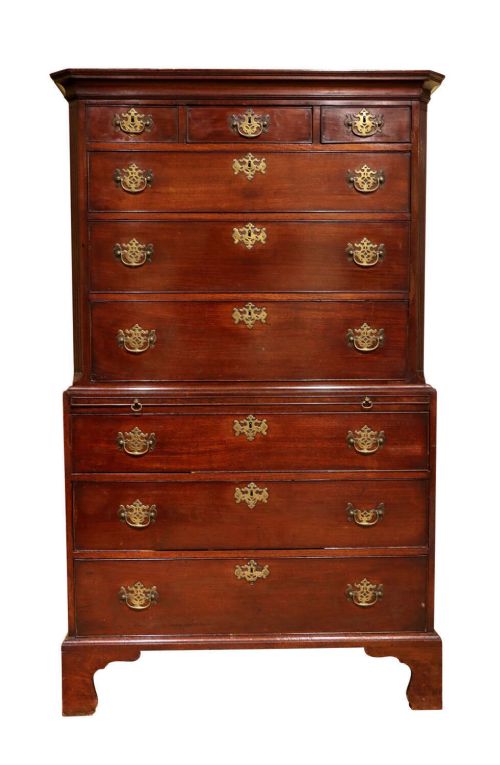
The buyer meets variations spanning plain oak panels, intricate relief carvings, and elevated forms featuring stands or lower drawers. Oak and mahogany dominate the selection, often bearing the marks of vernacular or formal regional workshops.
Many examples incorporate hinged lids opening to deep storage wells, occasionally supplemented by single or double lower drawers for smaller garments. The proportions remain heavy and architectural, designed to anchor a hallway, bedroom, or living space.
Materials and construction
Construction relies heavily on native timbers such as oak and mahogany, joined using traditional pegged mortise and tenon techniques. Panels are frequently field-raised or hand-carved with geometric and floral motifs using specialised gouges and chisels.
Secondary woods like pine appear in internal partitions and drawer linings, whilst decorative surfaces often utilise burr walnut or flame mahogany veneers secured with animal glues. Brass handles, escutcheons, and iron strap hinges provide both functional reinforcement and visual accent.
Listings feature eighteenth and nineteenth century periods utilising oak, mahogany, walnut, and pine across various regional styles.
Assessing craftsmanship
Quality reveals itself in the crispness of the hand-carved detail and the integrity of the primary timber selection. Superior pieces display tight, stable grain patterns, minimal timber replacement, and well-preserved original hardware.
Internal construction offers a clear measure of standard, visible in the hand-cut dovetails of internal drawers and the thickness of the base boards. Pieces retaining their original patination and unbleached surfaces command greater appreciation among serious collectors.
The Georgian Carved Storage Chest Glossary
- Coffer
- A heavy wooden chest traditionally used for storing valuables or dry goods. Early examples often feature front panels decorated with carved geometric patterns.
- Mule chest
- A storage chest featuring one or more drawers built into the base beneath the primary lifting lid. This form bridges the gap between the traditional coffer and the modern chest of drawers.
- Cellarette
- A lockable container designed for holding bottles of wine or spirits securely. These miniature storage pieces frequently sit on stands or low feet.
- Dovetail
- A joint formed by interlocking wedge-shaped fingers used to secure drawer corners. Hand-cut variations indicate older, traditional cabinet-making methods.
- Escutcheon
- A protective plate surrounding a keyhole, often cast in brass. It prevents the timber surrounding the lock from sustaining damage through repeated use.
Georgian Carved Storage Chest: Frequently Asked Questions
What is a mule chest?
A mule chest is a storage trunk that combines a top-opening compartment with one or more drawers built into the base. This design evolved to provide easier access to smaller items without requiring the entire lid to be lifted.
Such pieces date predominantly from the eighteenth century and were constructed primarily in oak or mahogany for domestic utility.
How do I care for antique oak?
Antique oak benefits from consistent indoor humidity levels and protection from direct sunlight to prevent timber splitting. Regular dusting with a dry lint-free cloth preserves the surface without requiring heavy polishes.
Application of traditional beeswax sparingly helps maintain the natural moisture and rich sheen of the aged wood over time.
Where were these chests used?
These storage items stood in bedrooms, hallways, and living quarters to safeguard heavy woollens, household linens, and important family documents. Their sturdy construction frequently allowed them to double as impromptu seating benches.
In modern interiors, they serve similar functional roles as coffee tables, blanket boxes, or foundational statement furniture.
How do I date a wooden chest?
Dating relies on examining the construction methods, tool marks left on internal boards, and the choice of primary and secondary timbers. Hand-cut dovetails, forged iron hardware, and vernacular carving styles provide clear chronological indicators.
Changes in furniture fashion, such as the transition from heavy joined oak to polished mahogany veneer, further narrow the period of origin.