

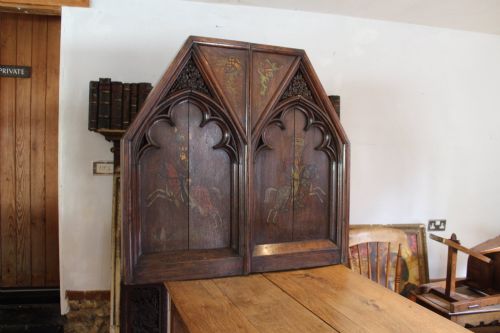
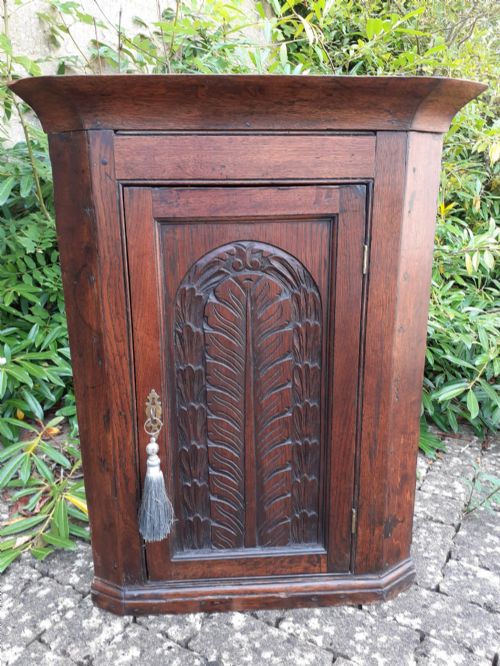
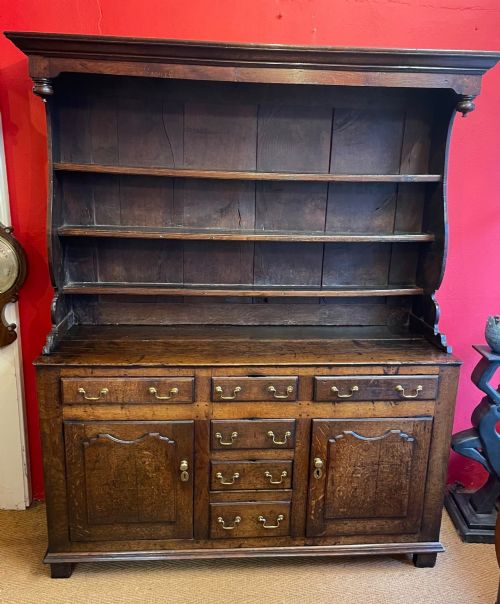
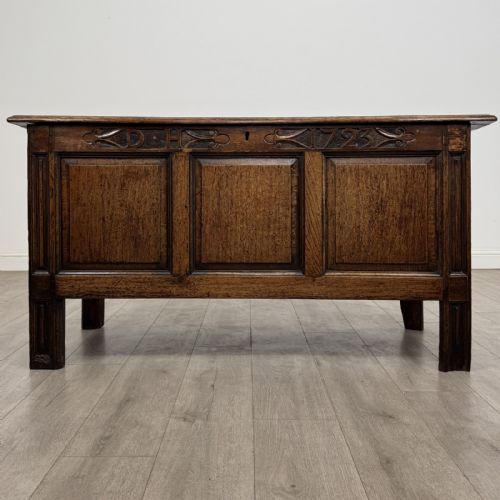


Georgian Carved Oak Panels
Georgian carved oak panels bring genuine country house character to a room, offering robust texture and centuries of domestic history.
Georgian Carved Oak Panels
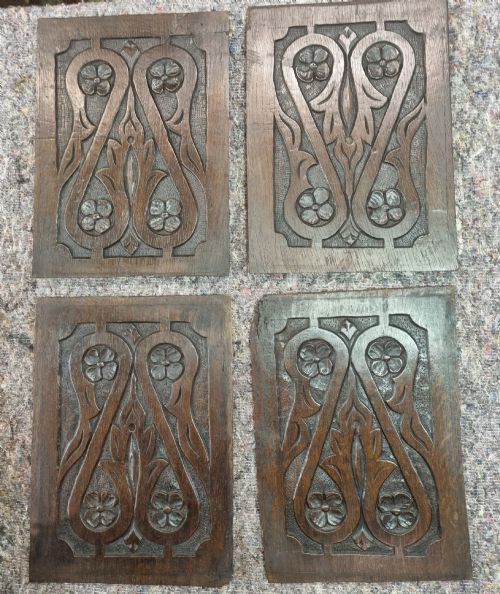
When you search for georgian carved oak panels, you encounter structural woodwork and decorative elements taken from period furniture and interior architecture. The pieces appearing here span from the seventeenth century through to the nineteenth century, reflecting country styles and vernacular domestic design.
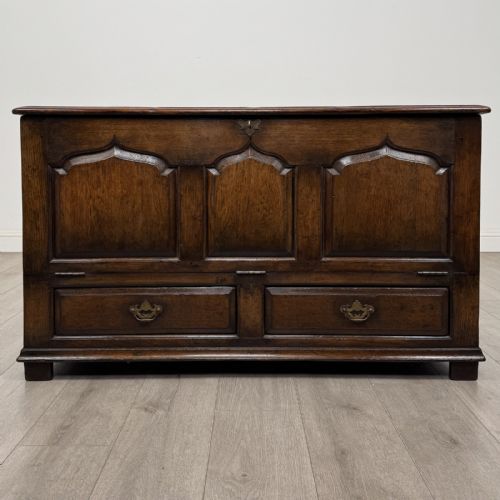
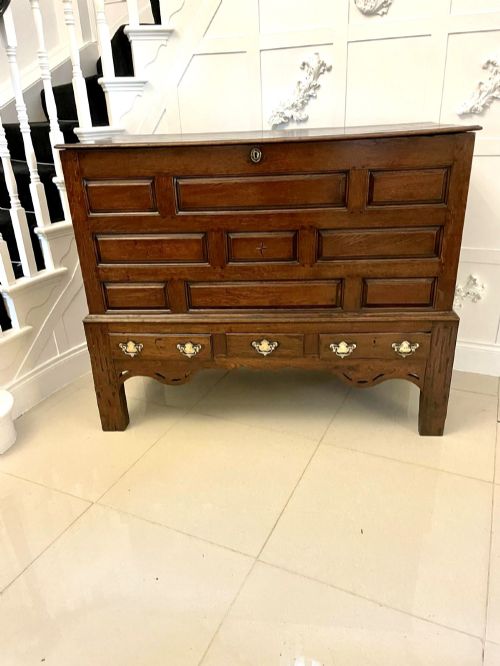
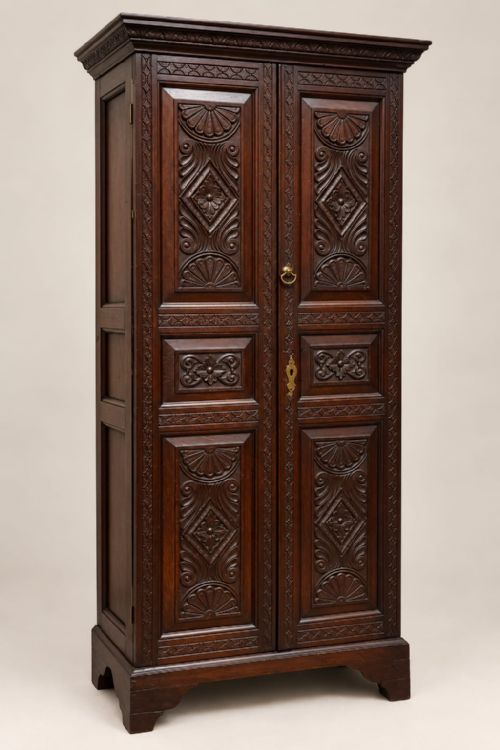
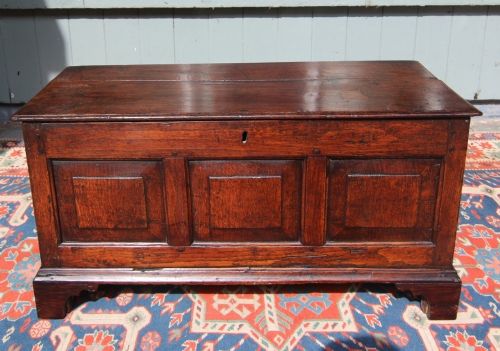
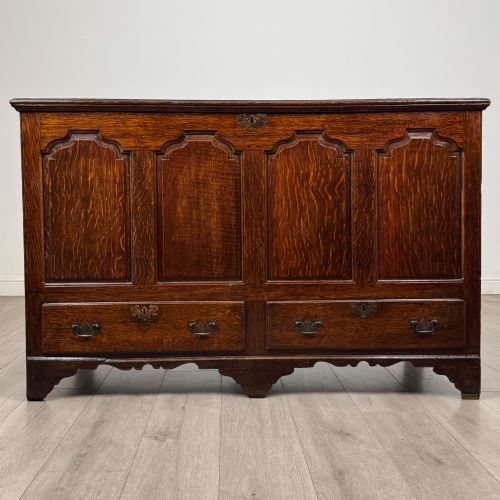
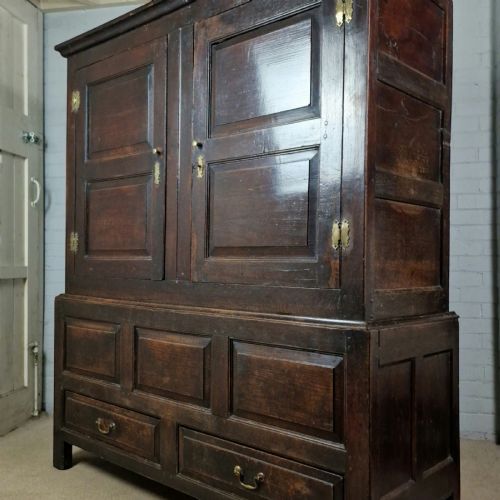
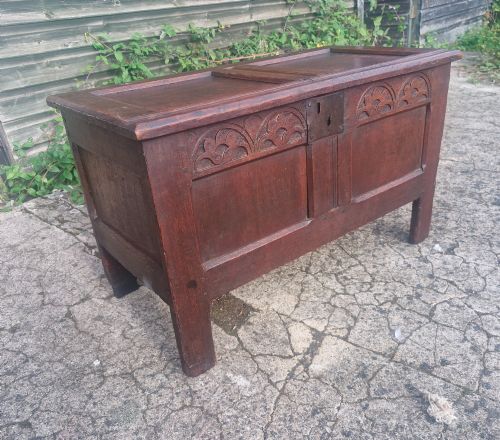
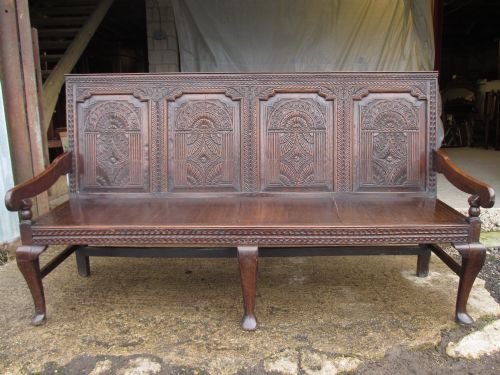
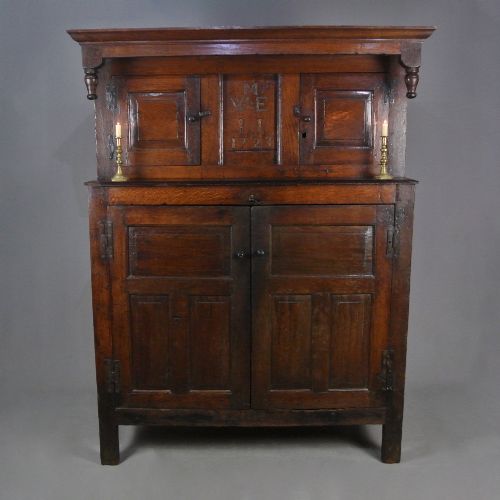
The selection centres heavily on storage furniture and architectural fragments rather than flat wall panels alone. Coffers, mule chests, cupboards, settles and ceiling bosses provide the carved oak surfaces available in this collection.
Origins include English country workshops and Welsh vernacular makers. These items served practical domestic storage and seating roles before finding new appreciation as decorative architectural salvage.
What varies in quality
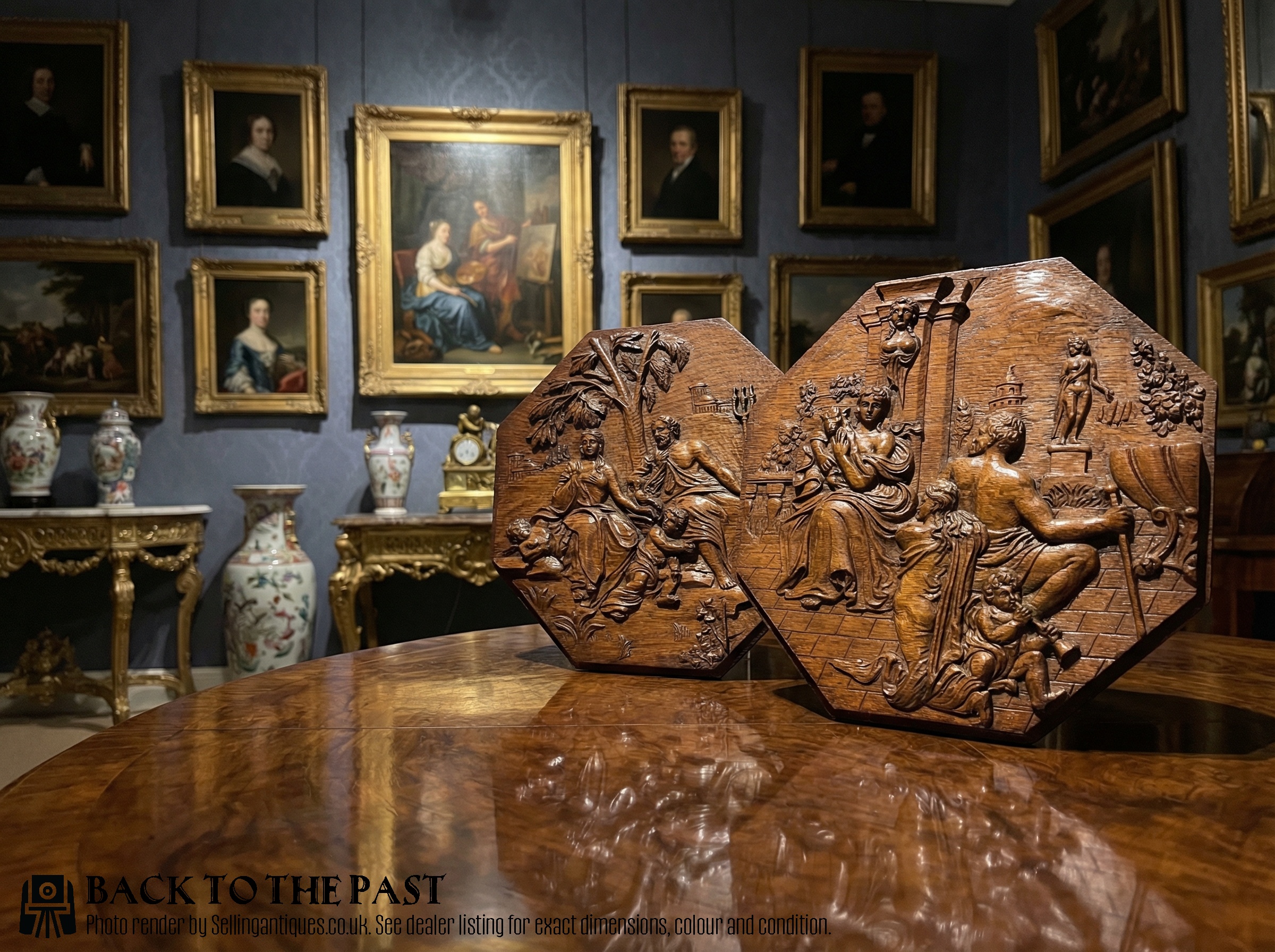
Depth and crispness of the hand carving distinguish finer examples from simpler provincial work. Crisp relief work on ceiling bosses and coffer fronts demonstrates superior tool control and artistic ambition.
Integrity of the timber and the retention of original surface patination determine the standing of each piece. Minimal replacement of structural framing and honest ageing of the oak surface elevate the merit of the woodwork.
Georgian Carved Oak Panels Retail Price Guide 2026
Typical asking prices for georgian carved oak panels among the pieces listed under this phrase on Sellingantiques today, from the lower quarter to the upper quarter. They describe what is for sale here now, not the wider market.
Listings feature structural oak furniture spanning the 17th, 18th and 19th centuries, alongside architectural carved wood ceiling bosses.
The Georgian Carved Oak Panels Glossary
- Coffer
- A large wooden chest used traditionally for storing valuables, linen or dry goods. Most examples feature hinged lids and sturdy plank construction.
- Mule chest
- A storage chest fitted with one or more drawers beneath the main compartment. This form bridges the traditional coffer and the modern chest of drawers.
- Settle
- A wooden bench with a high solid back designed to block draughts in country houses. Many incorporate panelled construction and enclosed seating bases.
- Ceiling boss
- A decorative projecting block of carved wood positioned at the intersection of ceiling ribs. These architectural elements often display floral or figural relief motifs.
- Vernacular
- Architecture and furniture built by local craftsmen using regional traditions rather than high court styles. These pieces emphasise utility and local material availability.
Georgian Carved Oak Panels: Frequently Asked Questions
What are carved oak ceiling boss panels?
These are decorative architectural elements carved from solid timber, originally designed to adorn structural intersections in historic ceilings. They feature detailed relief work such as leaves or figural subjects.
Today, collectors acquire them as wall art or architectural accents to introduce authentic historic texture into modern interiors.
How were mule chests used?
Mule chests served as versatile household storage units combining the deep compartment of a traditional coffer with accessible lower drawers. Families used them to store textiles, clothing and household provisions.
Their practical design made them staple items in Georgian country homes and farmhouses across England and Wales.
Where do vernacular oak settles fit in a home?
Oak settles function well as substantial hallway seating or as distinct statement benches in living spaces. Their high panelled backs historically deflected cold draughts in large rooms.
Living with these pieces involves appreciating their solid joinery and the rich patination acquired over centuries of domestic use.
How do you distinguish 18th century oak from later copies?
Eighteenth century oak displays natural ageing, tool marks from hand working, and timber shrinkage consistent with age. Joints typically utilise wooden pegs rather than modern steel screws.
Examining the underside, interior surfaces and backboards reveals the construction methods and wear patterns expected of genuine period pieces.