


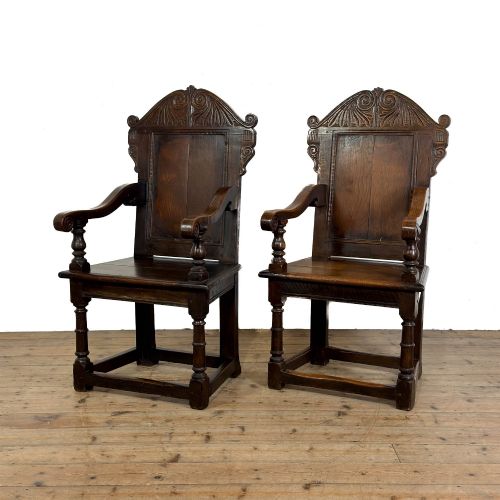
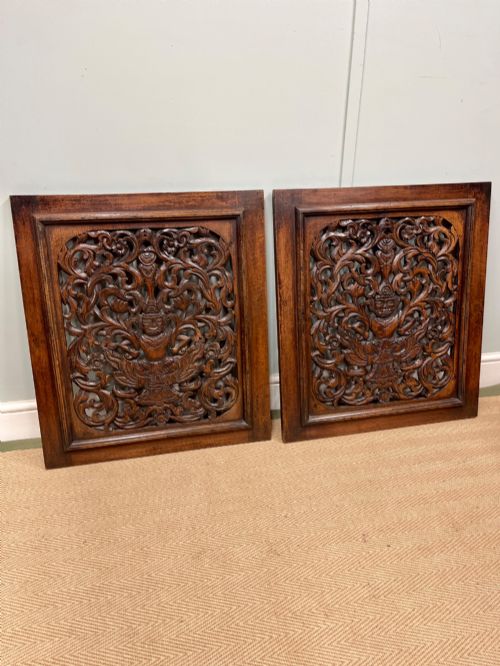
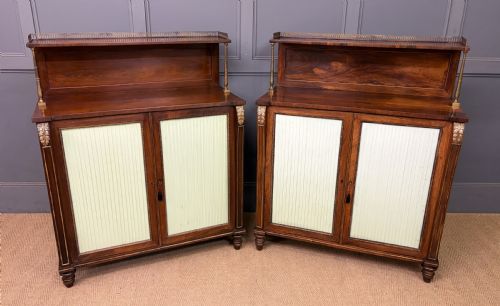


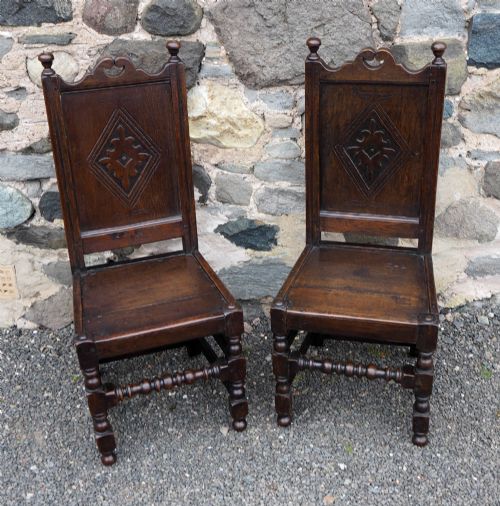



Pair of Carved Panels
When you search for a pair of carved panels, you enter a world of architectural fragments, furniture doors, and decorative wall hangings shaped by centuries of hand work.
Pair of Carved Panels
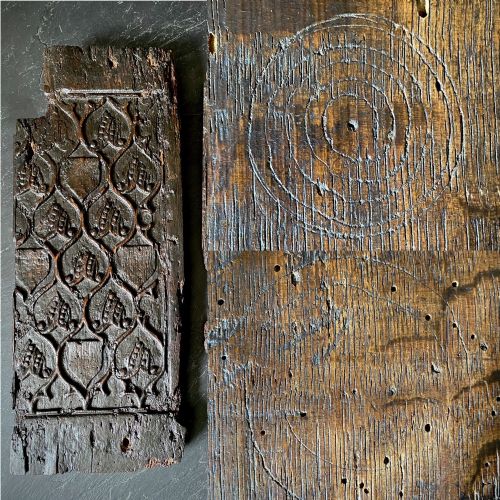
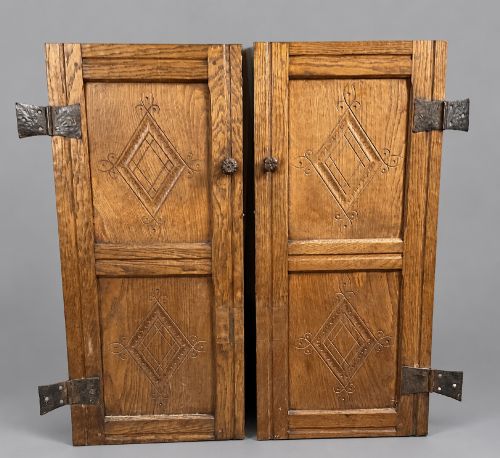
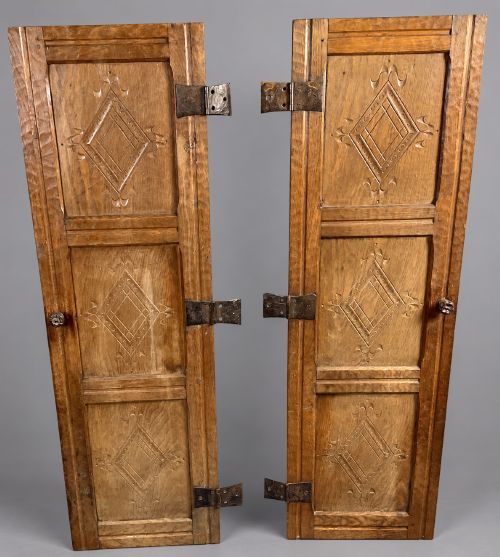
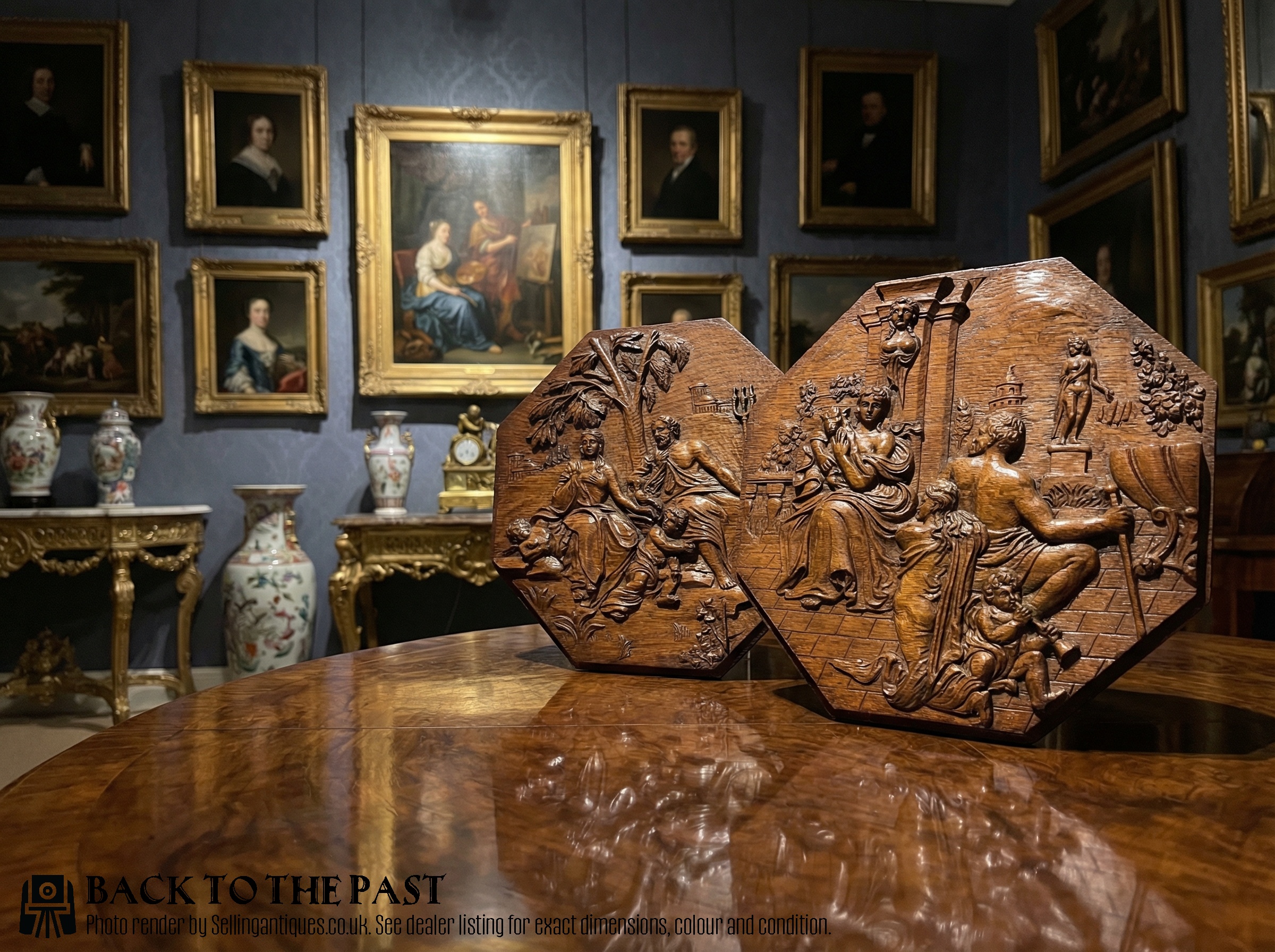
A pair of carved panels brings symmetry and historical depth to a room, functioning primarily as wall decorations, architectural salvage, or repurposed furniture elements. Buyers seeking these items will find examples ranging from 17th century oak fragments depicting cherubs, birds, and classical motifs to 19th century Chinese hardwood panels featuring dragons and floral foliage.
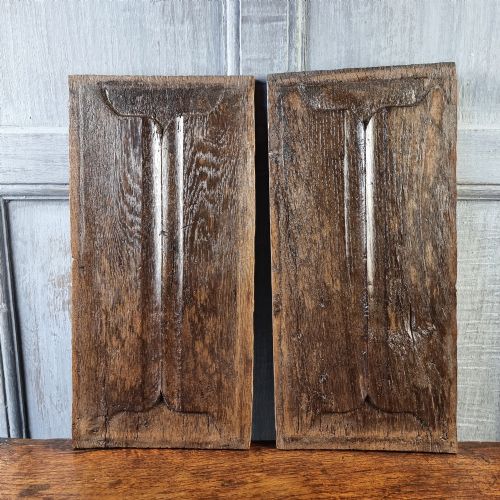
The selection encompasses diverse origins, including French boiserie wall panels, English linenfold sections, Japanese Meiji period works, and tribal carvings from Sulawesi. Oak dominates the earlier centuries, whilst walnut, limewood, and exotic hardwoods appear frequently across the later periods represented.
Most entries function as matching halves designed to flank a doorway, mirror, or fireplace, maintaining proportional balance. They arrive either as raw architectural elements removed from buildings or as framed works ready to hang on a modern wall.
How They Were Made
Craftsmen utilised seasoned timber such as oak, walnut, and limewood, cutting boards to size before applying chisel and gouge directly to the grain. Relief carving techniques varied from flat linenfold patterns to deep, undercut foliage, fruit, and figural scenes.
Surface treatments depended on the origin and period, with many early pieces left in raw timber to age naturally, whilst others received applications of paint, gold leaf, lacquer, or wax polish. Inlaid elements utilising mother-of-pearl, abalone, or foilage occasionally supplemented the carved wooden ground.
Pair of Carved Panels Retail Price Guide 2026
Typical asking prices for pair of carved panels among the pieces listed under this phrase on Sellingantiques today, from the lower quarter to the upper quarter. They describe what is for sale here now, not the wider market.
Among the carved faces peering from the centuries are historic depictions of Thor, Neptune, Odysseus, and playful cherubs.
What Varies in Quality
The distinction between ordinary and exceptional panels lies in the depth and crispness of the hand work, where confident, fluid chisel marks reveal a master carver rather than a hurried workshop production. Detail such as feathered wings, facial expressions, and botanical accuracy separates superior examples from repetitive commercial output.
Material selection and preservation also dictate standing, with dense, stable timbers retaining sharp edges over centuries whilst maintaining their original surface patination. Matched pairs showing equal wear and identical shrinkage patterns command greater appreciation than married sets assembled at later dates.
Bruce J. Talbert·Thomas Chippendale·Kasper Hendrik Roskam
The Pair of Carved Panels Glossary
- Linenfold
- A style of wood carving representing folded linen, popular on Tudor and Jacobean panels. This technique creates a textured surface that mimics fabric draping across a rigid wooden board.
- Boiserie
- French decorative wood panelling applied to interior walls, often carved with classical motifs. This technique brings architectural elegance and symmetrical harmony to domestic rooms.
- Gilt Wood
- Timber coated with a thin layer of gold leaf or powder, enhancing decorative details under candlelight. This finish protects the underlying wood whilst adding reflective brilliance to temple panels and decorative reliefs.
- Relief
- Sculpture where figures or designs project from a flat background, categorized by depth as low or high. This method gives dimensional life to scenes depicting mythological figures, foliage, and animals.
- Polychrome
- Painted in several colours, frequently applied to gesso or wood surfaces to enrich figurative carvings. This decoration brings vibrant realism to portraits, mythological scenes, and architectural elements.
Pair of Carved Panels: Frequently Asked Questions
How were carved panels originally used?
Makers integrated these panels into larger architectural schemes, furniture doors, church interiors, and wall wainscoting. They provided both insulation and visual hierarchy within wealthy homes.
Over time, many panels were salvaged from older buildings during alterations and repurposed as standalone decorative art for walls.
How do I hang heavy wooden panels safely?
Heavy panels require secure fixings into wall studs or masonry using appropriate brackets that support the weight from the base or frame. Professional framing or mirror hangers can attach sturdy D-rings and wire rated for the specific timber weight.
Ensure the wall structure can bear the load, especially with dense hardwoods like oak or walnut.
How can I tell the age of a carved panel?
Tool marks left by hand chisels, timber shrinkage, and natural surface patination offer clear clues to the period of manufacture. Hand-rived boards and irregular grain patterns typically point to earlier hand-working methods.
Stylistic indicators, such as Jacobean strapwork or Art Nouveau curves, align the piece with specific historical design movements.
Should I wax or oil antique carved panels?
Applying a microcrystalline wax helps nourish dry timber and protects the surface from atmospheric moisture without building up a sticky residue. Avoid modern liquid polishes that contain silicone, which can penetrate open grain and attract dust.
Gentle dusting with a dry, soft brush remains the best routine maintenance for deep relief carvings.