
Georgian Carved Mirror
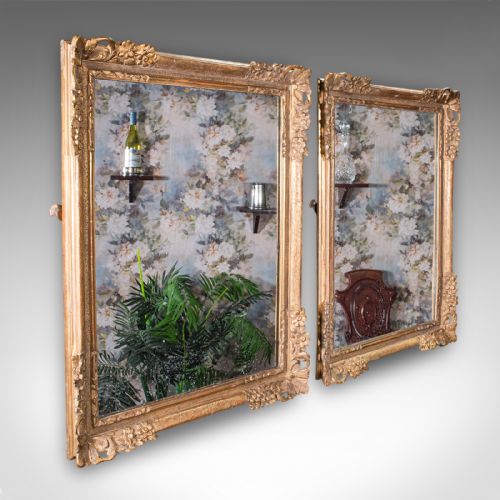
A georgian carved mirror brings depth and golden warmth to a room, catching light through centuries-old glass.

Georgian Carved Mirror
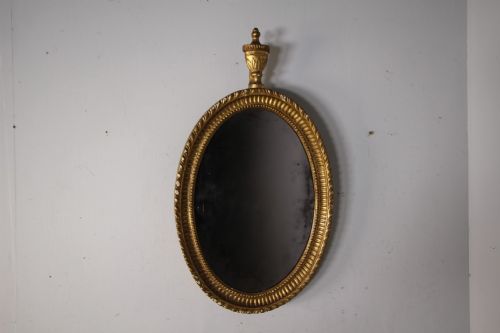
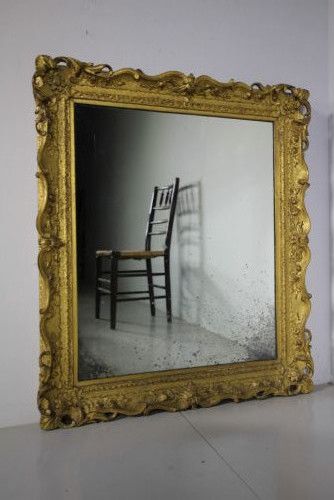
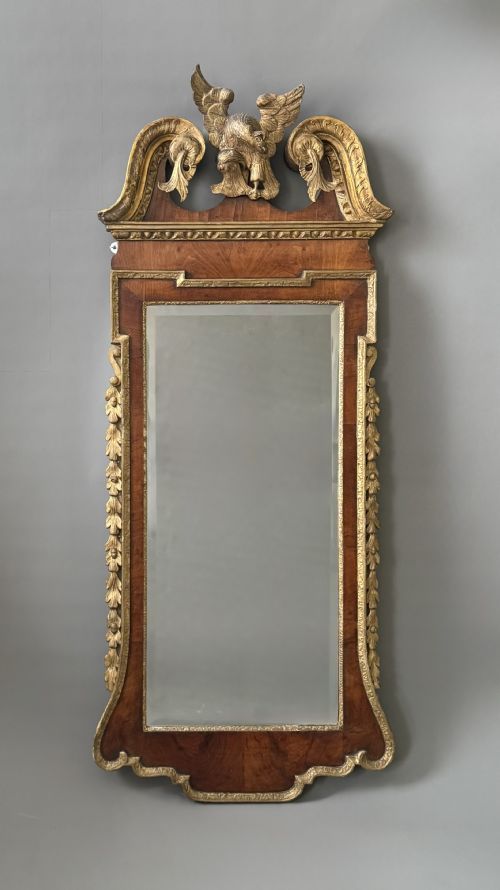
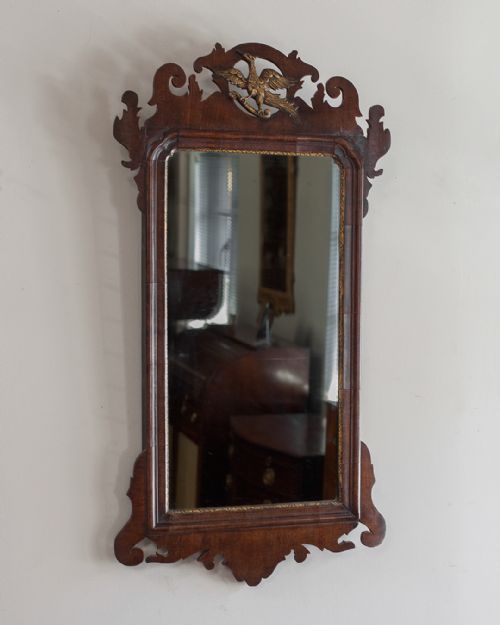
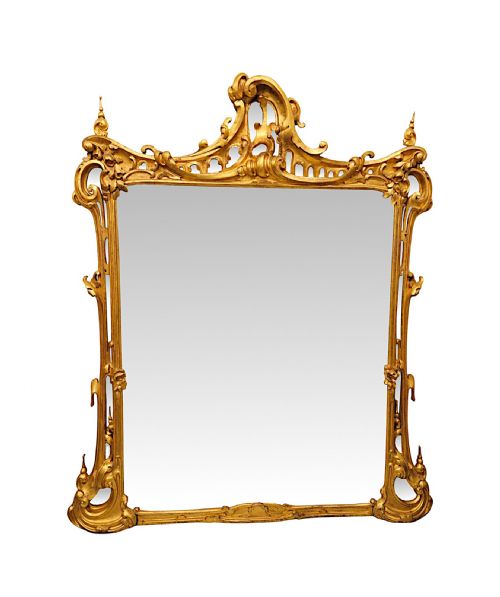
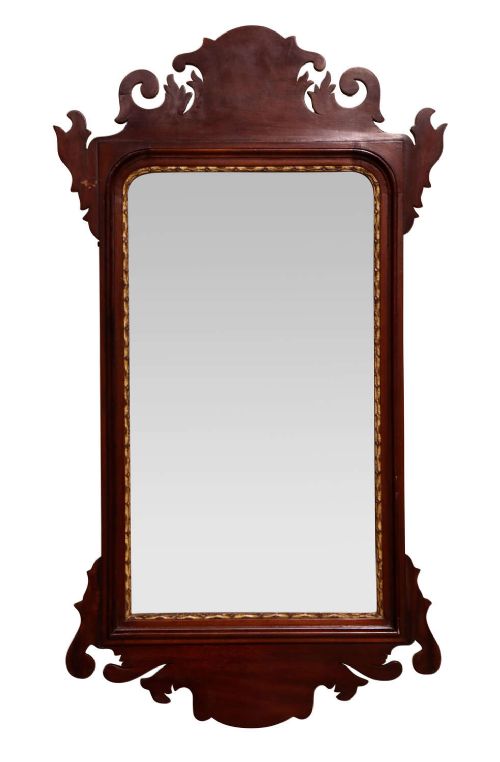
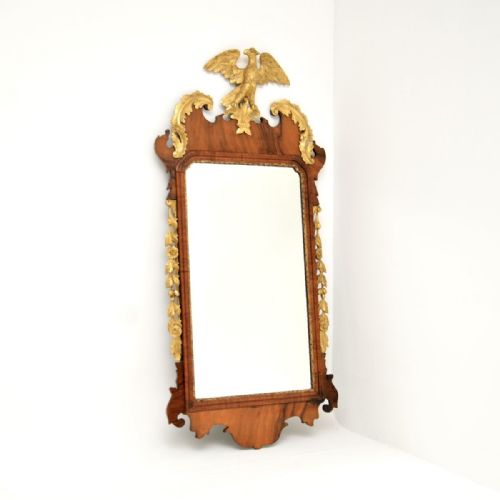
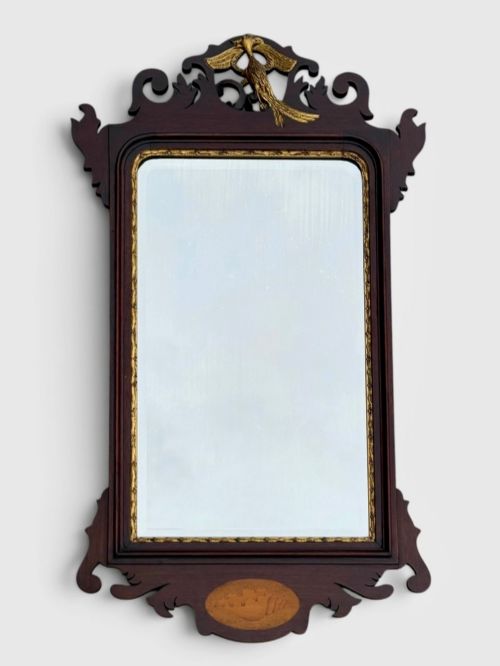
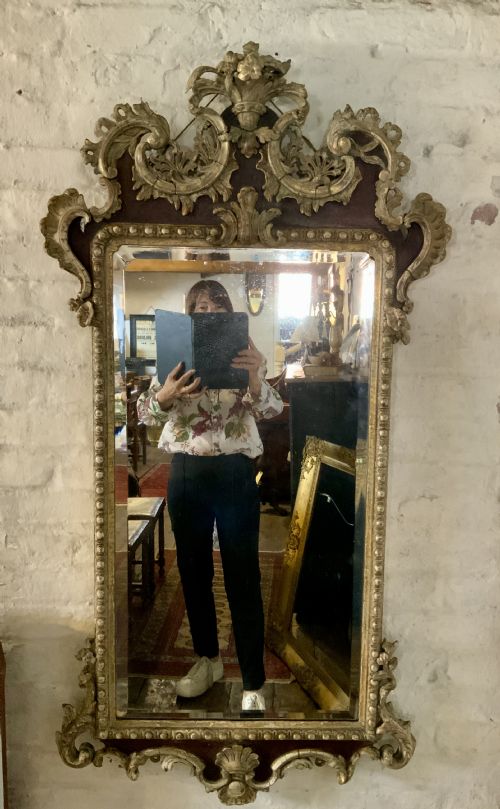
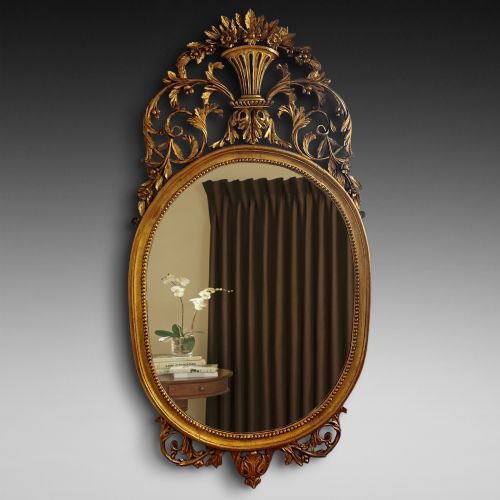
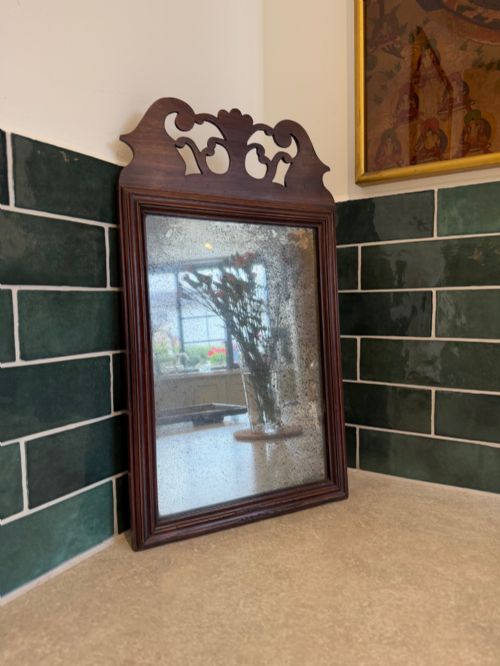
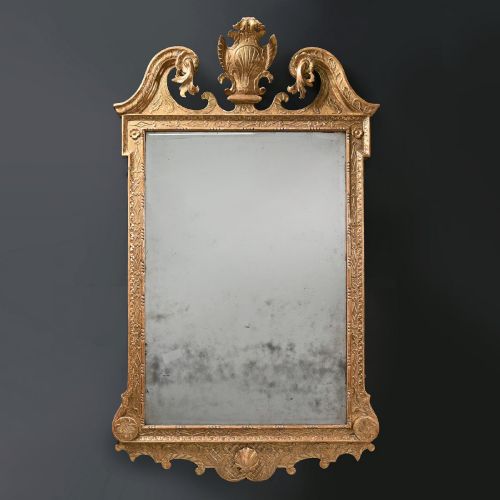
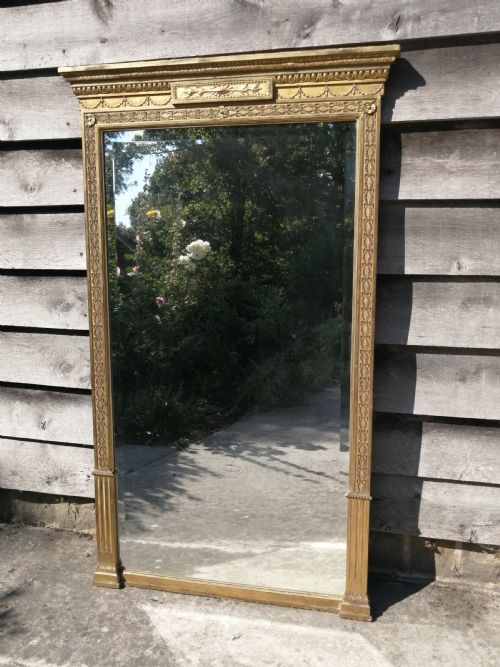
A georgian carved mirror encompasses wall-hanging plates, overmantels, and pier glasses designed to reflect interior candlelight and daylight. The selection spans robust mahogany fretwork frames alongside ornate giltwood and gesso creations featuring classical motifs.
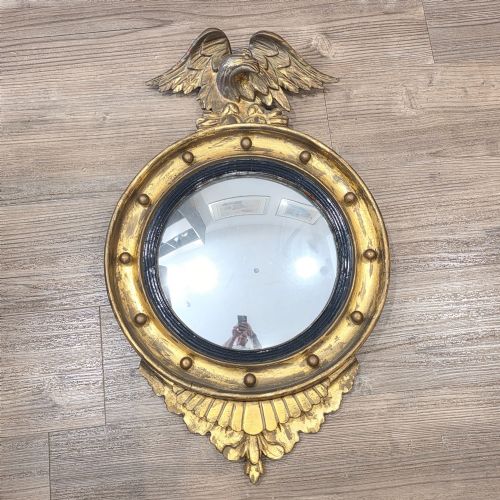
Wall mirrors and oval formats dominate the current offerings, alongside circular convex examples crowned with eagles and substantial overmantels intended for chimney breasts. Mahogany dressing mirrors with serpentine drawers also appear frequently under this heading.
Originating largely from eighteenth-century English workshops, these pieces bridge the Georgian, Regency, and later revival periods. Surviving examples demonstrate the enduring appeal of carved pine, walnut, and parcel gilt surfaces in historic interiors.
Materials and Construction
Makers shaped these frames from native timbers such as mahogany, walnut, and pine, applying layers of gesso to carve intricate foliage, scrolls, and birds. Gold leaf and liquid gilding were then laid over the prepared surfaces to catch the light.
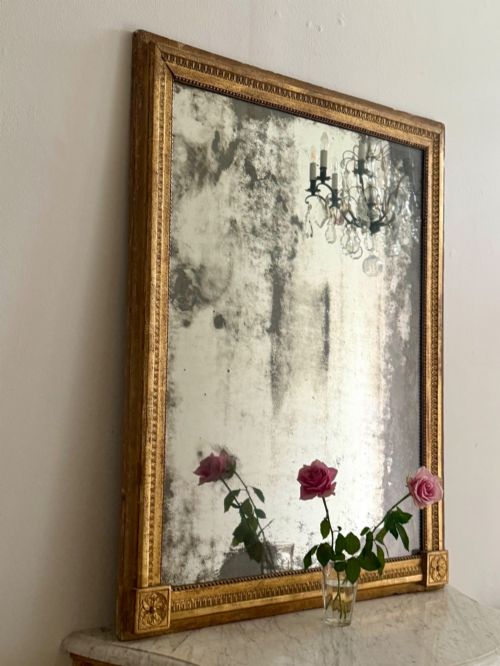
Glass plates were silvered using traditional methods, often leaving mercury foxing and natural blemishes that accumulate over centuries. Backboards typically consist of Baltic pine or oak held with original hand-cut nails and wedges.
Georgian Carved Mirror Retail Price Guide 2026
Typical asking prices for georgian carved mirror among the pieces listed under this phrase on Sellingantiques today, from the lower quarter to the upper quarter. They describe what is for sale here now, not the wider market.
Watch out for watchful Ho Ho birds perched atop carved frames, ready to guard your mantelpiece from mischievous spirits.
Assessing Craftsmanship and Survival
The crispness of the hand-carved ornament distinguishes superior examples from later copies, particularly in the rendering of fretwork ears and gilded crests. Deep relief work in gesso retains sharper definition where composition material was used sparingly.
Original mirror plates and undisturbed gilding command greater appreciation among collectors than re-silvered glass or later paint layers. The integrity of the timber frame and the retention of backing boards indicate how well a piece has survived untouched.
Gillows Of Lancaster
The Georgian Carved Mirror Glossary
- Giltwood
- Wood that has been coated with thin sheets of gold leaf over a prepared gesso ground. This finish provides the characteristic warm metallic glow seen on period frames.
- Gesso
- A plaster mixture applied to wood frames to create a smooth surface for carving and gilding. It allows for sharp, intricate relief work.
- Parcel Gilt
- A decorative treatment where portions of the timber are left exposed while other areas are gilded. This technique highlights the grain of walnut or mahogany alongside gold details.
- Fretwork
- Thin panels of wood cut with decorative pierced patterns using a fretsaw. It is commonly found on the flat margins of mahogany wall mirrors.
- Convex Mirror
- A circular mirror with a curved glass plate that reflects a wide, distorted fish-eye view of the room. They often feature gilded balls around the frame and an eagle surmount.
Georgian Carved Mirror: Frequently Asked Questions
How do I hang a heavy antique mirror safely?
These heavy frames require direct attachment to wall studs using steel brackets or picture wire rated well above the weight of the piece. Professional installation ensures the timber and original fixings take the strain evenly without twisting.
Position the mirror at eye level where it can reflect natural light from a window or bounce the glow from lamps across the room.
Are the mirror plates original?
Many retain their original silvered glass, which often exhibits dark spots, foxing, and minor distortion known as waves in the plate. These optical imperfections confirm the age of the piece.
Replacement glass occasionally appears in pieces that suffered breakage during their centuries of use, which alters the historic character.
How should I clean a gilded frame?
Dust the carved surfaces gently with a soft dry artist brush or ostrich feather duster to remove surface particles. Avoid liquid cleaners, water, and modern polishes, which strip fragile gold leaf and soften old gesso.
Keep the mirrors away from direct sunlight and damp environments to protect the delicate gilding and underlying timber from further degradation.
What is a pier glass?
A pier glass is a tall, narrow mirror designed specifically to hang on the wall space between two windows. Their vertical proportions were intended to maximise the reflection of light in formal eighteenth-century rooms.
They frequently coordinate with console tables placed directly beneath them against the wall.