

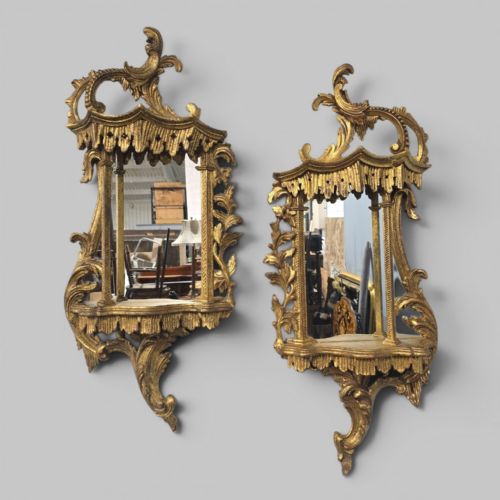


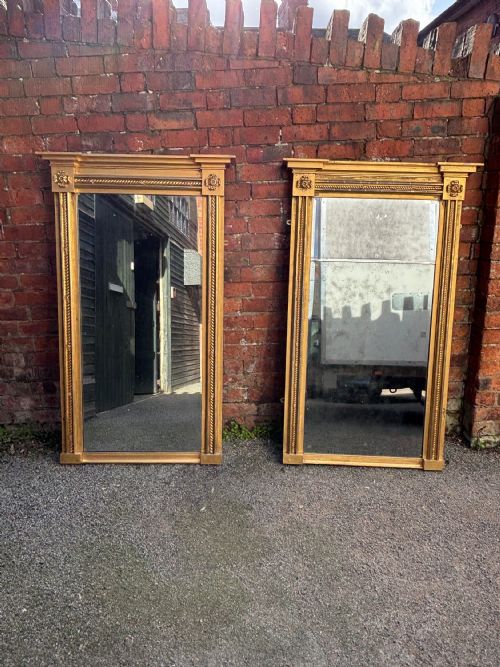


Georgian Carved Mirror Pair
A georgian carved mirror pair brings symmetry and light to a room through centuries-old craftsmanship and gilded depth.
Georgian Carved Mirror Pair
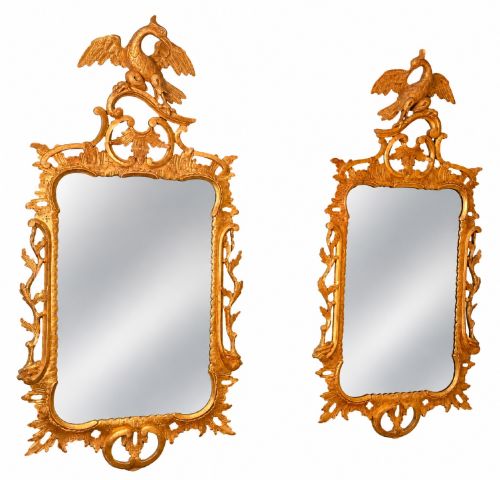
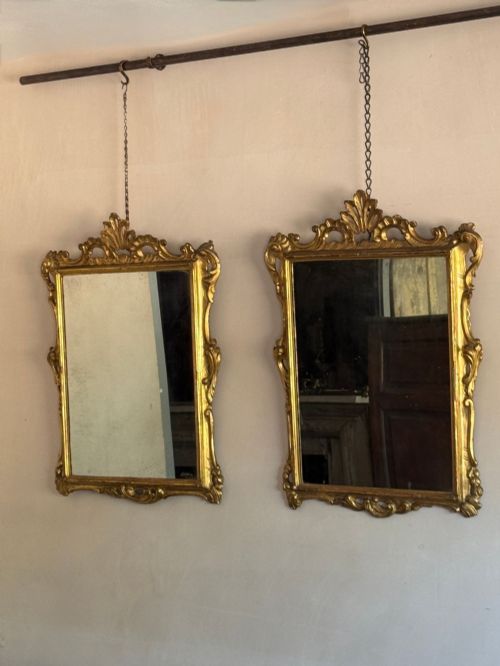
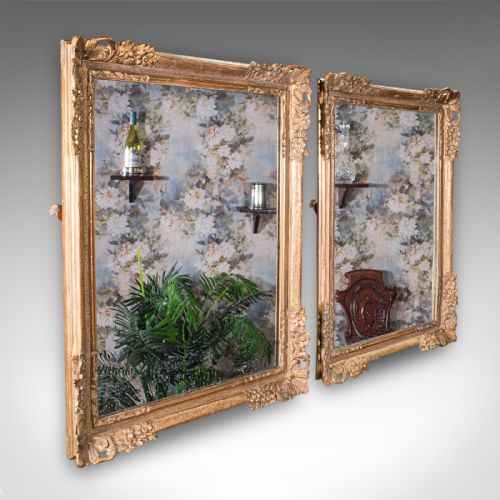
A georgian carved mirror pair consists of matching wall-hanging looking glasses produced during the eighteenth century or later revival periods. These decorative items often feature symmetrical woodwork designed to reflect candlelight and brighten dark panelled interiors.
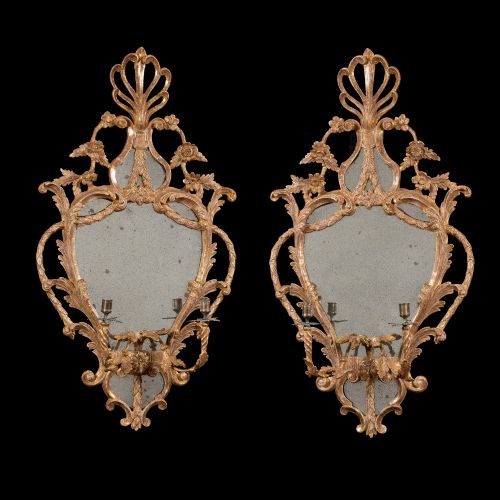
Buyers on this page will most frequently encounter giltwood girandoles, oval frames, and pier mirrors reflecting georgian, regency, and neoclassical design aesthetics. The forms span from simple carved wood profiles to elaborate Chinese Chippendale and Italian Rococo expressions.
Origin variations include English workshops, nineteenth-century Irish pieces, and continental Italian examples. Wall shelves occasionally accompany these pairings in the broader selection of matched decorative antiques.
Materials and construction methods
Makers shaped these frames primarily from timber such as walnut or softwoods before applying layered gesso and gold leaf. Giltwood surfaces achieved their brilliant finish through meticulous application of thin metal leaf over prepared plaster grounds.
Composition ornament and carved wooden details built up the relief work on neoclassical and regency frames. Mirror glass was housed securely within these gilded structures, often accompanied by brass fittings for candle sconces on girandole variants.
Georgian Carved Mirror Pair Retail Price Guide 2026
Typical asking prices for georgian carved mirror pair among the pieces listed under this phrase on Sellingantiques today, from the lower quarter to the upper quarter. They describe what is for sale here now, not the wider market.
The listings feature giltwood, walnut, and brass materials across eighteenth-century, regency, and Victorian periods.
Distinguishing quality across examples
The sophistication of the hand-carved decoration determines the upper tier of these objects. Crisp undercut foliage and sharply defined moulding demonstrate superior bench skills compared to softer composition-moulded ornament.
Original mercury or early mirror glass retains a characteristic mottled foxing that authenticates age. The integrity of the underlying giltwood surface and the balance between the two paired frames dictate the overall visual harmony.
Strahan of Dublin
The Georgian Carved Mirror Pair Glossary
- Giltwood
- Wood carved and coated with gold leaf over a prepared gesso ground. This finish provides the characteristic metallic sheen seen on period frames.
- Girandole
- A wall mirror featuring attached candle branches or sconces. These arms reflect candlelight to increase illumination within the space.
- Gesso
- A plaster mixture applied to carved wooden frames as a smooth base for gilding. It allows for intricate relief ornamentation.
- Pier mirror
- A tall glass designed specifically to hang on the wall space between windows. They frequently matched console tables placed below.
- Composition
- A moulded mixture of whiting, resin, and glue pressed into decorative relief. It offered a quicker alternative to hand carving during the later periods.
Georgian Carved Mirror Pair: Frequently Asked Questions
How do I hang a heavy pair safely?
These heavy wooden and glass objects require robust wall fixings secured directly into masonry or solid studs.
Professional mirror hangers utilise split battens or heavy-duty strap brackets designed to distribute the substantial combined weight evenly.
Can I clean antique gold leaf safely?
Dust the gilded surfaces gently using a soft, dry ostrich feather duster or clean makeup brush.
Moisture and modern chemical cleaners will strip the delicate gold leaf and damage the underlying gesso permanently.
What rooms suit a matching pair?
Hanging them opposite windows bounces natural daylight deep into a reception room or hallway.
Placing the pair above matching side tables or mantelpieces creates balanced neoclassical symmetry within dining spaces.
How do I spot a later revival copy?
Nineteenth and twentieth-century revival pieces often display machine-moulded composition ornament rather than crisp hand carving.
Examine the backboards, nail types, and glass characteristics to confirm whether the pair dates to the eighteenth century.