
Georgian Carved Mahogany Chair
When you handle a georgian carved mahogany chair, you hold centuries of dense timber, crisp hand-tooling and disciplined domestic craft.
Georgian Carved Mahogany Chair
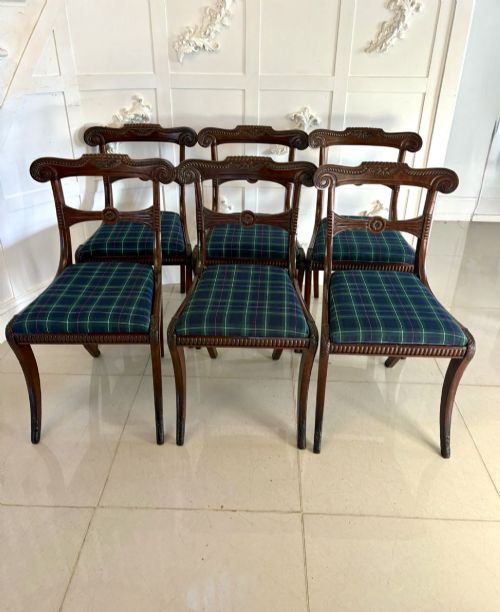
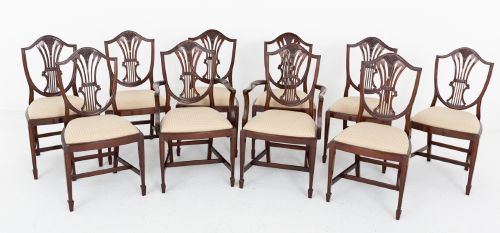
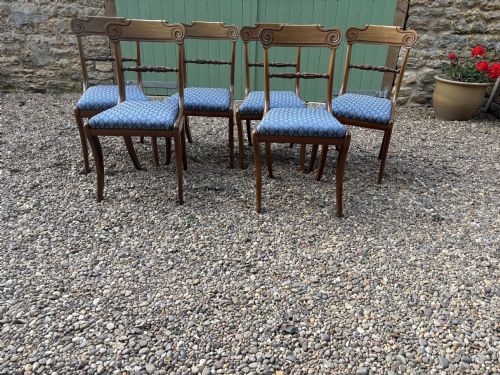
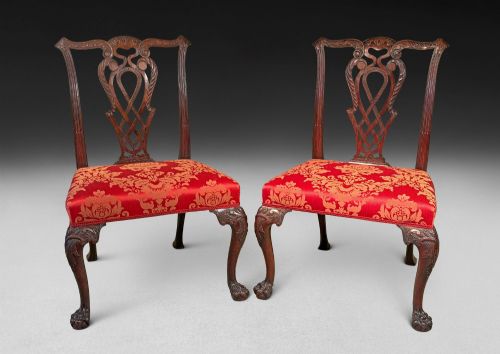
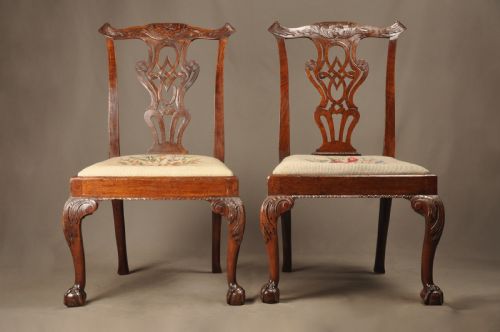
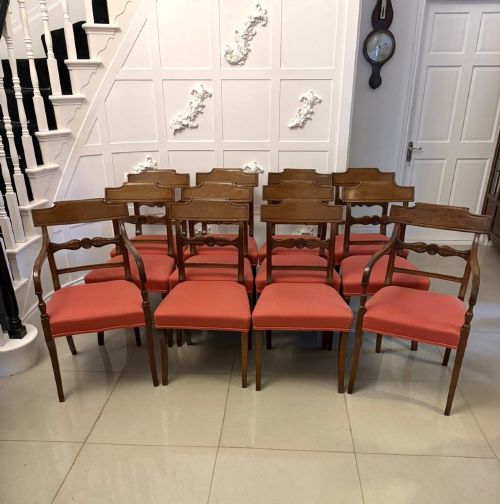
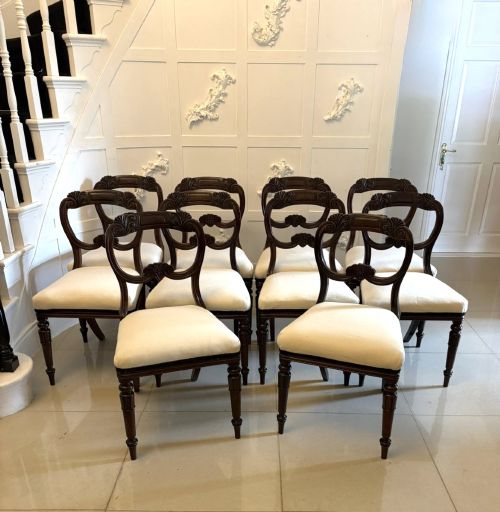
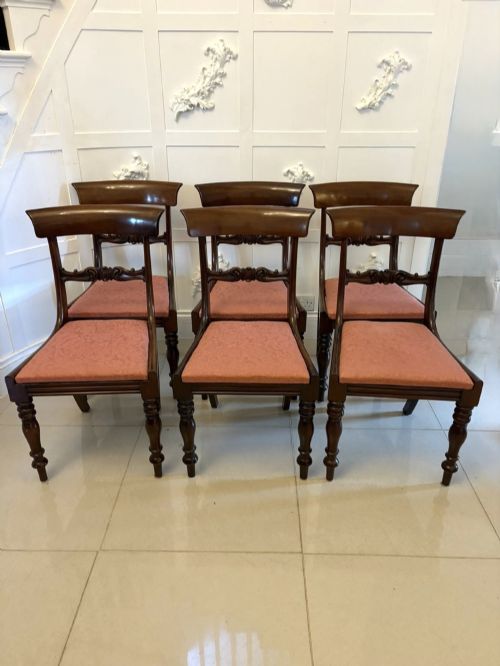
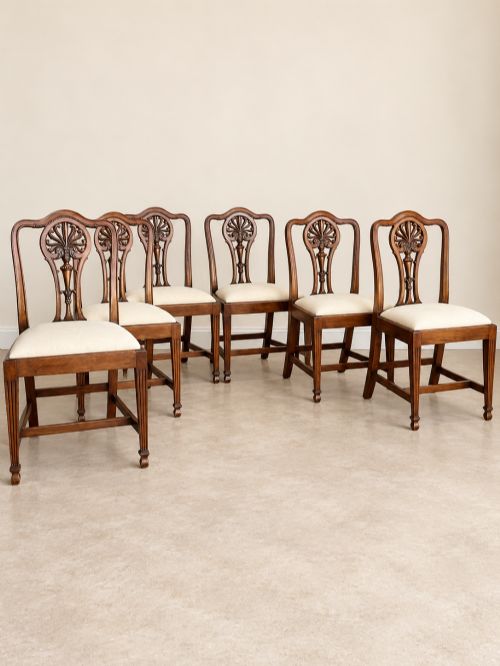
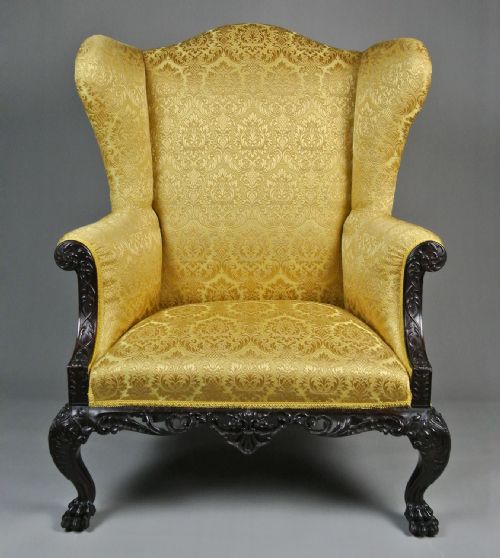
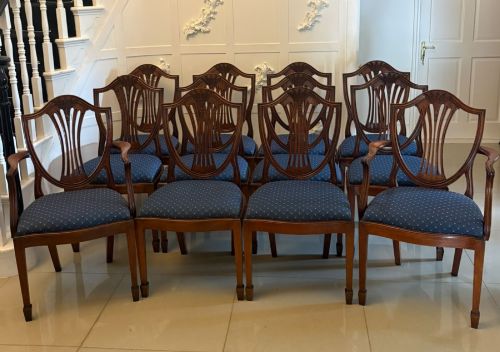
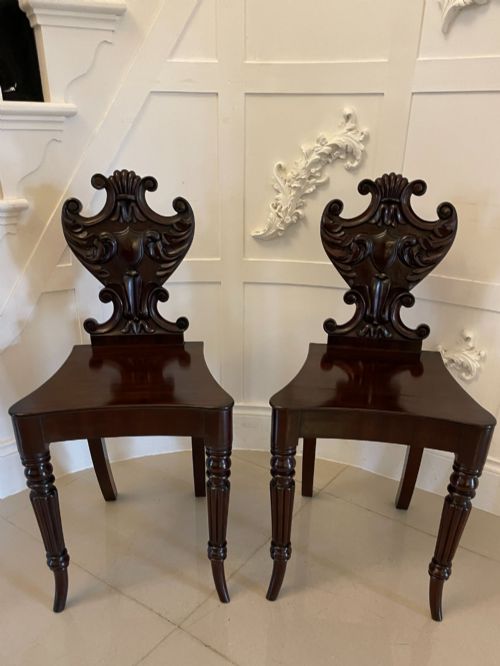
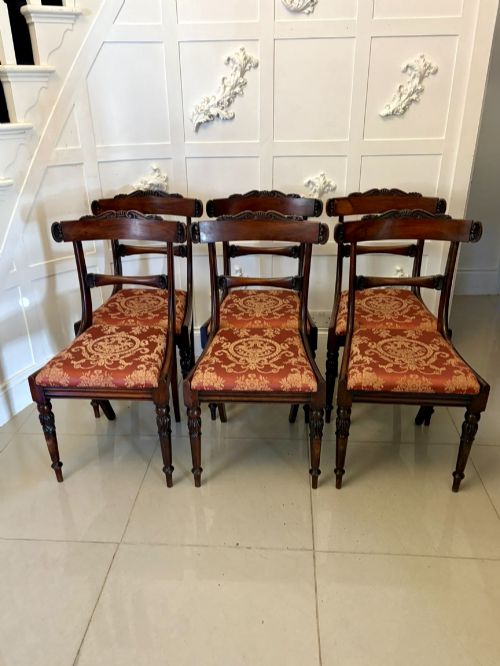
A georgian carved mahogany chair brings centuries of domestic history into a room, spanning formal dining sets, library armchairs and rigid hall seating. The pieces appearing most frequently across this selection combine solid timber frames with defined period styles such as Chippendale, Hepplewhite and Regency. Buyers encounter single hall seats alongside large sets of dining chairs intended for historic interiors.
The objects serve practical seating roles while demonstrating the ornamental ambition of their makers through pierced splats, carved rail backs and moulded legs. Forms range from compact side chairs and library desk variants to expansive carvers equipped with open arms. Surviving examples reflect shifts in British taste from mid-eighteenth century curves towards nineteenth century rectilinear proportions.
Materials and construction methods
Makers constructed these frames predominantly from dense imported mahogany, securing joints through traditional mortise and tenon techniques designed to withstand heavy daily use. Carved details such as acanthus leaves, scrollwork and ribband motifs emerged directly from the solid wood rather than applied mouldings.
Seating portions frequently integrated drop-in pads or upholstered frames covered in fabric, leather, velvet or textile. Secondary woods provided structural stability beneath the polished primary mahogany exterior.
Listings feature mahogany, fabric, brass and leather across Georgian, Regency and 19th Century periods.
Distinctions in craftsmanship
Quality depends heavily on the depth and sharpness of the hand-carving, where crisp undercutting distinguishes superior pieces from softer, more mechanically finished revivals. The choice of timber grain and the integrity of the original frame joints also separate ordinary production from high exhibition standards.
Proportion and structural balance dictate the success of the form, particularly in the curve of a cabriole leg or the rake of a bar back. Pieces retaining their original timber surfaces without excessive regluing or timber replacement command greater respect among collectors.
Gillows·Waring & Gillow·Whytock & Reid
The Georgian Carved Mahogany Chair Glossary
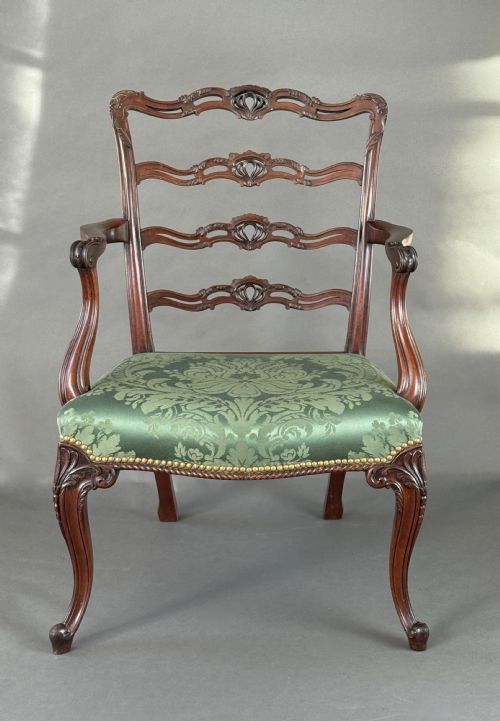
- Chippendale Style
- A design vocabulary drawing on mid-eighteenth century pattern books featuring intricate pierced splats and cabriole or square legs. These forms emphasise classical ornamentation adapted for domestic comfort.
- Bar Back
- A horizontal curved top rail resembling a tavern settle or architectural frieze, common on nineteenth century dining seats. This element provides ergonomic lower back support.
- Carver
- An armchair designed to match a set of dining chairs, typically positioned at the table head. These pieces feature open wooden arms attached to the main seat frame.
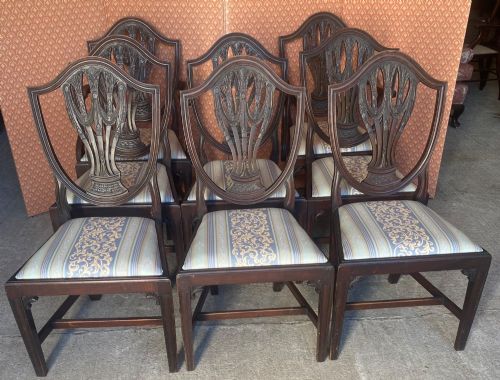
- Shield Back
- A tapered, shield-shaped wooden framework forming the backrest, popularized during the late eighteenth century. The design allows for delicate vertical splats and carved feather motifs.
- Cuban Mahogany
- A dense, heavy variety of timber sourced from the Caribbean, prized for its dark rich colour and fine grain. Cabinet makers utilised this material for high-status furniture during the eighteenth and nineteenth centuries.
Georgian Carved Mahogany Chair: Frequently Asked Questions
How do I identify a genuine period piece?
Examine the timber surfaces for hand-cut tool marks, historical wear patterns and the weight of the dense mahogany frame. Traditional joinery methods like pegged mortise and tenon joints indicate authentic period construction.
Compare the proportion and carving clarity against documented examples from the eighteenth and nineteenth centuries. Consistency in timber ageing across the seat rails and primary splats confirms the integrity of the piece.
Were these chairs used only for dining?
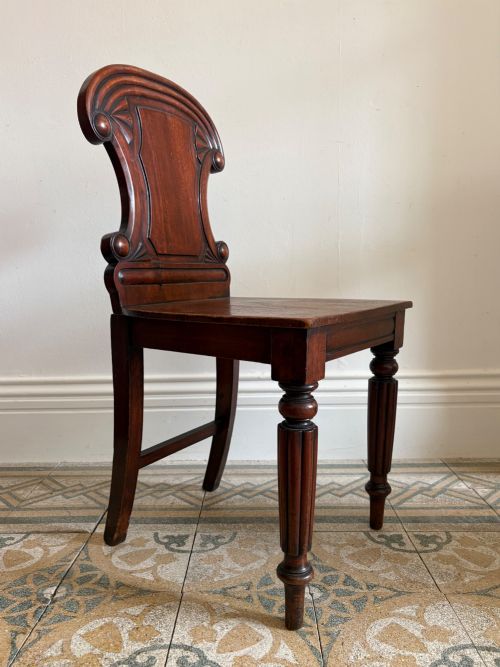
While large matching sets served formal dining rooms, individual examples functioned as hall seats, library armchairs or desk chairs. Hall chairs were typically rigid and unupholstered to display painted or carved family crests.
Desk and library variants incorporated upholstered pads, leather inserts or wider arms to provide comfort during extended periods of reading or administrative work.
How should I care for mahogany furniture?
Keep wooden surfaces away from direct heat sources and strong sunlight to prevent the timber from drying out or splitting. Apply natural beeswax sparingly to maintain the polish and protect the grain.
Lift chairs by their main seat rails rather than the top rail or arms to prevent stress fractures in the traditional joints. Check structural stability periodically to ensure fixings remain secure.
What is the difference between George III and Regency styles?
George III designs frequently display ornate carved details, pierced splats and curved cabriole legs influenced by Gothic, Rococo and neoclassical tastes. These pieces emphasise organic movement and elaborate timber manipulation.
Regency examples tend towards architectural severity, incorporating brass inlay, reeded legs and classical revival motifs inspired by ancient Rome and Greece. Proportions become heavier and timber selection often showcases dark Cuban grain.