


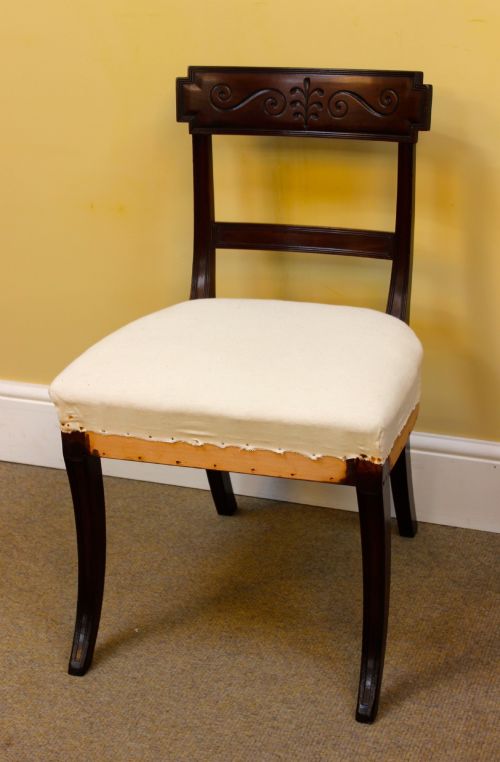
Georgian Carved Dining Chairs
Georgian carved dining chairs are solid hardwood seats built for the dining room that bring period craft into modern homes.
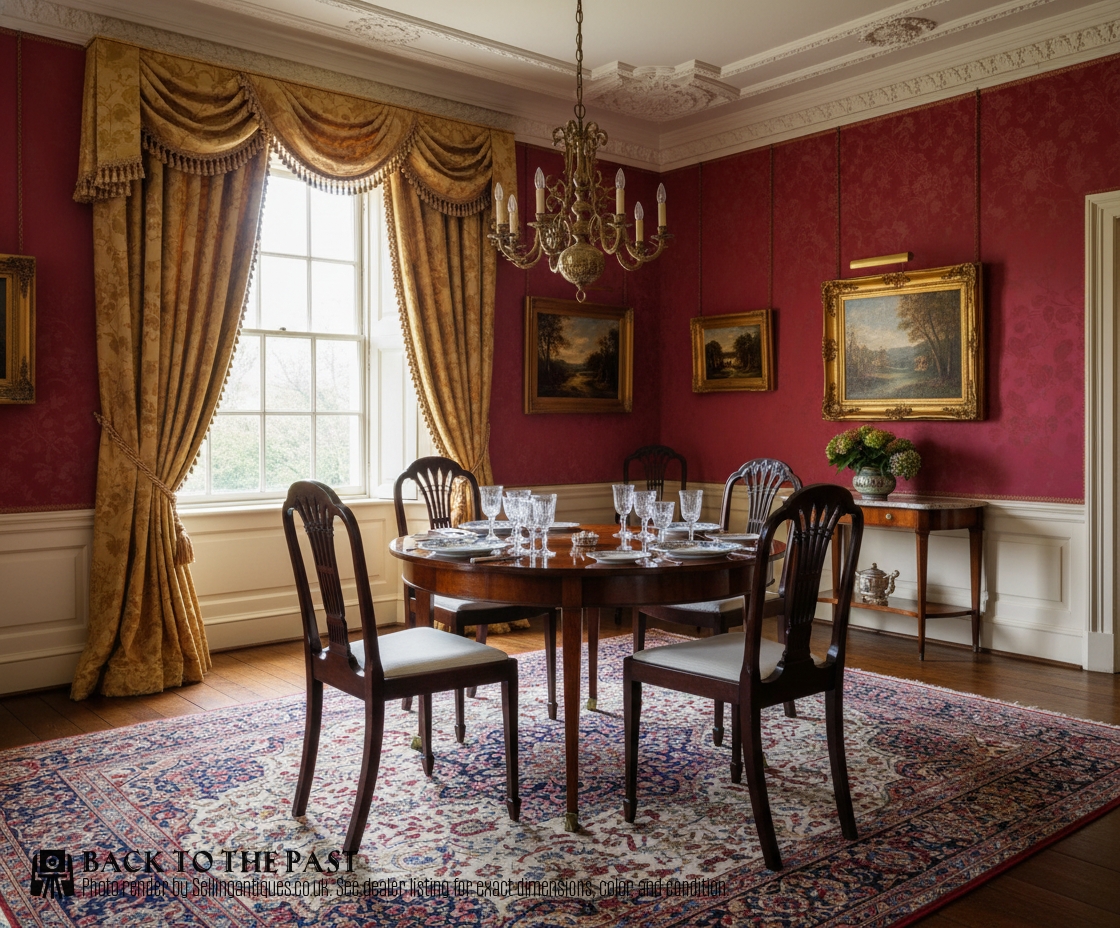
Georgian Carved Dining Chairs
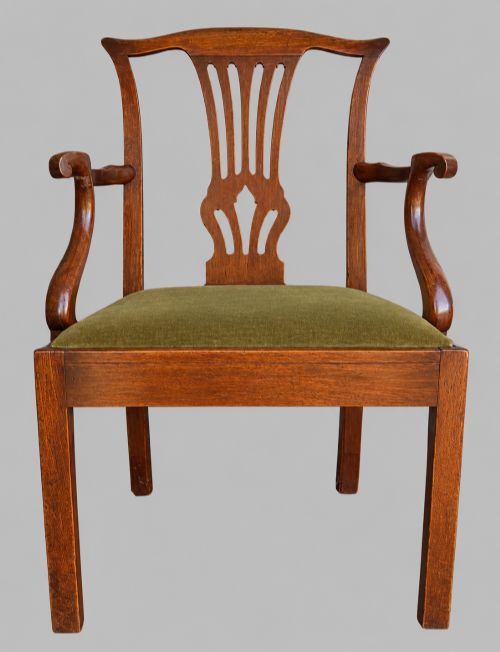
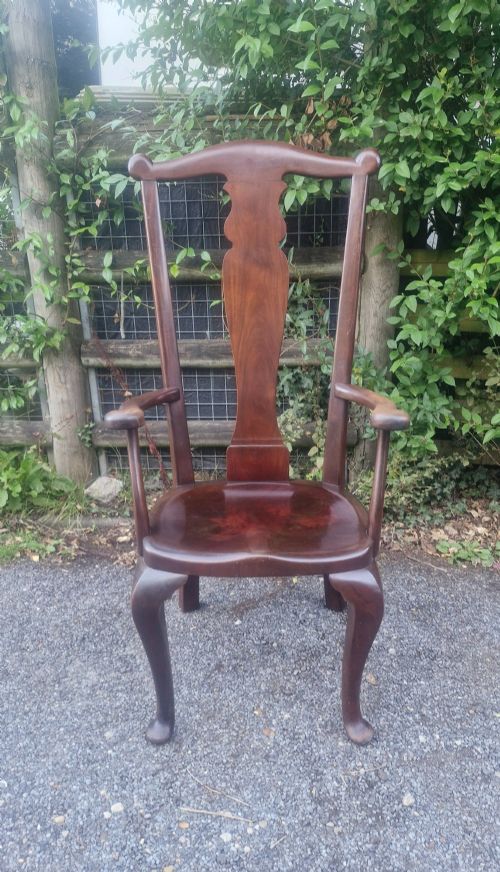
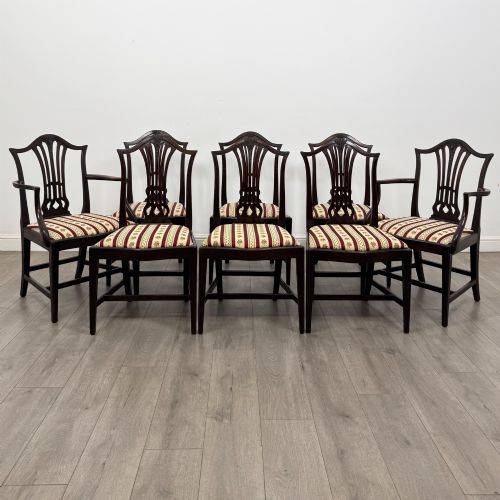
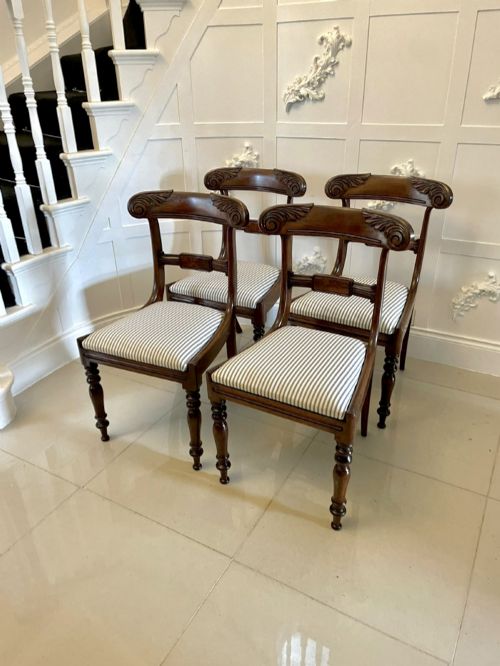
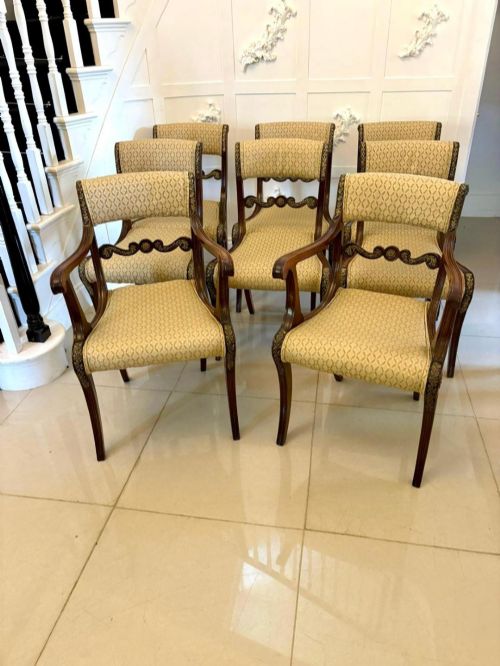
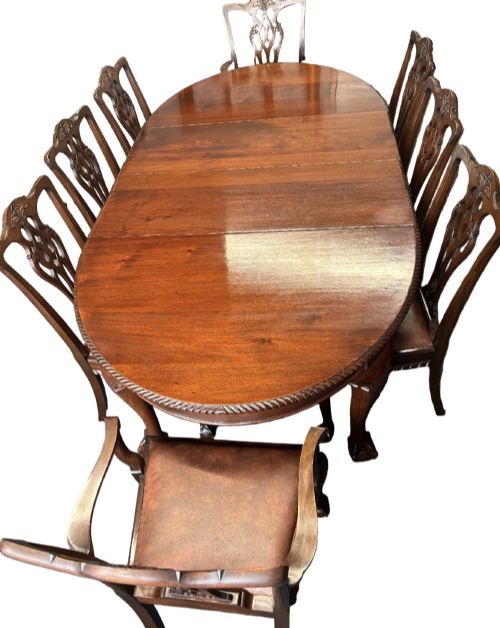
These seating pieces encompass dining chairs, armchairs, side chairs, hall chairs, and larger matching dining sets spanning the eighteenth and nineteenth centuries. Single chairs and pairs appear alongside sets of four, six, eight, ten, or twelve pieces suitable for a dining table.
The construction reflects formal dining traditions through distinct regional and stylistic variations, including George II walnut cabriole leg designs, George III mahogany models, Regency brass inlaid forms, and later revival interpretations.
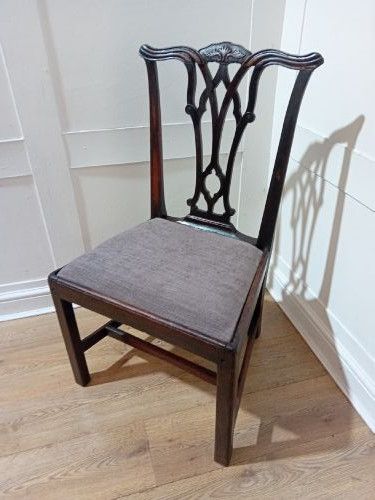
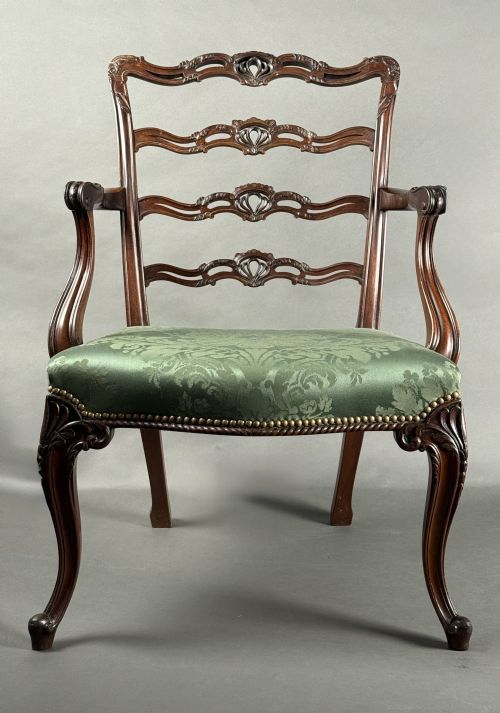
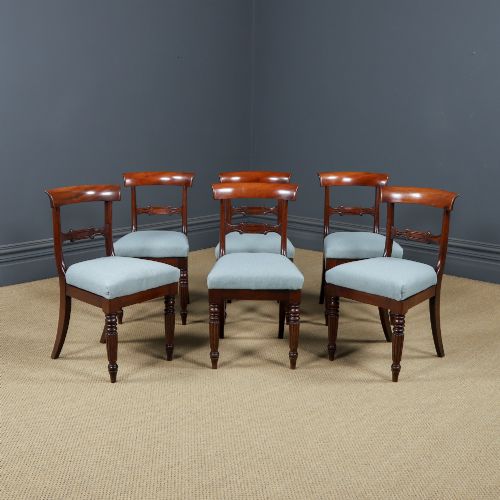
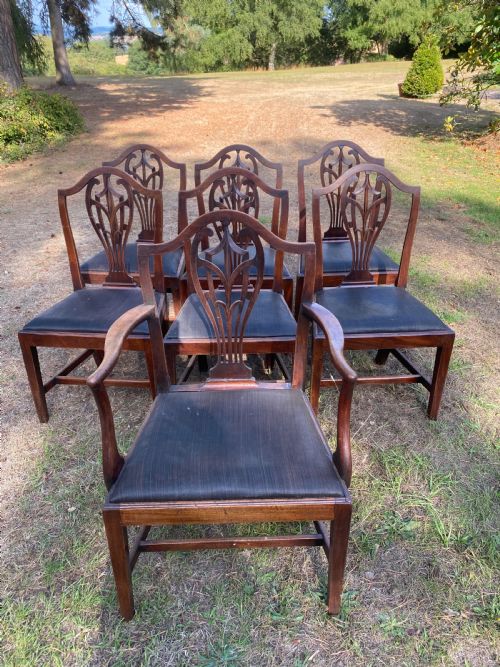
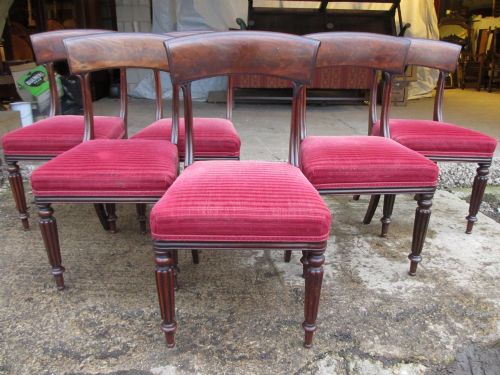
Buyers frequently encounter sets dating from the Georgian period through the nineteenth century, often featuring carved details on shield backs, bar backs, ladder backs, and ropeback carvers.
Materials and Construction Methods
Makers relied primarily on dense hardwoods such as mahogany, walnut, oak, elm, and rosewood, selected for structural strength during carving.
Joinery techniques combined traditional framing with hand carving on splats, rails, and cabriole legs, occasionally incorporating brass inlay or turnings.
Seats utilised drop-in pads or upholstered upholstery fabric, velvet, leather, and textile finishes secured over internal webbing.
Georgian Carved Dining Chairs Retail Price Guide 2026
Typical asking prices for georgian carved dining chairs among the pieces listed under this phrase on Sellingantiques today, from the lower quarter to the upper quarter. They describe what is for sale here now, not the wider market.
Listings feature timbers including mahogany, walnut, oak, elm, and rosewood across Georgian, Regency, and Victorian periods.
Assessing Craft and Preservation
Depth and crispness of hand carving across the splats, crest rails, and leg structures separate standard production from superior examples.
Originality of timber, surface patina, and the integrity of the frame construction dictate the overall character and historical survival of each chair.
Gillows·Waring & Gillow
The Georgian Carved Dining Chairs Glossary
- Carver
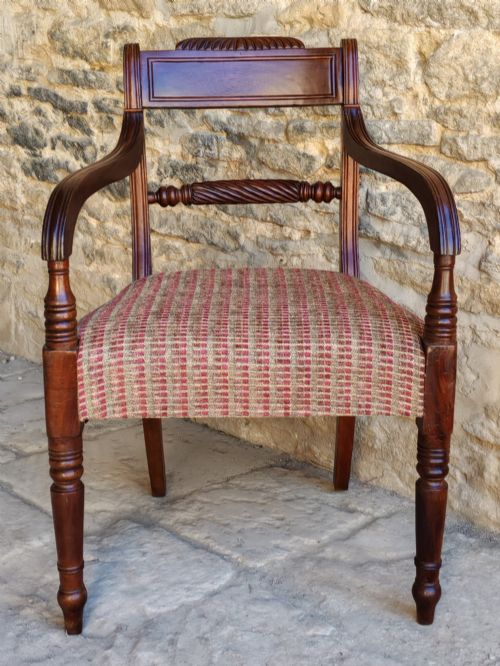
- An armchair designed for the head of a dining table, typically featuring elbow supports.
- Cabriole leg
- A furniture leg that curves out at the knee and tapers inward to an ankle, common in earlier walnut pieces.
- Shield back
- A chair back shaped like a heraldic shield, popularized during the late eighteenth century.
- Bar back
- A horizontal cross rail set across the upper back of a dining chair, often seen on Regency and William IV examples.
- Splat
- The vertical wooden strip down the middle of a chair back, frequently pierced or carved.
Georgian Carved Dining Chairs: Frequently Asked Questions
How do I care for antique wood seats?
Keep wooden frames away from direct heat sources and sudden humidity shifts to prevent timber splitting. Apply natural wax polish periodically to maintain the surface condition.
Avoid commercial liquid cleaners that might strip the historic finish or damage original upholstered textiles.
Can I mix these chairs with modern tables?
These seating forms pair effectively with contemporary or rustic dining tables to create a contrasted interior look. Ensure the seat height aligns comfortably with the underside clearance of the table.
Armchairs require adequate lateral space so the elbows fit neatly beneath the table surface.
How do I distinguish regional chair styles?
Look to the timber choice and structural proportions, as regional makers utilised local woods like Welsh elm or Irish walnut alongside standard mahogany. Carving motifs and turnings often reflect specific provincial workshops.
Comparing back splat geometry helps separate Scottish and English iterations from continental influences.
Are larger sets matched or assembled later?
Large groupings sometimes combine pieces assembled over time to create a unified dining set. Inspect the underside framing, timber grain consistency, and minor variations in carving depth to verify uniformity.
Even within matched sets, individual hand-carved elements often display subtle variations unique to period workshop production.