

Georgian Carved Accent Chair
A georgian carved accent chair brings the weight of eighteenth-century craftsmanship into a modern room.
Georgian Carved Accent Chair
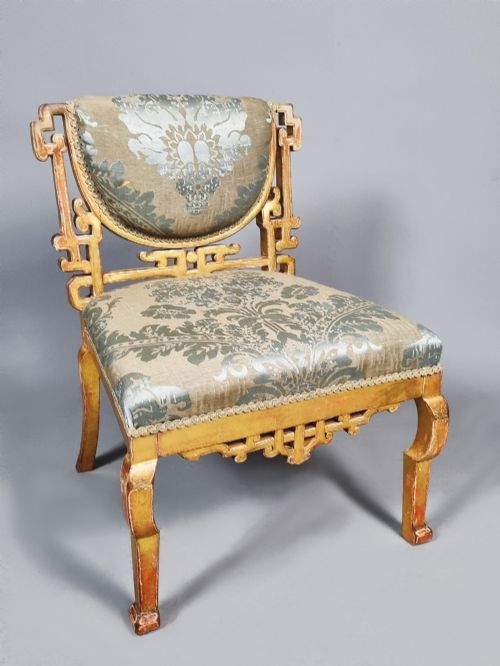
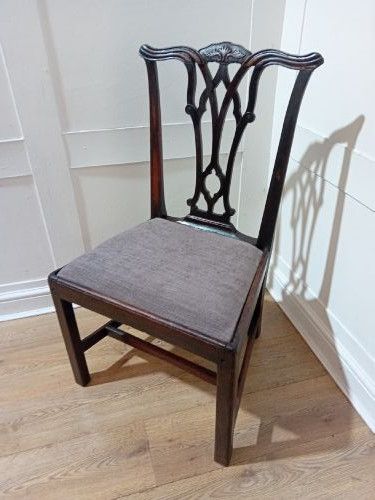
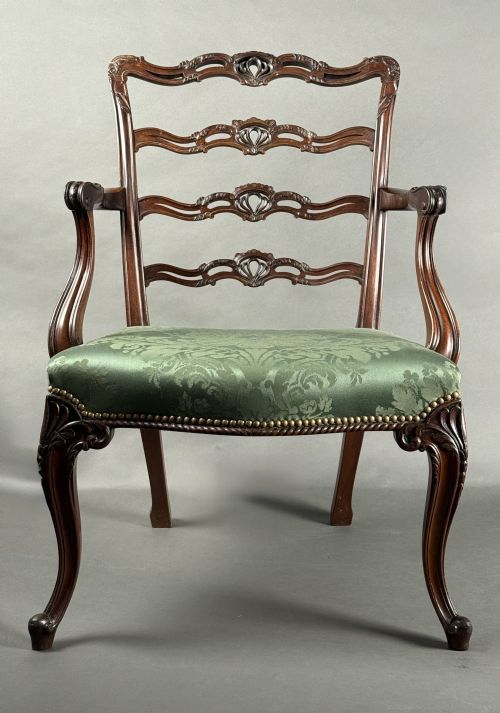
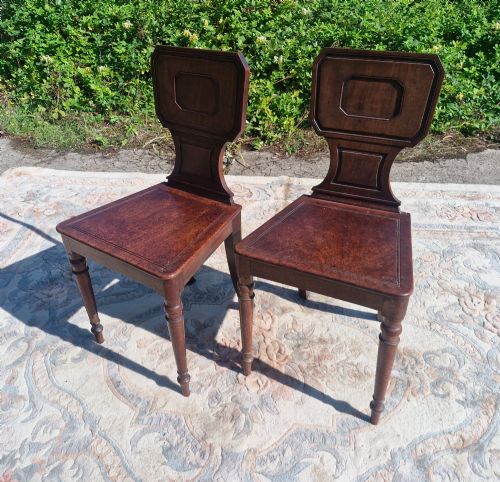
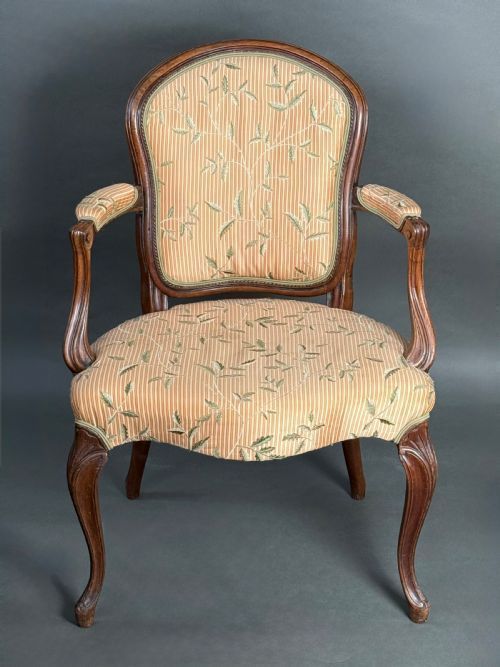
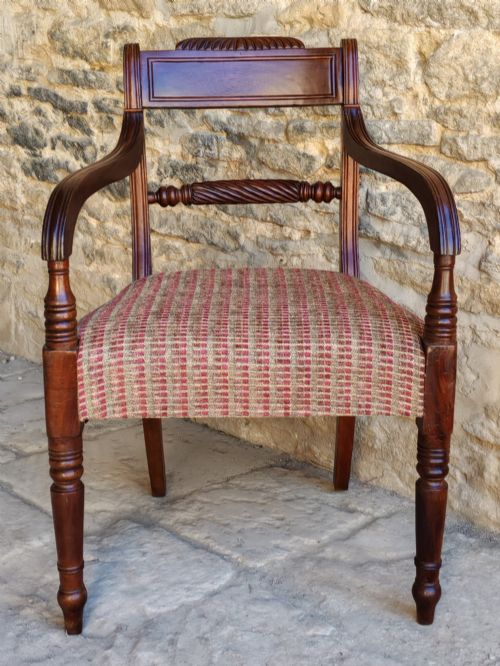
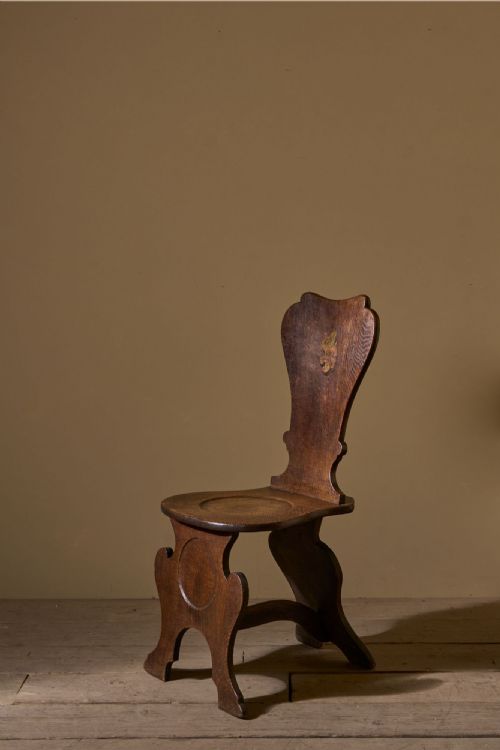
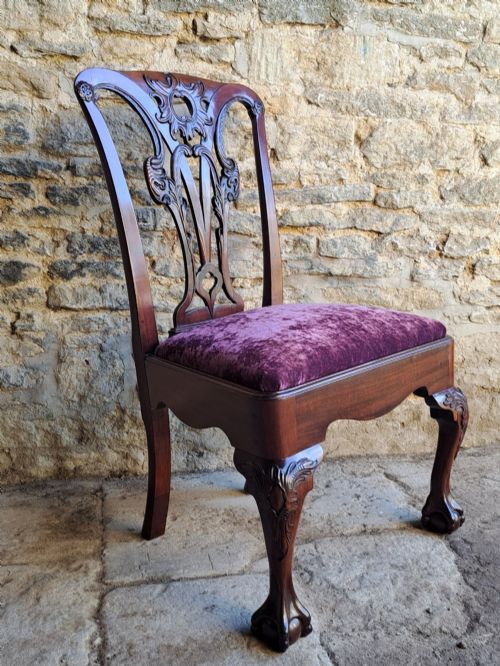
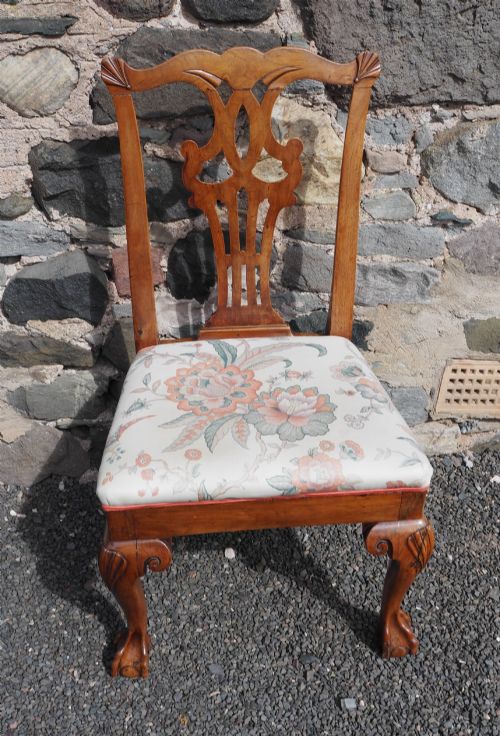
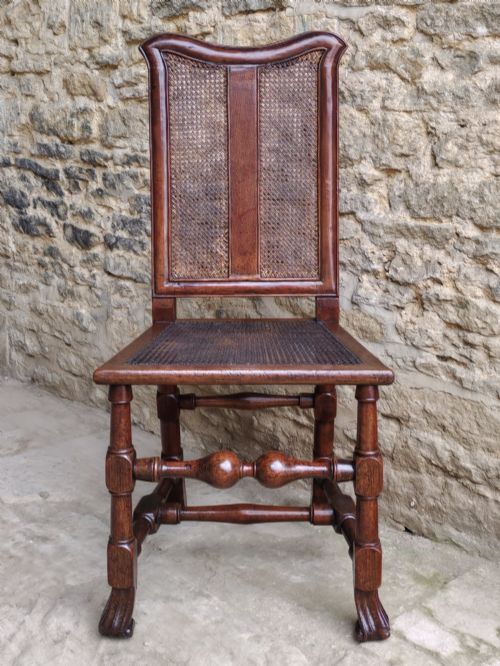
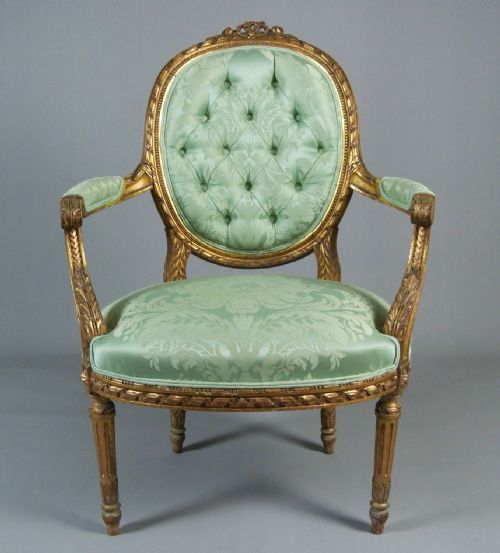
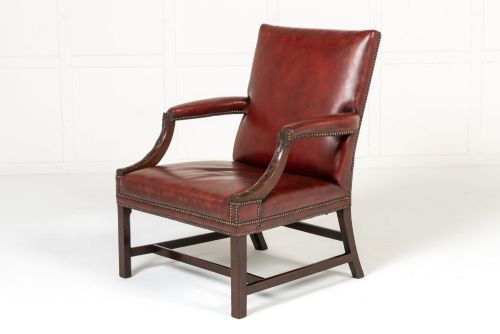
A georgian carved accent chair encompasses a variety of seating forms from the eighteenth and early nineteenth centuries, including armchairs, side chairs, hall chairs, and library chairs. The examples found here span specific periods from the mid-eighteenth century through the Regency era, with styles ranging from George II and George III to Chinese Chippendale and Regency.
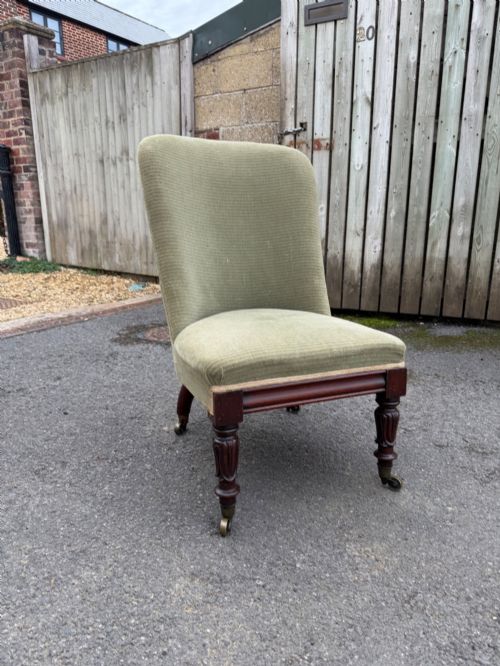
Buyers will most frequently encounter mahogany and walnut side chairs or armchairs carrying carved details. Many pieces retain original or later upholstered seats in fabrics such as velvet, silk, and textils, whilst others present timber panels or cane seats.
Materials and construction
Cabinetmakers relied heavily on dense hardwoods such as mahogany, walnut, and oak to construct the frames of these chairs. These timbers allowed for intricate hand-carving along the crest rails, splats, and cabriole or sabre legs.
Joinery methods involved traditional mortise and tenon construction, frequently reinforced by corner blocks. Upholstered versions utilised webbing and stuffing over drop-in frames or integrated seat rails.
Drunkards chairs featured unusually wide seats to accommodate eighteenth-century gentlemen who had overindulged at the dining table.
Distinguishing quality
Quality rests in the crispness and depth of the hand-carving on the woodwork, where sharper chisel work distinguishes superior execution from softer, worn detailing. The choice of timber grain and the integrity of the original joinery also set exceptional seating apart from standard workshop production.
The survival of original surfaces, patination, and period elements such as cane work or early upholstery fabric elevates an example above pieces that have undergone extensive timber replacement or modern reconstruction.
Thomas Chippendale·Colefax and Fowler·Zoffany
The Georgian Carved Accent Chair Glossary
- Cabriole leg
- A furniture leg that curves outward at the knee and tapers inward toward the foot, mimicking animal limbs. This form appeared frequently on mid-eighteenth-century walnut and mahogany seating.
- Splat
- The vertical central strip of wood in the back of a chair. Carved or pierced variations define styles such as Chippendale and Hepplewhite.
- Drop-in seat
- A removable wooden frame upholstered separately and dropped into a recess in the chair seat rail. It allows for straightforward reupholstery without dismantling the frame.
- Grecian
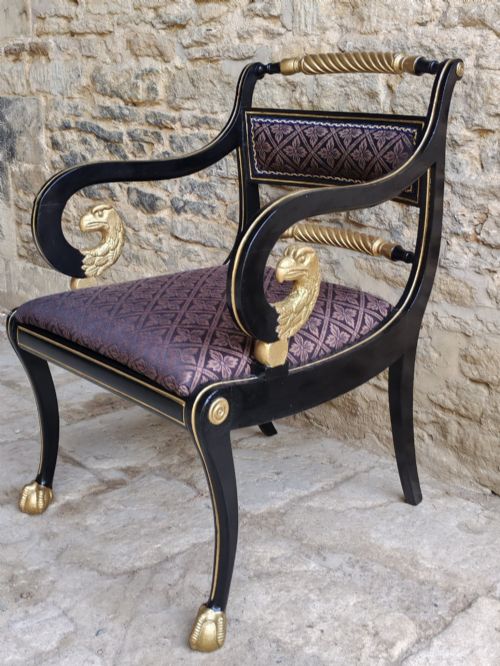
- A Regency design style drawing on classical Greek motifs, often featuring sabre legs and curved backrests. These chairs reflect early nineteenth-century archaeological tastes.
Georgian Carved Accent Chair: Frequently Asked Questions
How do I identify a George III chair?
George III chairs typically display straight or cabriole legs, pierced carved splats, and restrained classical ornamentation reflecting the prevailing taste of the late eighteenth century.
Makers of this era utilised solid mahogany or walnut, often incorporating carved motifs like ribbons, acanthus leaves, and fluting along the frame.
What is a hall chair used for?
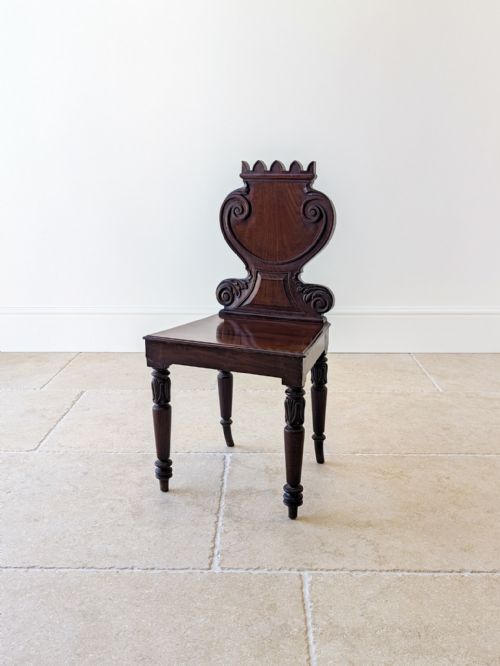
Hall chairs served as functional, formal seating in entrance halls and corridors of grand houses rather than for prolonged comfort. They were constructed primarily from timber with solid or painted wooden seats, frequently featuring carved crests or family heraldry.
Guests and visitors used them briefly while waiting to be received by the household.
How should I care for antique upholstery?
Historic fabrics and modern replacement textiles require gentle vacuuming with a low-suction brush attachment to remove dust without damaging fragile fibres. Avoid exposing antique silks and velvets to direct sunlight, which causes fading and weakens the textile structure over time.
Professional conservation cleaning is recommended for delicate period coverings.
What distinguishes Regency from Georgian furniture?
Regency furniture emerged during the early nineteenth century under the influence of the Prince Regent, favouring heavier classical archaeological references, ebonised finishes, and sabre legs. In contrast, earlier Georgian pieces often embraced lighter proportions, elaborate fretwork, and cabriole structures.
Timber choices also shifted, with Regency makers frequently employing rosewood and brass inlay alongside mahogany.