



Georgian Cane Back Chair
A georgian cane back chair brings lightness and texture into a room, offering tactile woven seating built to last centuries.
Georgian Cane Back Chair
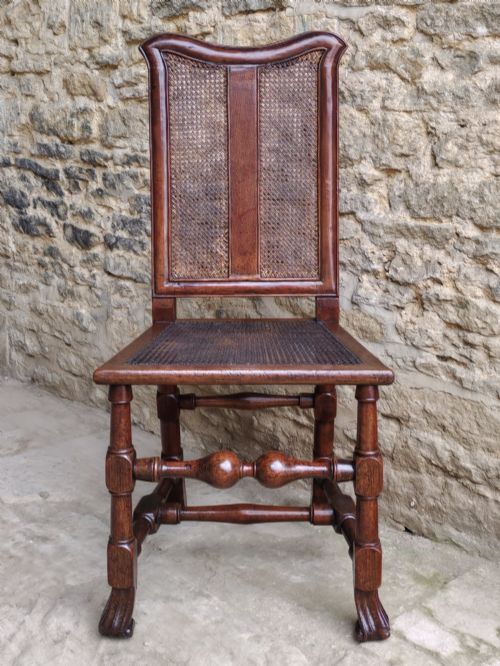
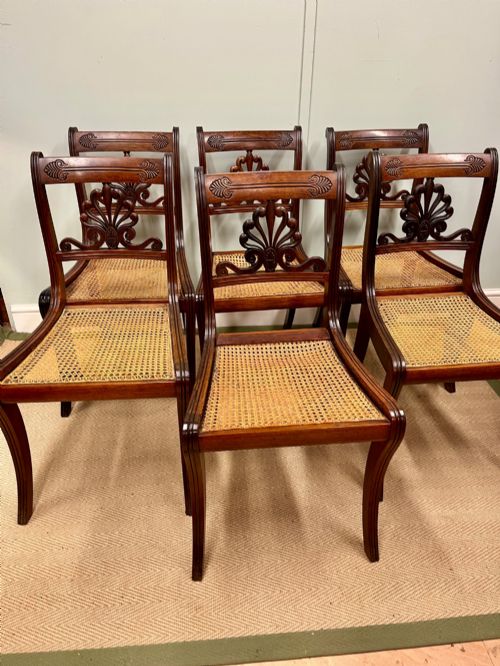
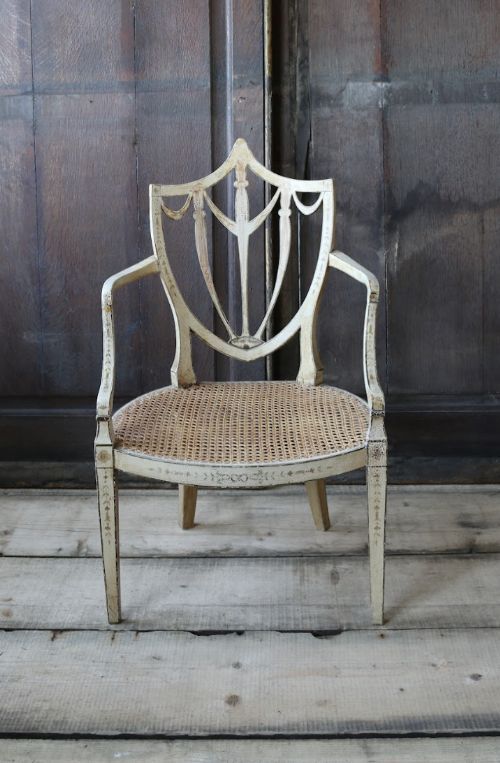
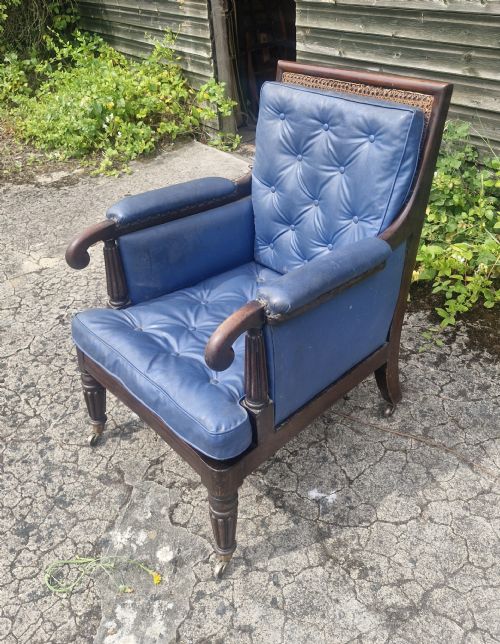
A georgian cane back chair combines structural timber frames with resilient woven panels designed for both dining and library use. These seating forms span various regional workshops and subsequent revival periods, reflecting shifting tastes across centuries of British design.
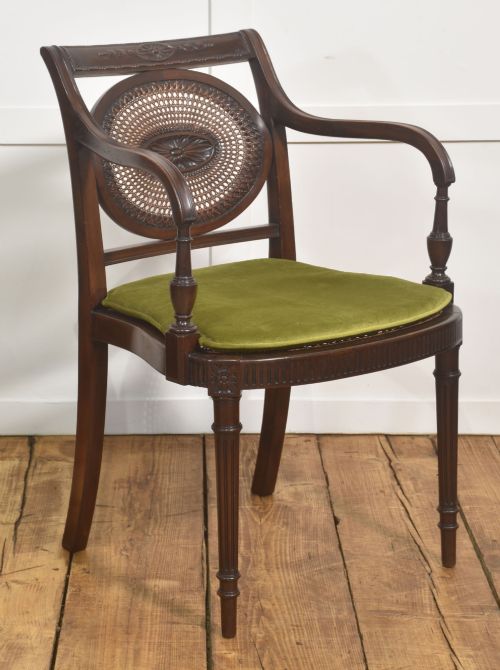
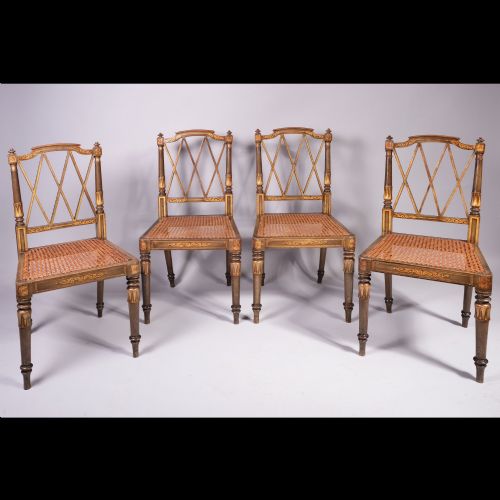
Dining chairs, side chairs, and expansive library armchairs dominate the selection, often appearing in matched pairs or small sets. The grouping includes diminutive child sizes alongside substantial seating designed for formal domestic interiors.
Materials and construction methods
Solid timber frameworks utilise native hardwoods like mahogany, walnut, and rosewood, sometimes finished with decorative painted surfaces or simulated grain. Artisans shaped these woods into structural elements ranging from simple stickbacks to elaborate shield-backs.
Cane panels provide flexible, breathable support within the backrest or seat frame, often complemented by loose leather or fabric cushions. Traditional joinery secures the wooden components while allowing the woven mesh to maintain appropriate tension.
Some library chairs cleverly fold out into functional steps, letting studious owners reach high bookshelves without fetching a ladder.
Elements of distinction
The precision of the carved ornament on the back rails and legs determines the refinement of the piece. Crisp lines and balanced proportions indicate skilled handwork by competent makers rather than mass production.
The integrity and tightness of the woven cane work separate standard examples from finer outputs. Consistent hole spacing and uniform strands demonstrate superior craftsmanship during assembly.
Gillows
The Georgian Cane Back Chair Glossary
- Cane
- A woven material derived from the peeled outer bark of rattan palms. It provides a durable, lightweight mesh for chair backs and seats.
- Bergere
- An enclosed upholstered armchair with wooden framing and cane panels along the sides and back. This French-inspired form became popular in British libraries and drawing rooms.
- Mahogany
- A dense tropical hardwood prized for its deep reddish-brown tone and resistance to warping. It served as the primary framing material for fine Georgian and Regency seating.
- Klismos
- An ancient Greek chair style revived during the Regency period, characterised by saber legs and a curved concave backrest. These pieces offer sculptural elegance alongside ergonomic support.
Georgian Cane Back Chair: Frequently Asked Questions
How do I identify a genuine period chair?
Examine the timber colour, tool marks on the underside, and the consistency of the hand-woven cane mesh. These indicators reveal the age and construction methods used by period artisans.
Compare the joinery techniques against known examples from the same decade to confirm authenticity.
Can these chairs be used daily?
Sturdy timber frames and resilient cane panels handle regular sitting when handled with reasonable care. Avoid placing them in direct sunlight or damp areas to protect the natural materials.
Use matching loose cushions if added comfort is desired during extended periods of sitting.
How should I clean the cane panels?
Dust the woven mesh gently with a soft brush and wipe occasionally with a damp cloth. Keeping the cane slightly hydrated prevents it from becoming brittle over time.
Avoid harsh chemical cleaners that strip natural moisture from the rattan fibres.