


Georgian Candleholder
A georgian candleholder brings steady, flickering warmth into a room, forged from heavy brass, gleaming silver plate, or rich mahogany.
Georgian Candleholder
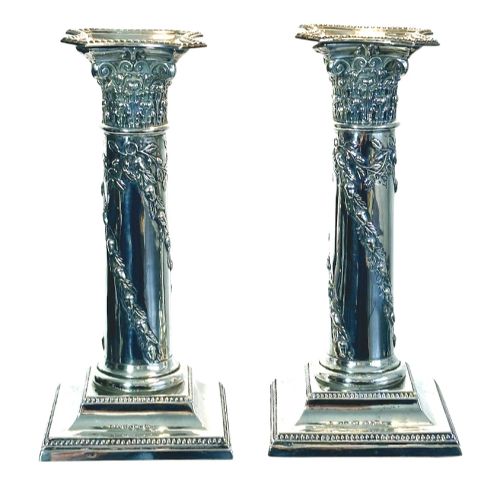
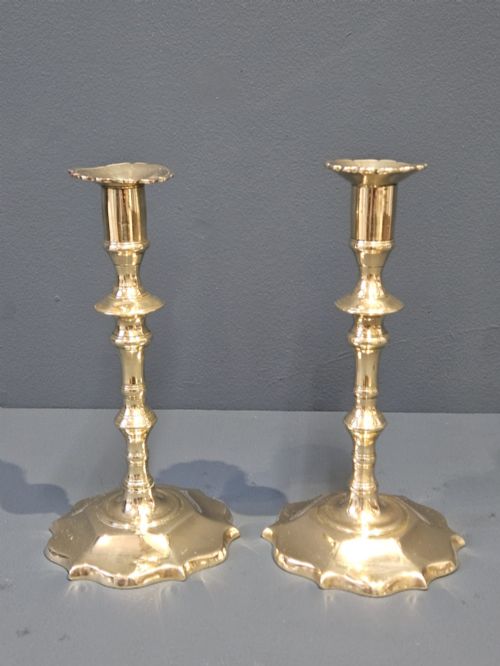
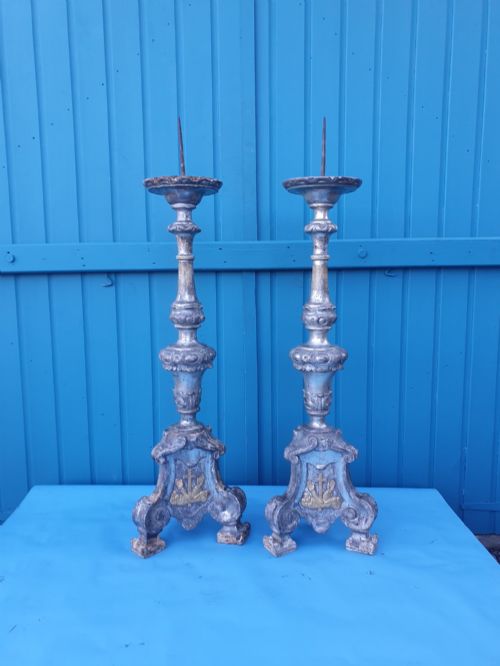
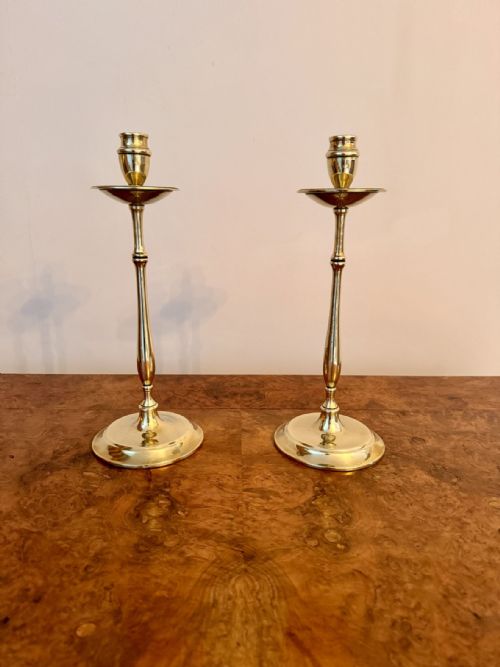
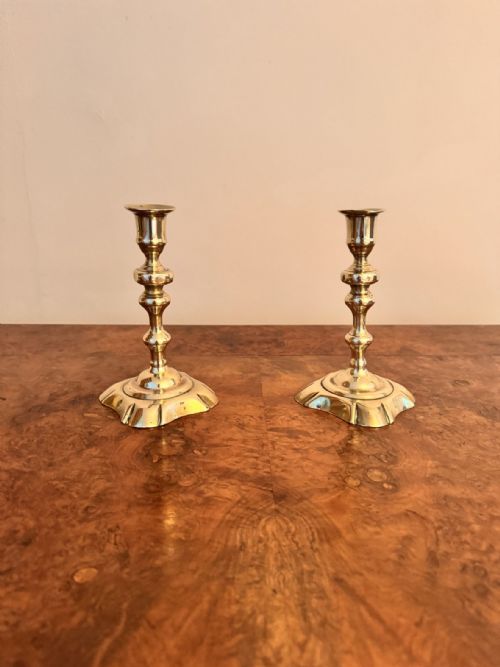
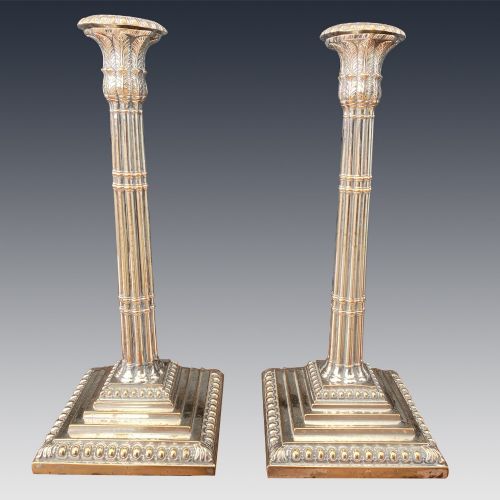
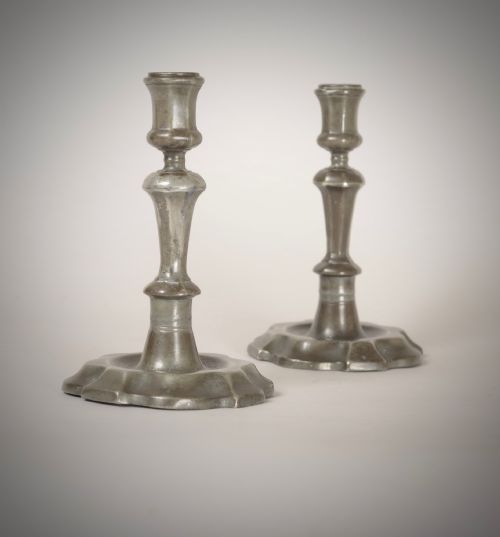
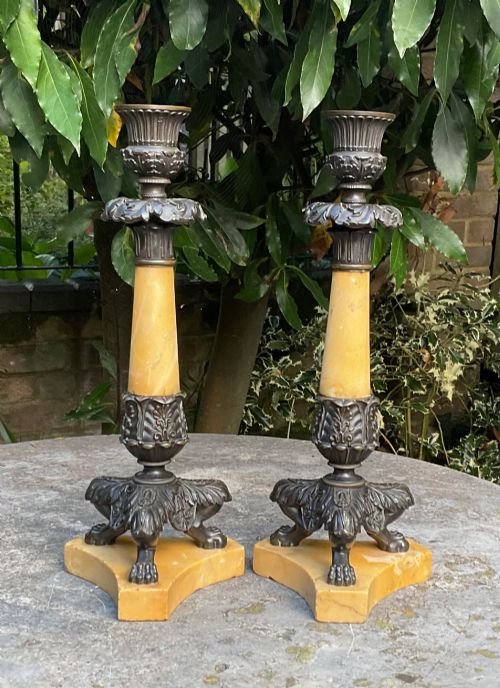
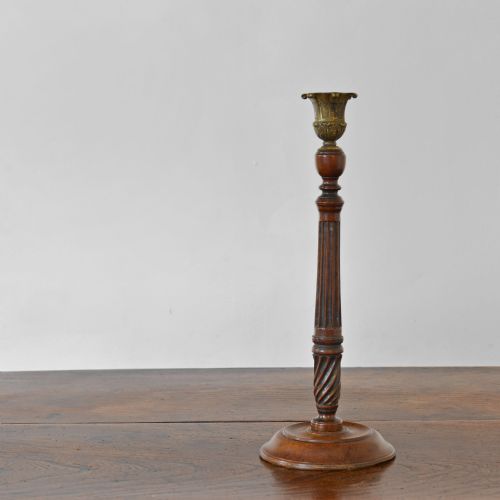
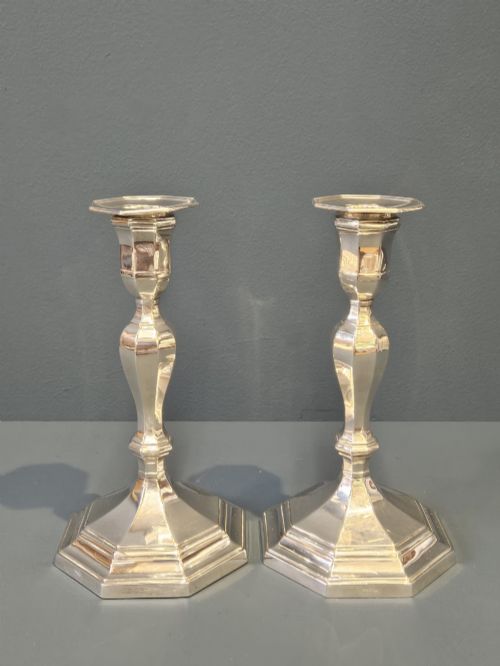
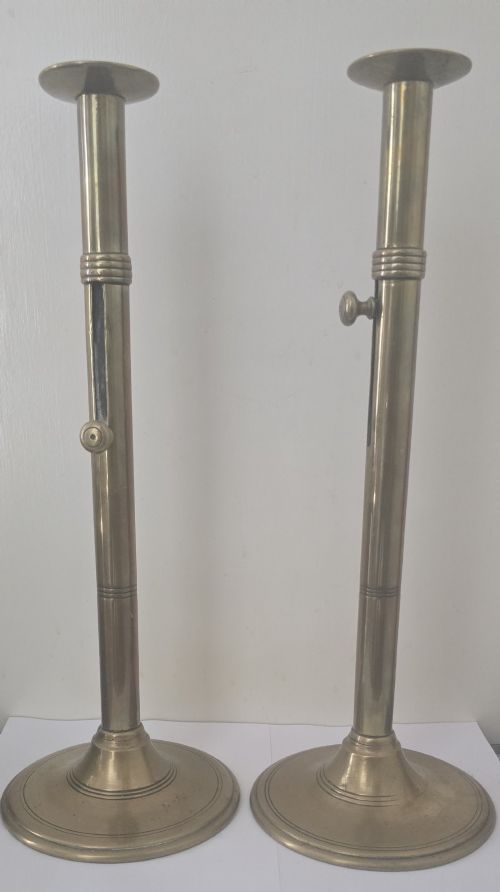
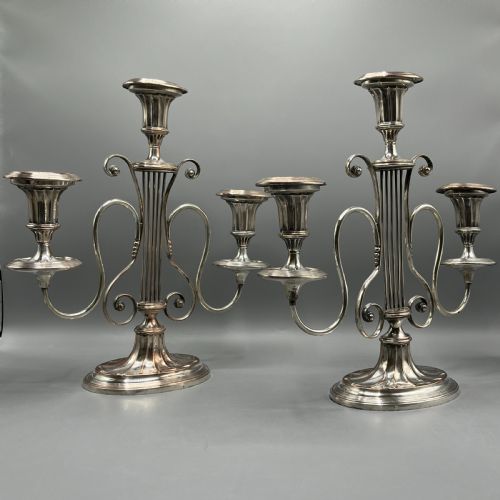
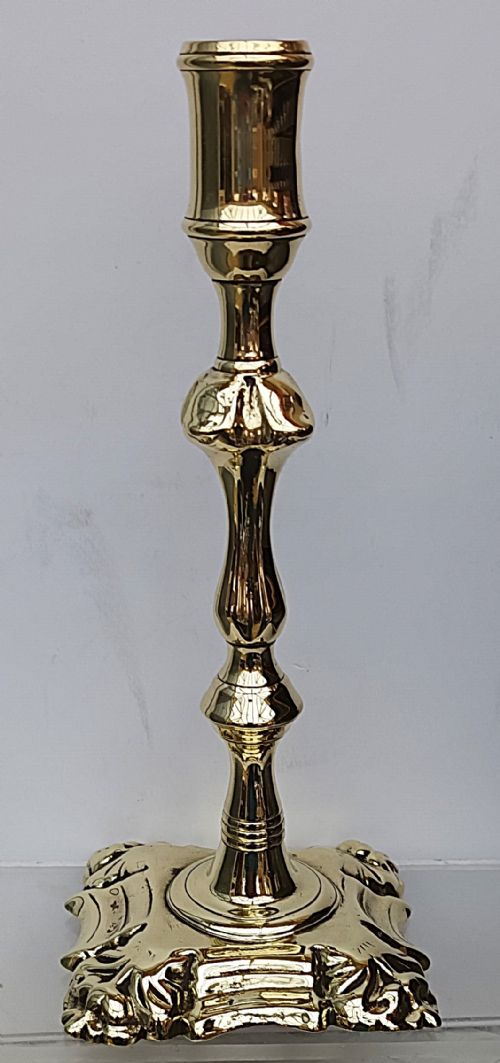
A georgian candleholder encompasses a broad range of domestic lighting from the eighteenth and early nineteenth centuries, including candlesticks, candelabra, chamber candlesticks, and rushlight holders. Buyers seeking these items will frequently encounter brass examples alongside pieces rendered in Old Sheffield Plate, sterling silver, mahogany, bronze, and porcelain.
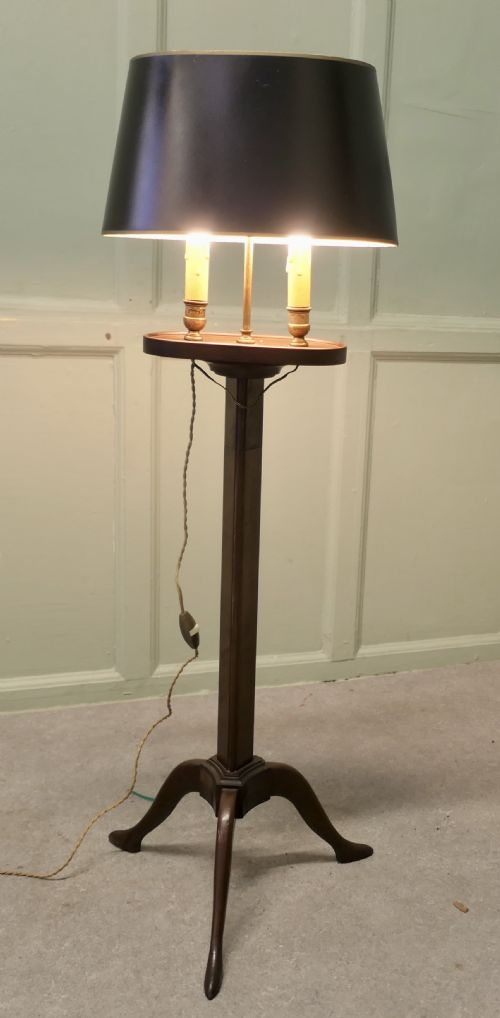
The material selection reflects the domestic priorities of the Georgian era, moving from utilitarian wrought iron and rushlights to refined cast brass column sticks and silver-plated candelabra designed for dining tables and mantlepieces. Many surviving pieces appear in matched pairs, though single sticks and adjustable floor lamps also emerge within the listings.
Originating across Georgian, Regency, and Queen Anne styles, these objects demonstrate a steady evolution in domestic illumination. Neoclassical motifs and simpler George II forms represent the dominant aesthetic standards found on this page.
Materials and Techniques
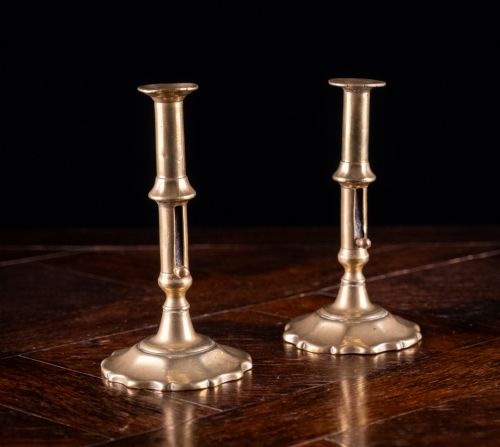
Brass examples were commonly cast in parts using sand-casting or lost-wax methods before being turned on a lathe and hand-finished, often incorporating side ejectors or telescopic mechanisms for practical use. Old Sheffield Plate combined a thin layer of sterling silver fused to a copper base, creating durable tableware that mimicked solid silver.
Silversmiths utilised traditional sheet metalworking and casting techniques for hallmarked pieces, while woodworkers turned mahogany on lathes to construct wooden shafts mounted with brass sockets. Porous ceramic bodies such as porcelain were shaped by hand or in moulds, then painted and glazed before firing.
Georgian Candleholder Retail Price Guide 2026
Typical asking prices for georgian candleholder among the pieces listed under this phrase on Sellingantiques today, from the lower quarter to the upper quarter. They describe what is for sale here now, not the wider market.
The inventory records both utilitarian rushlight holders and formal Old Sheffield Plate candelabra.
Evaluating Quality
Quality rests upon the crispness of the casting detail and the integrity of the original components, such as detachable sconces and functioning mechanical ejectors. Sharply defined mouldings on brass petal bases or column capitals indicate superior workshop production.
The preservation of original surface finishes, whether patinated brass, unpolished Old Sheffield Plate, or hand-painted porcelain decoration, dictates the standing of an individual piece. Heavier gauge metalwork and balanced proportions separate utilitarian domestic items from fine examples produced by known makers.
J. Miller·John Cafe·Harrison Patent
The Georgian Candleholder Glossary
- Sconce
- The detachable pan or nozzle fitted at the top of a candlestick to catch melting wax. This component is often lost or replaced over centuries of use.
- Old Sheffield Plate
- A composite material formed by fusing a thin sheet of silver to a copper ingot. This technique predates modern electroplating.
- Rushlight Holder
- A spring-loaded iron clip mounted on a heavy base, designed to grip a dried rush dipped in animal fat for simple illumination. These represent early utilitarian lighting.
- Chamber Candlestick
- A low-profile candleholder equipped with a saucer base and a loop handle for carrying through hallways at night. They frequently include a conical snuffer resting in the pan.
- Ejector
- A concealed internal mechanism operated by a thumbpiece on the stem to push the remaining candle stump upward. This innovation helps clear spent wax easily.
Georgian Candleholder: Frequently Asked Questions
What is a georgian candleholder used for?
These items provided primary domestic illumination before the widespread adoption of gas and electric lighting. They were placed on tables, sideboards, and carried through bedchambers.
Today, collectors utilise them primarily for decorative display and ambient dining illumination using standard taper candles.
How do I clean brass safely?
Surface dust should be removed with a soft, dry cloth to preserve the historic skin and darkened oxidation accumulated over centuries. Harsh chemical metal polishes strip away the aged patina that collectors value.
If cleaning is necessary, warm water and mild soap applied gently with a soft brush will remove accumulated grime without harming the metal.
How can I tell the period?
Dating relies on stylistic indicators such as column capitals, base shapes like stepped petals or squares, and assembly methods. Earlier eighteenth-century examples often feature cast multi-component construction with solid bases.
Later nineteenth-century reproductions and adaptations frequently utilise different screw threads, lighter gauge metals, or machine-rolled components that distinguish them from original Georgian output.