
Georgian Cabinet Plate
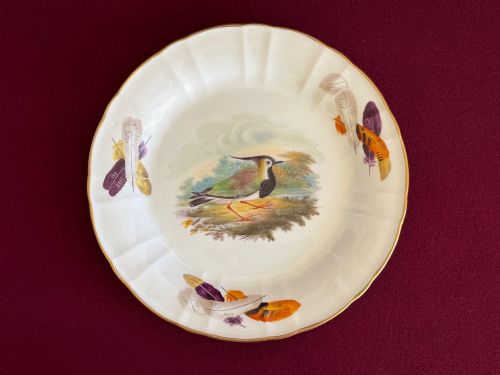
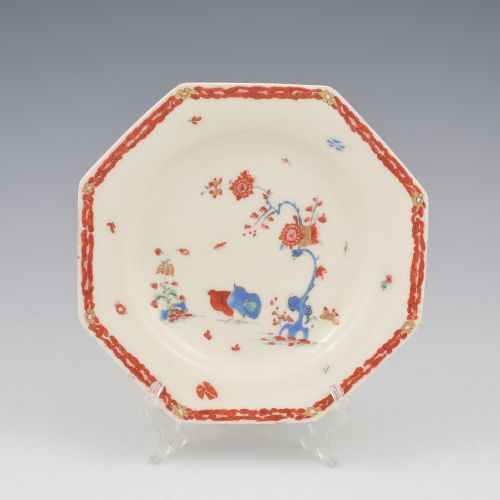
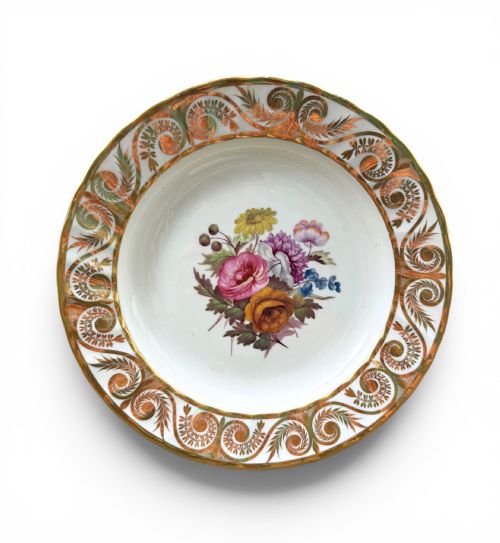
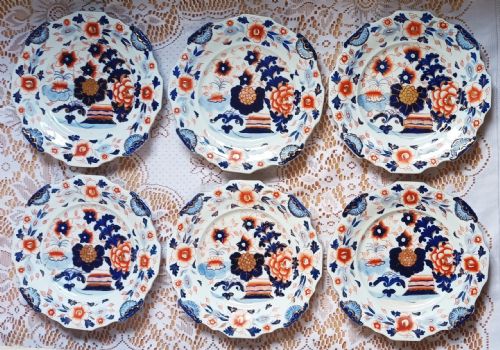
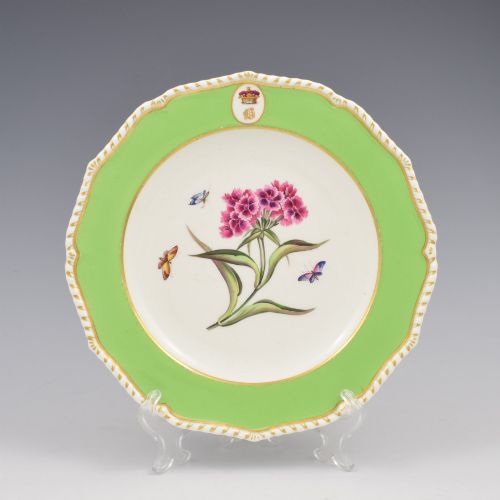
When you handle a georgian cabinet plate, you hold porcelain and ironstone painted with botanical scenes, armorials, or exotic birds made for display.
Georgian Cabinet Plate
A georgian cabinet plate is a ceramic piece produced during the eighteenth and nineteenth centuries, intended more for display on dressers or walls than for daily dining use.
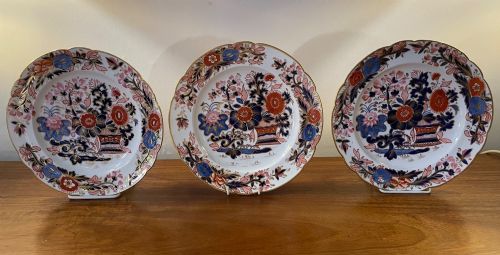
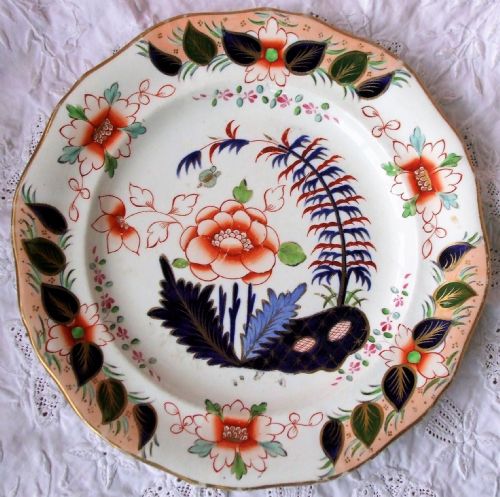
The pieces on this page span porcelain, bone china, and ironstone, featuring botanical studies, hand-painted birds, and armorial crests.
Makers from Derby, Worcester, and Coalport dominate the porcelain examples, whilst Davenport and other potteries supply the heavier ironstone versions.
How they were made
Potters shaped porcelain, bone china, and ironstone bodies before applying hand-painted enamels, gilding, and botanical motifs.
Factories utilised specialised painters for birds, fruit, and armorials, often firing the pieces multiple times to set the vibrant overglaze colours.
Exotic birds, Japanese dragons, and botanical specimens populate these painted surfaces.
What varies in quality
Quality depends on the precision of the hand-painting, the crispness of the porcelain paste, and the richness of the gilding applied to the border.
Plates featuring named botanical specimens or specific armorials by known porcelain houses command greater interest than standard floral transfers.
Wedgwood·John Davenport of Longport·Bloor Derby·Barr Flight and Barr·Chamberlain's Worcester·Minton·Coalport
The Georgian Cabinet Plate Glossary
- Cabinet plate
- A decorative ceramic plate made for display in a cabinet or on a dresser rather than for use at the table.
- Armorial
- A plate painted with a family coat of arms or crest commissioned by a landed family.
- Ironstone
- A heavy, durable type of earthenware patented in the nineteenth century to rival porcelain.
- Enamel
- Opaque vitreous colours applied over the glaze and fired to create detailed painted scenes.
- Gilding
- The application of gold leaf or gold paint to highlight rims, borders, and motifs.
Georgian Cabinet Plate: Frequently Asked Questions
Were these plates used for dining?
Cabinet plates were primarily decorative items designed to be showcased on dressers, walls, or in glass-fronted cabinets.
Their delicate enamel painting and rich gilding meant they were kept away from regular household dining use.
How do I date a porcelain plate?
Dating relies on factory marks stamped or painted on the underside, stylistic clues in the border design, and the composition of the ceramic body.
Porcelain recipes and painting styles shifted visibly between the eighteenth century and the Regency period.
What is ironstone?
Ironstone is a dense, robust ceramic material patented in the nineteenth century as a tough alternative to porcelain.
It absorbed rich Imari and Japan patterns well, making it popular for both daily utility and display.
How should I display them?
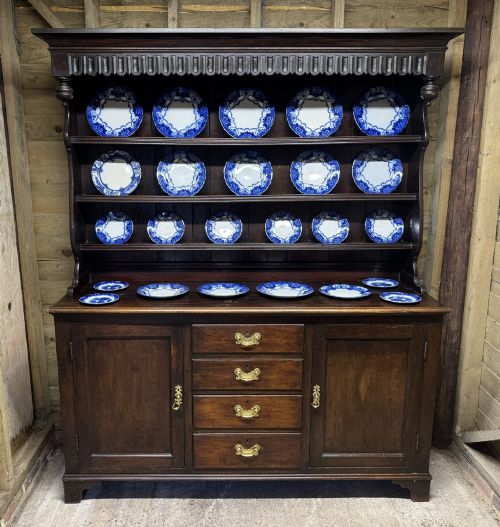
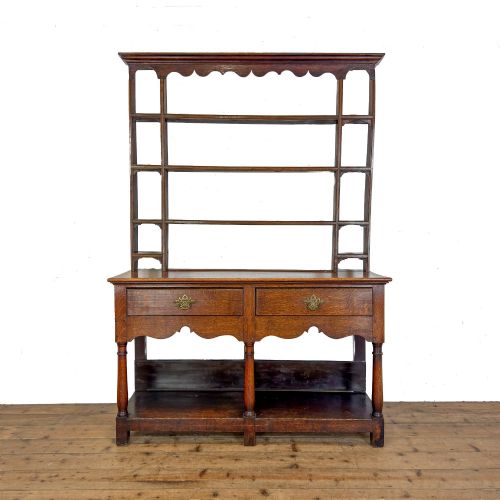
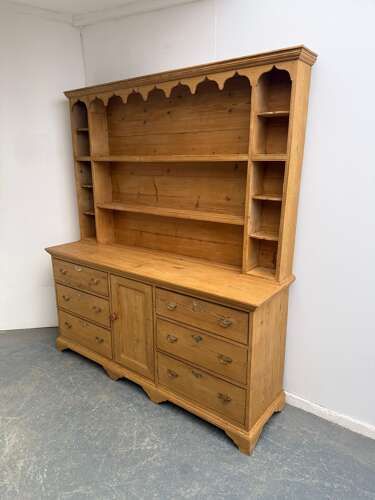
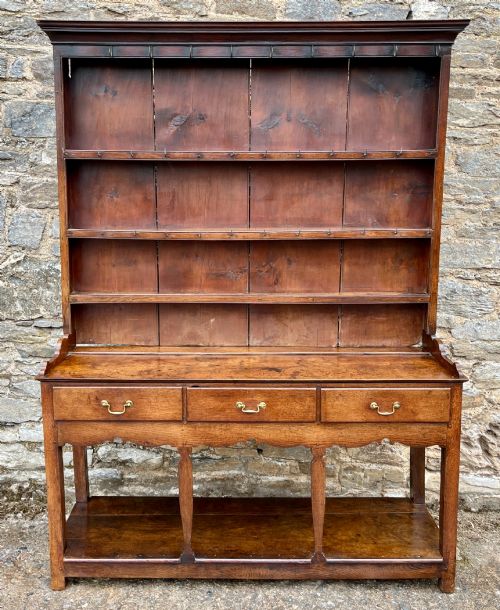
Displaying these plates safely requires sturdy plate hangers or dedicated display grooves on wooden dressers and cabinets.
Keeping them away from direct sunlight preserves the hand-painted enamel colours and gilt borders.