



Georgian Burr Elm
Georgian burr elm furniture combines richly figured timber with classic forms, offering both warmth and character for period interiors.
Georgian Burr Elm
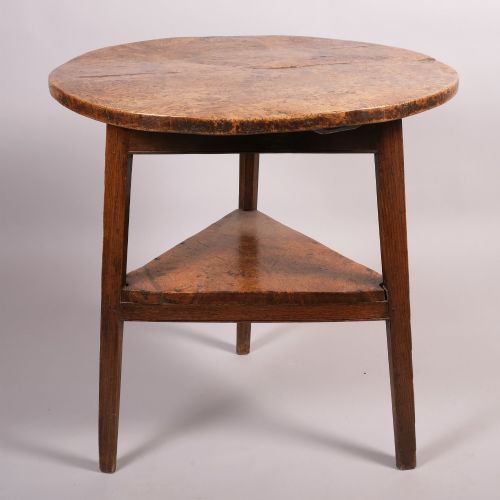
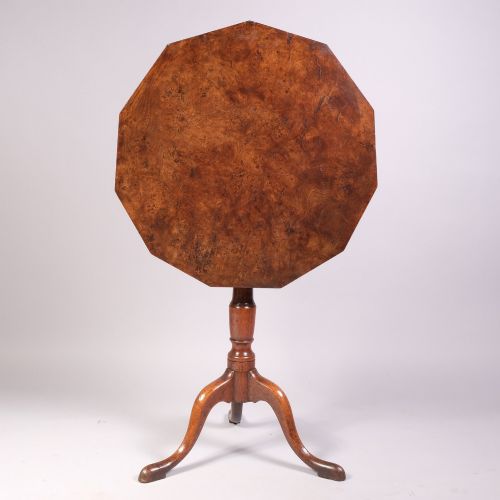
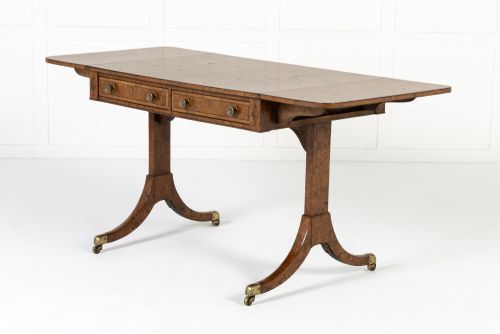
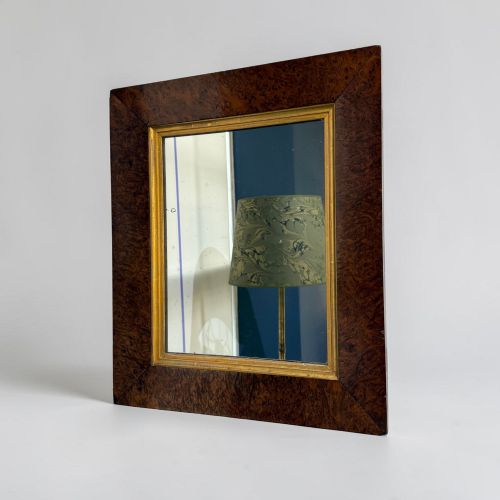
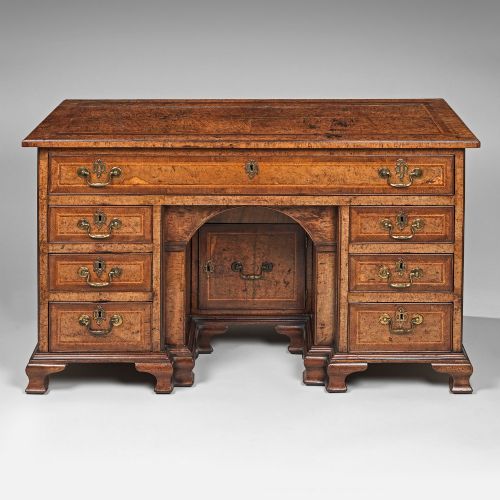
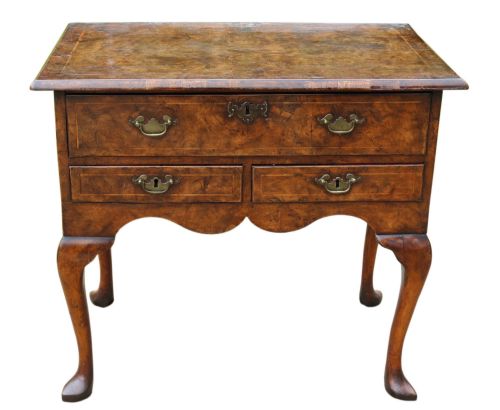
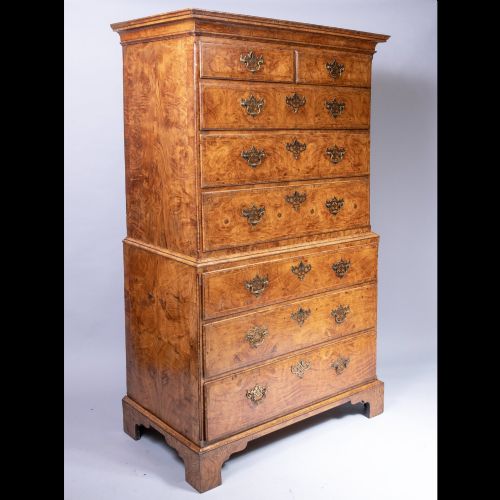
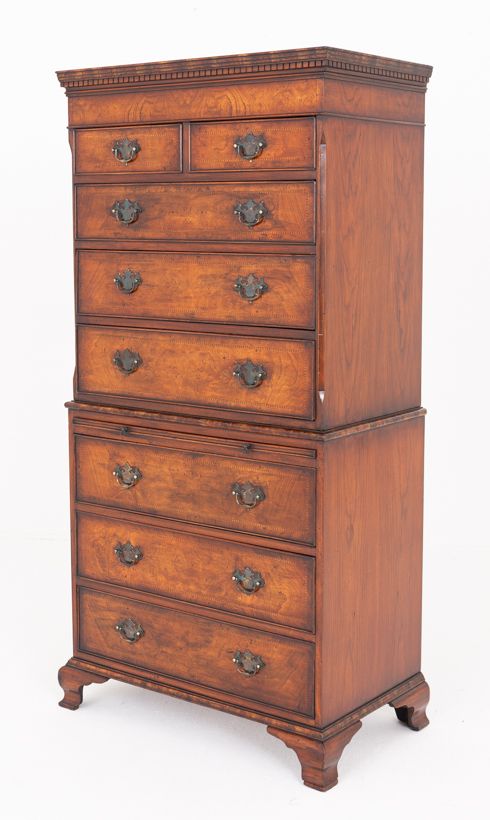
When buyers search for georgian burr elm, they encounter a range of functional furniture forms including bureaus, lowboys, desks, tallboys, and occasional tables dating primarily from the eighteenth and nineteenth centuries. These pieces highlight the distinctive swirling grain patterns unique to burr timber growths.
What varies in quality
Quality rests primarily in the density and visual impact of the burr figure across the primary surfaces, alongside the retention of original brass furniture handles and escutcheons. Pieces displaying harmonious timber matching throughout demonstrate superior cabinetmaking skill.
The integrity of the structural joinery and the survival of original surface finishes dictate the desirability of individual items, distinguishing vernacular country pieces from higher-style urban workshop productions.
Georgian Burr Elm Retail Price Guide 2026
Typical asking prices for georgian burr elm among the pieces listed under this phrase on Sellingantiques today, from the lower quarter to the upper quarter. They describe what is for sale here now, not the wider market.
Listings feature eighteenth and nineteenth-century periods, incorporating materials such as burr elm, brass, oak, and mirror glass across various regional styles.
The Woodworkers Ltd Kilkenny
The Georgian Burr Elm Glossary
- Burr elm
- A woody growth on an elm tree resulting in distorted grain patterns that produce highly decorative swirling figures when sliced into veneer or timber.
- Lowboy
- A small side table or dressing table featuring a low drawer arrangement, commonly supported by four slender legs.
- Tallboy
- A tall chest of drawers consisting of one chest stacked vertically on top of a larger base chest.
- Bureau
- A sloping desk hinged to open down for writing, typically enclosing a fitted interior of small drawers and pigeonholes.
- Cellarette
- A lockable container or cabinet designed for holding bottles of wine, frequently produced during the Regency period.
Georgian Burr Elm: Frequently Asked Questions
How do I care for burr elm furniture?
Keep wooden pieces away from direct sunlight and rapid temperature fluctuations to prevent timber movement or veneer lifting.
Apply a traditional beeswax polish periodically to nourish the surface and maintain the natural lustre of the figured grain.
What is the difference between a tallboy and a chest on chest?
A tallboy traditionally refers to a single tall chest of drawers, whereas a chest on chest comprises two distinct sections stacked one upon the other.
Both forms maximise vertical storage capacity while displaying decorative timber grains on the upper facades.
Were these pieces used in formal rooms?
Urban pieces like bureaus and commodes occupied studies and withdrawing rooms, serving elite domestic functions in period homes.
Vernacular examples such as Welsh dressers and country chairs served practical daily roles in rural households and kitchens.
How can I identify the period of burr elm furniture?
Dating relies on examining construction methods, timber preparation marks, secondary woods, and stylistic motifs corresponding to reigns like George II or the Regency era.
Changes in hardware design and drawer dovetailing techniques provide reliable clues for establishing approximate dates.