


Georgian Bureau Drawers
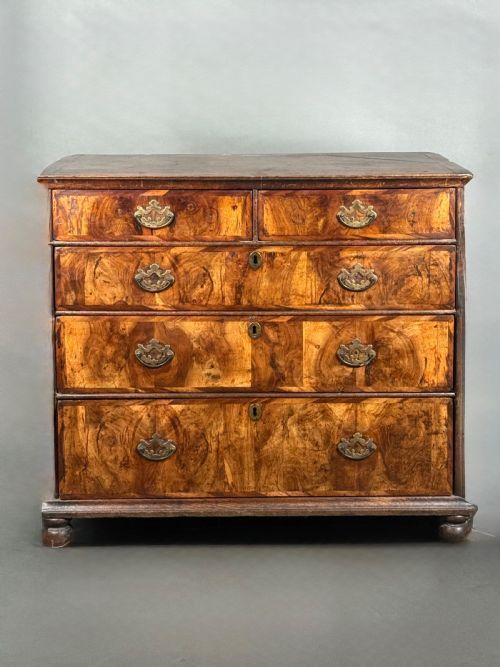
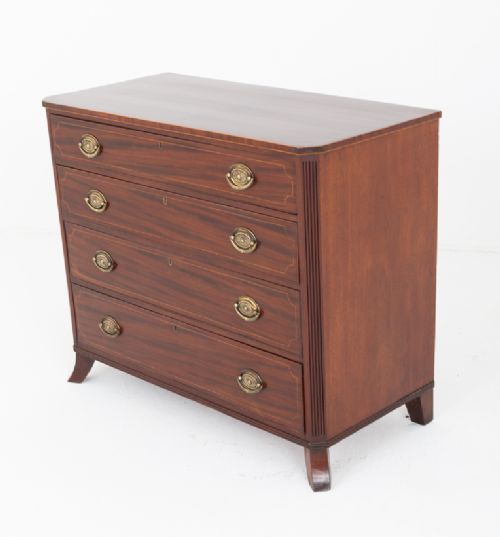
When you search for georgian bureau drawers, you uncover a blend of writing desks and storage chests crafted in mahogany, oak, and walnut.
Georgian Bureau Drawers
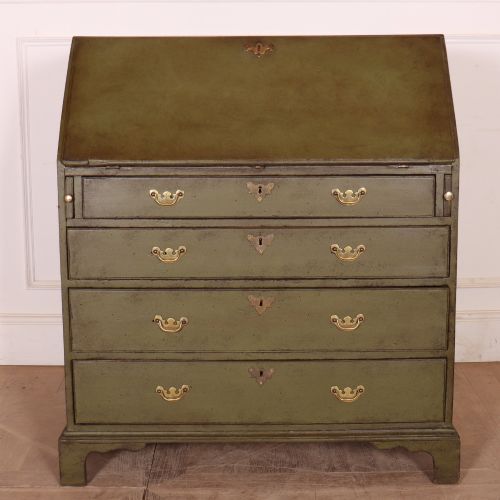
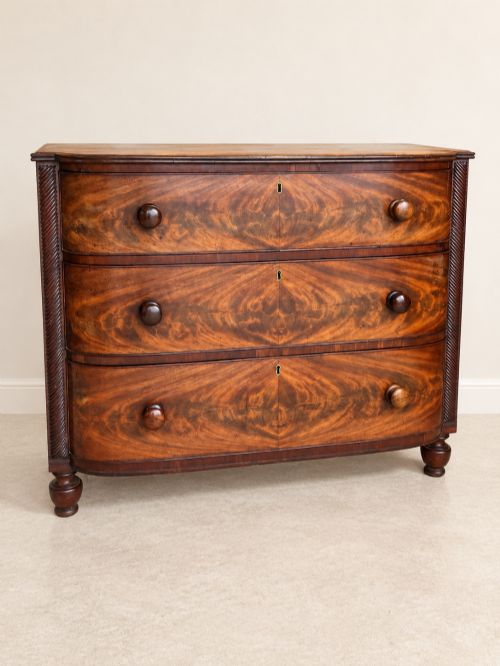
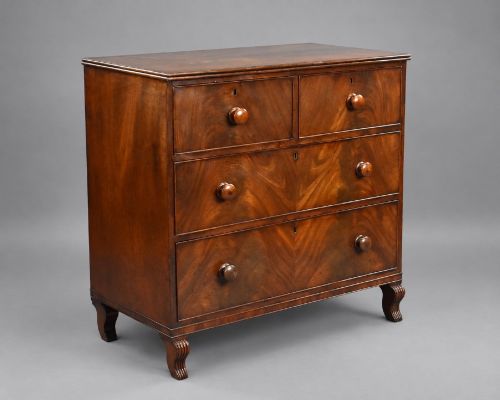
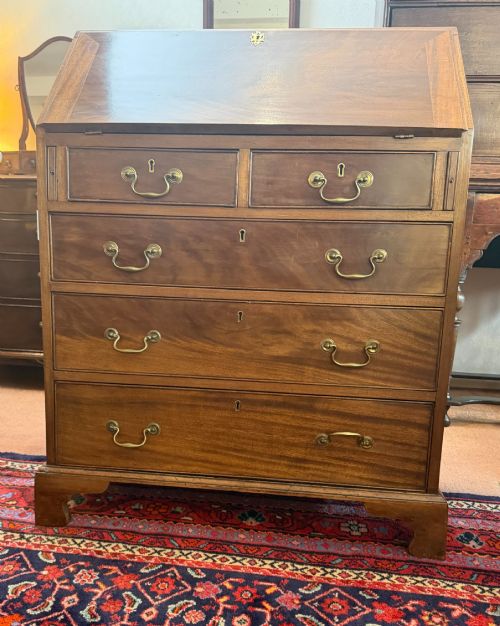
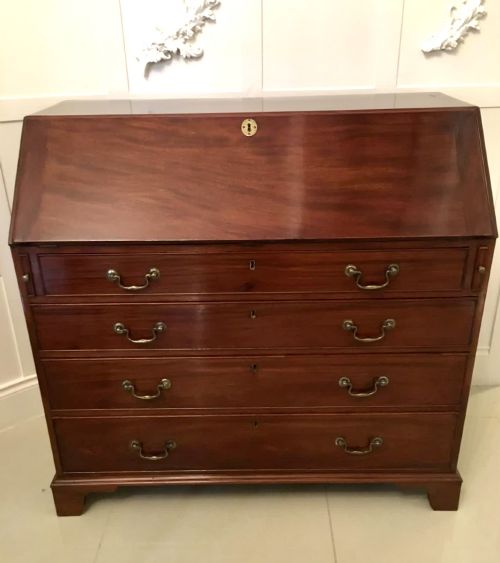
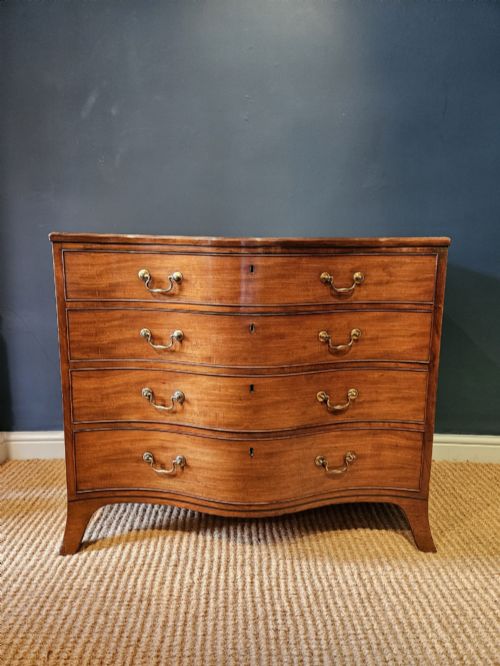
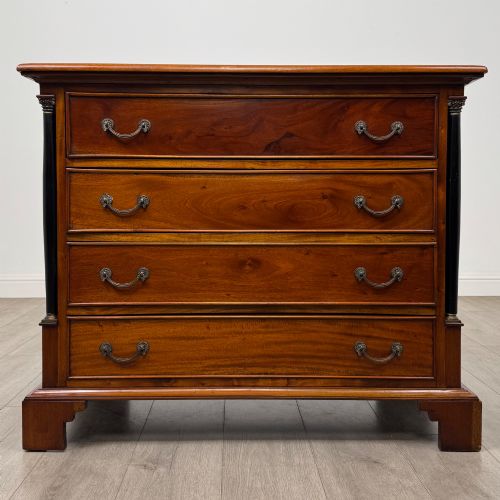
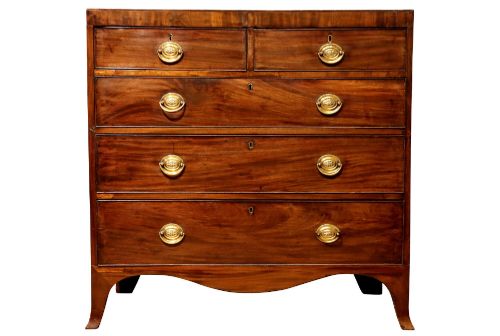
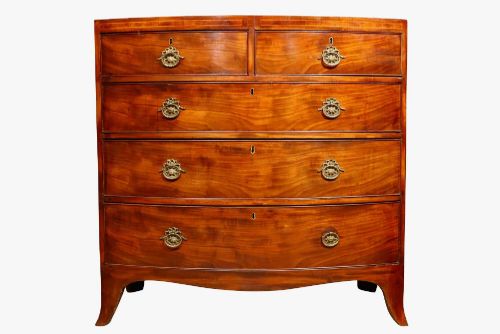
Georgian bureau drawers encompass both drop-front writing desks with internal compartments and formal chests of drawers designed for domestic storage. The pieces meeting this search phrase range from early oak and walnut examples to later mahogany designs featuring brushing slides and secretaire drawers.
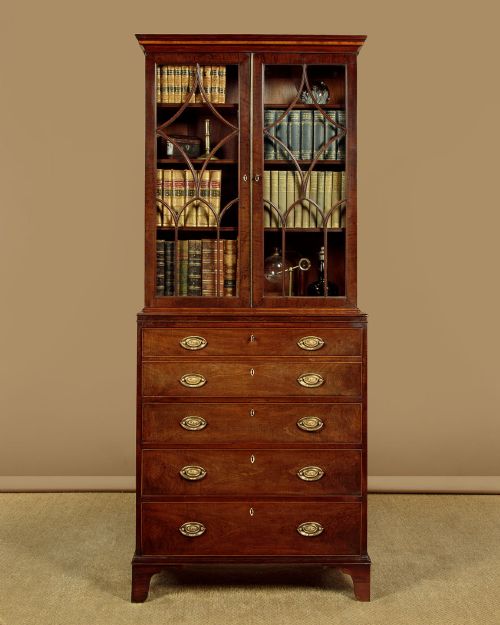
The inventory spans multiple periods from the eighteenth century onwards, including pieces bearing Queen Anne, George III, and Regency stylistic traits. Bureau bookcases and fall-front writing desks frequently appear alongside standard chests of drawers adapted for written correspondence.
How They Were Made
Cabinet makers built these pieces using solid timber foundations in oak and walnut, later turning predominantly to figured and flame mahogany veneers. Brass hardware, leather writing surfaces, and glass panel doors completed the construction of both desks and storage chests.
Several bureau bookcases reveal hidden compartments once relied upon for stashing secret love letters and small family fortunes.
What Varies in Quality
The standard of a piece rests heavily on the selection of timber figures, such as burr walnut or flame mahogany, and the crispness of the secondary drawer linings. Original brass handles and undisturbed patination elevate the standing of an item.
Structural integrity reveals itself in the hand-cut dovetailing of internal drawers and the smooth operation of fall-front desks or brushing slides. Alterations or later adaptations distinguish standard regional pieces from high-grade urban cabinet work.
The Georgian Bureau Drawers Glossary
- Bureau
- A desk featuring a sloping fall-front that opens to reveal a fitted interior of small drawers and pigeonholes.
- Brushing slide
- A pull-out shelf integrated above the top drawers, historically used for writing or brushing clothes.
- Secretaire
- A drawer configured to fold down and serve as a writing desk while concealing inner stationery compartments.
- Serpentine
- A curved front profile undulating inward and outward in a continuous flowing line.
- Ogee
- A double-curved architectural moulding forming an S-shape, frequently seen on bracket feet.
Georgian Bureau Drawers: Frequently Asked Questions
What is a bureau bookcase?
A bureau bookcase combines a lower writing desk section with an upper glazed or panelled cabinet for storing books.
These taller items served as multi-purpose furniture for studies and libraries in eighteenth-century homes.
How do I use a bureau daily?
The fall-front drops down to provide an immediate writing surface while keeping stationery stored in the internal compartments.
Closing the flap conceals the working area entirely, restoring a tidy appearance to the room.
What timber was most popular?
Mahogany dominated cabinet making through the Georgian and Regency periods, prized for its strength and rich red-brown tone.
Earlier pieces relied on oak and figured walnut, while later twentieth-century items utilised burr walnut veneers.
Are secret drawers common?
Many eighteenth-century writing desks and bureau bookcases feature hidden compartments tucked behind sliding panels or dummy drawers.
Cabinet makers designed these secret spaces to secure currency, letters, and small valuables.